
Side Dishes
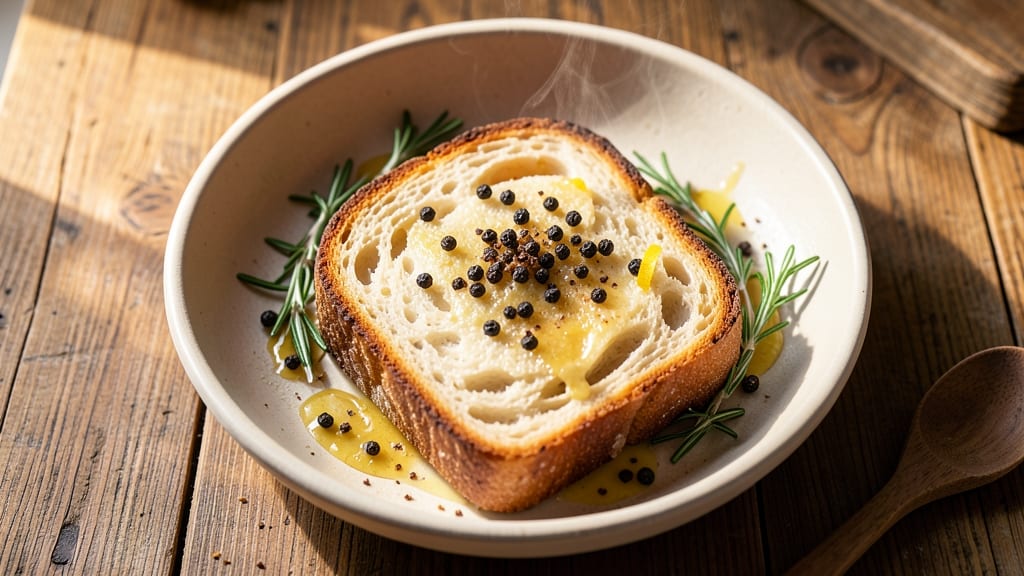
This bread recipe transforms ordinary loaves into moist, artisanal-quality bread by adding dry milk to a simple formula. The secret lies in its ability to retain moisture, creating a tender crumb and longer shelf life without altering the bread's structure or flavor.
I've perfected this technique after years of baking, and the difference is noticeable from the first slice.
Dry milk works by absorbing water during mixing, which then slowly releases it back into the dough as it bakes. This process results in a bread that stays soft for days rather than drying out within hours.
The recipe uses standard pantry ingredients—flour, yeast, water, and a touch of sugar—with dry milk as the game-changer that elevates texture without complicating the process.
The dough comes together in just 10 minutes of mixing, followed by a 1-hour rise for optimal flavor development. Baking at 375°F ensures a golden crust while keeping the interior tender and moist.
The result is a loaf with a crisp exterior and a soft, airy interior that rivals store-bought artisan bread.
This method is ideal for sandwich bread, dinner rolls, or even baguettes—any recipe where moisture retention is key. The dry milk integrates seamlessly, so you won’t detect any difference in taste, only an improved texture that keeps your bread fresh longer. Let’s get started on creating your perfect loaf.
Ingredients for adding dry milk to bread
Pantry staples with one game-changing addition for artisanal texture.
| Ingredient | Amount | Notes |
|---|---|---|
| All-Purpose Flour 🌾 | 4 cups | White or bread flour preferred |
| Nonfat Dry Milk Powder 🥛 | ½ cup | Key for moisture retention |
| Active Dry Yeast 🍞 | 2 ¼ tsp | Ensure yeast is fresh |
| Granulated Sugar 🍚 | 1 tbsp | Enhances yeast activity |
| Salt 🧂 | 1 ½ tsp | Kosher or sea salt preferred |
| Water 💧 | 1 ½ cups | Lukewarm (110°F) |
| Olive Oil 🫒 | 1 tbsp | For dough elasticity |
| Cornmeal 🌽 | ¼ cup | For dusting baking sheet |
| Egg Wash 🥚 | 1 whole | Optional for golden crust |
The nonfat dry milk powder is non-negotiable here—it's what transforms this from basic bread to something with restaurant-quality moisture. Bob's Red Mill or Nestlé brands work perfectly, but avoid ultra-pasteurized milk powder if you can find it. The flour choice matters too: bread flour gives a slightly chewier texture, while all-purpose keeps it tender. Yeast is your flavor catalyst—Saf-Instant yeast stays active even if mixed directly with dry ingredients, saving you a proofing step. For the water, lukewarm is key: too hot kills yeast, too cold slows fermentation. I always check temperature with my finger—should feel warm but not hot to the touch.
No dry milk powder? Powdered buttermilk or powdered whole milk can substitute at the same ratio, though texture may vary slightly. Running short on yeast? Active dry yeast works too, but you'll need to proof it first. The olive oil can be swapped for melted butter if you prefer—just chill it first so it doesn't overmix the dough. For the egg wash, if you're avoiding eggs, milk or water with a touch of olive oil works beautifully. The cornmeal is optional but prevents sticking—just skip it if you're using parchment paper. And remember: the sugar isn't just for sweetness—it feeds the yeast during that crucial first rise.
Store your dry ingredients in airtight containers away from heat sources—they'll last 6-12 months this way. Once mixed, the dough can be refrigerated for up to 24 hours before shaping, which actually improves flavor development. For best results, bake within 4 hours of mixing. The finished loaf keeps well wrapped at room temperature for 3 days, or you can freeze slices for up to 3 months. I always make an extra batch—this bread reheats perfectly in a toaster or oven, making it ideal for quick breakfasts or sandwiches later in the week.
Why You'll Love This Recipe
- Pantry Magic: I swear by this one—no fresh milk, no extra shopping. Just pull out that dusty can of dry milk in your cupboard, and boom, you’ve got a bread that’s richer than anything you’d buy at the store. The powder dissolves right into the dough, so no measuring mess or spills.
- Creamy Without Butter: Honestly, the dry milk makes this bread ridiculously tender—like a soft, buttery loaf without the fuss. The sugar and yeast team up to give it a subtle sweetness that pairs perfectly with jam or just toasted plain. My kids fight over the last slice.
- Weeknight Hero: Between us, this is my go-to when I’m too tired to proof dough overnight. Mix it, let it rise while I fold laundry, bake while I eat dinner—done. No waiting around for hours, just a warm, fresh loaf in under two hours. (Yes, even on a Tuesday night.)
- Budget Stretch: I make this when the grocery budget’s tight, and no one notices. The dry milk cuts costs while adding depth, and a single batch feeds my family for days. Freeze half for later, and you’ve got a backup plan for lazy mornings or unexpected guests. Win-win.
Step-by-step instructions for homemade bread with dry milk powder
Dry milk powder transforms this bread into a moist, tender loaf that stays fresh longer.
Activate the Yeast and Mix Wet Ingredients
In a large mixing bowl, combine the 1.5 cups lukewarm water (about 110°F), 1 tbsp granulated sugar, and 2.25 tsp active dry yeast. Let this mixture sit for 5-10 minutes until it becomes frothy—this confirms the yeast is active and ready to work. If it doesn't bubble, your yeast may be old, and you'll need to start over.
Once the yeast is active, add the 1 tbsp olive oil and 1.5 tsp salt. Whisk these ingredients together until the salt dissolves completely. The olive oil helps create a more elastic dough, while the salt enhances flavor and controls yeast activity. Keep this mixture aside while you prepare the dry ingredients.
Combine Dry Ingredients and Form the Dough
In a separate bowl, sift together the 4 cups all-purpose flour and 0.5 cup nonfat dry milk powder. The dry milk powder is key here—it absorbs moisture and releases it slowly during baking, keeping the bread moist for days. Sifting ensures an even distribution and prevents lumps in your dough.
Make a well in the center of the dry ingredients and pour in the yeast mixture. Using a wooden spoon or dough whisk, gradually combine the wet and dry ingredients until a shaggy dough forms. Avoid overmixing at this stage—just bring everything together so the flour fully hydrates. The dough will be sticky, but that's normal with dry milk powder.
Knead the Dough Until Smooth and Elastic
Transfer the dough to a lightly floured surface and knead for 8-10 minutes by hand, or use a stand mixer with a dough hook attachment on medium speed for 5-6 minutes. You're looking for a smooth, elastic dough that springs back when poked. The dry milk powder makes the dough slightly denser, so it may feel heavier than usual—don't be tempted to add extra flour.
Test for doneness by performing the "windowpane test": stretch a small piece of dough until it's thin enough to see light through it. If it doesn't tear, your dough is ready. Once kneaded, shape the dough into a ball, place it in a lightly greased bowl, cover with a damp towel, and let it rise in a warm place for 1-1.5 hours or until it doubles in size.
Shape and Proof the Dough for Optimal Texture
After the dough has risen, punch it down to release air and shape it into a loaf. For a classic sandwich loaf, form it into a rectangle about 12x6 inches. Place it seam-side down on a baking sheet dusted with 0.25 cup cornmeal—this prevents sticking and adds a subtle crunch. Cover loosely with the damp towel and let it proof for another 30-45 minutes until it rises slightly.
While the dough proofs, preheat your oven to 375°F. For an extra golden crust, brush the loaf with the 1 whole egg wash (beaten egg) just before baking. The egg wash adds color and creates a tender, slightly chewy crust. Bake for 30-35 minutes until the bread is deep golden brown and sounds hollow when tapped on the bottom.
Cool and Enjoy Your Moist, Artisan-Style Bread
Remove the bread from the oven and let it cool on a wire rack for at least 20 minutes before slicing. This resting period allows the moisture to redistribute, preventing a gummy interior. The nonfat dry milk powder works its magic here by retaining moisture longer than traditional bread recipes, so your slices will stay soft for days.
Once cooled, slice and serve. The bread should have a tender crumb with a slight chew, and it should hold its shape without crumbling. Store leftovers in an airtight container or wrapped in plastic to maintain freshness. This technique is especially useful for sandwich bread, dinner rolls, or any recipe where moisture retention is key.
Pro Tips For Making Adding Dry Milk To Bread
- SIFT THE DRY MILK: Mix the nonfat dry milk powder directly into the flour before adding liquids—this prevents clumping when the yeast activates. I learned this the hard way after scraping gummy milk lumps out of my mixer.
- WAIT FOR YEAST TO SWIM: Test your yeast in warm water with a pinch of sugar first—it should foam in 5-10 minutes. Cold water kills it, and dead yeast means flat, dense bread. (Yes, even if you’re impatient like me.)
- SALT THE FLOUR LAST: Sprinkle the salt over the flour after mixing the yeast and milk—this keeps the yeast happy longer. Too much salt upfront can slow fermentation, and nobody wants a bread that takes forever to rise.
- KNEAD JUST UNTIL SMOOTH: Stop kneading when the dough pulls cleanly away from the bowl, about 8-10 minutes by hand. Overworking it makes the bread tough, and honestly, your arms will thank you for not giving it a workout.
Wine and beer pairings for this adding dry milk to bread
Creamy Beer Pairings
For this ultra-moist bread, opt for Belgian-style witbiers like Hoegaarden or Stella Artois. Their citrusy, slightly spicy notes complement the bread's tender crumb without overpowering its subtle milkiness. The effervescence also cleanses your palate between bites, making it perfect for sandwiches. 🍺
A pilsner such as Pilsner Urquell or Heineken works beautifully too—its crisp, clean finish highlights the bread's freshness. Avoid heavy stouts or dark ales, as their roasted flavors can clash with the delicate milk notes.
Crisp White Wine
A chilled Sauvignon Blanc from New Zealand or Loire Valley is ideal—its bright acidity and herbal undertones mirror the bread's freshness. Look for wines with citrus and green apple notes to enhance the milk's creaminess. I love Cloudy Bay or Oyster Bay for this pairing.
For a budget-friendly option, try a dry Riesling from Germany. The wine's slight sweetness balances the bread's richness, while its acidity keeps your mouth feeling refreshed. Avoid oaky Chardonnays—they'll make the bread taste heavy.
Craft Beer Alternatives
If you prefer hoppy beers, a Belgian IPA like Westmalle Tripel adds a fun contrast with its fruity, spicy notes. The bread's moisture softens the beer's bitterness, creating a harmonious balance. For a lighter option, try a German Kölsch**—its delicate maltiness pairs perfectly with the bread's subtle sweetness.
Pro tip: Let your beer or wine sit at room temperature for 15-20 minutes before serving. This enhances the flavors and makes each sip more enjoyable with every bite of bread. 💫
Nutrition facts
Frequently asked questions
Why does adding dry milk make bread stay fresh longer?
The dry milk powder acts as a moisture absorber and slow-release agent. During baking, it hydrates gradually, keeping the bread soft for 3-5 days instead of just 1-2 days. This is especially useful for sandwich bread or rolls where freshness matters most. The proteins in milk also strengthen the gluten structure, improving texture.
Can I substitute dry milk with regular milk in bread?
No, regular milk won't work the same way. Dry milk powder is specifically designed to absorb and release moisture during baking. If you must substitute, try powdered buttermilk at the same ratio, but expect slightly different texture results. The key is the powder's ability to create that artisanal moisture retention.
Does dry milk affect the flavor of the bread?
Not noticeably! The amount used (0.5 cup) is too small to alter taste, but it does add a subtle, pleasant creaminess. Think of it as a flavor enhancer rather than a flavor changer. The bread will taste like homemade bread with a slight improvement in mouthfeel.
What if my dough feels too sticky with dry milk?
This is normal—the dry milk absorbs more moisture. Avoid adding extra flour, as this can make the bread denser. Instead, wet your hands slightly when handling the dough, and use a dough scraper to prevent sticking. The final texture will still be tender and moist, just slightly heavier than traditional bread.
Can I make this bread without yeast?
Yes, but the texture will differ significantly. For a yeast-free version, replace the yeast with 2 tsp baking powder and 1 tsp baking soda, and reduce water by 0.25 cup. The bread will be denser and less airy, but the dry milk will still help retain moisture. This works well for quick bread or flatbreads.