
Side Dishes
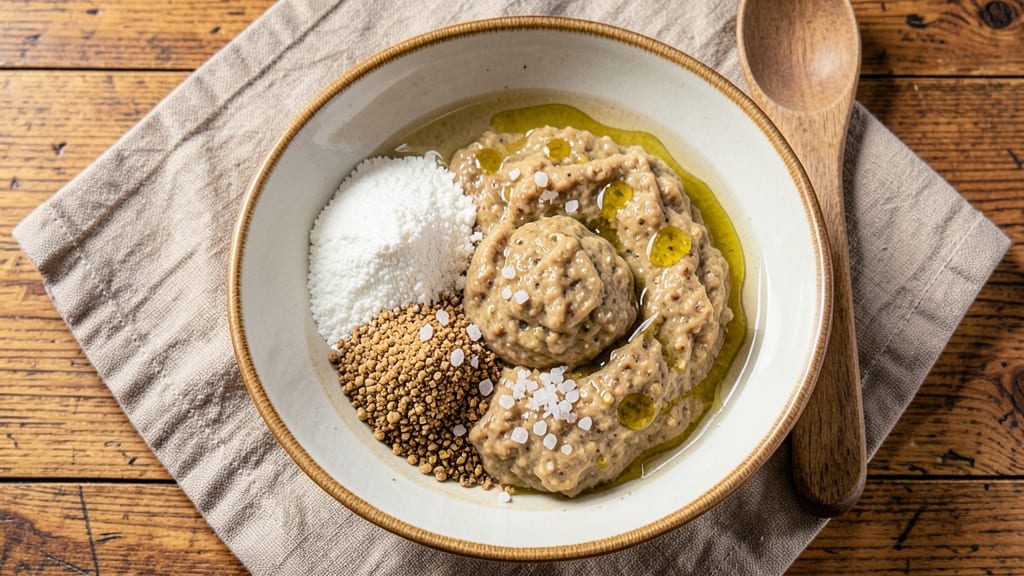
Adding sourdough to bread recipes transforms ordinary loaves into complex, flavorful masterpieces with that signature tang and open crumb structure. The key lies in balancing your active starter with precise hydration and fermentation times—this isn't just about adding flavor, but creating a living ecosystem that develops depth over hours.
I've perfected this method through years of baking, where even small adjustments in starter percentage can mean the difference between dense disappointment and a crusty, airy loaf that rivals artisanal bakeries.
The process begins with proper starter preparation—your levain should be at its peak (50-75% hydration works best) and fed 4-12 hours before using for maximum activity. We'll use a 70% hydration dough with 20% starter by weight, which gives enough tang without overpowering the bread's structure.
The autolyse technique (mixing water and flour first) helps develop gluten while you prepare your starter, making the final kneading effortless. This isn't a quick process, but the results—that perfect oven spring and crisp crust—are worth the patience.
What makes this recipe truly special is how we control the fermentation: bulk fermentation at 72°F for 4-6 hours, followed by a cold proof in the fridge overnight. This slow development builds incredible flavor while allowing the gluten to relax for that signature open crumb.
The baking phase uses steam injection for the first 5 minutes to create that crackling crust, then finishes with dry heat to brown perfectly. Every element works together to give you bread that's technically impressive yet approachable—no professional equipment required.
Whether you're new to sourdough or a seasoned baker, this method delivers consistent, professional-quality results without the guesswork. We'll cover troubleshooting common issues like dense crumb or pale crust, plus variations for different flour types.
Let's create bread that tastes like it belongs in a Parisian bakery, not just your kitchen.
Ingredients for adding sourdough to bread
This is your sourdough-powered bread transformation kit—where science meets art for crumb perfection.
| Ingredient | Amount | Notes |
|---|---|---|
| Active Sourdough Starter 🍞 | ½ cup | Peak activity, 50-75% hydration |
| Bread Flour 🌾 | 3 cups | High-protein for structure |
| Whole Wheat Flour 🌾 | 1 cup | For added nutrition and texture |
| Water 💧 | 2 ¼ cups | Lukewarm, 72°F ideal |
| Kosher Salt 🧂 | ¾ tsp | Diamond Crystal preferred |
| Olive Oil 🫒 | 1 tbsp | Extra-virgin for richness |
| Honey 🍯 | 1 tsp | Optional, for crust browning |
| Cornmeal 🌽 | ¼ cup | For dusting parchment |
| Ice Cubes ❄️ | 4 pieces | For steam injection |
The sourdough starter is non-negotiable—it's the soul of this loaf. King Arthur or Bob's Red Mill flours work best for the high-protein structure, but Caputo Tipo 00 if you want that Italian pan loaf vibe. Your starter should be at its peak (50-75% hydration) and fed 4-12 hours before use—think of it like a tiny, hungry ecosystem ready to work its magic. The water temperature matters too: 72°F is ideal for fermentation, but lukewarm tap water works in a pinch. Pro tip: If your kitchen runs cold, warm the water slightly before mixing. For the flours, King Arthur Bread Flour is my go-to for that perfect balance of structure and flavor, but any high-protein bread flour will do.
No sourdough starter? Instant yeast at 1/4 tsp can substitute in a bind, but you'll lose that signature tang. The whole wheat flour adds depth—swap for spelt flour if you prefer a nuttier profile. Short on olive oil? Melted coconut oil works equally well for the dough's elasticity. The honey is optional but worth it for that golden crust; maple syrup is a great vegan alternative. For the cornmeal, Trader Joe's has the best-priced fine grind—it prevents sticking better than flour alone. And those ice cubes? They're your secret weapon for that crackling crust—drop them in a metal bowl next to your Dutch oven during the first 5 minutes of baking.
This dough is a patient's game—4-6 hours bulk fermentation at room temp, then overnight cold proof in the fridge. The longer it ferments, the more complex the flavor, but don't exceed 12 hours total or you risk overproofing. For storage, the baked loaf keeps 3-4 days at room temp wrapped in a cotton towel, or 1 week in the fridge. Freeze slices for up to 3 months—they toast beautifully. And here's a pro move: Vacuum-seal the dough before cold proofing if you're prepping ahead. It'll stay fresh for 3 days in the fridge, ready to bake whenever you crave that sourdough aroma.
Why You'll Love This Recipe
- No-Knead, No-Fuss Magic: I swear by this method—just toss the starter, flours, and water together, let it rest, and boom. No stand mixer, no overworking the dough, just hands-off time while it develops that perfect tangy depth.
- Tangy Crust, Soft Core: That sourdough starter? It’s the secret weapon—brings a bright, almost buttery richness to every bite. The whole wheat adds a subtle nuttiness that pairs so well with butter or jam.
- Weeknight Workhorse: Make a big batch on Sunday, and you’ve got lunch or dinner covered all week. Toast it, wrap it in a sandwich, or even turn it into croutons—this bread doesn’t quit.
- Budget-Friendly Staple: Flour and salt are cheap, and a little starter goes a long way. Honestly, I’ve made this for months, and it’s never let me down—no fancy ingredients, just reliable, crave-worthy bread.
Step-by-step instructions for crafting sourdough-infused artisan bread
Here's how to transform simple dough into a loaf with that legendary sourdough tang and airy crumb.
Combine Wet Ingredients for Maximum Flavor Development
In a large mixing bowl, whisk together the 0.5 cup active sourdough starter with the 2.25 cups lukewarm water until fully dissolved. This creates the foundation where fermentation will begin its magic. I always use water around 72°F—too cold slows fermentation, too hot kills the yeast activity.
Next, add the 1 tbsp extra-virgin olive oil and 1 tsp honey to the starter mixture. The oil adds richness while the honey provides subtle sweetness that enhances the sourdough's natural tang. Whisk vigorously for 30 seconds until the oil is completely emulsified—you'll see the mixture transform from separate droplets to a silky, unified liquid.
Incorporate Dry Ingredients and Form the Dough
Create a well in the center of the bowl and add the 3 cups bread flour and 1 cup whole wheat flour. Sprinkle the 0.75 tsp kosher salt evenly over the flour mixture. Using a wooden spoon or dough whisk, gradually incorporate the dry ingredients into the wet mixture, stirring from the bottom up.
Once combined, switch to your hands and knead the dough on a lightly floured surface for 8-10 minutes. You're looking for a smooth, elastic dough that springs back when poked. The whole wheat flour adds texture and nutrition but requires slightly more kneading than all-purpose flour. If the dough feels too sticky, add flour 1 tablespoon at a time—but don't overdo it, or you'll compromise the bread's tenderness.
First Fermentation with Steam Injection
Shape the dough into a round boule and place it seam-side up in a lightly oiled bowl. Cover with a damp kitchen towel and let it rise at room temperature for 1.5-2 hours. During this time, the sourdough starter will actively ferment, developing those complex flavors we love.
Here's where the 4 pieces ice cubes come in. About 30 minutes before the dough has fully risen, add the ice cubes to the bowl. As they melt, they'll create steam that helps develop the bread's crust. This technique also creates tiny air pockets that contribute to that signature open crumb structure. The dough should roughly double in size—if it doesn't, it needs more time in a warmer environment.
Shape and Final Proof for Maximum Rise
Turn the dough out onto a lightly floured surface and gently shape it into a tight boule. The tension in the dough's surface creates that beautiful oven spring. Place it seam-side up in a banneton or bowl lined with a floured kitchen towel. Cover and let it proof at room temperature for 2-3 hours, or until it's about 50% larger than when shaped.
For the final proof, I like to place the dough in the refrigerator overnight. This cold fermentation enhances flavor development and makes shaping easier. When ready to bake, let the cold dough sit at room temperature for 1 hour before baking to ensure even heat distribution throughout the loaf.
Bake with Steam for Crispy Crust and Open Crumb
Preheat your oven to 450°F with a Dutch oven inside for 45 minutes. Remove the Dutch oven and carefully transfer the dough to it, seam-side up. Sprinkle the bottom with 0.25 cup cornmeal—this creates that beautiful golden crust we all crave.
Bake covered for 20 minutes, then remove the lid and bake for an additional 20-25 minutes until the bread reaches an internal temperature of 205-210°F. You'll know it's done when it sounds hollow when tapped on the bottom. Let it cool on a wire rack for at least 1 hour before slicing—this prevents a gummy crumb and allows the flavors to fully develop.
Pro Tips For Making Adding Sourdough To Bread
- STRETCH THE WHOLE WHEAT: Whole wheat absorbs water slower—don’t rush the autolyse. Mix the wet ingredients (water, starter, salt) with the bread flour first, then fold in the whole wheat after 20 minutes. This prevents a gummy, underdeveloped crumb.
- WEIGH YOUR STARTER: Use a scale for the starter—100g of active starter (not the whole jar) is what you need. Eyeballing leads to overproofing or weak structure. If your starter’s bubbly but dense, let it rise another hour before using.
- SKIP THE OVERKNEADING: This dough’s whole wheat makes it tough if worked too long. Stop when the windowpane test passes (thin sheet pulls without tearing) and the gluten looks silky, not rubbery. Overmixing = dense, chewy bread.
- USE COLD WATER: Mix the dough with water at 65°F (18°C) or cooler. The whole wheat’s enzymes work faster in warmth, and the starter can overproof before the oven. Cold water gives you time to shape and proof properly—no last-minute panic.
Serving suggestions for adding sourdough to bread
Classic Pairings
Serve your sourdough-infused loaf alongside olive oil and balsamic vinegar for dipping—this Italian classic elevates every bite. I drizzle 2 tbsp extra-virgin olive oil with 1 tsp balsamic glaze (like Balsamic Crema) and let guests dip thick slices.
For a heartier option, pair with whipped goat cheese and sliced pear—the acidity of the sourdough cuts through the creaminess beautifully. 🥖
Breakfast Pairings
Transform your loaf into a breakfast star with scrambled eggs and crispy bacon. Toast thick slices until golden, then top with fluffy eggs and 4 slices of bacon (I love Applegate Naturals for quality).
Add a side of avocado slices for healthy fats that complement the bread's tang. For a sweet twist, try Greek yogurt with honey drizzle and granola—the sourdough's crunch contrasts perfectly with creamy yogurt.
Cheese Board Essentials
Aged cheeses shine with sourdough's acidity. I always include aged Gouda (like Beemster), sharp cheddar, and blue cheese (such as Gorgonzola Dolce). Add cured meats like prosciutto or salami, plus dried apricots or figs for natural sweetness.
The bread's open crumb soaks up cheese oils beautifully—perfect for sharing at gatherings. 🧀
Soup and Sandwich Star
This bread excels as a soup vessel or sandwich base. For soups, try tomato basil soup with a sprinkle of Parmesan cheese—the crust stays sturdy while the crumb softens just enough.
For sandwiches, layer with roasted turkey, avocado, and arugula on mayo mustard for a restaurant-worthy club sandwich. The sourdough's tang balances rich fillings without overpowering them.
Dessert Pairings
Yes, sourdough works for dessert too! Serve with dark chocolate (like 70% Lindt) and raspberry jam for a sweet-savory combo. Or try cinnamon butter—melt 2 tbsp butter with 1 tsp cinnamon and brush warm bread with it.
For a decadent treat, pair with vanilla ice cream and a drizzle of caramel sauce—the crust's crunch contrasts the creamy ice cream perfectly. 🍫
Nutrition facts
Frequently asked questions
How much sourdough starter should I use for a basic bread recipe?
For a standard 3-cup flour recipe, use 20% starter by weight—that's about 0.5 cup for this formula. This gives enough tang without overpowering the bread's structure. If you want more sour flavor, increase to 25-30%, but be prepared for a denser crumb.
Can I substitute commercial yeast for sourdough starter?
Yes, but you'll lose that signature tang! Use 1/4 tsp instant yeast instead of the starter. For a hybrid approach, use 1/8 tsp yeast + 0.25 cup starter to get some sourdough flavor while ensuring proper rise. The bread will be lighter but still delicious.
Why does my sourdough bread turn out dense instead of airy?
Dense bread usually means underproofing or too much starter. First, check your starter's activity—it should float in water before using. Second, extend bulk fermentation by 1-2 hours if your kitchen is cold. Finally, reduce starter to 15% if you're using a very active starter. Patience is key!
How do I know when my sourdough starter is ready to use?
Your starter should be bubbly, slightly domed, and pass the float test: drop a spoonful in water. If it floats, it's ready! For this recipe, aim for 50-75% hydration (loose, pancake-batter consistency). Feed it 4-12 hours before using for peak activity.
Can I make this bread without a Dutch oven?
Use a heavy oven-safe pot with a lid or even a baking sheet. For extra steam, place a metal bowl of boiling water on the oven rack during the first 10 minutes of baking. The crust won't be as crackly, but the crumb will still be excellent.