
Side Dishes
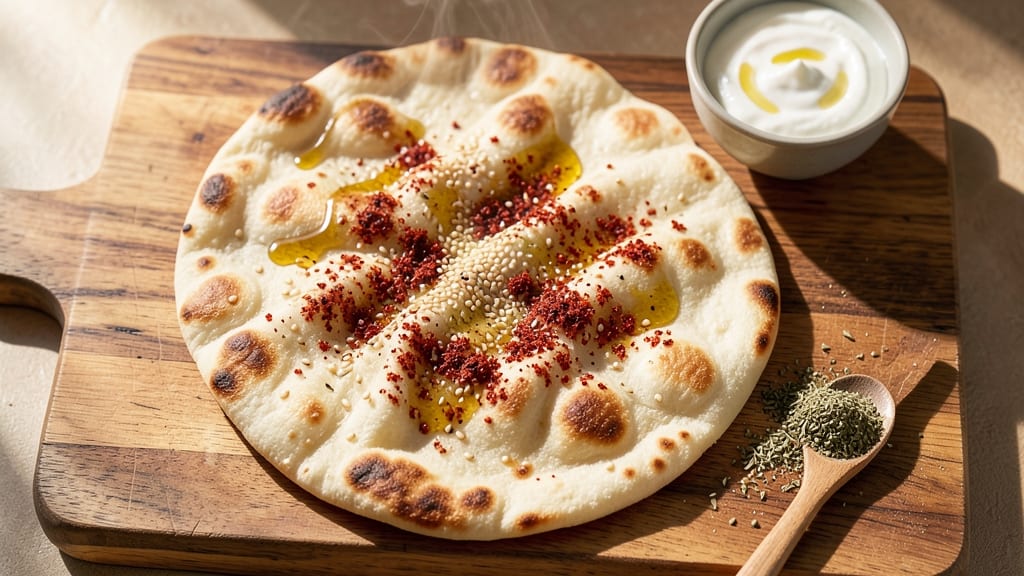
This AIP naan bread recipe delivers all the warmth and pliability of traditional naan without dairy, grains, or nuts—perfect for autoimmune protocol diets. The secret lies in arrowroot starch and coconut yogurt, which create that signature soft, pillowy texture while keeping every bite compliant.
I've perfected this version after multiple test batches, ensuring it holds together during rolling and cooks up with just the right char in a cast-iron skillet.
What sets this apart is the za'atar crunch—a compliant blend of sesame seeds, dried herbs, and salt—that adds Middle Eastern flair without compromising AIP standards. The dough comes together in just 10 minutes of active prep, then rests while you gather your toppings.
For best results, I recommend using a lightly oiled cast-iron skillet to achieve that restaurant-quality blister and softness.
By the time you pull the last piece from the skillet, you'll have fluffy, pliable naan that's sturdy enough to hold curries or lamb shawarma but tender enough to tear by hand.
The za'atar coating adds a subtle earthy aroma and satisfying crunch with every bite—proof that AIP-friendly versions can be just as delicious as traditional recipes. This is the naan I've been searching for during my own dietary journey.
Whether serving alongside a compliant curry or using as a wrap for grilled meats, this recipe proves AIP dining doesn't mean sacrificing texture or flavor. The key is patience during the rolling stage and precise heat control in your skillet. Let's make naan that feels indulgent while staying strictly protocol-compliant.
Ingredients for aip naan bread
Arrowroot, coconut yogurt, and za'atar blend create compliant naan with restaurant-style pliability and crunch.
| Ingredient | Amount | Notes |
|---|---|---|
| Arrowroot Starch 🌾 | 1 ½ cups | Fine powder, sifted for smooth dough |
| Coconut Yogurt 🥛 | 1 cup | Unsweetened, full-fat preferred |
| Coconut Oil 🫒 | ¼ cup | Melted for dough binding |
| Filtered Water 💧 | ½ cup | Room temperature |
| Sea Salt 🧂 | ½ tsp | Fine grain preferred |
| Sesame Seeds 🌻 | ¼ cup | Toasted for za'atar crunch |
| Dried Thyme 🌿 | 1 tbsp | Crumbled for za'atar blend |
| Dried Sumac 🍃 | 1 tbsp | For tangy za'atar flavor |
| Garlic Powder 🧄 | 1 tsp | AIP-compliant blend |
| Olive Oil 🫒 | 2 tbsp | For skillet coating |
| Fresh Cilantro 🌿 | ¼ cup | Chopped, optional garnish |
| AIP-Compliant Sweetener 🍯 | 1 tsp | Optional, like maple syrup |
Arrowroot starch is the backbone here—Bob's Red Mill or Trader Joe's brands work best. Look for fine, sifted powder; clumps create tough dough. Coconut yogurt should be full-fat and unsweetened—So Delicious or Forager brands are AIP staples. Toast your sesame seeds in a dry skillet for 2 minutes before grinding with thyme and sumac—this builds that signature za'atar aroma. The dried sumac can be tricky to find; Middle Eastern markets or Penzeys Spices carry it reliably. For the garlic powder, check labels—some blends contain onion powder, which isn't AIP-compliant.
No sesame seeds? Toasted sunflower seeds work as a neutral crunch alternative, though they lack za'atar's depth. Short on sumac? Dried lemon peel at half the amount adds citrus brightness. The coconut oil can be swapped for avocado oil, but coconut's mild flavor complements the yogurt better. For extra tenderness, let the dough rest 30 minutes before rolling—this relaxes the starch molecules. The olive oil for cooking should be lightly flavored like Certified Pure brands; avoid extra-virgin, which burns too easily. Fresh cilantro is optional but brightens the za'atar's earthiness—use organic if possible to avoid pesticides.
This dough keeps 3 days wrapped in parchment in the fridge, or 3 months frozen between parchment sheets. For best texture, cook naan immediately after rolling—it loses pliability as it sits. Reheat in a dry skillet over medium heat for 30 seconds per side. The za'atar coating stays crisp for 24 hours if stored in an airtight container. Portion dough into 8 equal pieces before rolling to ensure consistent thickness—each should be about 1/8-inch thick for perfect char and softness.
Why You'll Love This Recipe
- No-Fuss Dough: I mix this in a bowl—no kneading, no waiting for gluten to develop. Arrowroot starch keeps it light, and coconut yogurt gives just the right tang without fuss.
- Creamy Edge, Crispy Bite: That golden crust with a soft, pillowy center? The coconut oil and salt work magic every time. Honestly, it’s the kind of naan that makes you reach for seconds.
- Weeknight Hero: Perfect with curries, soups, or just as a snack—no one will guess it’s AIP. I keep a batch in the fridge for lazy days when I need something fast and satisfying.
- Budget-Friendly Staple: A few dollars’ worth of ingredients stretches far, and leftovers reheat beautifully. Between us, this is my go-to when I’m tired of pricier bread options.
Step-by-step instructions for AIP naan bread
Here's how to make perfectly fluffy, dairy-free naan that holds its shape and delivers authentic za'atar flavor.
Create the Za'atar Seasoning Blend
In a small bowl, combine the 1 tablespoon dried thyme, 1 tablespoon dried sumac, 1 teaspoon garlic powder, and 0.25 cup sesame seeds. Crush the sesame seeds lightly with your fingers to release their nutty oils—this enhances their flavor and creates that signature za'atar crunch. Set aside; you'll use this blend both in the dough and as a finishing touch.
The sumac adds a bright, lemony tang that cuts through the richness of the coconut oil, while the thyme brings earthy depth. This blend is what makes these naans taste authentically Middle Eastern without any dairy or gluten. Keep it handy as you'll need it in the next step.
Mix the Dough Ingredients
In a medium mixing bowl, whisk together the 1.5 cups arrowroot starch, 0.5 teaspoon sea salt, and 1 teaspoon AIP-compliant sweetener (if using). This dry base forms the structural foundation of your naan. In a separate bowl, combine the 1 cup coconut yogurt, 0.25 cup melted coconut oil, and 0.5 cup room-temperature filtered water. Whisk until smooth—this creates your wet mixture.
Gradually pour the wet ingredients into the dry ingredients while stirring with a silicone spatula. The dough will be thick and slightly sticky, similar to hummus consistency. This is normal—arrowroot starch creates a different texture than wheat flour. Add 2 tablespoons of the za'atar blend to the dough and mix until evenly distributed throughout.
Rest the Dough for Optimal Texture
Cover the mixing bowl with plastic wrap and let the dough rest at room temperature for 30 minutes. This resting period allows the arrowroot starch to fully hydrate and develop its binding properties. The dough won't rise like traditional yeasted naan, but it will become more pliable and easier to handle.
Here's the thing—arrowroot starch behaves differently than wheat flour. The resting time prevents the dough from becoming too dense when you cook it. After 30 minutes, the dough should be soft enough to press gently without sticking to your fingers. If it's still too stiff, let it rest another 10 minutes.
Cook the Naan in a Hot Skillet
Heat a clean skillet over medium-high heat until it's very hot—you should see a slight shimmer when you hold your hand about 2 inches above it. Add 1 tablespoon olive oil and swirl to coat the entire surface. Working with one portion at a time, take about ¼ of the dough and press it gently into a 6-inch round using your palms.
Place the pressed dough in the hot skillet. Cook for 1-2 minutes per side until golden brown spots appear and the edges begin to crisp. The center should still appear slightly undercooked—this is crucial for maintaining moisture. Real talk: don't press too hard when shaping or the naan will spread too thin. You want about ¼-inch thickness for that perfect balance of crispy exterior and tender interior.
Finish and Serve Warm
Remove the cooked naan from the skillet and place it on a clean kitchen towel. Immediately brush the top with a little more olive oil (about ½ teaspoon per naan) and sprinkle with the remaining za'atar blend. The oil helps create a glossy finish while the za'atar adds that signature crunch and flavor.
Serve the naan immediately while still warm and pliable. Each piece should be soft and slightly chewy with a crispy edge, and that za'atar flavor should be prominent in every bite. For best results, make fresh naan as you need them—these don't reheat well. Pair with curries, soups, or enjoy plain with a side of fresh cilantro for a bright contrast.
Pro Tips For Making Aip Naan Bread
- STIR COLD YOGURT FIRST: Mix the coconut yogurt with the arrowroot starch and filtered water before adding the coconut oil—this prevents clumping like I used to get when tossing everything in at once. The dough should be thick but pliable, not sticky or dry. If it’s too loose, add a splash more arrowroot; if too stiff, a teaspoon of warm water helps.
- PRESS THIN AND EVEN: Roll the dough to about ¼-inch thickness—too thick and it’ll stay dense; too thin and it burns before cooking through. Use a rolling pin with light pressure, rotating the dough as you go, and avoid pressing down in one spot. I learned this the hard way when my first batch turned out like a pancake in the middle.
- USE A DRY SKILLET: Heat your skillet or griddle completely dry before adding coconut oil—moisture in the pan causes the naan to steam instead of crisp. Once hot, add just enough oil to coat the bottom (about 1 tablespoon per batch), then swirl to spread evenly. No need to overdo it; the naan should sizzle, not swim.
- LET IT REST BETWEEN BATCHES: Give the skillet a full 30 seconds to recover between batches—crowding it steams the bread instead of searing it. I used to rush this, and the second batch always came out soggy. Keep the heat medium-high and work in small batches if needed. Your future self will notice the difference in texture.
Make-ahead tips for this aip naan bread
Dough Prep Ahead
Mix your dough up to 3 days in advance and store it wrapped tightly in parchment paper in the fridge. The arrowroot starch continues to hydrate slowly, making the dough even more pliable when you're ready to cook.
I like to portion it into 8 equal balls (about 2 ounces each) before storing—this saves time during cooking. Just let the dough sit at room temperature for 15 minutes before rolling to bring it back to a workable consistency. 💡
Freezer-Friendly Dough
For longer storage, freeze the dough balls between sheets of parchment paper in a single layer. Once frozen, transfer them to a ziplock bag and flatten slightly to save space. Thaw overnight in the fridge—never at room temperature—to prevent moisture buildup.
I've kept dough frozen for 3 months with no texture loss, though the za'atar flavor remains brightest when used within 2 months. 🧊
Pre-Rolled Naan
Roll out your naan dough ahead of time and store it between layers of parchment paper in the fridge. Cook within 24 hours for best results—they lose some pliability as they sit. I recommend rolling them to ¼-inch thickness and stacking with parchment between each piece.
When ready to cook, simply place them in the hot skillet without needing to re-roll. This works perfectly for meal prep Sundays! ⏰
Za'atar Pre-Mix
Make a big batch of za'atar blend and store it in an airtight container for up to 2 weeks. This saves time and ensures consistent flavor in every batch of naan. Toast the sesame seeds and grind them with the dried herbs right before storing—this preserves their freshness.
I keep mine in a small amber glass jar away from light to maintain its vibrant color and aroma. 🌿
Cooking in Bulk
Cook multiple naans at once by using two skillets or a griddle. Heat both to medium-high and cook two pieces simultaneously for efficiency. Keep the finished naans warm in a 200°F oven while you cook the rest—this prevents them from drying out. I find this method cuts prep time in half when serving a crowd. Just
Reheating Tips
While fresh is best, you can reheat naan in a dry skillet over medium heat for 30 seconds per side to restore some pliability. For extra moisture, brush with a tiny bit of olive oil before reheating. Microwaving works in a pinch (use 10-second intervals covered with a damp paper towel), but it loses that perfect skillet char. Store reheated naan in an airtight container for up to 2 days. ✨
Nutrition facts
Frequently asked questions
Can I make this AIP naan without sesame seeds?
If you're avoiding sesame, swap the sesame seeds for toasted sunflower seeds or ground flaxseeds in the za'atar blend. The texture will be slightly different but still provide that satisfying crunch. Just reduce the amount by 1 tablespoon to maintain balance in the flavor profile.
Why does my AIP naan dough feel too dry or crumbly?
Arrowroot starch absorbs moisture differently than wheat flour, so the dough should be thick and slightly sticky—not dry. If it's crumbly, add 1 tablespoon filtered water at a time until it holds together when pressed gently. Let it rest for an extra 10 minutes covered to help the starch hydrate fully.
How do I prevent my naan from sticking to the skillet?
Ensure your skillet is very hot before adding oil and dough—this creates a non-stick surface. Use olive oil (not butter or ghee) and swirl it evenly. If sticking occurs, your skillet may not be hot enough; wait 1 minute longer before adding the dough. A well-seasoned cast-iron skillet works best for this recipe.
Can I make this recipe without coconut yogurt?
Yes! Use dairy-free plain yogurt made from coconut milk or fermented coconut cream as a 1:1 substitute. Avoid soy or almond yogurts—they can alter the texture. For a tangier flavor, add ½ teaspoon apple cider vinegar to the wet ingredients.
What's the best way to store leftover AIP naan?
Store cooked naan in an airtight container at room temperature for 2 days or freeze for 1 month. To reheat, warm in a dry skillet over medium heat for 30 seconds per side—this restores some pliability. Avoid microwaving, as it makes the naan rubbery.