
Side Dishes
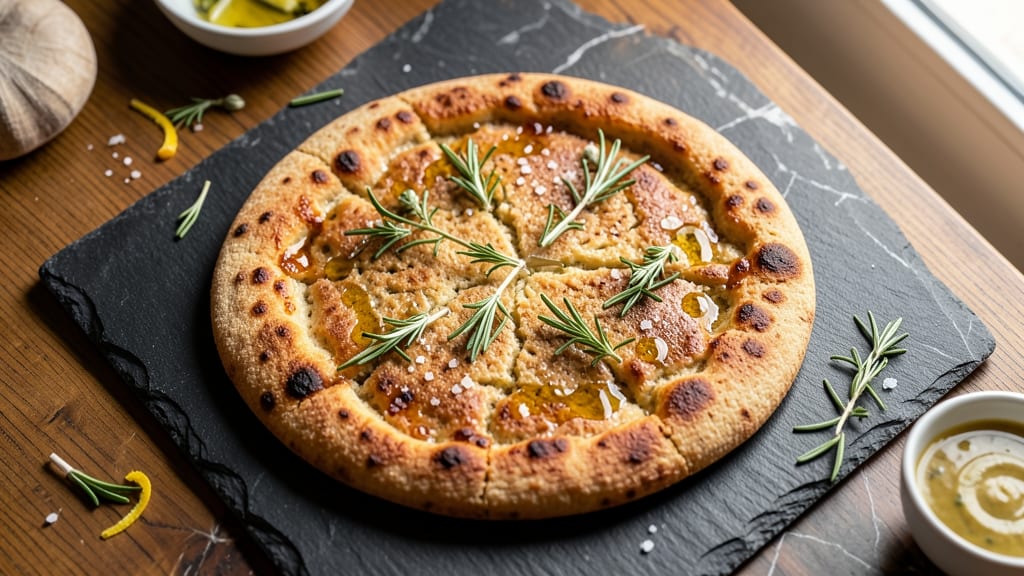
This almond flour flatbread bread recipe delivers crispy-crunchy edges and a tender interior—all while being completely gluten-free and vegan. The secret lies in balancing hydration and almond flour properties, creating a bread that's sturdy enough to hold toppings but delicate enough to melt in your mouth.
I developed this after years of perfecting grain-free baking, and it's become a staple in my kitchen for everything from dipping to sandwich bases.
The beauty of this recipe is its gluten-free flexibility—it works as a standalone side, a wrap, or even a pizza crust. The dough comes together in minutes with just five ingredients: almond flour, psyllium husk powder (for structure), water, olive oil, and a pinch of salt.
No yeast, no waiting hours—just a 15-minute prep followed by 10 minutes in the oven for golden, crispy perfection.
What makes this flatbread truly special is how it transforms with optional flavor variations. Add fresh herbs like rosemary or thyme for an aromatic twist, or sprinkle garlic powder and seeds before baking for extra texture.
The result? A versatile, crispy bread that pairs beautifully with soups, stews, or even as a base for flatbread pizzas.
Perfect for those with dietary restrictions or anyone craving a lighter, nuttier alternative to traditional bread. The recipe scales easily, so you can make a batch for the week and enjoy fresh, warm flatbread anytime. Let's get started!
Ingredients for almond flour flatbread bread
Five core ingredients plus optional toppings for crispy, gluten-free perfection.
| Ingredient | Amount | Notes |
|---|---|---|
| Almond Flour 🌰 | 2 cups | Finely ground, blanched preferred |
| Psyllium Husk Powder 🌿 | 2 tbsp | Key for structure and binding |
| Extra-Virgin Olive Oil 🫒 | ¼ cup | High-quality, fruity variety |
| Water 💧 | ½ cup | Room temperature preferred |
| Sea Salt 🧂 | ½ tsp | Fine grain preferred |
| Fresh Rosemary 🌿 | ¼ cup | Chopped, optional for aroma |
| Garlic Powder 🧄 | 1 tsp | For savory depth |
| Sesame Seeds 🌾 | 1 tbsp | Toasted for extra crunch |
Almond flour is the star here—Bob's Red Mill or Anthony's Goods are my go-tos for consistency. The psyllium husk powder is non-negotiable; it's what gives this flatbread its sturdy structure without gluten. I always buy mine from Trader Joe's or Amazon—just make sure it's labeled 'husk powder' and not 'husk' alone. The olive oil should be extra-virgin, not just 'light'—it makes a noticeable difference in flavor. Fresh rosemary is ideal, but dried at half the amount works in a pinch. Toast your sesame seeds in a dry pan for 30 seconds—they'll be so much crunchier.
No almond flour? Sunflower seed flour or oat flour can stretch it, but texture will differ. Short on psyllium husk? Ground flaxseed at 1.5 times the amount adds fiber but won't bind as well. The water should be room temperature—cold water makes the dough tough. For extra flavor, swap rosemary for thyme or basil. Want more crunch? Add poppy seeds or crushed nuts to the sesame mix. The garlic powder can be replaced with fresh minced garlic if you're feeling fancy, but it'll add moisture to the dough.
This dough keeps for 3 days in the fridge wrapped tightly in plastic. For longer storage, shape and freeze the flatbreads on a tray before transferring to a bag—3 months of fresh-tasting results. Reheat in a toaster or oven for 3-5 minutes until crispy again. The flatbreads are best made fresh, but the dough can be prepped ahead and baked later. If you make extras, freeze them—perfect for quick meals all week.
Why You'll Love This Recipe
- Four-Ingredient Magic: I swear, this is the closest I’ve gotten to a no-fail flatbread—just almond flour, psyllium husk, olive oil, and water. No yeast, no kneading, no waiting around. The psyllium husk does all the heavy lifting, binding it together like a dream.
- Nutty Crispy Perfection: That golden, crackly crust with a soft center? It’s the olive oil and almond flour working their magic. Toss in a pinch of salt, and suddenly you’ve got a bread that tastes like a fancy bakery’s secret—without the fuss.
- Meal Prep MVP: Between us, this is my go-to for lunches, charcuterie boards, or even a quick snack. It reheats in seconds (or eats cold just fine) and keeps for days in the fridge. Pack a few in your bag, and you’re golden.
- Budget-Friendly Flexibility: Almond flour might sound pricey, but a little goes a long way here. Plus, you can stretch this into wraps, dippers, or even a crust for soups. Honestly, it’s the kind of recipe that makes ingredients feel like they’re working harder for you.
Step-by-step instructions for almond flour flatbread
Here's how to create a perfectly crispy, gluten-free flatbread with a satisfying crunch and tender center.
Mix Dry Ingredients for Optimal Texture
In a large mixing bowl, combine the 2 cups almond flour and 2 tablespoons psyllium husk powder. The psyllium is crucial here—it acts as a natural binder and gives the flatbread its signature structure. Use a whisk to break up any clumps in the almond flour, ensuring an even distribution throughout the mixture.
Next, add the 1 teaspoon garlic powder and 0.5 teaspoon sea salt. Sprinkle the 0.25 cup chopped fresh rosemary over the top and gently fold it in. The rosemary adds an aromatic depth that pairs beautifully with the nutty almond flavor. If you prefer a more intense rosemary taste, you can finely chop an extra 0.125 cup and add it, but stick to the original amount for a balanced flavor profile.
Incorporate Wet Ingredients for a Cohesive Dough
Create a well in the center of your dry mixture and pour in the 0.25 cup extra-virgin olive oil. Using a fork or your fingers, gradually incorporate the oil into the dry ingredients until you have a crumbly texture. This step is where the magic begins—the oil helps bind the almond flour while adding richness.
Slowly add the 0.5 cup room-temperature water while mixing with your hands or a wooden spoon. The dough will start to come together, but don't be tempted to overwork it. Once fully combined, the mixture should hold together when pressed but still feel slightly crumbly. This is the perfect consistency for our flatbread—it should be firm enough to shape but not sticky.
Divide, Shape, and Rest for Even Cooking
Transfer the dough to a clean, lightly floured surface and divide it into 4 equal portions (about 2 ounces each). Gently flatten each portion into a 6-inch round by pressing down with your palms. The key here is even thickness—aim for about ¼-inch throughout. If the dough feels too dry to shape, lightly dampen your hands to prevent sticking.
Place the shaped flatbreads on a parchment-lined baking sheet and cover them with a clean kitchen towel. Let them rest for 15 minutes at room temperature. This resting period allows the psyllium to fully hydrate and the dough to relax, preventing cracking during cooking. While they rest, preheat your oven to 375°F for even baking.
Toast Sesame Seeds for Extra Crunch
While the oven preheats, toast the 1 tablespoon sesame seeds in a dry skillet over medium heat for 2-3 minutes, stirring constantly until they turn a rich golden brown and release their nutty aroma. Remove from heat immediately to prevent burning, then transfer to a small bowl to cool slightly. These toasted seeds will add a delightful crunch to our flatbread.
Bake Until Golden and Crispy
Carefully transfer one flatbread to a baking sheet lined with parchment paper. Sprinkle about 0.25 tablespoon of the toasted sesame seeds evenly over the top. Bake for 12-15 minutes until the edges are deep golden brown and the center feels firm to the touch. The flatbread should have a crisp exterior with a slightly softer, chewy interior—this is what makes it so satisfying.
Remove from the oven and let cool for 2 minutes before transferring to a wire rack. Repeat with the remaining flatbreads, sprinkling each with sesame seeds before baking. Serve warm with your favorite dips, such as hummus or garlic aioli, or use them as a base for sandwiches. The contrast between the crispy exterior and tender interior is what makes this gluten-free flatbread truly special.
Pro Tips For Making Almond Flour Flatbread Bread
- Mix the Psyllium Last: The psyllium husk powder is your flatbread’s glue—add it after combining the almond flour, oil, and water. Stirring it in first makes a gummy mess that’s impossible to work with. I learned this the hard way when my first batch turned into a sticky, unshapeable blob.
- Preheat Your Pan Like It’s 1985: This isn’t a delicate crepe—your skillet needs to be scorching before the dough hits it. I mean full-on smoke-testing heat (medium-high to high). The first 30 seconds of sizzle seal the crust; if you’re gentle, you’ll end up with a sad, dense pancake instead of a crisp flatbread.
- Skip the Overmixing: Once you fold in the psyllium, stop stirring the second the dough holds together. Overworking it develops gluten (which almond flour lacks), and you’ll end up with a tough, chewy brick. A quick 10-second mix is all you need—your dough should look shaggy, not smooth.
- Use Room-Temp Water: Cold water makes the psyllium husk powder sluggish, and your dough will fight you every step. Warm it to about 85°F (just off-boiling, then cooled) so the husk activates instantly. I was skeptical until I tried it—now my flatbreads puff up reliably, even when I’m in a rush.
Pro cooking tips for perfect results
Psyllium Husk Magic
The psyllium husk powder is the game-changer in this recipe—it replaces gluten's binding properties while keeping the flatbread sturdy. I always measure it precisely with a small kitchen scale (psyllium is lightweight, and too much makes the dough gummy).
For best results, mix the psyllium with the almond flour first, then add liquids gradually. This prevents clumping and ensures even distribution throughout the dough. 🌿
Oil vs. Water Balance
Too much olive oil makes the flatbread greasy, while too little water creates a dry, crumbly texture. I recommend using room-temperature water—cold water tightens gluten-free doughs, making them tough. If your dough feels too sticky after adding water, sprinkle 1 tablespoon more almond flour and knead gently.
For extra richness, replace 1 tablespoon water with 1 tablespoon unsweetened almond milk—it adds subtle sweetness.
Resting Prevents Cracks
Skipping the 15-minute rest is a common mistake—it causes flatbreads to crack or puff unevenly. Cover the dough with a damp towel during resting to maintain moisture. If your kitchen is dry, place the baking sheet in a sealed container with a damp paper towel for 10 minutes before shaping.
This trick works wonders in arid climates. Pro tip: Use a bench scraper to divide the dough cleanly for perfect rounds.
Even Thickness = Perfect Crisp
Uneven thickness leads to some parts burning while others stay raw. Press the dough with your palms (not fingers) for even pressure—finger indentations create weak spots. For extra crispiness, roll the shaped flatbreads in extra almond flour before baking.
I like to use a rolling pin for the final flattening, but if you prefer, press with a heavy glass bottle for a rustic look. Aim for ¼-inch thickness throughout.
High Heat for Crispy Edges
Bake at 375°F for that perfect golden crust—any lower, and the edges won't crisp properly. For extra crunch, place the baking sheet on the middle rack where heat is most even. If your oven runs hot, reduce to 350°F and check at 10 minutes.
The flatbread is done when it sounds hollow when tapped. For a wood-fired effect, broil for 1-2 minutes at the end (watch closely!).
Flavor Layering Tricks
Want deeper flavor? Add 1 teaspoon smoked paprika to the dry mix for a subtle smokiness. For a Mediterranean twist, sprinkle 1 tablespoon dried oregano and ½ teaspoon red pepper flakes before baking.
I love finishing with a drizzle of melted olive oil and flaky sea salt right after baking—it elevates the dish instantly. Save any leftover sesame seeds for garnishing future batches! 🌟
Nutrition facts
Frequently asked questions
Why does my almond flour flatbread turn out too dry or crumbly?
The most likely cause is insufficient hydration or overmixing the dough. Almond flour absorbs moisture differently than wheat flour—always use room-temperature water and measure carefully. If your dough feels too dry, add 1 tablespoon more water and mix gently. For extra moisture, replace 1 tablespoon water with 1 tablespoon unsweetened almond milk. Also, avoid overworking the dough—just combine until it holds together when pressed.
Can I make this flatbread without psyllium husk powder?
Yes, but the texture will be less sturdy. Replace the 2 tablespoons psyllium husk with 3 tablespoons ground flaxseed—it adds fiber but won't bind as effectively. For best results, also increase the water by 1 tablespoon to compensate. The flatbread will be more delicate, so handle it gently when shaping. If you're avoiding seeds entirely, try 1 tablespoon chia seeds mixed with 2 tablespoons water (let it gel for 5 minutes first).
How do I store leftover almond flour flatbread?
For short-term storage, keep flatbreads in an airtight container at room temperature for up to 2 days. To extend freshness, freeze them between parchment paper for up to 3 months. Thaw at room temperature or reheat directly in a toaster for 2-3 minutes until crispy again. For extra crunch, sprinkle with sesame seeds before reheating. The texture softens slightly after freezing but recovers well with proper reheating.
What's the best way to use these flatbreads beyond dipping?
These versatile flatbreads work beautifully as pizza crusts—top with sauce, cheese, and toppings, then bake at 400°F for 8-10 minutes. They also make excellent taco shells or sandwich wraps for hearty fillings like grilled chicken or falafel. For a sweet twist, brush with honey and sprinkle with cinnamon before baking. The sturdy yet tender texture holds up well to both savory and sweet applications.
Why do my flatbreads crack during baking?
Cracking usually happens when the dough hasn't rested long enough or when there's uneven moisture distribution. Always let the shaped flatbreads rest for the full 15 minutes covered with a damp towel before baking. If your kitchen is dry, place the baking sheet in a sealed container with a damp paper towel for 10 minutes before shaping. Also, ensure even thickness when flattening—press with your palms (not fingers) for consistent pressure. For extra insurance, chill the shaped flatbreads for 10 minutes in the fridge before baking.