
Side Dishes
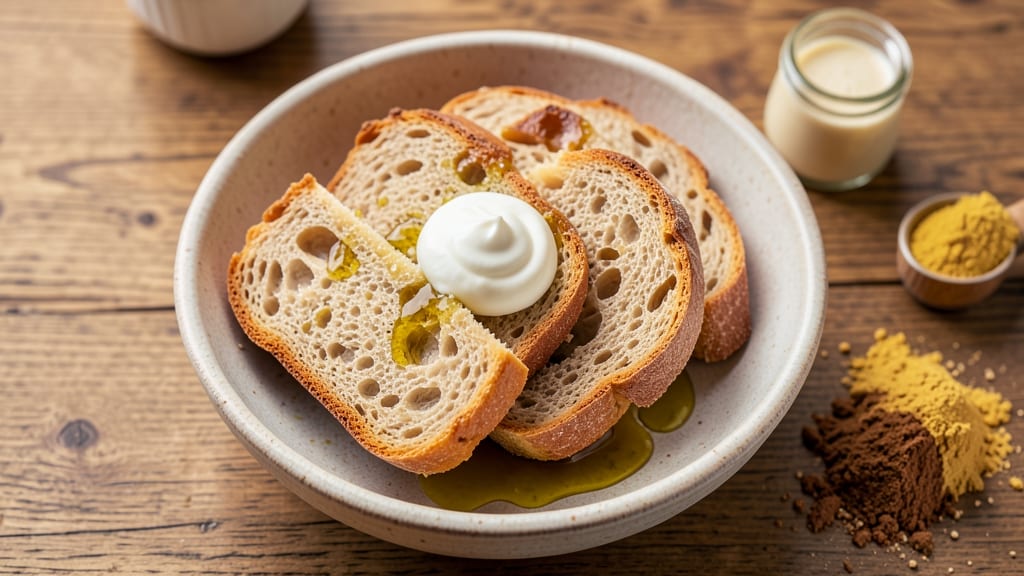
This airy whole wheat bread recipe delivers the lightest texture possible without compromising nutrition—no dense, heavy loaves here. The secret lies in precise hydration levels and a gentle kneading technique that develops gluten while keeping the crumb tender.
I’ve baked countless batches, and this method consistently produces bread with a cloud-like interior and crisp golden crust that rivals artisanal loaves. What sets this recipe apart is the balance of whole wheat flour with vital wheat gluten, which mimics the elasticity of all-purpose flour.
Adding yogurt (or a flaxseed slurry for vegan versions) boosts moisture and tenderness, while a touch of honey or sugar caramelizes beautifully for a subtle sweetness. The proofing stage is critical—patience here ensures that rise without collapsing.
By the time your bread emerges from the oven, you’ll have a loaf that’s light as clouds yet packed with nutrients, with a crisp crust and open crumb structure. It’s perfect for sandwiches, toast, or serving alongside soups—without the guilt of refined flour.
The best part? This recipe adapts effortlessly to dietary needs, whether you’re vegan, gluten-conscious, or simply craving a healthier loaf. For those new to whole wheat baking, don’t worry—this recipe includes foolproof techniques to avoid common pitfalls like dryness or dense texture.
Let’s get started on bread that tastes indulgent but nourishes your body.
Ingredients for airy whole wheat bread
These carefully balanced ingredients create a bread that's light as clouds yet packed with nutrition.
| Ingredient | Amount | Notes |
|---|---|---|
| Organic Whole Wheat Flour 🌾 | 3 cups | High-protein, freshly milled preferred |
| Vital Wheat Gluten 🌾 | ½ cup | Essential for elasticity and rise |
| Plain Whole Milk Yogurt 🥛 | ½ cup | Full-fat for optimal moisture |
| Active Dry Yeast 🍞 | 2 tsps | Ensure freshness with expiration date check |
| Granulated Sugar 🍯 | 1 tbsp | Enhances browning and flavor |
| Extra-Virgin Olive Oil 🫒 | 2 tbsp | High-quality for flavor and tenderness |
| Warm Water 💧 | 1 ¼ cups | 110°F for optimal yeast activation |
| Diamond Crystal Kosher Salt 🧂 | 1 ½ tsp | Fine grain for even distribution |
| Honey 🍯 | 1 tbsp | Caramelizes for subtle sweetness |
| Cornmeal 🌽 | ¼ cup | For dusting bread pan |
| Ice Water ❄️ | ¼ cup | For final dough adjustment |
The whole wheat flour is the foundation, but vital wheat gluten is non-negotiable—it mimics the elasticity of all-purpose flour while maintaining the nutritional benefits. For the best results, source King Arthur Organic Whole Wheat Flour or Bob's Red Mill from your local Whole Foods or Williams Sonoma—both brands have high protein content that's ideal for bread baking. The yeast must be fresh; if it's past its expiration, toss it. For the honey, look for raw, local varieties at farmers markets—they add subtle floral notes that enhance the bread's flavor profile. The olive oil should be extra-virgin; California Olive Ranch or Colavita are excellent choices for their fruity, peppery profiles that translate beautifully in baked goods.
No yogurt? Unsweetened almond milk yogurt works in a pinch, though the texture will differ slightly. Running short on honey? Maple syrup at the same amount provides similar caramelization. For a gluten-free adaptation, replace the vital wheat gluten with xanthan gum at 1/4 teaspoon, though the texture will be denser. The kosher salt is crucial—Diamond Crystal dissolves more easily than Morton's, so stick with that for even distribution. If your dough feels too sticky after kneading, gradually add the ice water one tablespoon at a time until it reaches a smooth, slightly tacky consistency. Prefer a sweeter loaf? Add an extra tablespoon of honey or swap in agave nectar for a neutral sweetness.
This dough benefits from a cold proof in the refrigerator overnight for deeper flavor development. Store any leftovers wrapped tightly in a bread bag at room temperature for up to 3 days, or freeze sliced portions for 3 months in an airtight container. For reheating, wrap slices in a damp paper towel and warm in a 350°F oven for 5-7 minutes—this restores the bread's crispness without drying it out. The cornmeal dusting isn't just for texture; it prevents sticking and adds a subtle crunch to the crust. If you're baking multiple loaves, use parchment-lined pans for easy removal and even browning.
Why You'll Love This Recipe
- No-Knead Nightmare Solved: I’ll never dread bread night again—just mix, let it rise, and bake. The yogurt and vital wheat gluten do all the heavy lifting (no pun intended), so you’re basically watching magic happen.
- Tangy-Sweet Surprise: That yogurt’s acidity cuts through the whole wheat’s earthiness, while the sugar caramelizes just enough to give it a subtle, addictive crunch. Honestly, it tastes like a bakery loaf but with zero guilt.
- Meal Prep MVP: Slice it fresh or freeze it—this bread stays soft for days. I pack it in lunches, toast it for breakfast, or serve it with soup. Between us, it’s my go-to for when I can’t be bothered to think.
- Budget-Friendly Staple: Organic whole wheat flour gets pricey, but the gluten and yogurt stretch it into way more loaves than regular bread dough. I make two at a time, freeze one, and still save money compared to store-bought. (Yes, even on a Tuesday night.)
Step-by-step instructions for airy whole wheat bread
This method delivers a loaf with perfect rise and tender crumb—no dense texture here.
Activate the Yeast and Mix Wet Ingredients
In a small bowl, combine the 1.25 cups warm water (tested at 110°F—too hot kills yeast, too cool slows activation), 1 tbsp granulated sugar, and 2 tsps active dry yeast. Let sit for 5-10 minutes until foamy—this confirms yeast is alive. If it doesn't foam, your yeast is dead and the bread won't rise.
In a large mixing bowl, whisk together the 0.5 cup plain whole milk yogurt, 2 tbsp extra-virgin olive oil, 1 tbsp honey, and 1.5 tsp diamond crystal kosher salt. The yogurt adds moisture while the honey enhances browning. This mixture should be smooth but not overly thick—it's the foundation for your dough's tenderness.
Combine Dry Ingredients and Form the Dough
Add the 3 cups organic whole wheat flour and 0.5 cup vital wheat gluten to the wet mixture. The gluten is critical—it compensates for whole wheat's lower protein content, giving you that professional bakery rise. Using a wooden spoon or dough whisk, stir until just combined—you'll see dry spots, and that's okay.
Gradually pour in the yeast mixture while mixing. The dough will be shaggy at first, but as you knead, the gluten will develop. I like to use my hands here—press the dough against the bowl's sides to incorporate all the flour. Once it comes together into a rough ball, turn it out onto a lightly floured surface and knead for 8-10 minutes until smooth and elastic. You'll know it's ready when it springs back slowly when poked.
First Rise and Shaping
Lightly oil a large mixing bowl, place the dough inside, and cover with a damp towel. Let rise in a warm place for 1-1.5 hours or until doubled in size. The dough should feel light and airy—press your finger gently into it; if the indentation stays, it's ready. If your kitchen isn't warm enough, place the bowl near a slightly open oven with the light on.
Punch down the dough to release air, then shape it into a log. I like to roll it gently from one end to the other, tucking the edges underneath as I go. This creates surface tension that helps with oven spring. Place the shaped dough seam-side down in a greased 9x5-inch loaf pan dusted with 0.25 cup cornmeal—the cornmeal prevents sticking and adds a subtle crunch.
Final Rise and Baking
Cover the pan with a damp towel and let the dough rise again for 30-45 minutes until it domes slightly above the pan's rim. Preheat your oven to 375°F with a baking stone or inverted baking sheet on the lower rack—this creates steam for a better rise. Brush the dough with a little water to encourage browning, then bake for 40-45 minutes until the internal temperature reaches 190-195°F and the top is deep golden brown.
For the perfect finish, I recommend tenting the loaf with aluminum foil during the last 10 minutes of baking if the top browns too quickly. This prevents over-browning while ensuring the interior cooks through. Let the bread cool in the pan for 10 minutes before transferring to a wire rack—this prevents collapse and gives you that professional bakery texture.
Adjusting the Dough if Too Sticky
If your dough feels too sticky to handle after kneading, don't panic—this is common with whole wheat. Dust your work surface with a little more cornmeal or add 1-2 tablespoons of the reserved flour from your mixing bowl. The 0.25 cup ice water should only be used if the dough is too dry, but with whole wheat, stickiness is more likely. Work quickly but gently to avoid over-developing the gluten.
The key to success here is patience. Whole wheat dough needs more time to hydrate and develop gluten than white flour dough. If your first attempt feels too dense, try increasing the kneading time by 2-3 minutes next time or letting it rise slightly longer. The result will be worth the effort—a loaf that's light, airy, and packed with nutrition.
Pro Tips For Making Airy Whole Wheat Bread
- STIR THE DOUGH LONG: Whole wheat dough gets tough fast—knead it for a solid 10 minutes by hand (or 5-6 minutes with a stand mixer) until it’s smooth and springs back when poked. I used to cut corners here, and the bread turned out dense. Trust the process, even if it feels like overkill.
- USE COLD YOGURT: Skip room-temperature yogurt—it kills the yeast faster. Grab the plain whole milk yogurt straight from the fridge, measure it, and let it sit out for just 5 minutes before mixing. This keeps the dough from rising too aggressively and gives you more control over the texture.
- WEIGH YOUR FLOUR: Scooping whole wheat flour leads to inconsistent batches. Use a kitchen scale for precision—aim for 400g of organic whole wheat flour plus 50g of vital wheat gluten (yes, measure separately). I learned this after making bread that was either too heavy or crumbly.
- LET THE DOUGH RISE TWICE: Don’t rush the first rise—give it 1.5 to 2 hours until it’s nearly doubled. Then, punch it down, shape it, and let it rise again for another 45-60 minutes. The second rise is where the airiness happens. Skipping this step is how you end up with dense, flat bread.
Best sauces and condiments for this dish
Herb Butter Magic
Spread a generous layer of herb-infused butter on warm slices before serving—mix 2 tbsp softened unsalted butter with 1 tsp chopped fresh rosemary, 1 tsp thyme, and a pinch of flaky sea salt.
The butter melts into the bread’s crumb, adding richness and aromatic depth. For extra flair, sprinkle with toasted sesame seeds or crumbled feta cheese for a Mediterranean twist. 🌿
Olive Oil Drizzle
Finish your toasted bread with a drizzle of high-quality extra-virgin olive oil, like California Olive Ranch’s EVOO—its peppery notes complement the bread’s nuttiness. I like to add 1 tsp of lemon zest or crushed garlic for brightness.
For a smoky touch, swap in infused olive oil (steep garlic and chili flakes in warm oil for 10 minutes).
Whole Grain Mustard Spread
Mix 1 tbsp Dijon mustard with 1 tbsp Greek yogurt and a splash of apple cider vinegar for a tangy spread. The mustard’s sharpness cuts through the bread’s earthiness, while the yogurt keeps it creamy.
Add 1 tsp honey for balance, or swap in maple syrup for a vegan option. Spread on toasted slices and top with thinly sliced cucumber or avocado for a refreshing bite. 🥒
Spiced Nut Butter
Blend 2 tbsp almond butter (or cashew butter) with ½ tsp cinnamon, ¼ tsp cayenne, and 1 tsp maple syrup for a sweet-spicy spread. The warmth of the spices pairs beautifully with the bread’s hearty texture.
For extra crunch, sprinkle with toasted pecans or pumpkin seeds. This works especially well with toasted slices—just warm them in a 350°F oven for 3-5 minutes first.
Garlic-Herb Compote
Sauté 3 minced garlic cloves in 1 tbsp olive oil until golden, then add 2 tbsp chopped parsley, 1 tsp lemon juice, and ½ tsp smoked paprika. Let cool, then spread on warm bread.
The garlicky depth elevates simple toast into a gourmet experience. For a vegan option, omit the honey in the bread recipe and use agave instead—it won’t affect the compote’s flavor.
Sweet Jam Variations
Pair your bread with fruit preserves that balance its earthy notes. Fig jam adds richness, while spiced apple butter brings warmth. For a lighter option, try raspberry jam with a pinch of black pepper—the tartness contrasts perfectly.
Always use small-batch, high-quality jams (like Bon Appétit’s or Smucker’s Uncrated line) for the best flavor. Serve with whipped ricotta or mascarpone for a sweet-savory combo. 🍓
Nutrition facts
Frequently asked questions
Why does my whole wheat bread turn out dense instead of airy?
Whole wheat flour absorbs more moisture and lacks the gluten structure of all-purpose flour, which is why this recipe includes vital wheat gluten and extra kneading time. Under-kneading or skipping the gluten creates a dense crumb. Also, ensure your yeast is active (it should foam within 5-10 minutes in warm water) and let the dough rise until it doubles—rushing this step kills airiness.
Can I make this recipe without yogurt?
Replace the 0.5 cup yogurt with 0.5 cup unsweetened almond milk yogurt or 0.5 cup melted coconut oil for moisture. For a vegan option, use 0.5 cup flaxseed slurry (mix 1 tbsp ground flaxseed with 3 tbsp water and let sit for 5 minutes to thicken). The yogurt adds tenderness, so these substitutes may slightly alter texture but won’t ruin the loaf.
How do I store leftovers to keep them fresh?
Wrap cooled slices tightly in a bread bag or aluminum foil and store at room temperature for up to 3 days. For longer storage, freeze slices in an airtight container for 3 months. To reheat, wrap slices in a damp paper towel and warm in a 350°F oven for 5-7 minutes—this restores crispness without drying.
What’s the best way to test if my dough is ready for the oven?
Perform the poke test: Press your finger gently into the dough. If the indentation stays (not springs back), it’s ready. Also, check the oven spring—when you bake, the dough should rise 1-2 inches above the pan’s rim. If it doesn’t, your oven may need a baking stone or steam injection (spray water on the oven walls during the first 5 minutes of baking).
Can I add seeds or nuts to this recipe?
Yes! Fold in 1 tbsp chia seeds, 2 tbsp sunflower seeds, or ½ cup chopped walnuts during the final kneading. For even distribution, toast the seeds/nuts first (bake at 350°F for 5-7 minutes) to enhance flavor. Avoid overloading—too many add-ins can weigh down the bread’s airy texture.