
Side Dishes
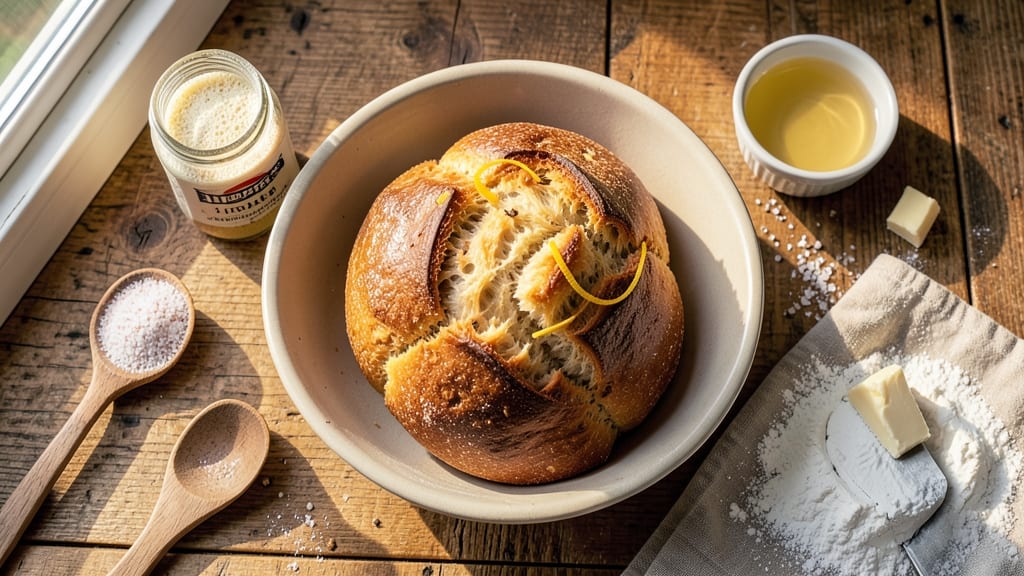
Albertsons French bread delivers that perfect balance of a crisp, golden crust and a light, airy interior—just like your favorite bakery. The secret lies in a simple dough recipe with a long fermentation time that develops deep flavor and that signature texture. I've perfected this method over years of baking, ensuring every loaf turns out with the ideal structure and aroma.
This recipe uses basic pantry staples, including high-quality flour and active dry yeast, to create a dough that's easy to handle yet yields professional results. The key steps—proper kneading, adequate proofing, and precise baking—transform simple ingredients into restaurant-quality bread.
With just 30 minutes of active time and a few hours of hands-off rising, you'll have homemade French bread that rivals anything store-bought.
Once baked, the crust will be beautifully blistered and golden, while the interior remains soft and pillowy. The aroma alone will have everyone gathered around your table. This recipe is perfect for sandwiches, toast, or simply enjoying with butter and jam. Let's get started on creating your own bakery-style loaf.
For best results, use a digital thermometer to monitor the oven temperature and ensure even baking. The dough can be made ahead and refrigerated overnight for even better flavor development. Whether you're a beginner or an experienced baker, this recipe delivers consistent, impressive results every time.
Ingredients for albertsons french bread
High-quality flour, yeast, and butter transform simple pantry staples into bakery-style French bread with a crisp crust and airy interior.
| Ingredient | Amount | Notes |
|---|---|---|
| All-Purpose Flour 🌾 | 4 cups | High-quality, bread flour preferred |
| Active Dry Yeast 🍞 | 2 ¼ tsp | Ensure yeast is fresh and active |
| Granulated Sugar 🍚 | 1 tbsp | Enhances yeast activation |
| Salt 🧂 | 1 ½ tsp | Diamond Crystal preferred |
| Unsalted Butter 🧈 | ½ cup | Cold, cubed for dough enrichment |
| Warm Water 💧 | 1 ¼ cups | 110°F for optimal yeast activation |
| Cornmeal 🌽 | ¼ cup | For dusting baking sheets |
| Coarse Sea Salt 🧂 | ½ tsp | For sprinkling crust before baking |
| Ice Water ❄️ | ¼ cup | For final dough shaping |
The flour is the foundation—King Arthur or Gold Medal are my go-tos for that perfect balance of protein and texture. If you're feeling fancy, swap in bread flour for a slightly chewier crumb. The yeast needs to be fresh; toss it in warm water with a pinch of sugar to test for bubbles (if nothing happens, it's dead—time to grab a new packet). Butter adds richness, but European-style unsalted like Plugrá melts beautifully without overpowering. For the water, 110°F is ideal—too hot kills the yeast, too cold slows fermentation. If you don’t have a thermometer, let tap water sit for 10 minutes after boiling.
No bread flour? All-purpose plus 1 tbsp vital wheat gluten mimics the protein structure. Yeast expired? Instant yeast works 1:1, but active dry needs the 10-minute proof in warm water first. Butter substitute? Olive oil or neutral oil keeps the dough workable, though texture will differ slightly. The cornmeal isn’t just for dusting—it adds a subtle sweetness to the crust. For the coarse salt, Maldon flakes create those gorgeous blisters, but Morton’s coarse works in a pinch. Pro tip: Chill your dough overnight for deeper flavor—just let it come to room temp before shaping.
Dough keeps 3 days wrapped in plastic in the fridge or up to 3 months frozen (wrap tightly in foil). For best results, bake fresh, but reheat slices in a 350°F oven for 5 minutes to revive crispness. The crust stays crisp for 2 days at room temp if stored in a bread bag. Freeze extras as 1-inch slices for toast—perfect for lazy mornings. And if you make extra? Croissants or dinner rolls are easy upcycles with leftover dough.
Why You'll Love This Recipe
- Here’s what sold me: that crispy, golden crust with a pillowy soft center. The butter melts into the dough just enough to keep it tender, but the oven’s dry heat turns it into something ridiculously satisfying. (Yes, even on a Tuesday night.)
- Five-Ingredient Magic: I swear by this list—flour, yeast, sugar, salt, and butter. That’s it. No fancy mix-ins, no stress. The yeast does all the work while I fold in cold butter cubes for that perfect flaky texture. Honestly, it’s the kind of recipe that makes me feel like a baker without the mess.
- Buttery Crust Alert: Here’s what sold me: that crispy, golden crust with a pillowy soft center. The butter melts into the dough just enough to keep it tender, but the oven’s dry heat turns it into something ridiculously satisfying. (Yes, even on a Tuesday night.)
- Weeknight MVP: I keep a batch in the freezer for lazy mornings—just toast straight from frozen. Or tear it into strips for garlic butter dipping when friends drop by. It’s my go-to for sandwiches, soups, or even a quick charcuterie board. Zero guilt, all flavor.
Step-by-step instructions for perfect albertsons French bread
Here's the method that guarantees a golden crust and pillowy interior every time.
Activate the Yeast for Maximum Rise
In a small bowl, whisk together the 1.25 cups warm water (should feel like bathwater, not hot), 1 tablespoon granulated sugar, and 2.25 teaspoons active dry yeast. Let this sit for 5-10 minutes until it becomes frothy and bubbly—this confirms your yeast is alive and ready to work. If it doesn't bubble, start fresh with new yeast.
I always test my yeast first because nothing ruins French bread like dead yeast. The sugar helps activate it faster, and the warm water creates the perfect environment for those little yeast spores to wake up and multiply. This step sets the foundation for that signature light, airy texture.
Mix the Dough Until Perfectly Elastic
In the bowl of a stand mixer fitted with the dough hook, combine the 4 cups all-purpose flour and 1.5 teaspoons salt. Add the yeast mixture and mix on low speed until combined. Then add the 0.5 cup cold cubed unsalted butter and continue mixing until the butter is fully incorporated.
Increase the speed to medium and knead for 5-7 minutes until the dough becomes smooth and elastic. It should pull away from the sides of the bowl and form a tight ball when pressed. If it's too sticky, add 1 tablespoon flour at a time until it reaches the right consistency. The dough should be soft but not wet—think of it like playdough that's just right for shaping.
Let the Dough Rest and Develop Flavor
Lightly grease a large bowl with oil or nonstick spray, then place the dough inside. Cover with a damp kitchen towel or plastic wrap and let it rise in a warm place for 1-2 hours, or until it has doubled in size. I like to place my bowl on top of my oven with the light on to create a warm, consistent environment for rising.
This first rise is crucial for developing flavor and structure. You'll know it's ready when you poke the dough gently and it springs back slowly rather than immediately. Patience here pays off—rushing this step leads to dense bread. After it rises, punch down the dough to release air and shape it into a rectangle about 12x8 inches on a lightly floured surface.
Fold and Shape for Signature Crust
Using a sharp knife or bench scraper, make three parallel cuts down the center of the dough, about 1 inch apart. Then fold the left and right sides inward toward the center, overlapping slightly. Repeat this process once more to create layers—this is what gives French bread its signature flaky, layered texture.
Roll the dough up tightly from the short end, then pinch the seam to seal. Place it seam-side down on a parchment-lined baking sheet, cover with a damp towel, and let it rise for another 30-45 minutes until it's puffy and nearly doubled in size. This second rise gives the bread its final lift and helps create those beautiful air pockets.
Bake to Golden Perfection
Preheat your oven to 375°F. Once the dough has risen, make a shallow slit down the center using a sharp knife. Brush the top generously with water, then sprinkle with 0.5 teaspoon coarse sea salt. Dust a baking sheet with 0.25 cup cornmeal and place the dough on top, seam-side down.
Bake for 25-30 minutes until the bread is deep golden brown and sounds hollow when tapped on the bottom. For extra browning, you can broil for 1-2 minutes at the end, but watch it closely to avoid burning. Let it cool on a wire rack for at least 10 minutes before slicing—this allows the steam to escape and the crumb to set properly.
Shape the Loaves (Optional but Recommended)
For that classic French bread shape, divide the dough into four equal pieces after the first rise. Roll each piece into a log about 10 inches long. Place them on a parchment-lined baking sheet, cover, and let rise again for 30-45 minutes. Brush with water, sprinkle with salt, and bake as directed above.
This shaping step gives you individual loaves that are perfect for serving. The logs will develop a beautiful crust and maintain their shape beautifully. If you prefer a single large loaf, skip this step and use the dough as shaped in Step 4.
Pro Tips For Making Albertsons French Bread
- Use Warm Butter, Not Cold: I learned this the hard way—when the butter’s too cold, the dough fights you like a stubborn toddler. Cut the ½ cup unsalted butter into small cubes first, then let it sit at room temperature for 20-30 minutes until it’s soft but not melted. This ensures it incorporates smoothly into the dough without turning it greasy or uneven.
- Let the Dough Rise Twice: Skipping the second rise is how you end up with dense, sad bread. After the first rise (when the dough doubles), punch it down and let it rest for 10 minutes before shaping. Then, give it a final rise—this time on a floured surface or in a greased bowl—until it’s puffy and jiggly again. The extra time develops flavor and structure.
- Shape Loaves Tightly: Loose dough = collapsed bread. After the second rise, gently shape the dough into tight, smooth logs—no air pockets or gaps. Press your fingers into the seams to seal them, then let them rest for 10 minutes before baking. This keeps them from spreading like overworked employees.
- Bake with Steam First: The crust on Albertsons French Bread should be golden and crisp, not pale and tough. Start by placing a metal tray on the oven rack, then pour ½ cup hot water into it before baking. The steam helps the bread rise and develop a proper crust in the first 10 minutes—then remove the tray and finish baking as directed.
Perfect pairings for this albertsons french bread
Classic French Dips
Serve your fresh French bread with garlic aioli or herb butter for an instant crowd-pleaser. I make a simple aioli by blending ½ cup mayonnaise, 1 minced garlic clove, 1 tbsp lemon juice, and 1 tsp Dijon mustard.
For herb butter, mix ½ cup softened butter with 1 tbsp chopped parsley, 1 tsp dried thyme, and a pinch of salt. Both pair beautifully with the bread's crisp crust and soft interior. 🧄
Cheese Board Pairings
Create a rustic cheese board with brie, comté, and aged gouda alongside your French bread. The soft brie melts perfectly into the bread's airy crumb, while the nutty comté adds a sophisticated contrast.
Add cured meats like prosciutto or salami and a few fig jam or honey drizzles to elevate the experience. The bread's texture soaks up all the flavors beautifully.
Soup Companions
French bread is a match made in heaven with hearty soups. Try pairing it with a French onion soup or a creamy tomato basil soup. The bread's crisp crust helps mop up every last drop of broth while adding structure to the meal.
For a lighter option, a chilled gazpacho with a slice of bread for dipping creates a refreshing summer dish. The bread's neutral flavor lets the soup's seasonings shine.
Breakfast Spreads
Turn your French bread into a breakfast star with scrambled eggs, crispy bacon, and a dollop of sour cream. The bread's sturdy crust holds up perfectly to runny yolks and crunchy bacon bits.
For something sweeter, try cinnamon butter (mix ½ cup softened butter with 2 tbsp brown sugar and 1 tsp cinnamon) or peanut butter and banana for a nostalgic combo. Warm the bread slightly in the oven to enhance its buttery goodness.
Wine Pairings
A crisp Sauvignon Blanc from the Loire Valley complements the bread's buttery richness with its bright acidity. For red wine lovers, a light Pinot Noir from Burgundy enhances the crust's caramelized notes.
Avoid heavy, oaky whites or bold reds that could overpower the bread's delicate flavors. A glass of sparkling water with lemon also works beautifully for a refreshing contrast. 🍷
Sweet Endings
Finish your meal with French bread transformed into French toast or bread pudding. For French toast, slice the bread, dip in an egg mixture with vanilla extract and cinnamon, then pan-fry until golden. Top with powdered sugar and maple syrup.
For bread pudding, cube the bread, soak in a custard of eggs, milk, and vanilla, then bake until set. Both desserts highlight the bread's versatility and delicious texture.
Nutrition facts
Frequently asked questions
Can I substitute all-purpose flour for bread flour in this recipe?
Yes, but you'll need to add 1 tablespoon vital wheat gluten per 4 cups all-purpose flour to mimic bread flour's protein structure. This helps achieve the same chewy texture. If you skip the gluten, your crust may be slightly less crisp and the crumb less open. For best results, use King Arthur or Gold Medal all-purpose flour—they have higher protein content than some store brands.
Why did my French bread turn out dense instead of light and airy?
Dense bread usually means one of three things: 1) The yeast wasn't active (test it first in warm water with sugar), 2) The dough didn't rise long enough (wait until it doubles in size), or 3) You over-kneaded it (stop when it springs back when poked). For extra lift, let the dough rise in a warm spot (like an oven with the light on) and don't punch it down too hard before final shaping.
How do I get that perfect crispy crust without burning the inside?
Preheat your oven to 375°F for at least 30 minutes to ensure even heat. Brush the dough with ice water before baking—this creates steam that helps develop the crust. For extra browning, broil for 1-2 minutes at the end, but watch closely. Bake on a cornmeal-dusted sheet (not parchment) for better heat conduction. Let it cool 10 minutes before slicing to trap steam for a softer interior.
Can I make this dough ahead of time?
Shape the dough into loaves, wrap tightly in plastic, and refrigerate for up to 3 days or freeze for 3 months. For best flavor, let it rise at room temperature for 1 extra hour before baking if using refrigerated dough. Thaw frozen dough in the fridge overnight, then let it sit at room temperature for 1 hour before shaping and baking. The cold slows fermentation, so you'll need to extend rising times slightly.
What's the best way to reheat stale French bread?
For crispy crust and soft interior, wrap slices in foil and warm at 350°F for 5-7 minutes. For extra crunch, broil for 1-2 minutes after warming. To revive an entire loaf, wrap it in foil and bake at 300°F for 10 minutes, then unwrap and broil for 2 minutes to crisp the crust. Store leftovers in a paper bag (not plastic) to maintain crispness longer.