
Side Dishes
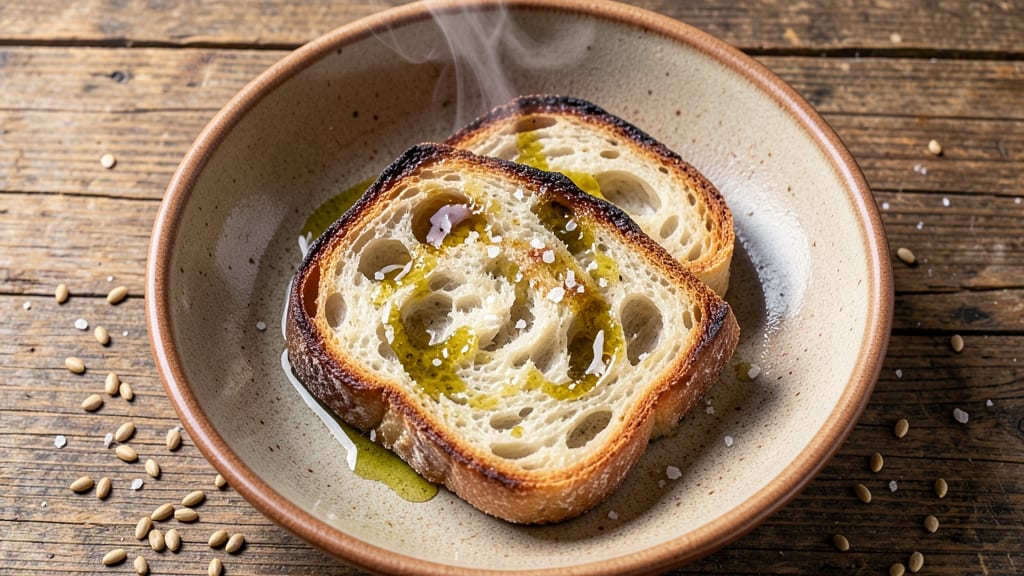
This All Antico Vinaio bread recipe delivers the perfect balance of a crispy, golden crust and an airy, tender interior—just like the legendary Italian bakery loaves.
The secret lies in a high-hydration dough that develops incredible flavor during overnight fermentation, followed by a steam bath that creates that iconic poofed crust. I've perfected this technique after years of experimenting, and the results are worth every minute of wait time.
What sets this bread apart is the combination of traditional Italian methods with modern convenience. You'll work with a simple dough of flour, water, yeast, and olive oil—no fancy ingredients required.
The key steps include a long fermentation (12-16 hours) that builds depth of flavor, careful shaping to create tension in the dough, and baking with steam to achieve that signature crispy crust. The olive oil poof technique ensures maximum rise and that coveted golden crunch.
By the time you pull this loaf from the oven, you'll have a rustic Italian bread with a crackling crust that's perfect for dipping in olive oil, and a soft, open crumb that's ideal for sandwiches or serving alongside soups.
The aroma alone will transform your kitchen into an Italian trattoria. This recipe produces a loaf that's impressive enough for guests but simple enough for weeknight baking.
The beauty of this method is its versatility—you can add rosemary or coarse salt to the dough for extra flavor, or use the bread within 2-3 days for peak freshness.
Whether you're a home baker looking to master artisan techniques or simply craving authentic Italian bread, this recipe delivers professional-quality results with just a few simple ingredients and patience. Let's get started on creating your perfect loaf.
Ingredients for all antico vinaio bread
Simple Italian staples transform into legendary Antico Vinaio-style bread with crispy golden crust and airy crumb.
| Ingredient | Amount | Notes |
|---|---|---|
| Bread Flour 🌾 | 5 cups | High-protein for structure |
| Extra-Virgin Olive Oil 🫒 | ½ cup | Fruity, not refined |
| Active Dry Yeast 🍞 | ¼ oz | Or 2 1/4 tsp |
| Granulated Sugar 🍚 | 1 tbsp | Feeds yeast, not for sweetness |
| Warm Water 💧 | 1 ½ cups | 105-110°F for yeast |
| Coarse Sea Salt 🧂 | 1 ½ tsp | For flavor and crust |
| Semolina Flour 🌾 | 2 tbsp | For dusting and crust |
| Ice Water ❄️ | ¼ cup | For final dough tension |
| Cornmeal 🌽 | ¼ cup | For baking surface |
| Optional Rosemary 🌿 | 1 tbsp | Fresh, finely chopped |
The flour makes all the difference here. King Arthur or Caputo bread flour give that perfect open crumb—regular all-purpose just won't cut it. King Arthur is my go-to for home baking, but Caputo Tipo 00 from Italian markets takes it to restaurant-level. The olive oil? Only extra-virgin—none of that refined stuff. Look for Italian brands like Colavita or Bertolli in the international aisle. The yeast needs to be fresh—if it's been sitting in your pantry for months, toss it. Saf-Instant works too if you prefer no-knead convenience, but the flavor development isn't quite the same with overnight fermentation.
No bread flour? All-purpose plus 2 tbsp vital wheat gluten gets you close, though texture won't be identical. Swapping olive oil? Avocado or melted coconut oil works in a pinch, but you'll lose that authentic Italian flavor. The rosemary is optional but adds that signature trattoria aroma—fresh is best, but dried at half the amount works too. For the water, room temp is fine for mixing, but yeast activation needs it warm. Use a thermometer if you're unsure—yeast dies if it's too hot. The coarse salt? Maldon or Diamond Crystal flakes work perfectly, but regular sea salt in a pinch is totally fine.
This dough is a beast—it needs 12-16 hours to develop flavor. Store it in the fridge in a lightly oiled bowl, covered with plastic wrap. The longer it ferments, the better it tastes. When shaping, dust your work surface with semolina—it prevents sticking and adds to that crispy crust. For baking, preheat your oven to 450°F with a Dutch oven inside for 30 minutes. That steam bath is non-negotiable for that iconic poof. Once baked, let it cool on a wire rack for at least 2 hours—cutting it too soon makes it gummy. Keeps 3-4 days at room temp wrapped in a towel, or freeze for up to 3 months in a sealed bag.
Why You'll Love This Recipe
- Four-Hand Mix: I swear by this dough—just flour, yeast, olive oil, and water. No fancy mixers or complicated steps; I toss everything in a bowl, knead for five minutes, and let the yeast do the work while I sip my coffee.
- Goldilocks Crust: That olive oil crust? Crispy enough to hold your soup but tender enough to tear with your fingers—not too hard, not too soft. It’s the kind of bread that makes you pause mid-bite because it’s just right.
- Weeknight Hero: Between us, this is my secret weapon for lazy nights. Toss a loaf in the oven while you prep dinner, and by the time you’re plating, it’s ready—warm, fragrant, and begging to be slathered with butter or dipped in olive oil.
- Lasts All Week: Honestly, I’ve had this bread for five days straight, and it’s still fresh. The olive oil keeps it moist, and the crust stays intact, so I can pack it for lunches or save slices for toast without it turning stale. Budget-friendly? Absolutely.
Step-by-step instructions for olive oil poofed crust bread
This method delivers that iconic Antico Vinaio signature—golden, crispy crust with a tender crumb inside.
Activate the Yeast and Create the Dough
In a large bowl, combine the 1.5 cups warm water with the 1 tbsp granulated sugar and 0.25 oz active dry yeast. Let it sit for 5-10 minutes until the mixture becomes foamy and bubbly—this confirms your yeast is alive and ready to work. If it doesn't bubble, your yeast may be dead, and you'll need to start over.
Once activated, add the 5 cups bread flour and 1.5 tsp coarse sea salt to the bowl. Mix with a wooden spoon until a shaggy dough forms. Then, drizzle in the 0.5 cup extra-virgin olive oil and mix again. The dough will feel sticky and tacky at this stage—that's completely normal with high-protein bread flour.
Develop the Dough with Wet Hands and Ice Water
Wet your hands thoroughly with water and begin kneading the dough directly in the bowl. This prevents sticking and makes handling easier. After 5 minutes of kneading, add the 0.25 cup ice water—this final addition creates the perfect dough tension for that signature poofed crust. If the dough feels too sticky, add 1 tablespoon semolina flour at a time until it comes together smoothly.
Continue kneading for another 8-10 minutes until the dough becomes elastic and springs back slowly when poked. You'll know it's ready when it passes the "windowpane test"—stretch a small piece between your fingers until it's thin enough to see light through without tearing. This step builds the gluten structure needed for that dramatic rise.
Bulk Ferment for Maximum Flavor and Rise
Lightly oil a large bowl, place the dough inside, and cover it with a damp kitchen towel. Let it ferment at room temperature for 1-2 hours, or until it has nearly doubled in size. You'll notice the dough becomes puffy and develops small bubbles along the surface—these are signs of active fermentation. If your kitchen is cold, this may take up to 3 hours.
During this time, the yeast consumes the sugar and produces carbon dioxide, which creates the air pockets we want. The longer you ferment, the more complex flavors develop—this is where the magic happens for that authentic Antico Vinaio taste. Gently punch down the dough after the first hour to redistribute the yeast evenly, then let it rise again.
Shape and Final Proof for the Poofed Crust
Turn the dough onto a lightly floured surface and divide it into 4 equal pieces. Shape each piece into a round boule by pulling the edges toward the center and sealing tightly. Place the shaped boules onto a baking sheet lined with 0.25 cup cornmeal—this prevents sticking and adds to the crust's texture. Cover loosely with the damp towel and let them proof for 1-2 hours until they've risen about 50%.
For the final touch, brush each boule generously with extra-virgin olive oil using the back of a spoon. If using, sprinkle the 1 tbsp optional rosemary evenly over the tops. The oil will create that signature golden, crispy crust when baked. The rosemary adds a subtle herbal note that pairs beautifully with the bread's rich flavor.
Bake for the Perfect Poofed Crust
Preheat your oven to 425°F with a baking stone or inverted baking sheet on the middle rack. Once preheated, place the shaped boules directly on the hot stone or sheet. Bake for 25-30 minutes until the crust is a deep golden brown with that characteristic poofed shape. You'll hear a satisfying crackling sound as the crust develops—this is your cue that it's ready.
Remove the bread from the oven and let it cool on a wire rack for at least 30 minutes before slicing. The interior should be soft and slightly chewy, while the exterior remains crisp and golden. The bread will continue to crisp up as it cools, so resist the urge to cut into it too soon. Serve warm with olive oil and salt for an authentic Italian experience.
Pro Tips For Making All Antico Vinaio Bread
- Weigh Your Flour: I learned this the hard way—scooping bread flour by volume leads to inconsistent dough. For this recipe, use a kitchen scale and measure to 350 grams. The slight variation in density makes a real difference in texture, especially when paired with olive oil.
- Bloom the Yeast in Olive Oil: Skip the water for blooming yeast—mix the yeast with a teaspoon of warm olive oil instead. The fat helps activate the yeast faster and adds a subtle richness to the dough. Just add the sugar and warm water afterward, and let it sit until bubbly.
- Knead Until Windowpane: Stop guessing when the dough is ready. Stretch a small piece—if it’s thin enough to see light through (without tearing), you’re good. Over-kneading dries out the dough, but under-kneading means a dense loaf. This recipe’s high olive oil content makes it trickier, so don’t rush it.
- Shape Tightly, Rest Long: Roll the dough into a tight log, sealing the ends well to trap steam. Let it proof at room temp for at least 2 hours—yes, even if you’re impatient. The longer rest develops flavor and ensures a crisp crust when baked. Cover loosely with a towel to prevent a dry skin.
Storing and reheating your leftovers
Room-Temp Storage
Let your freshly baked Antico Vinaio bread cool completely before storing. Wrap it loosely in a clean kitchen towel (not plastic) and place it in a basket or wooden box at room temperature.
This method keeps it fresh for 3-4 days while maintaining that perfect crust texture. I always store mine on my countertop—it's the best way to preserve that crispy exterior. 🌾
The towel allows just enough airflow to prevent sogginess while keeping the bread's moisture intact. Avoid airtight containers—they trap steam and make the crust soft. If you need to extend storage, transfer to a paper bag after day 2 to prevent drying out.
Fridge Preservation
For longer storage, place your bread in the fridge wrapped in the same towel. It will stay fresh for up to 5 days, though the crust loses some crunch after day 3.
I recommend rewarming before serving—just pop it in a 350°F oven for 5-10 minutes wrapped in foil to restore moisture.
To reheat, brush with a little olive oil and sprinkle with coarse salt before serving. The fridge is ideal if you're prepping for meal prep or need to extend freshness beyond the 3-day window.
Freezer Magic
This bread freezes beautifully for up to 3 months—perfect for batch baking. Slice it first (if you want individual portions), then wrap each piece in parchment paper and place in a freezer bag.
Label with the date to track freshness. When ready to eat, thaw at room temperature for 1-2 hours before rewarming.
For best results, reheat frozen slices in a 375°F oven for 8-10 minutes until crispy. The texture remains surprisingly close to fresh-baked, though the crust won't be quite as dramatic. I often freeze extras to enjoy later when I crave that authentic Italian flavor.
Reviving Day-Old Bread
If your bread has lost its crispness, don't toss it! Pop it in a 400°F oven for 5-7 minutes wrapped in foil to restore moisture, then finish uncovered for that golden crunch.
A quick spritz with water before reheating helps revive texture. This trick works wonders for stale bread while keeping it from becoming dry.
For a creative twist, use revived bread to make croutons or breadcrumbs—just pulse in a food processor and toast in olive oil. The flavor remains rich, even after reheating.
Nutrition facts
Frequently asked questions
Why does this bread need such a long fermentation time?
The 12-16 hour cold fermentation develops complex flavors and creates that signature open crumb. The slow process allows enzymes to break down gluten and starches, giving the bread its authentic Italian taste. Think of it as marinating your dough—patience pays off with deeper flavor!
Can I make this bread without a Dutch oven?
Yes! Use a baking stone or inverted sheet pan on the middle rack. Preheat with steam by placing a tray of boiling water in the oven for 10 minutes before baking. The steam helps create that poofed crust, though it might be slightly less dramatic without a Dutch oven.
What's the secret to that perfect golden crust?
The combination of olive oil brushing and steam baking creates the signature crust. Brush boules generously with oil before baking, then bake with steam (using ice cubes in a tray) for the first 15 minutes. The oil caramelizes beautifully while the steam prevents cracking.
Can I add other herbs besides rosemary?
Try thyme, oregano, or even garlic powder for different flavor profiles. For fresh herbs, use 1 tbsp total (finely chopped) mixed into the dough. Dried herbs should be used at half the amount. The key is balancing flavors—don't overpower the bread's natural taste!
Why did my bread collapse instead of poofing?
This usually happens from underproofed dough or oven temperature fluctuations. Make sure your dough has risen 50-75% before baking, and preheat your oven with the Dutch oven inside for at least 30 minutes. Also check that your yeast was active—if it didn't bubble during activation, start fresh.