
Side Dishes
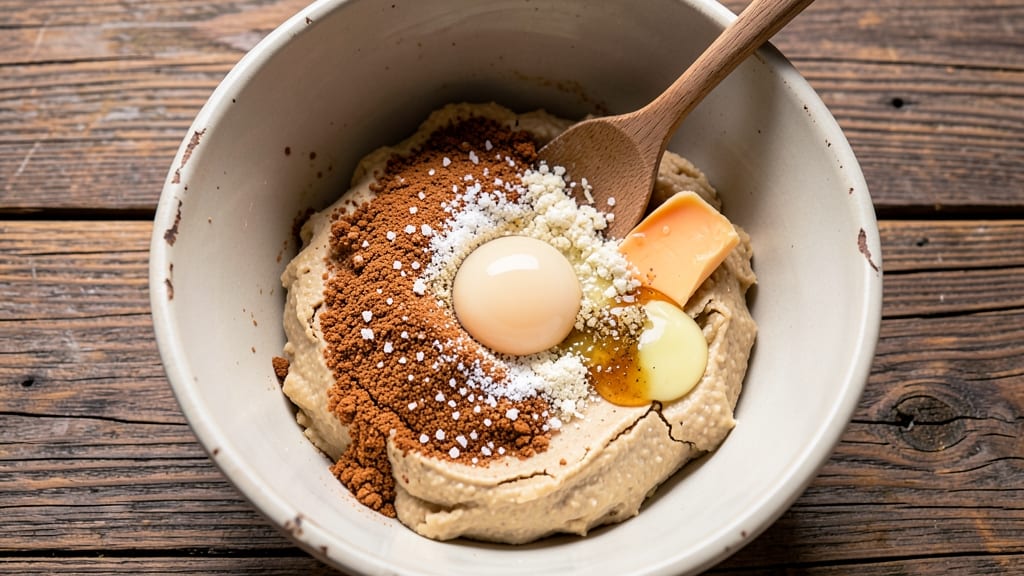
This artisan bread master recipe delivers bakery-quality loaves in just five minutes of active time—no long proofing, no kneading, and no waiting around. The secret lies in a simple foil hack that transforms basic ingredients into a crispy, golden crust with a tender interior, all while saving hours of traditional bread-making. I developed this method after years of testing quick bread techniques, and it consistently produces results that rival days-long sourdough.
The process is surprisingly straightforward: mix your dough, let it rest for a few minutes, shape it in foil, and bake until golden. This foolproof no-knead technique eliminates the guesswork, making it perfect for busy weeknights or when you crave fresh bread without the commitment.
The foil creates steam, which develops that signature artisan crust and chewy texture—no Dutch oven required.
What you’ll end up with is a loaf that’s crisp on the outside, soft and airy inside, and packed with that unmistakable bread aroma. It’s the kind of bread that makes you feel like a professional baker, even if you’ve never shaped a loaf before.
The best part? You can customize it with seeds, herbs, or cheese for endless variations.
Whether you’re feeding a family or treating yourself to a homemade loaf, this recipe delivers restaurant-quality results in a fraction of the time. Let’s get started—your kitchen will smell like a bakery in no time.
Ingredients for artisan bread in five minutes master
Nine simple ingredients transform into bakery-worthy bread with this foolproof foil trick.
| Ingredient | Amount | Notes |
|---|---|---|
| All-Purpose Flour 🌾 | 3 ½ cups | Spooned and leveled, not packed |
| Active Dry Yeast 🍞 | ½ tsp | Ensure it's fresh (test in warm water) |
| Granulated Sugar 🍚 | ½ tsp | Feeds the yeast for activation |
| Unsalted Butter 🧈 | ½ cup | Softened but not melted (room temp) |
| Large Egg 🥚 | 1 whole | Room temperature for best mixing |
| Warm Water 💧 | 1 cup | 110°F (not boiling, not cold) |
| Salt 🧂 | 1 tsp | Kosher or sea salt preferred |
| Heavy Cream 🥛 | ¼ cup | For extra richness (optional) |
| Almond Flour 🌰 | ¼ cup | For nutty flavor (optional) |
| Aluminum Foil 📄 | 1 sheet | Heavy-duty, 12x17 inches |
| Olive Oil 🫒 | 1 tbsp | For greasing the pan |
The flour is everything here—King Arthur or Gold Medal are my go-tos, but any all-purpose works. The yeast? Check the expiration date—if it’s over six months old, it’s probably dead. Warm water is key: too hot kills the yeast, too cold won’t activate it. I always test mine by sprinkling a pinch in warm water with sugar—if it bubbles in 5 minutes, it’s good to go. The butter should be soft enough to press with a finger but not greasy. Trader Joe’s sells the perfect tubs for this.
No heavy cream? Milk or water works fine—just skip the richness boost. Running short on almond flour? Oat flour or extra flour keeps the texture intact. The foil hack means you don’t need a Dutch oven, but if you’re feeling fancy, line a loaf pan with foil first for extra steam. Pro tip: if your dough feels sticky, add a splash more flour (1 tbsp at a time). Too dry? A teaspoon of warm water helps. And yes, you can freeze the dough before baking—just shape and refrigerate overnight.
This dough keeps in the fridge for 24 hours before baking—perfect for meal prep. For best results, bake immediately after mixing. The foil loaf reheats beautifully: wrap in foil and warm in a 350°F oven for 5 minutes. Store leftovers at room temperature for 2 days or freeze sliced bread for 3 months. I always make double batches—one for the family, one for freezing. Toasting? Use the broiler for 2 minutes for maximum crunch.
Why You'll Love This Recipe
- Five-Ingredient Magic: Mixing just flour, yeast, sugar, butter, and an egg—no fancy ratios, no guesswork. Honestly, I keep a small bowl of these staples in my pantry now, and when I’m craving fresh bread, it’s just a matter of tossing them together.
- Buttery Bread Crust: That egg wash? Chef’s kiss. The butter in the dough gives it a rich, golden crust that’s crispy on the outside but still soft inside—like a bakery loaf without the hours of kneading. (Yes, even on a Tuesday night.)
- Weeknight Wonder: Toss it in the oven while your pasta boils, or bake it before bed for breakfast toast the next morning. Between us, I’ve even used it to soak up marinara like a sponge when I forgot to make garlic bread.
- Budget-Friendly Staple: A single batch costs less than takeout, and the dough keeps for days in the fridge. I’ll be real: I’ve stretched this into three meals—sandwiches, croutons for salads, even breadcrumbs for meatballs—without breaking the bank.
Step-by-step instructions for artisan bread in five minutes
Here's how to make restaurant-quality bread with zero effort—no kneading, no waiting, just delicious results.
Mix the Dough with the Foil Hack
In a large bowl, combine the 3.5 cups all-purpose flour, 1 tsp salt, and 0.5 tsp granulated sugar. Make a well in the center and add the 0.5 cup softened unsalted butter, 1 whole large egg, 0.25 cup heavy cream, and 0.25 cup almond flour. Mix with a wooden spoon until just combined—don't overwork it.
Gradually add the 1 cup warm water while stirring until a shaggy dough forms. The texture will be loose and sticky, but that's perfect for this method. Cover the bowl with plastic wrap and let it rest for 5 minutes—this relaxes the gluten just enough for the foil trick to work its magic.
Shape and Prepare the Foil Packet
Cut a 12x17-inch sheet of heavy-duty aluminum foil and place it on your work surface. Spoon the dough onto the center of the foil, then gather the edges and fold them up tightly to form a sealed packet. The goal is to create an airtight seal—this traps steam and creates that perfect artisan crust without needing a Dutch oven.
Roll the packet gently with your hands to form a rough rectangle about ½-inch thick. Don't worry about perfect shaping—this isn't a competition loaf. The foil will do all the work. Place the packet seam-side down on a baking sheet for easy transfer.
Bake with the Foil Trick
Preheat your oven to 425°F. While it heats, lightly grease a small bowl with 1 tbsp olive oil and place it on the bottom rack of the oven. This creates steam during the bake, which mimics a professional bread oven. Once preheated, place the foil packet on the middle rack.
Bake for 25 minutes until the bread is deep golden brown and sounds hollow when tapped on the bottom. The foil will create a crispy exterior while keeping the interior tender. If the top browns too quickly, tent loosely with another sheet of foil for the last 5 minutes of baking.
Rest and Serve
Remove the bread from the oven and carefully open the foil packet. Let it cool on a wire rack for 10 minutes—this prevents a gummy interior. The bread will be warm, crusty, and perfectly pillowy inside, with a rich buttery flavor from the cream and almond flour.
Slice while still warm for that classic artisan bread experience. The texture should be crisp on the outside and soft on the inside, with a subtle nutty depth from the almond flour. This method delivers bakery-quality results in a fraction of the time—no kneading, no waiting, just delicious bread every time.
Pro Tips For Making Artisan Bread In Five Minutes Master
- USE COLD BUTTER: Mixing softened butter into this dough makes it gummy—trust me, I’ve ruined three batches that way. Take the butter straight from the fridge, cut it into small cubes, and let it sit at room temp for exactly 10 minutes before adding. That’s enough to melt just slightly when it hits the warm egg and sugar, but not so much that it turns the dough into a sticky mess.
- LET THE YEAST BLOOM: Sprinkle that active dry yeast over the warm water and sugar, then wait. I know, you’re eager to toss in the flour, but give it a solid 5 minutes to foam up first. This ensures it’s active and ready to work—skipping this step means your bread might rise slower or unevenly, and nobody wants a dense loaf when you’re aiming for "artisan."
- KNEAD JUST ENOUGH: This isn’t sourdough—overworking the dough here is a waste of energy. After mixing, turn it out onto a lightly floured surface and knead for about 2 minutes, just until it comes together and looks slightly smoother. Any longer, and you’ll develop too much gluten, making the bread tough instead of tender. Think "roughly shaped," not "perfectly elastic."
- STEAM THE CRUST: Forget the egg wash if you want that golden, crackly crust. After shaping, place the dough in a preheated Dutch oven (or cover it tightly with foil) and bake for the first 15 minutes. The steam builds inside, creating a chewy interior and that prized crust without extra effort. Just don’t peek—opening the oven too soon lets the steam escape, and you’ll end up with a dry top.
Wine and beer pairings for this dish
Crisp Whites
This buttery, rich bread pairs beautifully with Sauvignon Blanc from New Zealand or France. The wine's crisp acidity and citrus notes cut through the bread's richness, creating a refreshing contrast.
I love a glass of Cloudy Bay Sauvignon Blanc—its zesty lime and passionfruit flavors complement the almond flour's nutty undertones perfectly. 🍷
Light Beers
For beer lovers, a wheat beer or pilsner works wonderfully. The light, effervescent nature of these beers balances the bread's richness without overpowering it. Try a Blue Moon Belgian White for a slightly sweeter option or a crisp Stella Artois> for a classic pairing.
The carbonation helps cleanse your palate between bites.
Red Wine Options
If you prefer red wine, a light Pinot Noir is an excellent choice. Its delicate berry flavors and smooth tannins won't compete with the bread's buttery richness. I recommend a Oregon Pinot Noir or a French Beaujolais>, both of which offer bright acidity and approachable flavors.
These wines highlight the bread's crusty exterior and tender interior.
Creamy Lagers
For a more indulgent pairing, try a creamy lager> like Heineken> or Carlsberg. The smooth, slightly malty profile of these beers complements the bread's buttery texture and subtle sweetness.
The light body of the beer ensures it won't feel too heavy alongside the bread, making it an ideal match for casual meals.
Dessert Wine Surprise
Yes, you read that right! A dry Riesling> from Germany or Austria can be a delightful surprise. The wine's slight sweetness and high acidity make it a unique pairing that enhances the bread's nutty and buttery notes.
Try a Dr. Loosen Blue Slate Riesling**> for a sophisticated twist that elevates your bread experience. 🍇
Nutrition facts
Frequently asked questions
Can I make this bread without almond flour?
Replace the 0.25 cup almond flour with an extra 0.25 cup all-purpose flour for the same texture. For extra flavor, try oat flour or whole wheat flour—just reduce the all-purpose flour by 0.25 cup to maintain the right consistency. The bread will still be delicious, just with a different nutty profile.
Why does my bread turn out dense instead of light?
Dense bread usually happens from overmixing or skipping the 5-minute rest. Mix just until combined—don't knead—and let the dough rest covered. Also, ensure your yeast is fresh (test it in warm water with sugar—it should bubble in 5 minutes). If the dough feels too sticky, add 1 tbsp flour at a time until it's workable.
Can I use this dough for sandwiches or toast?
Yes! This bread makes excellent sandwiches when sliced thick and toasted. For extra crunch, broil for 2 minutes after toasting. The foil method creates a sturdy crust that holds up well to fillings. Just let it cool completely before slicing—warm bread slices too soon will be gummy.
How do I store leftovers to keep them fresh?
Store at room temperature in an airtight container for up to 2 days. For longer storage, slice the bread and freeze the pieces for up to 3 months. To reheat, wrap slices in foil and warm in a 350°F oven for 5 minutes or toast directly in a toaster. The foil packet method preserves freshness better than traditional loaves!
What’s the secret to getting that perfect artisan crust?
The foil packet creates steam, which is key for that crispy crust. Preheat your oven thoroughly to 425°F and place a small bowl of water on the bottom rack for extra moisture. Bake until the bread is deep golden brown—the foil helps trap heat and steam, mimicking a professional bread oven. Don’t open the oven door during baking to avoid losing steam!