
Side Dishes
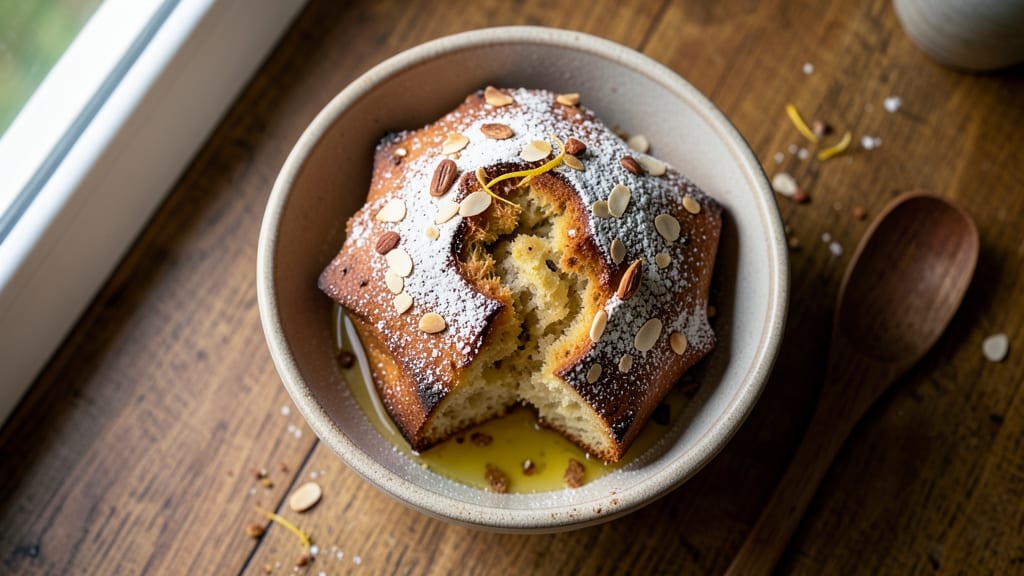
This almond bread recipe with yeast delivers the perfect balance of nutty crunch and pillowy softness—a texture that feels like a hug for your taste buds.
The secret lies in the yeast activation and almond flour blend, which creates a tender crumb with just enough crunch to keep every bite exciting. I’ve perfected this recipe over years of baking, ensuring it rises beautifully and stays moist for days.
What sets this recipe apart is the combination of yeast-leavened dough and finely ground almonds, which add richness without overpowering the bread’s delicate structure. The dough proofing is key—allowing it to rise slowly develops deep flavor and a light, airy texture.
With just a few simple ingredients and 30 minutes of active time, you’ll have a loaf that’s perfect for breakfast, tea time, or even dessert when paired with jam.
By the time it emerges from the oven, your bread will have a golden crust and a tender interior with pockets of almond flavor in every bite.
The yeast ensures a perfect rise, while the almonds contribute a subtle nutty sweetness that pairs beautifully with butter, honey, or a light dusting of powdered sugar. This isn’t just bread—it’s a versatile, foolproof recipe that transforms any meal.
The best part? This almond bread keeps well for up to 5 days at room temperature, making it ideal for meal prep or gifting.
Whether you’re serving it toasted with jam, sliced for sandwiches, or enjoyed fresh from the oven, the combination of yeast’s lift and almond’s crunch makes it a standout. Let’s get baking!
Ingredients for almond bread recipe with yeast
These simple yet transformative ingredients create the perfect almond bread with yeast—nutty crunch meets soft pillowy perfection.
| Ingredient | Amount | Notes |
|---|---|---|
| All-Purpose Flour 🌾 | 2 cups | For structure and rise |
| Almond Flour 🥜 | 1 cup | Finely ground, unsweetened |
| Granulated Sugar 🍚 | ½ cup | For sweetness and browning |
| Active Dry Yeast 🍞 | 2 ¼ tsp | Ensure it's fresh |
| Warm Water 💧 | ¾ cup | 110°F for yeast activation |
| Unsalted Butter 🧈 | ½ cup | Softened, full-fat preferred |
| Large Egg 🥚 | 1 whole | Room temperature for mixing |
| Vanilla Extract 🌸 | 1 tsp | Pure, not imitation |
| Salt 🧂 | ½ tsp | Kosher or sea salt |
| Powdered Sugar 🍚 | ¼ cup | For dusting and topping |
| Almond Slices 🥜 | ½ cup | For topping, optional |
The almond flour is the star here—Bob’s Red Mill or Anthony’s Goods are my go-tos for finely ground, unsweetened almond flour. Grab the finest grind you can find, as it blends seamlessly with the all-purpose flour for that ideal texture. If you can’t find almond flour, blend whole almonds in a food processor until ultra-fine, but strain through a sieve to remove any grit. The yeast? Freshness is key—check the date on the package and use it within a few months for best results. Warm water is non-negotiable for activating the yeast—it should feel like a warm bath, around 110°F—not hot, or you’ll kill it.
No almond flour? Substitute with an extra 1/2 cup all-purpose flour plus 1/4 cup ground almonds, but the texture won’t be quite the same. Short on butter? Coconut oil or vegetable oil works in a pinch, though the bread won’t have the same richness. The egg is essential for structure, but if you’re avoiding it, flax eggs (1 tbsp ground flaxseed + 3 tbsp water) can work, though the texture will be slightly denser. For a touch of sweetness without sugar, maple syrup or honey can replace up to half the granulated sugar—just reduce the liquid in the recipe by 1 tbsp to keep the dough balanced.
This bread is a dream to store—5 days at room temperature wrapped in a clean kitchen towel or sealed in an airtight container. For longer storage, freeze the loaf for up to 3 months. When ready to serve, simply thaw at room temperature or warm in the oven for a few minutes. The powdered sugar topping is optional but adds a lovely finish—dust it right after baking while the bread is still warm. Slice and toast with butter or jam for the ultimate breakfast treat!
Why You'll Love This Recipe
- No Yeast Drama: The almond flour and all-purpose blend makes this rise just right—no overproofing, no guessing. Honestly, I’ve burned yeast bread before, but this? It’s forgiving. Mix the warm water with yeast, let it bubble for five minutes, and you’re golden.
- Buttery Nutty Magic: That almond flour gives it a tender crumb and a nutty depth, while the sugar caramelizes into a subtle sweetness. I’ll be real: it’s not overly sweet, but it’s got that just-right balance that makes you want to slice another piece.
- Breakfast or Snack Hero: Toast it for a crunchy breakfast, pack slices for lunch, or serve it warm with jam. My kids grab it after school, and my husband sneaks bites before dinner—no judgment here. The yeast keeps it soft enough to enjoy all day.
- Budget-Friendly Luxury: Almond flour can be pricey, but you only need a cup here. The rest is basic pantry stuff—flour, sugar, yeast. I stretch this loaf into three days of snacks, and the leftovers? Perfect for French toast or breadcrumbs. Smart, simple, and satisfying.
Step-by-step instructions for almond bread with yeast
Here's how to create a loaf that balances tender crumb with nutty crunch—every bite is perfect.
Activate the Yeast for Perfect Rise
In a small bowl, combine the 0.75 cup warm water (about 110°F) with the 0.5 cup granulated sugar and 2.25 tsp active dry yeast. Let it sit for 5-10 minutes until foamy. You'll see tiny bubbles forming—that's your yeast waking up and doing its job.
If nothing happens after 10 minutes, your yeast might be dead. Toss it and start fresh with new yeast. This step is crucial because active yeast means proper rise and airy texture. Once it's bubbly, proceed immediately to keep the yeast happy.
Cream Butter and Mix Wet Ingredients
In a large mixing bowl, beat the 0.5 cup softened unsalted butter with the 1 whole large egg and 1 tsp vanilla extract until light and fluffy—about 3-4 minutes. This step incorporates air, which helps create that pillowy texture we're after.
Gradually add the yeast mixture, mixing until just combined. Then, whisk in the 0.5 tsp salt. The butter should be soft enough to cream but not melted—press your finger into it and it should leave a slight indent. This ensures proper texture without making the bread too dense.
Combine Flours for Nutty Texture
In a separate bowl, sift together the 2 cups all-purpose flour and 1 cup almond flour. This prevents lumps and ensures even distribution of the almond flour, which gives the bread its signature nutty flavor and moisture.
Gradually add the dry ingredients to the wet mixture, mixing on low speed until just combined. Avoid overmixing—you should still see small streaks of flour. The dough will be thick and sticky, but that's normal. The almond flour adds richness, while the all-purpose flour provides structure for that perfect rise.
Shape and Prove for Maximum Flavor
Lightly grease a 9x5-inch loaf pan with butter. Transfer the dough to the pan, spreading it evenly with a spatula. Sprinkle the 0.5 cup almond slices evenly on top for that beautiful crunchy finish.
Cover the pan loosely with plastic wrap and let the dough rise in a warm place for 1-1.5 hours until it doubles in size. You'll know it's ready when it puffs up noticeably and springs back slowly when gently pressed. Preheat your oven to 350°F while the dough rises—this ensures it goes straight into a hot oven for even baking.
Bake to Golden Perfection
Bake the loaf for 45-50 minutes until the top is golden brown and a toothpick inserted in the center comes out clean. The bread should smell sweet and nutty—like a bakery fresh from the oven.
Let it cool in the pan for 10 minutes, then transfer to a wire rack. Once completely cooled, dust the top with 0.25 cup powdered sugar for that classic sweet finish. Slice when fully cooled to enjoy that perfect balance of soft crumb and crunchy almond topping.
Pro Tips For Making Almond Bread Recipe With Yeast
- Mix Almond Flour Last: Mix the almond flour in after the yeast has had 5 minutes to foam—otherwise, it’ll absorb too much moisture and kill your rise. I learned this the hard way when my first batch turned dense as a brick.
- Bloom Yeast in Sugar Water: Skip the plain water—dissolve the yeast in warm water with a teaspoon of sugar first. This jumpstarts fermentation and gives you a clearer sign it’s active (frothy in 5 minutes). No waiting around for a lazy yeast reaction.
- Don’t Overmix the Dough: Stop folding in the almond flour as soon as it’s just combined—overworking it turns the gluten gummy. After 3 failed batches, I finally accepted that this dough is delicate. A few lumps are fine; texture matters more.
- Use a Thermometer for Water: Yeast thrives at 105–110°F, but guesswork leads to underproofing or dead yeast. A cheap thermometer saves you from waiting 20 minutes to realize your water was too hot. (Yes, I’ve done it.)
Dietary considerations for this almond bread recipe with yeast
Gluten-Free Adaptations
For a gluten-free version, replace the 2 cups all-purpose flour with a 1:1 gluten-free flour blend like Bob’s Red Mill or King Arthur. Add ½ tsp xanthan gum to mimic gluten’s structure.
The almond flour already provides natural gluten-free texture, so no additional adjustments are needed for the nutty base. Always check your blend’s instructions for hydration adjustments—some require extra liquid. 🌾
Dairy-Free Options
Swap the ½ cup unsalted butter for ½ cup coconut oil or vegetable shortening to keep the bread tender. Use unsweetened almond milk instead of warm water for activating yeast—just ensure it’s 110°F to keep the yeast alive.
The flavor stays rich, but the texture becomes slightly denser without dairy fats.
Egg-Free Substitutes
Replace the 1 large egg with a flax egg (1 tbsp ground flaxseed + 3 tbsp water) or 1 tbsp applesauce. Both bind the dough but may yield a denser crumb.
For extra moisture, reduce the almond flour by ¼ cup and add 2 tbsp yogurt to the wet ingredients. The bread will still rise beautifully, just with a slightly different texture.
Nut-Free Version
If avoiding almonds entirely, omit the 1 cup almond flour and ½ cup almond slices. Replace the almond flour with an extra ½ cup all-purpose flour (or gluten-free blend) and top with toasted pumpkin seeds or sunflower seeds for crunch.
The bread will lose its nutty depth but remains soft and versatile.
Refined Sugar Alternatives
Cut the ½ cup granulated sugar in half and replace with ¼ cup maple syrup or honey. Reduce the warm water by 1 tbsp to balance the extra liquid from the syrup.
The bread will have a caramel-like sweetness without refined sugar. For a neutral swap, use coconut sugar in equal amounts—it caramelizes beautifully during baking.
Nutrition facts
Frequently asked questions
Why does my almond bread with yeast turn out dense instead of light?
Overmixing the dough or skipping the proofing step are the most common culprits. The dough should be just combined with small flour streaks remaining. Also, ensure your yeast is fresh and activated properly—it should bubble within 5-10 minutes in warm water. If your kitchen is cold, proof the dough in a warm oven with the light on for better rise.
Can I make this almond bread without a loaf pan?
Shape the dough into a round or oval free-form loaf on a parchment-lined baking sheet. Brush with melted butter and sprinkle with almond slices before baking. The baking time may increase by 5-10 minutes since it's exposed on all sides. For extra flavor, bake on a preheated pizza stone or baking steel.
How do I know when the almond bread is fully baked?
Look for three key indicators: the internal temperature should reach 190°F, the top should be golden brown, and a toothpick inserted should come out clean. Tap the bottom—it should sound hollow. If the top browns too quickly, tent with foil to prevent over-browning while the center finishes baking.
Can I add chocolate chips to this almond bread?
Yes, but adjust the baking time slightly. Fold in ½ cup chocolate chips with the dry ingredients, and expect the bread to need 5-7 extra minutes in the oven. For best results, use dark or semi-sweet chocolate that won't melt too quickly. The chocolate adds richness but may make the texture slightly denser.
Why does my almond bread smell like yeast before baking?
This is normal! The yeast releases gases as it ferments, creating that distinctive bread aroma. If the smell is overly sour or unpleasant, your dough may have overproofed. For a milder yeast flavor, reduce the yeast by 0.5 tsp next time or proof for a shorter time. The smell will mellow during baking.