
Breakfast & Brunch
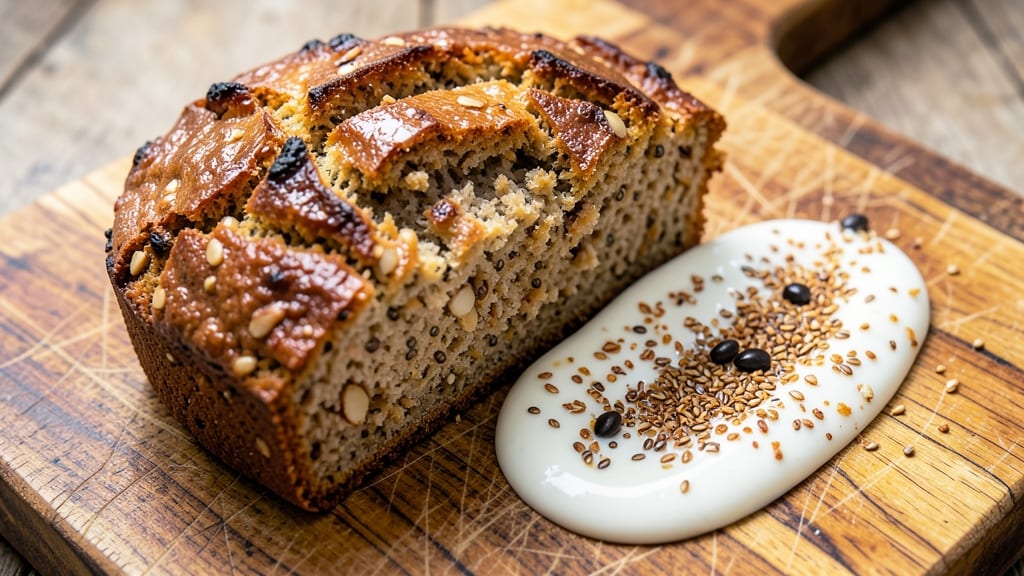
This almond chia bread recipe delivers the perfect rise with nutty sweetness and a satisfying crumb—no refined flour in sight. ✨ The secret lies in chia seeds, which create a naturally light texture while adding fiber and plant-based protein.
I developed this recipe after years of baking gluten-free loaves that either turned dense or crumbled, and this version finally cracked the code for a loaf that holds its shape yet stays tender.
The beauty of this recipe is its simplicity: just blend, mix, and bake. Almond flour provides that signature nutty flavor and moisture, while chia seeds act as a natural binder, replacing eggs and gluten.
The result is a loaf with a golden crust and a soft, slightly chewy interior—ideal for toast, French toast, or sandwiches. Best of all, it’s packed with nutrients that make it feel like a healthful indulgence.
Baking takes about 45 minutes at 350°F, with an additional 10 minutes of cooling before slicing. The key is balancing hydration—too much liquid and the bread will be gummy; too little, and it’ll dry out.
But once you nail the ratio, you’ll have a foolproof gluten-free loaf that rivals traditional bread in texture and flavor. This recipe also works beautifully as a savory base for soups or a sweet vehicle for jam.
Optional variations let you customize the flavor: add cinnamon and vanilla for a sweeter loaf, or mix in herbs and garlic for a savory twist. Store wrapped at room temperature for up to 5 days or freeze for longer shelf life. Let’s get baking!
Ingredients for almond chia bread
Eight simple ingredients transform into a golden, gluten-free loaf with nutty depth and perfect crumb.
| Ingredient | Amount | Notes |
|---|---|---|
| Almond Flour 🌰 | 3 cups | Finely ground, unsweetened |
| Chia Seeds 🌾 | ½ cup | Organic, whole seeds |
| Coconut Milk 🥥 | 1 ¼ cups | Full-fat, canned for creaminess |
| Flaxseed Meal 🌾 | ¼ cup | Ground flaxseed for binding |
| Pure Maple Syrup 🍯 | ¼ cup | Grade B for depth of flavor |
| Apple Cider Vinegar 🍎 | 1 tbsp | For light tang and rise |
| Baking Powder 🍞 | 1 tsp | Aluminum-free for vegan baking |
| Salt 🧂 | ½ tsp | Fine sea salt preferred |
| Vanilla Extract 🌿 | 1 tsp | Pure alcohol-free preferred |
| Water 💧 | ¾ cup | Room temperature for mixing |
| Cinnamon 🌶️ | ½ tsp | Optional for sweetness |
Almond flour is the backbone here—Bob's Red Mill or Anthony's Goods are my go-tos for consistent texture. Chia seeds must be whole, not ground, to create that perfect gel when mixed with liquid. Grab the organic kind from Whole Foods bulk bins if you can—they're fresher and less likely to spoil. For coconut milk, full-fat canned versions like Aroy-D work best; the creaminess is essential for that bread-like texture. If you're using vanilla extract, alcohol-free versions (like McCormick Pure) prevent any harsh aftertaste that might linger in the bread.
No almond flour? Cashew flour works in a pinch, though the flavor will be milder. Short on chia seeds? Ground flaxseed at 1.5x the amount mimics the binding properties, but the texture won't be identical. The maple syrup can be swapped for agave nectar if you prefer a more neutral sweetness. For a savory twist, omit the cinnamon and add 1 tsp dried rosemary and 1 tsp garlic powder—works beautifully with soups. The baking powder is non-negotiable; aluminum-free brands like Bob's Red Mill ensure vegan compatibility. Always measure your almond flour by weight (using a kitchen scale) rather than volume—it packs differently and can throw off the hydration balance.
This bread keeps best in an airtight container at room temperature for 5 days, though it's best enjoyed fresh. For longer storage, wrap tightly in parchment and foil, then freeze for up to 3 months. I like to slice it before freezing—toast straight from frozen for a quick breakfast. The loaf shrinks slightly as it cools, so don't panic if it looks smaller right out of the oven. Let it rest 10 minutes before slicing for clean cuts. Leftovers reheat beautifully in a 350°F oven for 5 minutes to restore that fresh-baked warmth.
Why You'll Love This Recipe
- No-Fuss Mixing: I swear by this—just blend, pour, bake. The chia seeds and flaxseed meal do all the heavy lifting while I sip my coffee. No kneading, no waiting for dough to rise, just a smooth batter that comes together faster than my willpower to resist eating it straight from the bowl.
- Sweet-Nutty Magic: That combo of almond flour and maple syrup? It’s like a cozy hug in bread form. The chia seeds add a subtle crunch, and the coconut milk keeps it moist without tasting like anything artificial. Honestly, it’s the kind of flavor that makes you forget it’s “healthy.”
- Breakfast or Snack Hero: I keep a loaf in the fridge for days—toast it for breakfast, pack slices for lunch, or serve it with almond butter when I’m craving something sweet. It’s my go-to for busy mornings, post-workout fuel, or when I need a quick dessert that doesn’t feel guilty.
- Budget-Friendly Staple: Almond flour and chia seeds might sound fancy, but they stretch further than regular bread. A single batch feeds my family for days, and the ingredients last weeks in my pantry. Between us, it’s cheaper than buying pre-packaged bread—and way more satisfying.
Step-by-step instructions for almond chia bread
Mix, rest, and bake your way to a perfectly risen gluten-free loaf with these precise steps.
👨🍳 Step 1: Create the Chia Egg and Bind the Dough
In a small bowl, whisk together the 0.5 cup chia seeds and 0.75 cup water. Let it sit for 10 minutes until it thickens into a gel-like consistency—this is your chia "egg" that replaces traditional eggs for binding. I press down gently on the mixture to test readiness; it should hold its shape when pushed with a finger.
In a large mixing bowl, combine the 3 cups almond flour, 0.25 cup flaxseed meal, 1 tsp baking powder, 0.5 tsp salt, and 0.5 tsp cinnamon. Mix these dry ingredients with a whisk until evenly distributed—this ensures no pockets of flour remain when we add wet ingredients later. The almond flour should look like fine sand with no visible lumps.
👨🍳 Step 2: Blend Wet Ingredients for Maximum Moisture
In a separate bowl, whisk together the 1.25 cups coconut milk, 0.25 cup pure maple syrup, 1 tbsp apple cider vinegar, and 1 tsp vanilla extract until fully combined. The vinegar might make the mixture smell sharp at first, but it'll mellow out during baking and add subtle tang. I like to press my finger into the mixture to check consistency—it should feel like thick pudding, not watery.
Pour the wet ingredients into the dry ingredients and mix with a spatula until just combined. Be careful not to overmix—just until you see no more dry spots. Then fold in the chia egg mixture until fully incorporated. The dough will be thick and sticky, but that's exactly what we want for that tender crumb texture. If it feels too thick, add 1-2 tablespoons water to loosen it slightly.
⏰ Step 3: Rest the Dough for Optimal Rise
Transfer the dough to a greased 8x4-inch loaf pan, smoothing the top with a wet spatula. Tap the pan gently on the counter a few times to release any air bubbles that might have formed. Cover the pan tightly with plastic wrap and let it rest at room temperature for 30 minutes. This resting period allows the flaxseed and chia to fully hydrate and develop their binding properties.
I know it seems counterintuitive to wait when you're eager to bake, but this step makes all the difference. The dough will rise slightly during this time, and the flavors will meld together. If your kitchen is cold, you might want to place the pan in a slightly warm area to help the dough come together better.
🔥 Step 4: Bake Until Golden and Springy
Preheat your oven to 350°F and bake the bread for 45-50 minutes until the top is golden brown and a toothpick inserted in the center comes out clean. The bread might look slightly underdone at first, but don't open the oven door to check—this can cause the bread to sink. Instead, trust the toothpick test and the golden color as your indicators.
Here's the thing—almond flour bread can be tricky because it doesn't brown like wheat flour bread. If the top isn't golden enough after 45 minutes, tent the pan with foil and bake for another 5-10 minutes. The bread should spring back slightly when pressed in the center, indicating it's fully baked. Let it cool in the pan for 10 minutes before transferring to a wire rack to cool completely.
🍞 Step 5: Slice and Serve for Maximum Freshness
Once the bread has cooled completely, slice it into 8 equal pieces using a sharp serrated knife. The crumb should be tender with a slight chewiness from the almond flour, and you'll notice those beautiful chia seeds speckled throughout. I like to serve it fresh with a thin spread of almond butter or a drizzle of maple syrup for that perfect balance of nutty sweetness.
This bread keeps well at room temperature for 3 days wrapped in a clean kitchen towel, or you can freeze slices for up to 1 month. To reheat, simply toast in a toaster or warm in a 300°F oven for 5 minutes to restore that fresh-baked texture. The beauty of this recipe is its versatility—it works equally well for breakfast toast, sandwiches, or as a side to soups and stews.
Pro Tips For Making Almond Chia Bread
- Mix Chia First: Let chia seeds soak in coconut milk for 10 minutes before adding almond flour—this prevents clumping and guarantees a smoother batter. I learned this the hard way when my first batch turned out lumpy and dense.
- Use Warm Maple Syrup: Heat the maple syrup to 110°F (43°C) before mixing—just enough to thin it slightly without cooking it. Cold syrup can make the batter too thick, and you’ll end up with a heavy loaf instead of something light and airy.
- Don’t Overmix the Batter: Stir just until combined after adding flaxseed meal, then stop. Overmixing develops gluten (which almond flour doesn’t have) and can make the bread gummy. A few streaks of flour are fine—perfection isn’t the goal here.
- Bake at 325°F, Not Higher: This recipe needs gentle heat to set properly. I used to blast the oven to 350°F, and the bread would brown too fast on the outside while staying undercooked inside. Lower heat = even baking every time.
Storing and reheating this almond chia bread
Room Temperature Storage
Wrap your freshly baked almond chia bread in a clean kitchen towel or parchment paper before placing it in an airtight container—this keeps it moist and fresh for up to 5 days.
I like to store it on the counter rather than the fridge, as the cool environment can make it dry out faster. The towel helps absorb any excess moisture while maintaining that perfect texture. 🌰
Freezer-Friendly Slices
For longer storage, slice the bread before freezing—this makes it easier to grab just what you need. Wrap individual slices tightly in plastic wrap or place them in a freezer bag with all the air squeezed out.
Label with the date and store for up to 3 months. When ready to eat, toast straight from frozen for a quick breakfast or warm in the oven for a comforting side. 🧊
Reheating for Freshness
To restore that fresh-baked warmth, pop slices in a toaster for 2-3 minutes or warm in a 350°F oven for 5-7 minutes. For a stovetop option, lightly toast in a dry skillet over medium heat for 1-2 minutes per side.
Avoid microwaving—it can make the bread gummy. I find reheating in the oven preserves the best texture and flavor. ✨
Reviving Dried Bread
If your bread starts to dry out, don’t toss it! Place slices in a paper bag and microwave for 10-15 seconds with a damp paper towel on top.
The steam will revive the moisture without making it soggy. Alternatively, brush with a little olive oil or maple syrup and toast—this adds flavor while restoring softness. 💫
Preventing Staleness
To extend freshness, store the bread in a bread box or ceramic container—these materials help regulate humidity better than plastic.
If you’re not a fan of wrapping, place a slice of apple in the container with the bread; the apple releases moisture and keeps it soft for an extra day or two. Avoid refrigerating unless absolutely necessary—it speeds up staling. 🍎
Nutrition facts
Frequently asked questions
Why does my almond chia bread turn out dense instead of light?
The most common culprit is overmixing or skipping the 30-minute rest. Mix just until combined, and never overbeat the dough—this develops gluten in almond flour, making the bread tough. Also, ensure your chia egg is fully thickened (10 minutes) before mixing. If your oven runs hot, reduce temp to 340°F for a more even rise.
Can I substitute almond flour with another nut flour?
Yes! Cashew flour works 1:1 for a milder flavor, while walnut flour adds earthy depth. However, cashew flour is less likely to brown, so you may need to tent with foil during baking. Avoid hazelnut flour—it has a stronger flavor that can overpower the recipe. Always measure by weight for consistency.
How do I make this bread sweeter without adding sugar?
Boost natural sweetness by increasing the maple syrup to 0.35 cups or adding 0.25 cup unsweetened applesauce. For a caramel note, swap half the coconut milk with 1/4 cup brewed coffee (cooled). The vanilla extract can also be doubled to 2 tsp for a richer aroma. These tweaks enhance flavor without extra sugar.
Is this bread safe for nut allergies?
No, this recipe contains almond flour and is not safe for nut allergies. For an allergy-friendly version, replace almond flour with 1:1 gluten-free oat flour or certified nut-free sunflower seed flour. The chia seeds remain safe for most allergies, but always check with your doctor if you have multiple food sensitivities.
Why does my bread crack on top?
Cracking usually means the dough was too dry or the oven temp was too high. Ensure your coconut milk is full-fat (not light) and your almond flour isn't packed down. If cracks appear, brush the top with 1 tsp coconut milk before baking to create a smoother crust. Also, avoid opening the oven door during the first 30 minutes of baking.