
Side Dishes
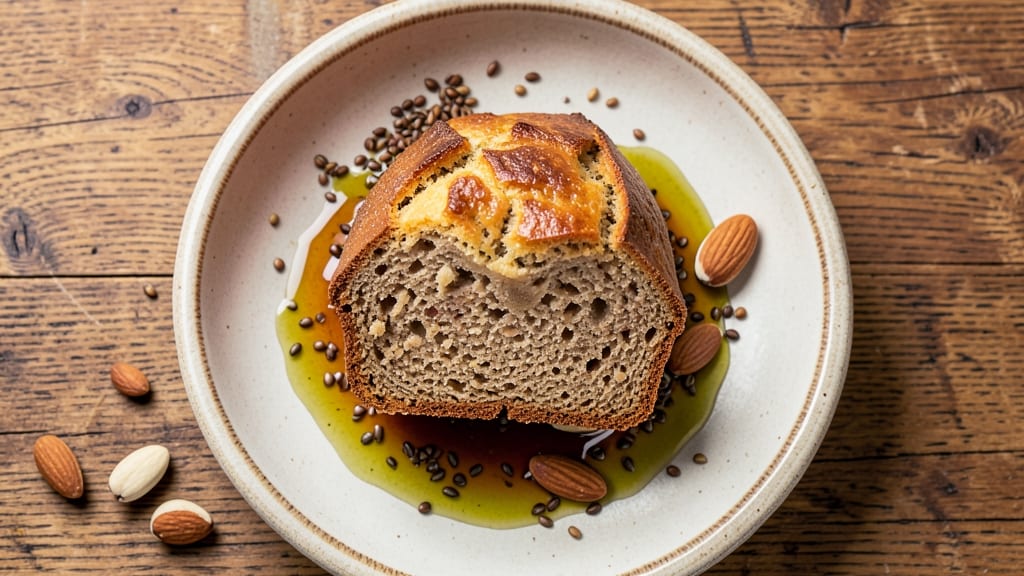
This almond flax bread recipe delivers a perfect balance of nutty crunch and irresistibly moist crumb—ideal for sandwiches, toast, or serving alongside soups. The secret lies in flaxseed "eggs" and almond flour, which create a tender yet sturdy texture without dairy or gluten.
I developed this recipe after years of baking challenges, and it never fails to impress with its rich flavor and satisfying bite.
The magic begins with properly hydrating the almond flour and flax mixture, ensuring a light yet dense crumb. Unlike traditional breads, this version relies on flaxseed eggs (1 tbsp ground flax + 3 tbsp water per "egg") for binding, while almond flour adds a subtle nuttiness and moisture-retention.
The dough requires minimal kneading, making it beginner-friendly while still yielding professional results.
What you’ll end up with is a loaf that’s crisp on the outside, tender within, and packed with almond flavor in every slice. The moist crumb stays fresh for days when stored properly, and the nutty aroma alone makes it worth baking.
This bread is perfect for meal prep, gifting, or simply enjoying with butter and jam.
Once baked, let it cool completely before slicing to maintain its structure. Store wrapped at room temperature for up to 5 days or freeze for longer shelf life.
The versatility of this recipe makes it a staple for any kitchen—whether you’re making toast, sandwiches, or serving it as a side dish.
Ingredients for almond flax bread
Eight simple ingredients transform into a nutty, moist loaf perfect for sandwiches or toast.
| Ingredient | Amount | Notes |
|---|---|---|
| Almond Flour 🥜 | 3 cups | Finely ground, unsweetened |
| Ground Flaxseed 🌾 | ½ cup | Freshly ground preferred |
| Water 💧 | 1 ½ cups | Room temperature |
| Extra-Virgin Olive Oil 🫒 | ¼ cup | High quality, fruity |
| Maple Syrup 🍯 | ¼ cup | Grade B for robust flavor |
| Baking Powder 🍞 | 1 tsp | Aluminum-free preferred |
| Salt 🧂 | ½ tsp | Fine sea salt |
| Apple Cider Vinegar 🍎 | 1 tbsp | For tangy depth |
| Vanilla Extract 🌿 | 1 tsp | Pure vanilla preferred |
| Sesame Seeds 🌻 | 2 tbsp | Optional for topping |
| Poppy Seeds 🌼 | 1 tbsp | Optional for topping |
Almond flour is the star here—Bob's Red Mill or Anthony's Goods brands are my go-tos for consistent texture. Buy it in small quantities since it goes rancid after 3-4 months. The ground flaxseed should be fresh; Bob's Red Mill sells it pre-ground, but grinding your own at home ensures maximum potency. Store both flours in airtight containers in a cool, dark place. For the maple syrup, Grade B has more robust flavor than Grade A—New England Maple is my favorite for this recipe.
No almond flour? Cashew flour works in a pinch, though the texture will be slightly denser. Substitute flaxseed with chia seeds at the same ratio, but increase hydration by 1 tbsp water. For sweetness, agave nectar or date syrup both work well. The apple cider vinegar adds tang that balances the nuttiness—white vinegar in a bind, but reduce to 1 tsp. Sesame and poppy seeds are optional but add beautiful crunch; toasted before baking enhances their flavor dramatically. The vanilla extract should be pure—imitation extracts will leave a chemical aftertaste.
This bread keeps beautifully—5 days wrapped at room temperature or 3 months frozen. For freezing, slice first then wrap tightly in plastic. The crumb stays moist even after freezing, making it perfect for meal prep. To revive, warm slices in a 350°F oven for 5 minutes. For best results, bake fresh loaves every 2 weeks to maintain peak flavor and texture. The nutty aroma alone makes this bread worth the effort—slice and share while still warm.
Why You'll Love This Recipe
- No Mixer Needed: I swear by this recipe when my hands are full—just toss the almond flour, ground flaxseed, and water together, then fold in the olive oil and maple syrup. The dough comes together smoother than I expected, and honestly? No one would guess it’s that unfussy.
- Nutty-Sweet Magic: That first bite of warm bread with the toasty almond flavor and just a hint of maple syrup’s caramel depth? It’s the kind of taste that makes me pause mid-slice. The flaxseed adds this subtle earthiness that balances the richness perfectly—like a cozy hug in bread form.
- Weeknight Meal Prep: Between us, this bread is my lazy dinner solution. Toast it for breakfast, tear it into chunks for lunch salads, or use it as a base for open-faced sandwiches. It keeps for days in the fridge, so I bake a loaf on Sundays and forget about it—until someone clears their plate and asks for seconds.
- Budget-Friendly Staple: Almond flour might sound fancy, but a little goes a long way, and the flaxseed stretches the dough beautifully. I’ve made this for potlucks, picnic lunches, and even as a side for holiday dinners—no one questions the price tag when it disappears so fast. Plus, the olive oil and maple syrup add richness without breaking the bank.
Step-by-step instructions for almond flax bread
This method delivers a perfectly moist crumb with nutty depth—every slice stays fresh for days.
Combine Wet Ingredients for Optimal Texture
In a medium bowl, whisk together the 1.5 cups water, 0.25 cup extra-virgin olive oil, and 0.25 cup maple syrup until fully blended. The olive oil adds richness while the maple syrup enhances moisture retention—don't skip this step. Add the 1 tbsp apple cider vinegar and 1 tsp vanilla extract, then stir vigorously for 30 seconds. The vinegar creates a gentle acidity that balances the sweetness, while the vanilla adds subtle complexity. Let this mixture sit for 5 minutes at room temperature to allow the flaxseed to absorb properly.
In a separate small bowl, combine the 0.5 cup ground flaxseed with 1.5 cups water and stir well. Let it thicken for 10 minutes—it should form a gel-like consistency similar to flax eggs. This binding agent replaces traditional eggs while maintaining structure. I've found freshly ground flaxseed works best as pre-ground versions lose their binding properties over time.
Mix Dry Ingredients and Combine Wet Mixtures
In a large mixing bowl, sift together the 3 cups almond flour, 1 tsp baking powder, and 0.5 tsp salt. Use a whisk to break up any lumps in the almond flour—this ensures an even crumb texture. Create a well in the center and pour in the flaxseed gel mixture first. Gently fold with a spatula until just combined, then gradually add the remaining wet ingredients while mixing on low speed until smooth.
The batter should be thick but pourable—similar to pancake batter consistency. If it appears too dry, add 1-2 teaspoons of water to help the ingredients bind properly. Overmixing develops gluten and can make the bread dense, so mix only until all dry ingredients are incorporated. The almond flour gives this bread its signature nutty flavor and tender crumb, but it requires careful handling to prevent dryness.
Prepare the Loaf Pan for Perfect Rise
Preheat your oven to 350°F and lightly grease an 8x4-inch loaf pan with olive oil or line it with parchment paper. The pan should be well-coated to prevent sticking—almond flour tends to adhere more than wheat flour. Pour the batter into the prepared pan and smooth the top with a spatula. Tap the pan gently on the counter 3-4 times to eliminate any air bubbles that could create uneven texture.
For optimal results, let the batter rest in the pan for 15 minutes at room temperature. This allows the flaxseed to fully activate and the almond flour to hydrate properly. The batter should rise slightly during this time—about ¼ inch—indicating it's ready for baking. If you notice the batter spreading too much, gently press down on it with your fingers to maintain the loaf shape.
Bake to Golden Perfection
Place the loaf pan in the preheated oven and bake for 45-50 minutes, or until a toothpick inserted in the center comes out clean. The top should be golden brown with slight cracking—this indicates proper moisture retention. I recommend checking the bread at the 40-minute mark as ovens vary in temperature accuracy. If the top browns too quickly, tent it loosely with aluminum foil to prevent over-browning while allowing steam to escape.
During the final 5 minutes of baking, you'll notice the bread develop a subtle nutty aroma—this is your cue that it's nearly done. Remove from the oven and let the bread cool in the pan for 10 minutes before transferring to a wire rack. This cooling period prevents the bread from becoming gummy in the center. The internal temperature should reach 190-200°F when done, ensuring a perfectly baked loaf.
Add Toppings and Slice for Serving
While the bread is still warm, mix together the 2 tbsp sesame seeds and 1 tbsp poppy seeds in a small bowl. Sprinkle this seed mixture evenly over the top of the loaf while it's still in the pan. The seeds will adhere better when the bread is warm, creating that beautiful crunchy topping you see in bakery loaves. Let the bread cool completely on the rack before slicing—this ensures clean cuts and prevents the crumb from tearing.
Slice the bread into 8 equal portions using a serrated knife for clean cuts. Each slice should have a moist, tender crumb with visible nutty flecks from the almond flour. The seed topping adds both visual appeal and a delightful textural contrast. Store any leftovers in an airtight container at room temperature for up to 3 days or freeze for longer storage. This bread pairs beautifully with butter, jam, or as a base for sandwiches—its versatility makes it a staple in any kitchen.
Pro Tips For Making Almond Flax Bread
- MEASURE FLAXSEED PRECISELY: Use a kitchen scale for ground flax—1 tablespoon by volume varies wildly. I learned this after my first batch turned gummy; the extra moisture from over-measuring ruined the texture. Aim for 3 tablespoons by weight (about 15g) for the right bind.
- WHISK THE BATTER WELL: Don’t just stir—whisk the wet ingredients for 2 full minutes until the flax fully hydrates and the batter looks smooth. I used to skip this, and the bread would split unevenly. A fork won’t cut it; the flax needs proper emulsification.
- BAKE UNTIL 190°F: Check doneness with an instant-read thermometer—190°F at the center guarantees a tender crumb without gumminess. The loaf might look set earlier, but underbaking is the #1 reason almond flax bread turns dense. No guesswork.
- ADD OIL LAST: Mix the olive oil in after combining wet ingredients, not with the dry flour. I was skeptical until I tried it—this prevents the almond flour from absorbing all the oil upfront, keeping the crumb light and the crust crisp. Just a splash, but it matters.
Perfect pairings for almond flax bread
Breakfast Pairings
Start your day with this nutty bread by pairing it with avocado toast—mash ½ ripe avocado with 1 tbsp lemon juice, salt, and black pepper, then spread it on warm slices. The creamy texture contrasts perfectly with the bread’s crunch.
For extra protein, top with poached eggs or turmeric-spiced tofu crumbles. A side of berry compote (simmer 1 cup mixed berries with 1 tbsp maple syrup) adds bright acidity that cuts through the richness. 🌱
Lunch & Sandwiches
This bread is a sandwich game-changer—try it with hummus and roasted veggies (layer ¼ cup hummus, sliced cucumber, roasted red peppers, and sprouts). For a hearty option, pile on grilled chicken, avocado, and sriracha mayo.
I love adding thinly sliced apples or pears for natural sweetness. For a vegan twist, use marinated white beans instead of meat. The almond flour’s sturdy texture holds up to all these fillings beautifully. ✨
Dinner Sides
Serve warm slices alongside creamy soups like butternut squash or lentil—dip a slice into the broth for the ultimate comfort combo. For a Mediterranean spread, pair with olive tapenade, marinated artichokes, and feta cheese.
The bread’s nutty notes complement the briny olives and tangy feta perfectly. A simple olive oil drizzle and flaky sea salt elevate even the simplest dinner plate. 🥗
Sweet Pairings
Dip slices in dark chocolate melted with a pinch of sea salt for an instant dessert. Spread with almond butter and sliced banana, then drizzle with honey for a no-bake treat.
For a boozy twist, brush warm slices with mascarpone cream and top with cinnamon—the nutty crumb soaks up the sweetness beautifully. A sprinkle of toasted coconut flakes adds texture. 🍫
Beverage Matchups
Pair this bread with iced matcha latte—the earthy notes of matcha enhance the almond flavor. For coffee lovers, a cold brew with vanilla syrup complements the bread’s subtle sweetness. Sparkling hibiscus tea (try Tazo Hibiscus blend) adds a tangy contrast.
For a boozy option, dry sparkling wine or gin and tonic with a citrus twist cleanse the palate between bites. 🍵
Meal Prep Pairings
Pack slices with nut butter and chia jam for on-the-go energy. Pair with pre-cut veggies and hummus in a bento box for a balanced lunch. For a protein boost, add hard-boiled eggs or roasted chickpeas.
The bread’s sturdy texture holds up well in containers, making it perfect for work lunches or picnic spreads. Store with a damp paper towel to keep it fresh for 3-4 days**. 🧺
Nutrition facts
Frequently asked questions
Why does this almond flax bread need flaxseed eggs instead of regular eggs?
The flaxseed eggs create a perfect vegan binding agent that mimics the texture of traditional eggs while adding a subtle earthy depth. The ground flaxseed absorbs water to form a gel-like consistency that holds the bread together during baking, just like egg proteins would. Plus, it adds fiber and omega-3s that regular eggs can't provide!
Can I make this bread gluten-free?
Yes! This recipe is naturally gluten-free since it uses almond flour instead of wheat. Just ensure your baking powder is gluten-free and your cross-contamination risk is minimal. The texture will be slightly denser but still moist and delicious. For extra tenderness, you can add 1 tbsp psyllium husk powder to the dry ingredients.
What if my batter is too thick or too thin?
If it's too thick, add 1-2 teaspoons of water at a time until it reaches pancake batter consistency. Too thin? Stir in 1-2 tablespoons of almond flour until it thickens. The ideal batter should coat the back of a spoon but still flow smoothly. Remember, almond flour absorbs moisture differently than wheat flour, so don't be afraid to adjust slightly!
How do I know when the bread is fully baked?
Your bread is done when it reaches an internal temperature of 190-200°F and a toothpick inserted in the center comes out clean. The top should be golden brown with slight cracking—this indicates proper moisture retention. If it browns too quickly, tent with foil to prevent over-browning while allowing steam to escape.
Can I add mix-ins like nuts or chocolate chips?
Fold in ½ cup chopped walnuts or pecans for extra crunch, or ¼ cup mini dark chocolate chips for sweetness. Just be gentle when mixing to avoid over-developing the almond flour's texture. For best results, toast nuts first to enhance their flavor—sprinkle them on top instead of mixing in for more even distribution.