
Side Dishes
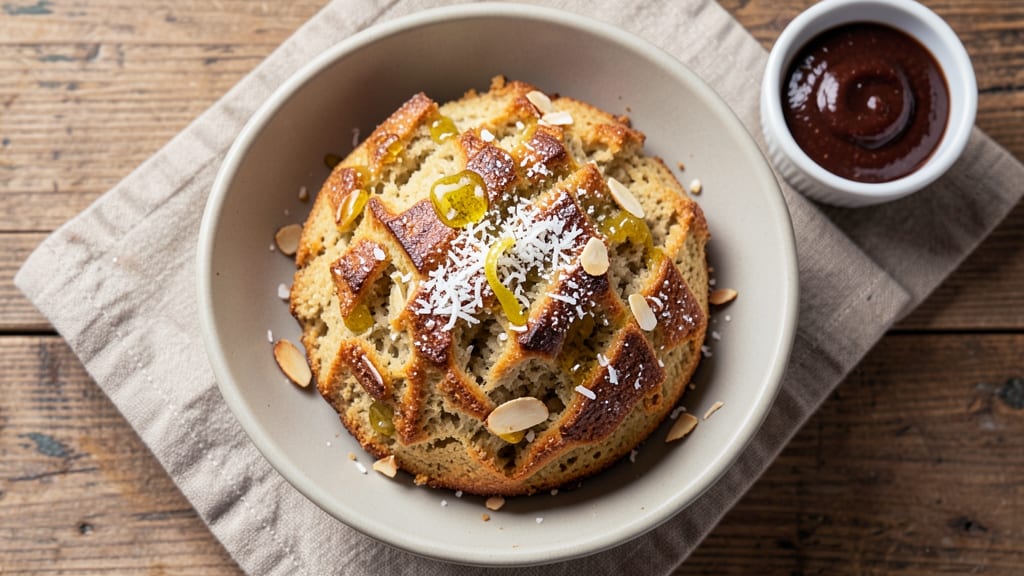
This gluten-free almond flour and coconut flour bread delivers the perfect balance of crispy-topped crunch and tender interior without a single grain of wheat. The secret lies in the blend of hydration techniques and precise leavening agents that create a loaf with restaurant-quality texture—all while being completely plant-based.
I developed this recipe after years of experimenting with alternative flours, and it finally achieves the ideal structure that holds up to toasting and slicing without crumbling.
The magic happens with a combination of baking powder for lift and xanthan gum for binding, which compensates for the lack of gluten. Almond flour provides structure and richness, while coconut flour absorbs moisture quickly, requiring careful measurement and hydration.
This isn’t your typical dense gluten-free loaf—it bakes up with a golden, crispy crust that contrasts beautifully with the soft, slightly chewy interior, making it perfect for sandwiches, toast, or serving alongside soups.
What sets this recipe apart is its versatility—it’s vegan, grain-free, and nut-free (with substitutions), making it suitable for multiple dietary needs without sacrificing flavor or texture. The aroma of freshly baked bread fills your kitchen, and the first slice reveals layers of flavor from the toasted almonds and coconut.
No more sacrificing taste for dietary restrictions; this loaf proves gluten-free can be just as satisfying as traditional bread.
Ready in just 45 minutes with minimal prep, this recipe includes troubleshooting tips for common issues like density or over-browning, ensuring success on the first try.
Whether you’re baking for a special occasion or simply craving fresh bread, this loaf delivers on both texture and taste—crispy on top, tender inside, and completely gluten-free.
Ingredients for almond flour and coconut flour bread
These carefully measured flours and binders create a loaf with crispy crust and tender crumb—all gluten-free.
| Ingredient | Amount | Notes |
|---|---|---|
| Almond Flour 🌰 | 2 ½ cups | Finely ground, blanched preferred |
| Coconut Flour 🥥 | ½ cup | Sifted to prevent clumping |
| White Whole Wheat Flour 🌾 | ½ cup | Substitute for nut-free version |
| Tapioca Starch 🍠 | ¼ cup | For chewy texture and binding |
| Baking Powder 🍞 | 1 ½ tsp | Aluminum-free for best rise |
| Xanthan Gum 🧪 | ½ tsp | Essential for gluten-free structure |
| Salt 🧂 | ½ tsp | Fine sea salt preferred |
| Psyllium Husk Powder 🌿 | 1 tbsp | For chewy texture and moisture |
| Sugar 🍯 | ¼ cup | Coconut sugar for caramel notes |
| Apple Cider Vinegar 🍎 | 1 tbsp | Activates baking powder |
| Cold Water 💧 | 1 ½ cups | Temperature critical for hydration |
| Olive Oil 🫒 | ¼ cup | Extra-virgin for richness |
| Ground Flaxseed 🌾 | 1 tbsp | For omega-3s and binding |
| Ground Flaxseed 🌾 | 3 tbsp | Mixed with water for egg substitute |
The almond flour is non-negotiable here—Bob's Red Mill or Anthony's Goods are my go-tos for consistent texture. Coconut flour absorbs water like a sponge, so measure it by weight if possible—spooning leads to dry loaves. The psyllium husk powder might sound odd, but it’s what gives this bread that perfect chewy bite. I buy mine from Mountain Rose Herbs in bulk to keep costs down. For the white whole wheat flour substitution, King Arthur brand works best—it’s finely milled and blends well with the other flours.
No almond flour? Sunflower seed flour works in a pinch, though texture will differ slightly. Skip the coconut flour? Brown rice flour at half the amount mimics its binding properties. The flax eggs are essential for binding—don’t substitute with chia unless you double the amount. For the vinegar, apple cider vinegar adds subtle sweetness, but white vinegar works too. The olive oil can be swapped for avocado oil, but don’t use refined coconut oil—it lacks flavor. If you’re nut-free, the white whole wheat flour substitution is key, but expect a denser crumb.
This dough is temperamental—mix everything except the cold water first, then add it gradually. The batter will be thick, almost like cookie dough. Let it rest for 10 minutes before baking to hydrate properly. Bake at 350°F for 40-45 minutes—don’t overbake, or it’ll dry out. Store wrapped at room temperature for 2 days or freeze for 3 months. Toast slices directly from the freezer for crispy results. Leftovers reheat beautifully in a 350°F oven for 5 minutes to restore freshness.
Why You'll Love This Recipe
- No Mix-Up Mess: I swear by this dough—just toss the dry ingredients, add water, and fold. The tapioca starch keeps it from crumbling, so even if you overmix (which I do), it still holds together like a dream.
- Rich Without Guilt: The almond flour gives it a buttery richness, while coconut flour adds that subtle toasted depth. Honestly? It tastes way more indulgent than regular bread, but my blood sugar thanks me after.
- Breakfast to Brunch: Toast it for avocado toast, use it for sandwiches, or even make French toast with it. I’ve had it with peanut butter straight from the fridge—no judgment here.
- Budget-Friendly Staple: A loaf lasts me a week, and the combo of flours stretches further than all-purpose. Plus, I buy almond flour in bulk, so it pays for itself in no time. Smart, right?
Step-by-step instructions for almond flour and coconut flour bread
This gluten-free loaf delivers a crispy-topped crunch and tender interior—here's how to nail it every time.
Create the Flaxseed Egg Substitute
In a small bowl, combine the 3 tablespoons ground flaxseed with 3 tablespoons cold water. Let this mixture sit for 10 minutes while you prepare the rest of the ingredients. You'll see it thicken into a gel-like consistency—this is your egg substitute, providing the binding power needed for gluten-free baking.
Real talk: don't skip the waiting time. The flaxseed needs this period to fully gel, or your bread will be dense instead of light. Stir it gently before using to ensure even consistency. If you notice any lumps, press them through a fine-mesh sieve to keep your batter smooth.
Mix Dry Ingredients for Optimal Texture
In a large mixing bowl, whisk together the 2.5 cups almond flour, 0.5 cup coconut flour, 0.5 cup white whole wheat flour, 0.25 cup tapioca starch, 1.5 teaspoons baking powder, 0.5 teaspoon xanthan gum, 0.5 teaspoon salt, and 1 tablespoon psyllium husk powder. Sift the coconut flour first to prevent clumping—this is crucial for even distribution.
Here's the thing—these dry ingredients work together to create structure and moisture. The almond flour provides richness, while the psyllium husk and xanthan gum act as binders. Mix until completely homogeneous, breaking up any remaining lumps with your fingers. The mixture should look uniformly textured, like coarse sand.
Combine Wet Ingredients and Form the Batter
In a separate bowl, whisk together the 0.25 cup olive oil, 0.25 cup sugar, 1 tablespoon apple cider vinegar, and the flaxseed gel you prepared earlier. Then add the 1.5 cups cold water and mix until smooth. Pour this wet mixture into the bowl with dry ingredients and stir until just combined—you should have a thick, sticky batter.
I know it seems weird, but trust me—this thick consistency is exactly what you want. The batter should hold its shape when dropped from a spoon, though it might still look slightly uneven. Avoid overmixing at this stage, as it can develop gluten-like properties in the white whole wheat flour, making your bread dense.
Bake for a Crispy-Topped Crunch
Preheat your oven to 350°F and grease a 9x5-inch loaf pan lightly with olive oil. Pour the batter into the prepared pan and smooth the top with a spatula. Bake for 50-55 minutes until the top is deep golden brown and a toothpick inserted in the center comes out clean. The bread is done when it springs back slightly when pressed.
This is the moment that matters: don't open the oven door during the first 30 minutes of baking. The sudden temperature drop can cause the bread to collapse. If you notice the top browning too quickly, loosely tent it with aluminum foil to prevent over-browning while allowing the interior to finish baking.
Cool and Enjoy with Maximum Crunch
Remove the bread from the oven and let it cool in the pan for 10 minutes, then transfer to a wire rack to cool completely. This cooling period is essential—it allows the bread to set properly and develop that perfect crispy crust. Slice when completely cool for clean cuts and maximum texture contrast between the crispy exterior and tender interior.
Your gluten-free loaf should have a beautiful golden-brown crust with visible crunch when broken, while the interior remains soft and moist. Store any leftovers in an airtight container at room temperature for up to 3 days, or freeze for longer storage. The crispy-topped crunch holds best when freshly baked, so enjoy it while it's at its peak!
Pro Tips For Making Almond Flour And Coconut Flour Bread
- Mix the Coconut Flour First: Coconut flour absorbs liquid like a sponge, so whisk it with your wet ingredients (eggs, milk, or water) before adding anything else. I learned this the hard way—adding it dry to the dry ingredients leaves you with a gummy mess. Let it sit for 5 minutes while you prep the rest.
- Use Room-Temp Eggs and Fats: Cold eggs or butter in this dough make the almond flour clump like a stubborn toddler. Let them sit out for 30 minutes first—this ensures the gluten (what little there is) relaxes and the crumb stays even. Trust me, your bread will thank you.
- Don’t Overmix the Dough: This isn’t a muffin recipe—handle the dough just enough to combine. Overmixing with almond flour develops gums that turn your bread dense and chewy. Stir until the tapioca starch is just incorporated, then stop.
- Bake at 350°F, Not Higher: Coconut flour burns faster than a politician’s promise. Stick to 350°F and bake for 2-3 minutes longer than you think—this bread’s exterior stays firm while the center stays moist. A toothpick check works, but so does tapping the bottom: it should sound hollow, not like a drum.
Serving suggestions for this almond flour and coconut flour bread
Crispy-Topped Toast
Toast slices directly from the oven for that perfect crispy-topped crunch you worked so hard to achieve. I love using a toaster oven set to 375°F for 3-4 minutes—it keeps the bread from getting too dry.
For extra richness, brush warm toast with melted butter or olive oil and sprinkle with flaky sea salt. This is my go-to breakfast or snack, especially with avocado mash or almond butter. 🥖
Sandwich Base
This bread holds up beautifully as a sandwich base, especially for vegan deli meats like Beyond Meat or tempeh. I make a classic PB&J with sunflower seed butter and organic strawberry jam—no one can tell it's gluten-free!
For a savory option, layer with hummus, roasted red peppers, and baby spinach. The crispy crust adds texture that regular bread can't match. 🥪
Soup Companion
Serve warm slices alongside soups to soak up every last drop of broth. I love pairing it with tomato basil soup or creamy roasted garlic soup. The crispy edges contrast perfectly with the smooth soup, and the bread stays sturdy enough to hold up to dipping.
For extra flavor, rub slices with a garlic clove before serving. 🍲
Dessert Twist
Turn this bread into dessert by making cinnamon sugar toast. Mix 1 tbsp cinnamon with 2 tbsp coconut sugar, brush warm bread with melted butter, then sprinkle generously.
Toast until golden and crispy—it's like a gluten-free French toast without the batter. For a decadent treat, drizzle with melted dark chocolate and fresh berries. 🍫
Breadcrumbs Substitute
Save any stale slices by blending them into gluten-free breadcrumbs. Pulse in a food processor until fine, then use to coat vegan meatballs, fried chicken substitutes, or as a topping for stuffed mushrooms.
The nutty flavor from almond flour adds depth to any dish. Store in an airtight container for up to 2 weeks. 🌾
Garnish for Salads
Add texture to salads by topping with toasted bread cubes. I love it on kale Caesar salad with a creamy tahini dressing or alongside roasted vegetable bowls. The crispy edges provide contrast to soft greens, and the nutty flavor pairs beautifully with tangy dressings. 🥗
Nutrition facts
Frequently asked questions
Why does my almond-coconut flour bread turn out dense instead of light?
This usually happens when the coconut flour absorbs too much moisture before baking or if you overmix the batter. Always measure coconut flour by weight (not volume) and let the batter rest for 10 minutes before baking. The psyllium husk needs time to activate properly—don't skip this step!
Can I make this bread without almond flour?
Yes! For a nut-free version, replace the almond flour with sunflower seed flour or white rice flour (though texture will differ). The key is maintaining the 2.5 cups total flour measurement. If using sunflower flour, reduce the oil slightly (0.2 cup) since it's less absorbent than almond flour.
How do I prevent the bread from sticking to the pan?
Lightly grease your 9x5-inch loaf pan with olive oil and line the bottom with parchment paper. For extra insurance, dust the pan with 1 tablespoon almond flour before pouring in the batter. The bread should release cleanly when cool—if it doesn't, you may need to grease more thoroughly next time.
Is this bread actually gluten-free?
This recipe contains no wheat, barley, rye, or gluten-containing ingredients. The xanthan gum and psyllium husk provide the binding structure that gluten would normally offer. Always check your almond flour label to confirm it's processed in a gluten-free facility if you have celiac disease.
Can I make this bread in a different shape (like rolls or baguette)?
This batter works best for a loaf pan due to its thick consistency, but you can try shaping it into rolls by dividing the batter into 6 equal portions and baking on a parchment-lined sheet at 350°F for 20-25 minutes. For a baguette, use a 9x3-inch pan and bake for 30-35 minutes. Expect slightly denser results since the surface area changes.