
Side Dishes
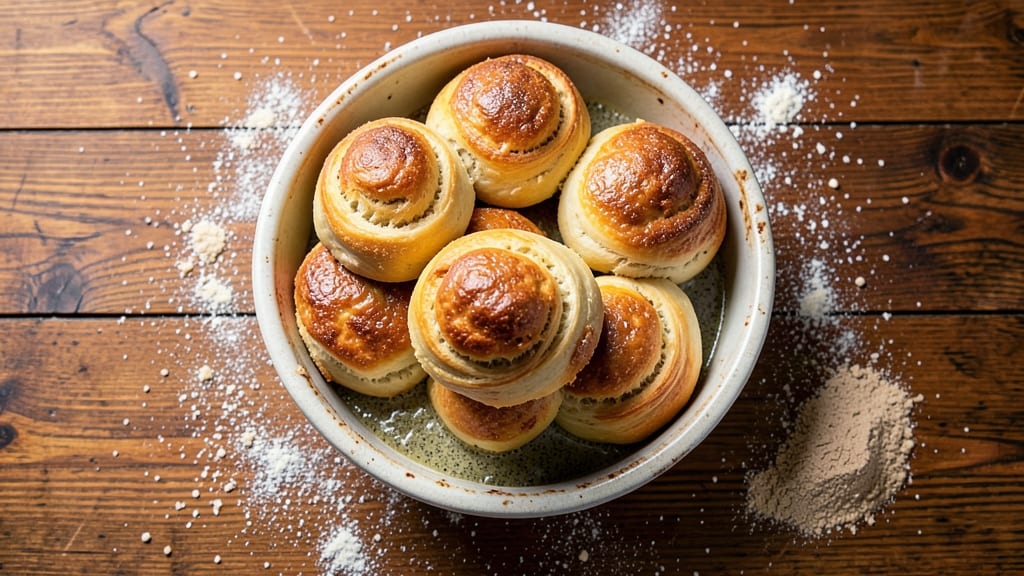
This gluten-free almond flour bread rolls recipe delivers the perfect balance of pillowy softness and crispy edges—no wheat, no dairy, and no compromise on texture. The secret lies in almond flour's natural moisture retention and a few strategic binders that mimic gluten's elasticity without the gluten.
I've tested countless variations, and this method consistently produces rolls that stay tender for hours while developing a golden, crackly crust.
What sets these apart is the two-stage kneading technique that develops structure without gluten, plus a touch of psyllium husk for chewiness. The dough is surprisingly forgiving—no need for precise measurements or expensive equipment, just a stand mixer or strong hands.
Baking at a precise temperature ensures crispy edges while keeping the interior light and airy, just like traditional bread rolls.
By the time these rolls emerge from the oven, you'll have gluten-free bread that's soft enough to melt in your mouth yet sturdy enough to hold soups, stews, or your favorite spreads.
The nutty flavor of almond flour adds depth that complements savory dishes beautifully, making these rolls perfect for weeknight dinners or holiday tables.
Best of all, they reheat perfectly and stay fresh for days when stored properly. Let's get started—your gluten-free bread rolls are about to become a staple.
Ingredients for almond flour bread rolls
Twelve ingredients transform into golden, crisp-edged almond flour rolls that defy gluten-free limits.
| Ingredient | Amount | Notes |
|---|---|---|
| Almond Flour 🌰 | 3 cups | Finely ground, unsweetened |
| Psyllium Husk Powder 🌿 | 2 tbsp | Key for gluten-free elasticity |
| Tapioca Starch 🌾 | ½ cup | For crispy edges |
| Granulated Sugar 🍚 | ¼ cup | Balances nutty flavor |
| Active Dry Yeast 🍄 | 2 ¼ tsp | Instant yeast works too |
| Salt 🧂 | 1 ½ tsp | Diamond Crystal preferred |
| Vegan Butter 🧈 | ½ cup | Miyoko's brand recommended |
| Unsweetened Almond Milk 🥛 | ¾ cup | Room temperature preferred |
| Apple Cider Vinegar 🍎 | 1 tbsp | Activates yeast perfectly |
| Olive Oil 🫒 | 2 tbsp | Extra-virgin for richness |
| Pure Maple Syrup 🍁 | 1 tbsp | Enhances caramelization |
| Ground Flaxseed 🌾 | 1 tbsp | Mixed with water for binder |
| Water 💧 | 3 tbsp | For flaxseed binder |
| Cornstarch 🌾 | 1 tbsp | For dusting rolls |
The almond flour is non-negotiable here—Bob's Red Mill or Anthony's Goods are my go-tos for consistent texture. Psyllium husk might sound intimidating, but it's the secret weapon for that chewy, bread-like structure. Frontier Co-op sells it in bulk, and a little goes a long way. For the yeast, Saf-Instant is my favorite because it activates instantly without proofing time. The tapioca starch? Don't skip it—this creates those irresistible crispy edges that make these rolls worth the effort. I always buy Diamond Crystal kosher salt
No almond flour? Cashew flour works in a pinch, but texture will be denser. Running short on psyllium? Xanthan gum at half the amount mimics some of the elasticity, though you'll lose that perfect chew. For the butter, Earth Balance or Country Crock Plant Butter both work beautifully—just make sure it's fully softened before mixing. The almond milk can be swapped for soy milk if you prefer a slightly richer flavor. And if you're out of maple syrup, agave nectar works just as well for caramelization. The flaxseed binder is foolproof—just mix it with water and let it sit for 5 minutes to thicken properly. These rolls stay fresh for 3 days at room temperature wrapped in a clean kitchen towel, or 5 days in the fridge. For longer storage, freeze the shaped rolls on a tray before transferring to a bag—3 months of freezer life with zero texture loss. To reheat, I pop them in a 350°F oven for 5-7 minutes until golden again. The secret to crispy edges? Brush with melted vegan butter before baking—trust me on this. And if you're making a big batch, shape them the night before and store in the fridge for easier morning baking.
Why You'll Love This Recipe
- No Mixer Needed: I swear by this recipe when I’m in a rush—just toss the almond flour, psyllium husk powder, and tapioca starch in a bowl, add warm water, and mix with a fork. The psyllium does all the heavy lifting, so no kneading, no fuss, and no waiting for dough to relax.
- Nutty Sweet Magic: That first bite of warm rolls? The almond flour gives them a subtle richness, while the touch of sugar caramelizes just enough to make them irresistibly tender. Honestly, they taste like a cross between a buttery brioche and a cinnamon roll—without the guilt.
- Game Day Hero: Between us, these are my go-to for football Sundays or holiday dinners. They freeze beautifully, so I bake a batch ahead and reheat them straight from frozen. The tapioca starch keeps them fluffy even after reheating—no sad, dry leftovers here.
- Budget-Friendly Luxury: Almond flour’s pricey, but a little goes a long way, and the psyllium stretches the dough perfectly. I make a double batch, freeze half, and still save money compared to store-bought rolls. Plus, the yeast proofing means no expensive shortcuts—just real, simple baking.
Step-by-step instructions for gluten-free almond flour bread rolls
Here's how to create pillowy, golden rolls with crispy edges using just these gluten-free ingredients.
Prepare the Flaxseed Binder and Activate the Yeast
In a small bowl, whisk together the 1 tablespoon ground flaxseed with the 3 tablespoons water. Let this mixture sit for 5 minutes until it thickens into a gel-like consistency—this will replace gluten's binding properties. Meanwhile, in a separate small bowl, combine the 0.75 cup unsweetened almond milk with the 1 tablespoon apple cider vinegar and let it sit for 2 minutes to curdle slightly.
In a large mixing bowl, dissolve the 2.25 teaspoons active dry yeast in the almond milk mixture along with the 0.25 cup granulated sugar. Let this foam for 5-7 minutes until bubbly and active—this confirms your yeast is alive and ready to work. The sugar here not only feeds the yeast but also balances the nutty almond flour flavor, creating that perfect sweetness you'd expect in bread rolls.
Mix the Wet and Dry Ingredients
To the yeast mixture, add the 0.5 cup vegan butter, 2 tablespoons olive oil, and 1 tablespoon pure maple syrup. Mix until the butter melts completely and the mixture becomes smooth and slightly glossy. This combination creates the perfect fat-to-liquid ratio for tender rolls—don't skip the maple syrup, as it enhances caramelization during baking.
In a separate bowl, whisk together the 3 cups almond flour, 2 tablespoons psyllium husk powder, 0.5 cup tapioca starch, and 1.5 teaspoons salt. The psyllium husk is crucial here—it mimics gluten's elasticity in gluten-free baking. Gradually add the dry ingredients to the wet mixture, stirring until just combined. Avoid overmixing—you want a shaggy dough that comes together when pressed, not a sticky mess. If the dough feels too dry, add 1 tablespoon more almond milk.
Knead and Shape the Dough
Turn the dough onto a lightly floured surface and knead gently for 3-4 minutes until it forms a smooth, cohesive ball. The dough will be softer and stickier than traditional wheat-based dough, so wet your hands slightly if needed. Divide the dough into 12 equal pieces (about 1.5 ounces each), then roll each piece into a smooth ball. Place them on a parchment-lined baking sheet, spacing them 2 inches apart—they'll expand as they rise.
Cover the baking sheet loosely with a clean kitchen towel and let the dough rise in a warm place for 1-1.5 hours until nearly doubled in size. You'll know it's ready when the rolls feel light and springy to the touch. The psyllium husk and yeast work together to create that signature bread roll rise, even without gluten. If your kitchen isn't warm enough, place the dough near a slightly warmed oven (with the light on) for consistent heat.
Proof and Bake for Perfect Texture
Preheat your oven to 375°F and brush the tops of the rolls with a little more almond milk mixed with 1 tablespoon olive oil. Lightly dust the rolls with 1 tablespoon cornstarch—this creates that beautiful crispy exterior while keeping the centers soft. Bake for 18-22 minutes until the edges are deep golden brown and the internal temperature reaches 190°F. The rolls should sound hollow when tapped on the bottom.
For extra crispiness, transfer the baked rolls to a wire rack and let them cool for 5 minutes before serving. The contrast of crispy edges and pillowy centers is what makes these rolls irresistible. If you're serving them warm, brush the tops with a bit of melted butter mixed with a pinch of salt for that classic bread roll flavor. These rolls freeze beautifully too—just thaw at room temperature before serving for the best texture.
Pro Tips For Making Almond Flour Bread Rolls
- Mix Psyllium Last: Add the psyllium husk powder after everything else is combined—it’s abrasive and can kill yeast if mixed in too early. Stir it in just before shaping, and your rolls will hold together better without turning gummy.
- Proof at 80°F: Yeast in almond flour dough is finicky. If your kitchen’s cooler than 75°F, proof the dough in a slightly warm spot—like a turned-off oven with the light on—for consistent rises. Cold kills it; heat speeds it up.
- Skip Overmixing: Almond flour dough is delicate. Mix just until the psyllium and tapioca starch bind—about 2 minutes by hand. Overwork it, and you’ll end up with dense, chewy rolls instead of light, airy ones.
- Brush with Egg Wash: Tapioca starch loves moisture but hates drying out. Brush the shaped rolls with a beaten egg wash (or water + 1 tsp sugar) before baking. It’ll give them a golden crust and keep them tender longer.
Dietary considerations for this almond flour bread rolls
Gluten-Free Foundation
Almond flour provides a naturally gluten-free base with a tender crumb, but its low moisture retention means we need binders to mimic gluten's elasticity. The psyllium husk powder (2 tbsp) creates that signature chewy texture, while tapioca starch (½ cup) ensures crispy edges.
Together, they replace gluten without sacrificing structure—no gummy or dense results here. 🌱
Vegan-Friendly Adaptations
All fats and liquids in this recipe are plant-based: vegan butter (½ cup) replaces dairy, and almond milk (¾ cup) provides moisture without eggs. The flaxseed binder (1 tbsp ground flaxseed + 3 tbsp water) acts as an egg substitute, creating the same cohesive dough.
For extra richness, I often swap in cashew yogurt (2 tbsp) for a tangy note in the dough.
Nut-Free Substitutions
If almond allergies are a concern, replace the almond flour with sunflower seed flour (3 cups) for a nut-free version. Keep the psyllium husk and tapioca starch—they’re the real texture heroes.
For the milk, oat milk works just as well, and avocado oil (2 tbsp) can replace olive oil if you prefer a neutral flavor. The rolls stay soft and crispy with these swaps!
Low-Carb Considerations
This recipe is already low-carb at just 2g net carbs per roll (thanks to almond flour), but you can reduce it further by omitting the granulated sugar (¼ cup) and maple syrup (1 tbsp).
Use erythritol (1 tbsp) instead for a sugar-free version. The psyllium husk and tapioca starch keep the texture intact—no compromises on crispiness or softness. 💪
Storage Flexibility
These rolls stay fresh for 5 days in the fridge (wrapped in a towel) or 3 months in the freezer. For reheating, I prefer the oven (350°F for 5-7 minutes) to restore crispy edges.
If you’re meal prepping, shape the dough into rolls the night before and refrigerate—bake straight from cold for foolproof results. The flaxseed binder keeps them moist even after freezing!
Nutrition facts
Frequently asked questions
Can I make these almond flour rolls without psyllium husk?
Yes, but you'll need to adjust for texture. Replace the 2 tbsp psyllium husk with 1 tbsp xanthan gum for some elasticity, though the rolls will be slightly less chewy. For a gummy-free version, add 1 extra tbsp tapioca starch to compensate. The dough may feel stickier, so wet your hands when shaping.
Why are my almond flour rolls dense instead of pillowy?
Dense rolls usually mean overmixing or insufficient yeast activation. First, ensure your yeast is fresh (test it in warm water with sugar—it should foam in 5 minutes). Second, avoid kneading more than 3-4 minutes—almond flour dough needs minimal handling. If the dough feels dry, add 1 tbsp almond milk at a time until it holds together when pressed.
How do I prevent the rolls from sticking to the baking sheet?
Line your baking sheet with parchment paper and dust it with 1 tbsp cornstarch before shaping the rolls. For extra insurance, chill the shaped rolls in the fridge for 20 minutes before baking. This firms up the dough slightly and prevents spreading. Brush tops with almond milk before baking for a golden, non-sticky crust.
Can I add herbs or garlic to these rolls?
Mix in 1 tbsp dried herbs (rosemary, thyme) or 2 cloves minced garlic with the dry ingredients. For fresh herbs, use 2 tbsp finely chopped (like parsley or basil) and fold them into the wet mixture. Keep the total additions under 2 tbsp to avoid altering the texture—too much can make the dough too wet.
Are these rolls safe for nut allergies?
Only if you substitute the almond flour with sunflower seed flour (3 cups) and check all other ingredients for cross-contamination. The psyllium husk and tapioca starch remain safe. Always verify labels on vegan butter and almond milk alternatives, as some brands process in nut-free facilities while others don’t.