
Side Dishes
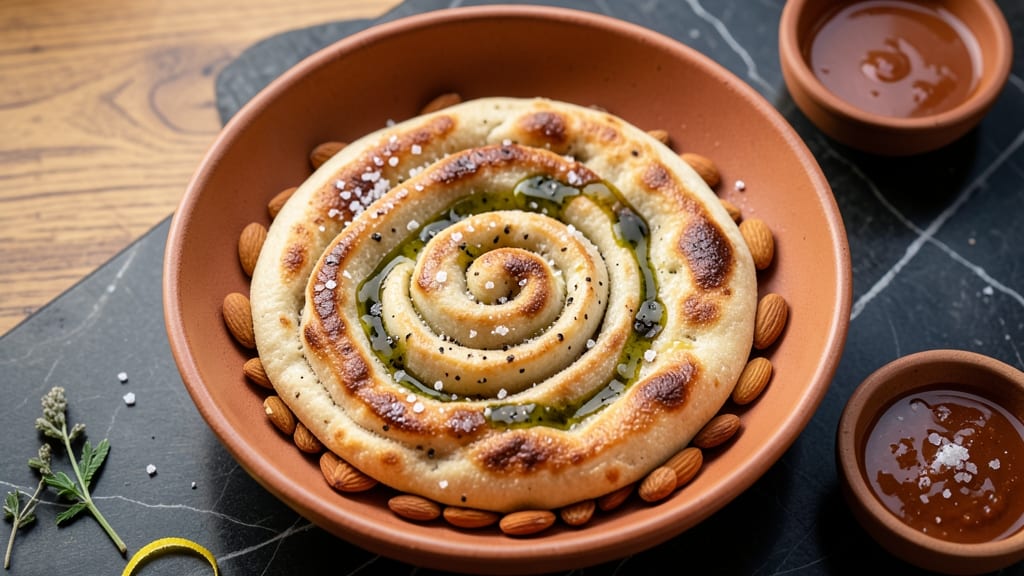
This almond flour flatbread recipe delivers the perfect balance of crispy edges and chewy centers—ideal for dipping, wrapping, or serving alongside soups and salads.
The secret lies in blending almond flour with a simple binder (eggs or aquafaba for a vegan option), creating a dough that rolls out smoothly and cooks to golden perfection in just 10 minutes.
Unlike traditional flatbreads, this version stays nut-free while offering a delightful texture contrast that makes every bite satisfying.
The beauty of this recipe is its versatility—it works equally well as a wrap for sandwiches, a crispy base for dips like hummus or tzatziki, or even as a side for grilled meats.
The dough is effortless to prepare, requiring only a few pantry staples, and the cooking method (pan-fried, baked, or griddle) lets you adapt to your kitchen setup.
What sets it apart is the crispy exterior that shatters with each bite, while the interior remains tender and slightly chewy—a texture that’s impossible to resist.
Whether you're accommodating dietary restrictions or simply craving a lighter alternative to refined flour breads, this flatbread delivers restaurant-quality results at home. The almond flour adds a subtle nutty depth without overpowering the dish, and the optional toppings—like fresh herbs or a drizzle of olive oil—elevate it further.
Ready in under 20 minutes, it’s the perfect side to transform any meal into something special.
Pair it with your favorite dips, stuff it with fillings, or enjoy it plain—this flatbread is designed to adapt to your needs while keeping prep simple and flavorful. Let’s get started on creating your own batch!
Ingredients for almond flour flat bread
Nine simple ingredients transform into crispy, chewy flatbreads perfect for dipping or wrapping.
| Ingredient | Amount | Notes |
|---|---|---|
| Almond Flour 🥜 | 1 ½ cups | Finely ground, unsweetened |
| Large Eggs 🥚 | 2 whole | Room temperature preferred |
| Extra-Virgin Olive Oil 🫒 | ¼ cup | High quality, fruity |
| Warm Water 💧 | ½ cup | Not boiling, ~100°F |
| Diamond Crystal Kosher Salt 🧂 | ½ tsp | Fine grain preferred |
| Ground Black Pepper 🌶️ | ¼ tsp | Freshly ground preferred |
| Garlic Powder 🧄 | ½ tsp | Freshly ground preferred |
| Dried Parsley Flakes 🌿 | ½ tsp | Or fresh parsley chopped |
| Baking Powder 🍞 | ½ tsp | Aluminum-free preferred |
| Sesame Seeds 🌾 | 1 tbsp | Optional for garnish |
| Extra-Virgin Olive Oil 🫒 | ¼ tbsp | For brushing after baking |
Almond flour is the star here—Bob's Red Mill or Anthony's Goods are my go-tos for consistency. The finely ground variety blends better than pre-ground nuts, and you'll want enough to create that signature crispy-chewy texture. If you're feeling fancy, toast the almond flour in a dry pan for 2 minutes to deepen the nutty flavor. Eggs are the binder, so make sure they're at room temperature for even mixing. The olive oil should be extra-virgin—cheap oil will make the flatbreads greasy instead of crispy. Warm water activates the baking powder for that perfect rise.
No eggs? Aquafaba (chickpea brine) works perfectly—use 3 tablespoons per egg. Short on almond flour? Substitute half with tapioca flour for a lighter texture, but the flavor will shift. The baking powder is crucial—don't skip it or the flatbreads won't puff. For extra flavor, swap dried parsley for fresh cilantro or dill. Store-bought almond flour can be pricey, but it's worth it for that restaurant-quality crunch. If you're making a big batch, Costco sells it in bulk for a great price.
This dough keeps in the fridge for 3 days wrapped tightly in plastic, or you can freeze portions for 3 months. The flatbreads reheat beautifully—just 30 seconds in a dry pan or air fryer to restore that crispy texture. For best results, brush with olive oil right after cooking. Store in an airtight container with parchment paper between layers to prevent sticking. Leftovers make amazing croutons—just cube and toast until crispy.
Why You'll Love This Recipe
- Five-Ingredient Magic: I swear by this—just almond flour, eggs, olive oil, water, and salt. That’s it. No measuring cups to stress over, no fancy mix-ins to forget. The dough comes together in minutes, and honestly? It’s the kind of recipe that makes me feel like I’ve outsmarted cooking.
- Nutty Crispy Bliss: The almond flour gives it this incredible texture—crisp on the edges, soft in the middle, with a subtle nutty warmth that’s just there. Drizzle it with olive oil while it cooks, and suddenly you’ve got a flatbread that tastes like a fancy bakery’s secret.
- Wrap, Dip, Repeat: Between us, this flatbread is my go-to for everything. Wrap it around grilled chicken for lunch, use it as a scoop for hummus, or just tear it into pieces for a snack. It’s the kind of thing that disappears in my house faster than I can say “second helping.”
- Zero-Waste Winner: I make a double batch on Sundays—it keeps in the fridge for days, reheats in seconds, and freezes like a dream. No soggy leftovers here, just crispy perfection whenever you need it. Plus, almond flour is pricey, but a little goes a long way, so it stretches my budget without breaking it.
Step-by-step instructions for almond flour flatbread
Here's how to create light, crispy flatbreads with a perfect balance of crunch and chewiness.
Combine Wet Ingredients for a Smooth Batter
In a medium bowl, whisk together the 2 whole Large Eggs until they're completely combined with no streaks. Add the 0.25 cup Extra-Virgin Olive Oil and whisk vigorously for about 1 minute until the mixture becomes noticeably lighter in color. This step incorporates air, which helps create that signature crispy texture.
Next, add the 0.5 cup Warm Water (around 100°F) and continue whisking until everything is fully incorporated. The batter should be smooth but slightly thicker than heavy cream. I like to check the consistency by lifting the whisk—it should leave a slight trail in the batter, not be too runny. This is your base, so take your time to get it just right.
Mix Dry Ingredients and Form the Dough
In a separate bowl, combine the 1.5 cups Almond Flour, 0.5 tsp Diamond Crystal Kosher Salt, 0.25 tsp Ground Black Pepper, 0.5 tsp Garlic Powder, 0.5 tsp Dried Parsley Flakes, and 0.5 tsp Baking Powder. Whisk these dry ingredients together until they're evenly distributed—you should see no more than a few small flour streaks remaining.
Now, pour the wet ingredients into the dry ingredients and gently fold everything together with a rubber spatula. Be careful not to overmix—just combine until the dough comes together. The texture should be thick and slightly sticky, almost like a very stiff cookie dough. If it feels too dry, add 1 teaspoon of warm water at a time until it reaches the right consistency. This dough needs to hold together when pressed between your fingers but still be workable.
Shape and Rest the Dough for Better Texture
Lightly flour a clean surface and turn out the dough. Gently flatten it into a rough rectangle about ¼-inch thick using your hands or a rolling pin. Fold the dough in half like a letter, then fold it in half again to create a compact square. This folding technique helps develop gluten slightly, which gives the flatbread structure without making it tough.
Wrap the folded dough in plastic wrap and let it rest at room temperature for 15-20 minutes. This brief resting period allows the dough to relax and makes it easier to handle when you're ready to shape the individual flatbreads. Don't skip this step—it makes a noticeable difference in the final texture.
Shape and Cook the Flatbreads
Preheat your oven to 375°F and position a rack in the middle position. Line a baking sheet with parchment paper for easy cleanup. Unwrap the dough and gently unfold it back into a rectangle. Using a sharp knife or pizza cutter, divide the dough into 4 equal rectangles (about 4x5 inches each). Keep the remaining dough covered with a damp towel while you work with each piece.
Working with one rectangle at a time, gently press down on the dough with your fingertips to create a slightly textured surface—this helps it crisp up better in the oven. Transfer each shaped flatbread to the prepared baking sheet and brush the tops lightly with the 0.25 tbsp Extra-Virgin Olive Oil. Sprinkle each with ¼ tbsp Sesame Seeds if using, pressing them gently into the surface so they adhere.
Bake to Golden Perfection
Bake the flatbreads for 12-15 minutes until they're golden brown at the edges and look completely dry to the touch. The centers should still feel slightly soft, but they'll firm up as they cool. I like to rotate the baking sheet halfway through baking to ensure even browning—this is especially important for almond flour flatbreads since they can dry out faster than wheat-based versions.
Remove the flatbreads from the oven and let them cool on the baking sheet for 5 minutes before transferring to a wire rack. The residual heat will help them crisp up even more as they cool. Serve warm for the best texture—these flatbreads are perfect for dipping in hummus, wrapping around grilled meats, or enjoying with your favorite Mediterranean spreads. The crispy edges and tender centers make them irresistible!
Pro Tips For Making Almond Flour Flat Bread
- Use Room-Temp Eggs: Almond flour dough is forgiving, but cold eggs make it gummy. Take your eggs out 10 minutes before mixing—they’ll blend smoother and the dough won’t fight you when shaping.
- Mix Just Until Combined: I used to overwork this dough, thinking more mixing = better texture. Wrong. Stir the almond flour, eggs, olive oil, and water until barely uniform—lumps are fine. Overmixing makes the bread dense.
- Press, Don’t Roll: Almond flour dough cracks when rolled. Press it between two sheets of parchment with your palms, using gentle, even pressure. The flatbread will hold together better, and you’ll avoid the frustration of tears.
- Cook on Medium-High Heat: Skip the low-and-slow approach—this bread needs heat. Cast iron or a heavy skillet on medium-high gives you crisp edges and a tender center in 3-4 minutes per side. Too low, and it’ll steam instead of brown.
Serving suggestions for this recipe
Dipping Perfection
These crispy flatbreads are made for dipping! Serve them warm with homemade hummus (blend chickpeas, tahini, lemon juice, and garlic) or tzatziki (Greek yogurt, cucumber, garlic, and dill). For extra flavor, add a sprinkle of za’atar or smoked paprika to the hummus before serving. 🥗
For a Mediterranean twist, pair with roasted red pepper dip or whipped feta mixed with olive oil and lemon zest. The crispy texture contrasts beautifully with creamy dips, making every bite satisfying. Keep the dips in small bowls for easy scooping and sharing.
Wrapping Potential
Use these flatbreads as wraps for Mediterranean-style sandwiches—stuff with grilled chicken, cucumber slices, cherry tomatoes, and a drizzle of garlic yogurt sauce. The almond flour gives them a subtle nuttiness that complements bold flavors. Roll tightly and slice in half for easy handling.
For a vegetarian option, try falafel wraps with harissa mayo, shredded lettuce, and pickled onions. The crispy edges hold up perfectly to juicy fillings, making them ideal for meal prep. Store wrapped fillings separately until ready to assemble to keep everything fresh.
Garnish Game-Changers
Before serving, brush the flatbreads with extra-virgin olive oil and sprinkle with flaky sea salt or everything bagel seasoning for added crunch. Fresh herbs like chopped parsley or cilantro add a bright pop of color and freshness. For a smoky touch, dust with smoked paprika right before eating. 🌿
If you love texture, top with toasted pine nuts or crumbled feta cheese for a savory contrast. These simple garnishes elevate the flatbreads from good to restaurant-worthy in seconds. Keep garnishes in small bowls on the table for customization.
Meal Pairings
Serve alongside grilled lamb chops or shawarma for a Middle Eastern-inspired feast. The crispy flatbreads soak up flavors from the meat while adding a satisfying crunch. For a lighter meal, pair with roasted vegetable platters or a lentil salad for a plant-based option.
These flatbreads also make a fantastic side for tacos or burritos—swap traditional tortillas for a lower-carb, gluten-free alternative. The neutral flavor lets the fillings shine while adding a delightful texture contrast. Double the recipe for game-day gatherings or family dinners.
Nutrition facts
Frequently asked questions
Can I make this flatbread without eggs?
Replace the 2 eggs with 3 tablespoons aquafaba (chickpea brine) for a vegan version. Whisk the aquafaba until frothy before mixing with the wet ingredients. The texture will be slightly different but still crispy and delicious.
Why is my flatbread turning out dense instead of crispy?
This usually happens from overmixing the dough or skipping the 15-20 minute rest. The almond flour needs time to hydrate properly. Also, ensure you're using extra-virgin olive oil—cheaper oils can make the bread greasy rather than crispy. Try brushing with oil again after baking for extra crunch.
How do I store these flatbreads to keep them crispy?
Store in an airtight container with parchment paper between layers. They'll stay fresh for 3 days at room temperature. To revive crispiness, reheat in a dry pan for 30 seconds per side or pop in a 350°F oven for 5 minutes. Freeze for up to 3 months—just thaw and reheat before serving.
Can I use this dough for naan or pita?
While the texture will be different, you can adapt this recipe! For naan, add 1 tablespoon yogurt and cook in a hot skillet until puffed. For pita, roll thinner and bake at 400°F for 8-10 minutes to get that pocket effect. The almond flour will make them more delicate than traditional versions.
What's the best way to make these gluten-free?
This recipe is already gluten-free since it uses almond flour! For extra insurance, check your baking powder label to confirm it's gluten-free. The texture remains naturally crispy without needing substitutions. Perfect for those with gluten sensitivities or celiac disease.