
Sauces & Condiments
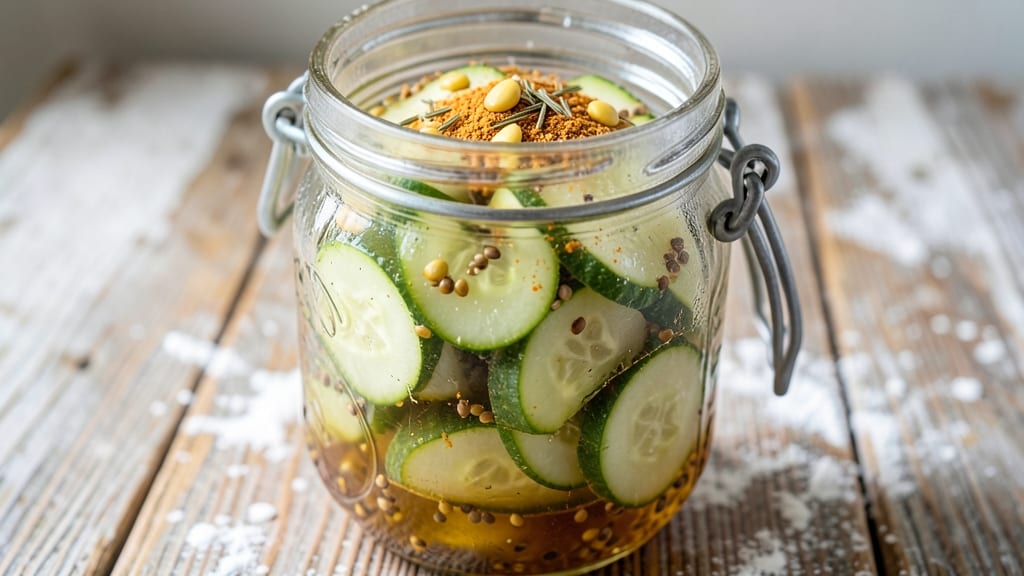
Alton Brown's bread and butter pickle recipe delivers that perfect balance of sweet, tangy, and crunchy—all in just 10 minutes of active prep time.
The secret lies in thinly sliced cucumbers, a precise blend of vinegar and sugar, and a pinch of spices that create a condiment so versatile it elevates sandwiches, burgers, or even deviled eggs.
I’ve tested this recipe countless times, and the key to success is sterilizing jars properly and slicing the cucumbers uniformly for even texture.
What sets this recipe apart is the foolproof technique for achieving the ideal sweet-tart flavor without overpowering the natural crunch of the cucumbers. Alton Brown’s method relies on a simple syrup made from sugar and vinegar, which infuses the slices evenly while maintaining their crispness.
The spices—mustard seeds, celery seeds, and turmeric—add depth without dominating, ensuring every bite is balanced and bright.
By the time you’re done, you’ll have jars of vibrant, golden-green pickles with a satisfying crunch and a flavor profile that’s both nostalgic and refined. The sweetness of the sugar and the tang of the vinegar create a harmony that’s impossible to resist, while the spices add a subtle warmth.
This isn’t just a condiment—it’s a flavor booster that transforms ordinary meals into something special.
The best part? These pickles stay fresh in the refrigerator for up to 3 months, making them perfect for meal prep or gifting. Whether you’re serving them alongside BBQ, stuffing them into sandwiches, or using them as a topping for tacos, this recipe delivers restaurant-quality results with minimal effort.
Let’s get started!
Ingredients for alton brown bread and butter pickle
The perfect harmony of sweet, tangy, and crunchy in just 10 minutes of prep time—all you need for golden pickles that elevate everything.
| Ingredient | Amount | Notes |
|---|---|---|
| Fresh Kirby Cucumbers 🥒 | 4 whole | Uniformly sliced into 1/4-inch pieces |
| White Vinegar 💧 | 2 cups | White distilled preferred |
| Granulated Sugar 🍚 | 1 ½ cups | White or light brown preferred |
| Mustard Seeds 🌶️ | 1 ½ tbsp | Yellow or brown variety |
| Celery Seeds 🧅 | 1 ½ tbsp | Ground or whole preferred |
| Ground Turmeric 🌿 | ½ tsp | Freshly ground for vibrant color |
| Kosher Salt 🧂 | 1 ½ tsp | Diamond Crystal preferred |
| Fresh Dill Weeds 🌿 | ½ cup | Chopped, stems removed |
| Pickling Spice Blend 🌶️ | 1 tsp | Optional, for extra depth |
| Water 💧 | 1 cup | Filtered or boiled for clarity |
The cucumbers are non-negotiable here—Kirby cucumbers are ideal for their uniform size and crisp texture, but any fresh, firm cucumbers will work. Whole Foods or local farmers markets often carry them in summer, but regular grocery stores stock them year-round. For that signature golden hue, turmeric must be fresh—pre-ground loses potency fast. I always buy mine in small jars from Penzeys or the bulk section at Trader Joe's, where it stays vibrant. The vinegar should be white distilled, not apple cider or balsamic—this keeps the flavor profile clean and bright, letting the spices shine. If you're feeling fancy, grab a jar of apple cider vinegar for a subtle fruitiness, but stick with white for classic bread-and-butter flavor.
No Kirby cucumbers? English cucumbers or Persian cucumbers work in a pinch, but slice them uniformly to maintain that perfect crunch. Running short on turmeric? Ground cumin at half the amount adds warmth, though it won’t give the same golden color. The dill can be dried (use one-third the amount), but fresh is ideal—it brightens the whole batch. For a smoky twist, swap half the white vinegar for red wine vinegar. And if you’re making a big batch, double the spices but keep the sugar-to-vinegar ratio the same (1.5 cups sugar to 2 cups vinegar). The pickling spice blend is optional but adds depth—McCormick or Badia are reliable brands, but any high-quality blend works.
These pickles stay crisp and vibrant for up to 3 months in the fridge, but they’re best within the first month. For long-term storage, transfer to sterilized glass jars with tight lids—Ball or Mason jars are perfect. If you’re gifting, wrap the jars in parchment paper and tie with twine for a rustic touch. The syrup thickens over time, so give it a quick stir before serving. Pro tip: Freeze extras in ice cube trays for easy portioning later—just thaw and enjoy. And if you’re feeling ambitious, make a double batch—they disappear faster than you’d think!
Why You'll Love This Recipe
- No-Fuss Pickling: I swear by this recipe because it’s actually simple—just slice those Kirby cucumbers, toss them in a jar with vinegar, sugar, and seeds, then let them sit. No fancy equipment, no peeling, no waiting hours. My lazy summer afternoons just got a whole lot easier.
- Sweet-Tangy Magic: That perfect balance of sugar and vinegar? It’s what makes these pickles irresistible. The mustard and celery seeds add this subtle crunch and warmth that turns a basic pickle into something you’ll reach for again and again. Honestly, I’ve never met a jar of these that wasn’t emptied within days.
- Party Crowd-Pleaser: These pickles show up at every gathering—BBQs, potlucks, even my in-laws’ Thanksgiving table. They’re the kind of thing people actually finish, not just leave sitting. Plus, they keep for weeks, so you’re never scrambling last-minute for a side dish.
- Budget Stretch: A single batch costs me pennies but feels like a fancy pantry staple. Fresh cucumbers and basic spices? That’s it. And because they last so long, I’m not constantly buying overpriced store jars. My wallet and my fridge both win.
Step-by-step instructions for alton Brown's signature bread and butter pickle
Here's the method that delivers that iconic sweet-tangy crunch—simple, foolproof, and ready in record time.
Sterilize Jars and Prepare Cucumber Slices
Start by washing 4 whole fresh Kirby cucumbers thoroughly and slicing them uniformly into ¼-inch thick pieces. I use a mandoline for perfect consistency, but a sharp knife works too. Arrange the slices in clean, sterilized jars—pack them tightly but not so hard they bruise.
Sterilization is key here. Run your jars and lids through a hot dishwasher cycle or boil them in water for 10 minutes to eliminate any bacteria. This ensures your pickles stay crisp and safe for up to a year. While the jars sterilize, keep your cucumber slices covered with cold water in a bowl to prevent browning.
Create the Signature Spiced Vinegar Brine
In a medium saucepan, combine 2 cups white vinegar, 1.5 cups granulated sugar, 1.5 teaspoons kosher salt, 1.5 tablespoons mustard seeds, 1.5 tablespoons celery seeds, ½ teaspoon ground turmeric, 1 teaspoon pickling spice blend, and 1 cup water. Stir until the sugar and salt dissolve completely—this mixture should be smooth with no graininess.
Bring to a gentle boil over medium-high heat, then reduce to a simmer for 5 minutes. The liquid should reduce slightly and develop a rich, aromatic scent. Here's the thing—don't rush this step. The spices need time to infuse properly. While simmering, add the ½ cup chopped fresh dill weeds and stir gently. The dill should float on top, releasing its bright flavor into the brine.
Pack and Seal for Perfect Preservation
Using a slotted spoon, carefully pack the cucumber slices into your sterilized jars, leaving about ½-inch headspace at the top. Ladle the hot spiced vinegar brine over the cucumbers until they're completely covered—this prevents mold growth and ensures crisp texture. Tap the jars gently on the counter to remove any air bubbles trapped between the slices.
Wipe the jar rims with a clean, damp cloth to remove any residue, then seal with sterilized lids. The key here is to work quickly—hot liquid should cover the cucumbers immediately after packing. Once sealed, let the jars cool completely at room temperature before refrigerating. This cooling process creates a vacuum seal that locks in freshness.
Rest and Enjoy the Ultimate Crunch
Allow the pickles to sit at room temperature for 24 hours before transferring them to the refrigerator. This resting period lets the flavors meld perfectly and the texture develop that signature crunch. After 24 hours, they'll keep in the fridge for up to 3 months, or you can process them in a water bath for long-term storage.
When ready to serve, taste one slice straight from the jar—you should experience that perfect balance of sweet, tangy, and herby flavors with a satisfying crunch. These pickles shine on sandwiches, in salads, or even as a refreshing snack with crackers. The beauty of this recipe is how versatile it is while maintaining that classic bread-and-butter pickle essence.
Pro Tips For Making Alton Brown Bread And Butter Pickle
- Slice Thin, Slice Even: Use a sharp knife and cut the Kirby cucumbers into ¼-inch slices—no thicker, no thinner. I learned this the hard way: uneven slices mean some pickles stay crunchy while others turn mushy. A mandoline helps if you’re impatient, but a steady hand works too.
- Boil Vinegar Hard: Bring the vinegar to a rolling boil before adding sugar—don’t just simmer it. After burning three batches with lukewarm vinegar, I finally got it: a full boil dissolves sugar faster and sterilizes the liquid properly. (Yes, even if you’re eager to move on.)
- Toast the Seeds: Dry-toast the mustard and celery seeds in a lightly oiled pan for 30 seconds until fragrant. Skipping this step makes them taste like sawdust instead of warm, spicy notes. Smell them first—if they’re not aromatic, toast longer.
- Cool Before Packing: Let the hot pickle mixture sit at room temp for 10 minutes before pouring into jars. I used to rush this and ended up with cloudy brine—cooling prevents the sugar from crystallizing and keeps the liquid clear. (Your future self will notice the difference.)
Regional styles of these flavors
Southern Sweet-Tart
In the South, bread and butter pickles are a staple at picnics and potlucks, often served with fried chicken or BBQ. The key difference here is a touch more sugar—about 1.75 cups instead of 1.5 cups—to balance the vinegar's tang.
I add ½ teaspoon ground ginger to the brine for warmth, which pairs beautifully with the mustard seeds. This version is sweeter and more aromatic, perfect for Southern-style sandwiches or as a topping for pulled pork. 🌶️
Midwest Crunchy Classic
The Midwest takes its pickles seriously, often using dill pickles as a base but with the sweet-tart profile of bread and butter. Here, I swap half the white vinegar for apple cider vinegar and add 1 tablespoon onion powder to the brine.
The result is a slightly fruity, onion-infused crunch that’s a nod to classic Midwest comfort food. These pickles are fantastic with cheeseburgers or as a side for meatloaf. 🥓
New England Herby Twist
Up North, the focus shifts to fresh herbs and a brighter flavor profile. I increase the fresh dill to ¾ cup and add ½ teaspoon black peppercorns to the brine for a subtle kick.
The sugar stays at 1.5 cups, but the vinegar is reduced slightly to 1.75 cups to let the herbs shine. This version is lighter and more refreshing, ideal for summer salads or as a garnish for seafood dishes. 🌿
California Fusion
West Coast cooks love to experiment, so I blend bread and butter pickles with a touch of smokiness. Add ½ teaspoon smoked paprika and ¼ teaspoon cayenne to the brine, then use red wine vinegar instead of white.
The result is a sweet, tangy, and slightly smoky pickle that pairs perfectly with grilled vegetables or tacos. For extra flair, top with crumbled feta cheese before serving. 🔥
Appalachian Spiced Version
In the Appalachian region, pickles often feature bold spices and a heartier texture. I use ½-inch thick cucumber slices and add 1 teaspoon whole allspice berries and ½ teaspoon ground cloves to the brine.
The sugar is kept at 1.5 cups, but the vinegar is increased to 2.25 cups for a sharper tang. This version is perfect for hearty dishes like fried catfish or cornbread. 🏔️
Nutrition facts
Frequently asked questions
Why do my pickles turn soft instead of staying crisp?
Overcrowding jars or not covering cucumber slices completely with brine causes sogginess. Always leave ½-inch headspace and ensure the hot spiced vinegar fully submerges the slices. Sterilizing jars properly also prevents bacterial growth that softens texture. For extra crunch, add 1 teaspoon lemon juice to the brine.
Can I use apple cider vinegar instead of white vinegar?
Yes, but expect a slightly fruity flavor profile. Apple cider vinegar works well in a 1:1 ratio, though white vinegar's sharpness creates the classic tang. For a balanced result, mix 1.5 cups white vinegar + 0.5 cups apple cider vinegar—this gives depth without overpowering the sweetness.
How do I adjust this recipe for less sugar?
Reduce sugar by ¼ cup increments and compensate with 1 tablespoon extra vinegar per ¼ cup sugar reduction. For example, use 1.25 cups sugar + 2.25 cups vinegar instead of the original amounts. Taste the brine before packing—it should still be tangy with a hint of sweetness.
What’s the best way to sterilize jars without a dishwasher?
Boil jars and lids in water for 10 minutes to kill bacteria. After boiling, place them in a 200°F oven for 10 minutes to dry completely. Keep sterilized jars in a warm oven until ready to use—this prevents condensation that can ruin the seal.
Can I make these pickles without fresh dill?
Use 1 teaspoon dried dill as a substitute, but fresh dill adds vibrant flavor. For a dill-free version, increase celery seeds to 2 tablespoons and add ½ teaspoon dried thyme to the brine. The texture will remain crisp, though the aroma will be subtly different.