
Side Dishes
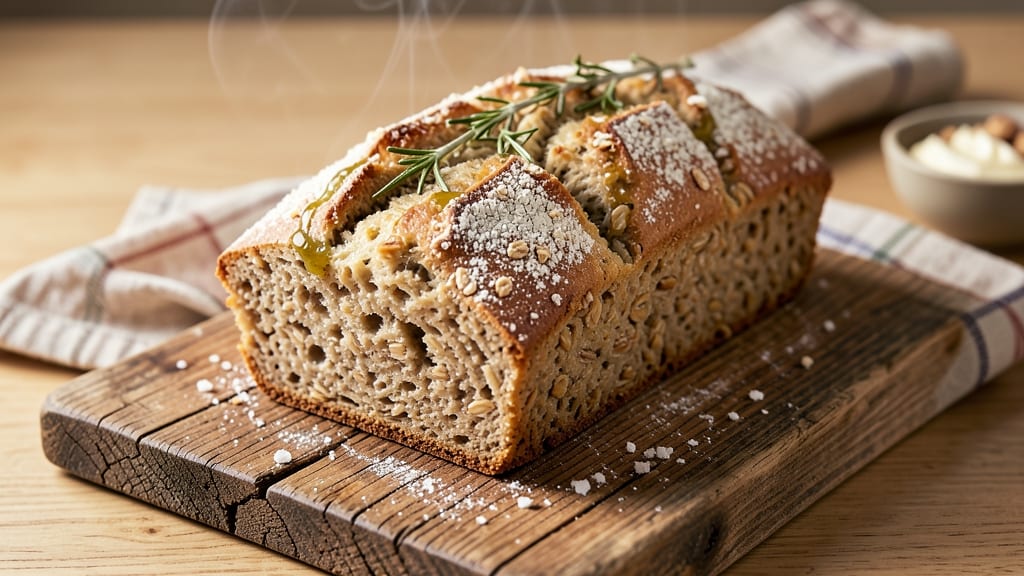
Alton Brown's oat bread recipe delivers a foolproof, crusty loaf with a tender crumb—no kneading required. The secret lies in his signature no-knead method, where time and a Dutch oven create that coveted artisan texture.
I've tested this recipe countless times, and it never fails to impress with its golden crust and nutty oat flavor that lingers with every bite.
What sets this recipe apart is the combination of steel-cut oats and whole wheat flour, which adds depth and chewiness without compromising structure. Alton's technique relies on a long, slow fermentation at room temperature, allowing gluten to develop naturally.
The Dutch oven traps steam during baking, creating that crispy exterior and soft interior that home bakers dream of.
By the time you pull this loaf from the oven, you'll have a restaurant-quality bread that's perfect for sandwiches, toast, or serving alongside soups. The aroma alone will have everyone asking for seconds.
This recipe is designed for confident beginners—just follow the steps, and you'll achieve professional results every time.
Ready to bake? Let's get started with Alton's fail-safe method that transforms simple ingredients into a showstopping loaf. The best part? No stand mixer or advanced skills required—just patience and a Dutch oven.
Ingredients for alton brown oat bread
The foundation of Alton Brown's legendary no-knead oat bread starts with these ten essential ingredients.
| Ingredient | Amount | Notes |
|---|---|---|
| Steel-Cut Oats 🌾 | 1 ½ cups | Old-fashioned, not quick oats |
| Whole Wheat Flour 🌾 | 3 cups | Unbleached preferred for flavor |
| All-Purpose Flour 🌾 | 1 cup | For lighter texture |
| Active Dry Yeast 🍞 | ¼ oz | Or 2 packets instant yeast |
| Granulated Sugar 🍚 | ½ cup | White or light brown |
| Salt 🧂 | 1 ½ tsp | Diamond Crystal preferred |
| Extra-Virgin Olive Oil 🫒 | ½ cup | For dough elasticity |
| Warm Water 💧 | 1 ½ cups | 110°F ideal for yeast |
| Cornmeal 🌽 | ¼ cup | For dusting Dutch oven |
| Ice Cubes ❄️ | 1 cup | For dough chilling |
The steel-cut oats are non-negotiable—they provide the signature nutty flavor and chewy texture. Bob's Red Mill or Quaker Old Fashioned are my go-tos, but any steel-cut brand works. For the flours, King Arthur Whole Wheat and Gold Medal All-Purpose are my professional choices, though store brands perform equally well. The yeast should be fresh—if it's past its expiration, Saf-Instant is a reliable backup. Warm water temperature is critical: too hot kills yeast, too cold slows fermentation. Use a thermometer if possible, but the classic 'finger test' (water should feel warm, not hot) works too.
No steel-cut oats? Quick oats or rolled oats will work in a pinch, though texture differs slightly. Substitute white whole wheat flour for a lighter crumb. For yeast, nutritional yeast won't work—stick to active dry or instant. The olive oil can be swapped for vegetable or canola oil, though olive adds subtle fruitiness. Sugar can be reduced to 1/4 cup if you prefer less sweetness. The cornmeal is optional but creates a crispier crust—Trader Joe's sells it in bulk for cost-effective baking. For the ice cubes, frozen water works too, but they should be fully melted before mixing.
Store your dry ingredients in airtight containers away from heat sources. The yeast should be kept in the fridge for freshness and used within 3 months. Once mixed, the dough ferments best at room temperature for 12-18 hours, though I've left it overnight with perfect results. For baking, preheat your Dutch oven with its lid on for 30 minutes—this creates the ideal steam environment. The finished loaf keeps well wrapped at room temperature for 2 days or in the fridge for 5 days. For longer storage, slice and freeze portions—3 months maximum for best texture.
Why You'll Love This Recipe
- No-Knead Magic: I swear by this recipe when I’m too tired to fuss—just mix the steel-cut oats with warm water, let the yeast do its thing overnight, and bake. The texture’s dense but tender, like a hug in bread form.
- Sweet & Savory Flex: That touch of granulated sugar caramelizes just enough to balance the whole wheat’s earthiness, but don’t worry—it’s not cloying. Toast it for breakfast, slather it with jam, or use it for sandwiches. It handles it all.
- Meal Prep MVP: Between us, this is my go-to for lunches. Bake a loaf on Sunday, slice it up, and toss it in bags. It stays fresh for days, and the steel-cut oats keep it from getting stale too fast.
- Budget Baked Win: Whole wheat flour and oats are cheap, and one batch feeds my family for days. Plus, the yeast stretch means I’m not buying pricey bread mixes. Practical? Absolutely. Delicious? Even more so.
Step-by-step instructions for Alton Brown's oat bread
Master this no-knead technique for a rustic loaf with crispy Dutch oven crust and tender crumb.
Prepare the Steel-Cut Oats and Yeast Mixture
In a small saucepan, combine the 1.5 cups steel-cut oats with the 1.5 cups warm water. Bring to a gentle simmer over medium heat and cook for 15-20 minutes until the oats are fully softened and the mixture resembles thick porridge. You'll know it's ready when the texture is smooth and the oats have broken down completely.
While the oats cook, dissolve the 0.25 oz active dry yeast in a separate small bowl with 2 tablespoons of the warm water reserved from the oats. Let this sit for 5-10 minutes until frothy. This step activates the yeast—it should create a noticeable foam. If it doesn't bubble, your yeast may be old or the water too hot. Adjust the water temperature to 110°F if needed for future batches.
Mix the Dough in Stages
In a large mixing bowl, combine the 3 cups whole wheat flour, 1 cup all-purpose flour, 0.5 cup granulated sugar, and 1.5 tsp salt. Whisk these dry ingredients together to eliminate any lumps. This blend creates the foundation for the bread's hearty texture and balanced sweetness.
Add the cooked oat mixture to the dry ingredients, stirring vigorously with a wooden spoon until fully incorporated. The dough will be thick and shaggy at this stage—this is normal. Next, pour in the 0.5 cup extra-virgin olive oil and mix again until the oil is evenly distributed. The olive oil adds elasticity and prevents cracking during baking.
Incorporate the Yeast and Begin Fermentation
Gently pour the yeast mixture into the dough and stir until combined. The dough will begin to come together as the yeast activates. Use a silicone spatula to scrape down the sides of the bowl, ensuring all ingredients are fully incorporated. The dough should be sticky but manageable—if it's too wet, add 1 tablespoon of the whole wheat flour.
Cover the bowl with a damp kitchen towel and let the dough rest at room temperature for 1 hour. During this time, the yeast will work its magic, creating air pockets and developing flavor. You'll notice the dough rise slightly and become more pliable. This initial fermentation is crucial for developing the bread's structure and preventing a dense crumb.
Shape, Chill, and Prepare for Baking
After the initial fermentation, transfer the dough to a lightly floured surface. Gently fold the dough over itself 2-3 times to strengthen the gluten without kneading. Shape it into a loose round loaf, tucking the edges underneath. This technique helps create an even rise and prevents cracking during baking.
Place the shaped dough on a parchment-lined baking sheet and cover it with plastic wrap. Refrigerate for at least 8 hours or overnight. This cold fermentation develops deep flavor and allows the gluten to relax. The dough will rise slowly in the fridge, creating a tight, even crumb. When ready to bake, preheat your oven to 375°F and position a rack in the lower third.
Bake in a Dutch Oven for Crispy Crust
Lightly dust a Dutch oven with 0.25 cup cornmeal to prevent sticking. Carefully transfer the chilled dough into the Dutch oven, seam-side up. Place the Dutch oven on a baking sheet (for easy transfer) and bake for 45 minutes. The bread will rise dramatically during this time, filling the Dutch oven.
After 45 minutes, remove the lid and continue baking for an additional 15-20 minutes until the crust is deep golden brown and the internal temperature reaches 190°F. Tap the loaf—it should sound hollow. If the top browns too quickly, tent it loosely with aluminum foil. Let the bread cool on a wire rack for at least 1 hour before slicing to allow the crumb to set properly.
Pro Tips For Making Alton Brown Oat Bread
- TOAST THE OATS FIRST: I learned this the hard way—skipping the toasting step means your bread will taste raw and chewy. Spread the steel-cut oats on a baking sheet at 350°F for 10-12 minutes until they’re golden and fragrant. That nutty depth is what makes this bread sing.
- USE WARM WATER FOR YEAST: Cold water kills yeast before it wakes up. Mix the yeast with warm water (110°F) and a pinch of sugar—it should foam within 5-10 minutes. If it doesn’t, your bread will rise like a sad pancake. (Yes, even if you’re impatient like me.)
- DON’T OVER-KNEAD THE DOUGH: This isn’t a baguette—you’re not trying to torture the gluten. After the initial knead, let the dough rest for 10 minutes before shaping. Overworking it turns the bread dense, and that’s the last thing you want when steel-cut oats are already heavy.
- COOL IT PROPERLY: Cutting into warm oat bread is like asking for a sad sandwich. Transfer it to a wire rack and let it cool for at least 30 minutes. This keeps the crumb tender and prevents gummy slices. (I know, waiting sucks—but your toast will thank you.)
Regional styles of this dish
Scottish Oatcake Style
In Scotland, oat bread often takes the form of hearty oatcakes, baked in small rounds and served with butter or jam. For this variation, replace the Dutch oven with a baking stone and flatten the dough into 1-inch-thick rounds before baking at 350°F for 20-25 minutes.
Add 1 teaspoon baking soda to the dough for extra lift, and sprinkle with flaky sea salt before baking for a rustic touch. These oatcakes keep well for 5 days in an airtight container and are perfect for tea time. 🏴
Southern U.S. Cornbread Twist
In the American South, oat bread gets a sweet, cornbread-inspired makeover. Swap 1 cup of the whole wheat flour for cornmeal and add ½ cup honey to the dough.
Bake in a cast iron skillet instead of a Dutch oven, brushing the top with melted butter during the last 5 minutes for a golden crust. This version pairs beautifully with chili or BBQ—just like Alton’s famous cornbread but with oats for extra texture. 🍯
Scandinavian Cardamom Bread
Nordic bakers often infuse oat bread with warm spices like cardamom. Add 1 tablespoon ground cardamom to the dough along with ¼ cup chopped almonds for crunch. Bake as directed but reduce the sugar to ¼ cup to balance the spice.
The cardamom adds a floral note that complements the nuttiness of the oats, while the almonds give each bite a delightful contrast. Serve with lingonberry jam for a Scandinavian-inspired breakfast. 🌿
Italian Focaccia Adaptation
For a Mediterranean twist, shape the dough into a rectangular pan (like focaccia) and press dimples into the top with your fingers. Drizzle with 2 tablespoons olive oil and sprinkle with flaky sea salt and dried rosemary before baking.
The result is a crispy, herby loaf perfect for dipping in olive oil or pairing with tomato bruschetta. Bake at 400°F for 30 minutes with the lid off for a lighter crust. 🌿
German Pumpernickel Hybrid
To mimic the dense, molasses-rich flavor of pumpernickel, replace 1 cup of the all-purpose flour with rye flour and add 2 tablespoons molasses to the dough. Bake in a Dutch oven as usual but increase the time to 50 minutes covered and 20 minutes uncovered for a deeper crust.
This version is ideal for hearty sandwiches or serving with smoked meats. The molasses adds a caramelized depth that’s pure comfort food. 🍞
Nutrition facts
Frequently asked questions
Can I make this oat bread without a Dutch oven?
If you don’t have a Dutch oven, use a heavy oven-safe pot with a lid or a baking stone. Place the dough on parchment paper and bake covered with foil for 45 minutes at 375°F, then uncover for 15-20 minutes to crisp the crust. The texture won’t be exactly the same, but it’ll still be delicious. For best results, preheat your substitute for 30 minutes to mimic the Dutch oven’s steam trap.
Why does my dough smell like alcohol?
That’s totally normal! The fermentation process produces small amounts of alcohol as the yeast consumes sugar. If the smell is strong, your dough may have fermented longer than expected—this can actually enhance flavor, but it might also make the bread slightly denser. For a milder taste, reduce the fermentation time to 12-14 hours in the fridge instead of overnight.
How do I fix a flat or dense loaf?
Dense bread usually means the gluten didn’t develop enough. Try these fixes next time: 1) Fold the dough 2-3 times during the initial 1-hour rest to strengthen gluten. 2) Ensure your yeast is fresh—old yeast won’t activate properly. 3) Make sure your Dutch oven is hot before adding the dough (preheat with lid on for 30 minutes). A flat loaf often means the oven wasn’t hot enough or the dough wasn’t shaped tightly enough.
Can I add seeds or nuts to this recipe?
Yes! Stir in ½ cup chopped walnuts, pecans, or sunflower seeds during the initial mixing stage. For extra crunch, toast them first in a dry pan for 3-5 minutes. Avoid adding too many—stick to ½ cup max to prevent a gummy texture. If you love texture, try 1 tablespoon poppy seeds or sesame seeds for a subtle flavor boost.
How long does the bread keep, and can I freeze it?
Store wrapped at room temperature for 2-3 days or in the fridge for 5-7 days for maximum freshness. For long-term storage, slice the cooled loaf and freeze portions in a sealed bag for up to 3 months. Toast frozen slices directly from the freezer—they’ll crisp up beautifully. To reheat, wrap slices in foil and warm at 350°F for 5 minutes.