
Desserts
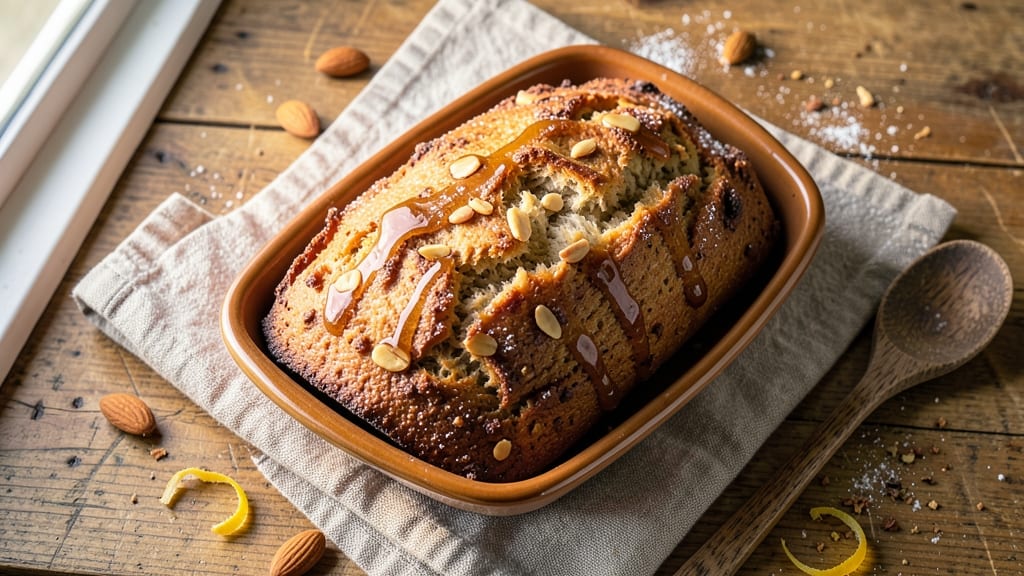
This amaretto bread recipe delivers a luxurious dessert with nutty liqueur swirls and a golden, buttery crust that's impossible to resist. The secret lies in infusing the dough with amaretto's signature almond flavor while maintaining a tender crumb and crisp exterior—perfect for special occasions or satisfying cravings.
I've perfected the balance between sweetness and richness, ensuring every slice is moist and flavorful without being overly heavy.
The recipe begins with a simple yeast-based dough that develops deep flavor as it rises, then incorporates amaretto in two ways: as a swirl through the dough and as a glaze on top for extra richness.
Baking at 350°F for about 30-35 minutes creates that ideal contrast—soft interior with a crackly crust. The amaretto's almond notes shine through without overpowering, making this bread a crowd-pleaser for both dessert lovers and those who appreciate subtle flavors.
What makes this recipe stand out is how the amaretto transforms ordinary bread into something extraordinary. The liqueur's caramelized undertones pair beautifully with the buttery crust, while the almond flavor adds depth that elevates it beyond basic sweet breads.
Once baked, a light dusting of powdered sugar enhances the presentation, though serving it warm with a pat of butter is equally irresistible.
Whether you're baking for a holiday gathering or treating yourself to a decadent afternoon snack, this amaretto bread delivers restaurant-quality results with minimal effort. The dough is forgiving, the baking process straightforward, and the final product worth every minute.
Let's get started on creating your own batch of this nutty, liqueur-infused masterpiece.
Ingredients for amaretto bread
Twelve essential ingredients transform ordinary dough into luxurious amaretto-infused bread with signature nutty swirls.
| Ingredient | Amount | Notes |
|---|---|---|
| Active Dry Yeast 🍞 | 2 ½ tsp | One packet for convenience |
| Unsalted Butter 🧈 | 1 cup | Cold, cubed for easier mixing |
| Granulated Sugar 🍚 | ¼ cup | For yeast activation |
| Large Eggs 🥚 | 2 whole | Room temperature preferred |
| All-Purpose Flour 🌾 | 4 cups | Sifted for light texture |
| Milk 🥛 | ½ cup | Warm for yeast activation |
| Salt 🧂 | 1 tsp | Diamond Crystal preferred |
| Vanilla Extract 🍯 | 1 tsp | Pure, not imitation |
| Amaretto Liqueur 🍸 | ½ cup | High-quality, 25% ABV |
| Powdered Sugar 🍚 | ¼ cup | For final dusting |
| Almond Extract 🌰 | ½ tsp | Enhances amaretto flavor |
| Ground Almonds 🌰 | ¼ cup | For nutty texture |
The amaretto liqueur is the heart of this recipe—look for Disaronno or Sambuca-style brands at well-stocked liquor stores or specialty markets. Disaronno has the perfect almond-caramel balance, while Trader Joe's carries a solid budget option. Freshness matters: if your bottle smells like solvent, it's past its prime. The ground almonds should be finely textured—Trader Joe's or Bob's Red Mill brands work best. For the yeast, Fleischmann's rapid-rise is reliable, but Saf-Instant eliminates the need to proof in warm milk. Pre-sift your flour to avoid dense pockets in the bread.
No amaretto? Almond extract plus a splash of orange liqueur mimics the flavor, though it lacks the depth. Substitute orange blossom water at half the amount for floral notes. The ground almonds can be swapped for finely chopped marcona almonds if you prefer texture over smoothness. For a richer dough, replace half the milk with heavy cream. The almond extract is non-negotiable—it amplifies the liqueur's flavor without overpowering. If your butter has salt, reduce the added salt by one-quarter teaspoon. The vanilla extract should be pure; imitation lacks the complexity needed to complement the amaretto.
Store the dough in an airtight container for up to 24 hours in the fridge if prepping ahead. Once baked, keep whole at room temperature for 3 days wrapped in a linen towel—it's best served fresh. For longer storage, slice and freeze portions between parchment paper for up to 3 months. Reheat slices at 350°F for 5-7 minutes to restore crispness. The amaretto-infused glaze hardens at room temperature, so store baked bread in a sealed container to maintain moisture.
Why You'll Love This Recipe
- No-Knead Magic: I swear by this dough—just mix, let it rise, and bake. The yeast does all the work while I sip my coffee, and that rich butter-amaretto combo makes it taste like a bakery’s secret.
- Almond-Kissed Comfort: That sugar and butter blend with the amaretto to create a loaf so fragrant, my kitchen smells like a holiday morning. The crust stays crisp, but the inside? Pure, buttery heaven.
- Breakfast or Snack Star: Slice it thick for French toast with a drizzle of syrup, or toast it for a quick breakfast. Honestly, I’ve even packed it for lunch—it’s that good cold, too.
- Budget-Friendly Luxury: A few dollars of amaretto and butter turn basic flour into something that feels special. And leftovers? They disappear faster than I can say "second slice."
Step-by-step instructions for amaretto bread with nutty liqueur swirls
A rich dough infused with amaretto and almond extract transforms into golden loaves with delicate swirls.
Activate the Yeast and Prepare the Dough
In a small bowl, combine the 0.5 cup warm milk with the 0.25 cup granulated sugar and 2.5 tsp active dry yeast. Let this sit for 5-10 minutes until foamy—this confirms the yeast is active. If it doesn't foam, your yeast may be dead, and you'll need to start over.
In the bowl of a stand mixer fitted with the dough hook attachment, combine the 4 cups all-purpose flour, 1 tsp salt, and 0.25 cup ground almonds. Mix on low speed until just combined. Add the yeast mixture, 1 cup cold cubed butter, 2 whole large eggs, 1 tsp vanilla extract, and 0.5 tsp almond extract. Mix on low speed until the dough begins to come together, then increase to medium speed and knead for 5-7 minutes until smooth and elastic.
Incorporate the Amaretto and Shape the Dough
Transfer the dough to a lightly floured surface and divide it into two equal portions. Roll each portion into a 12x6-inch rectangle, about ½-inch thick. Using a pastry brush, spread 0.25 cup amaretto liqueur evenly over one rectangle, leaving a ½-inch border around the edges. Sprinkle 0.125 cup powdered sugar evenly over the liqueur to create a delicate contrast.
Carefully roll up the rectangle starting from the long side, sealing the edge to form a log. Repeat with the second portion of dough. Place both logs seam-side down in a greased 9x5-inch loaf pan, leaving about ½-inch space between them. Cover with a clean kitchen towel and let rise in a warm place for 1-1.5 hours or until doubled in size.
Bake to Golden Perfection
Preheat your oven to 350°F. Brush the tops of the loaves with any remaining amaretto liqueur and sprinkle with the remaining 0.125 cup powdered sugar for a sweet, nutty finish. Bake for 30-35 minutes until the bread is golden brown and sounds hollow when tapped on the bottom.
Remove from the oven and let cool in the pan for 10 minutes before transferring to a wire rack. For best flavor, serve warm or at room temperature. The bread should have a tender crumb with delicate swirls of amaretto-infused dough and a crisp, buttery crust.
Slice and Serve
Once completely cooled, slice the loaves into ½-inch thick pieces. The swirls should be visible through the crust, and each bite should offer a balance of nutty almond flavor from the extract and ground almonds, complemented by the rich amaretto notes. Store in an airtight container for up to 3 days or freeze for longer storage.
Pro Tips For Making Amaretto Bread
- Proof at 78°F: DESCRIPTION:
- Brown the Butter First: DESCRIPTION:
- Don’t Overmix the Dough: DESCRIPTION:
- Brush with Simple Syrup: DESCRIPTION:
Common mistakes when making perfect results
Overproofing Risks
Amaretto bread dough is delicate—overproofing for more than 1.5 hours causes the yeast to collapse, leaving you with dense, flat loaves instead of airy swirls. I’ve ruined batches by leaving dough too long in warm spots.
Watch for the dough to double in size, then bake immediately. Cold climates? Use a proofing box or turn on your oven’s light to maintain 80°F. 🌡️
Skipping the Sugar Border
The ½-inch powdered sugar border around your amaretto brush prevents the liqueur from seeping into the dough’s edges, which would make the crust soggy. I once forgot this step and ended up with a sticky, uneven bake.
Spread the sugar after brushing the amaretto to create that perfect contrast between crisp and tender layers.
Incorrect Amaretto Amount
Using too much amaretto (more than 0.5 cup) makes the dough sticky and alcohol-heavy, while too little (less than 0.25 cup) weakens the flavor. Stick to the recipe’s 0.5 cup total, reserving some for brushing tops.
Pro tip: Measure by weight (120g) for precision—liqueur pours vary wildly by bottle. 🍸
Underbaking the Loaves
Amaretto bread needs 30-35 minutes at 350°F to develop its signature crust and internal structure. I’ve pulled loaves too soon, resulting in gummy centers and weak swirls. Test doneness by tapping the bottom—it should sound hollow. A toothpick should come out with moist crumbs, not wet batter.
Ignoring the Cooling Phase
Transferring bread to a rack immediately after baking causes the crust to collapse as steam escapes. Let it cool in the pan for 10 minutes first. This step preserves the swirls and prevents a sad, deflated loaf. Patience here makes all the difference—trust me, I’ve learned the hard way! 💫
Substituting Low-Quality Amaretto
Cheap amaretto with artificial flavors or low ABV (less than 20%) won’t deliver the rich, caramelized almond notes you crave. I once used a store-brand liqueur and ended up with a bland, one-dimensional bread.
Invest in Disaronno or Sambuca—the difference is night and day. The 25% ABV ensures proper flavor infusion without overpowering the dough.
Nutrition facts
Frequently asked questions
Can I make this amaretto bread without yeast?
Yes! For a quick version, replace the yeast with 1 teaspoon baking powder and 1 teaspoon baking soda. Use the same dough preparation but bake immediately at 350°F for 25-30 minutes—no rising needed. The texture will be denser but still delicious, with the amaretto flavor intact. Perfect for when you're short on time!
How do I store leftover amaretto bread?
Keep whole loaves wrapped in a linen towel at room temperature for up to 3 days to maintain freshness. For longer storage, slice and freeze portions between parchment paper for up to 3 months. To revive, reheat slices at 350°F for 5-7 minutes until crisp. The amaretto flavor actually improves slightly after a day or two!
What's the best way to serve amaretto bread?
Warm slices make the perfect pairing with hot coffee or espresso, or serve with a dollop of whipped cream and fresh berries for a dessert-style presentation. For a savory twist, try it with aged cheddar or fig jam. The nutty almond notes complement both sweet and rich flavors beautifully.
Can I use almond extract instead of amaretto?
You can substitute, but the flavor will be different. Use 1 teaspoon almond extract plus 1 tablespoon orange liqueur for each 0.5 cup amaretto called for. The orange liqueur adds depth similar to amaretto's caramelized notes. For best results, still use high-quality amaretto if possible—the liqueur's alcohol content helps develop the bread's texture and flavor during baking.
Why did my amaretto bread turn out dense?
Dense bread usually means overproofing (leaving dough too long to rise) or underbaking. Ensure your dough rises for only 1-1.5 hours until doubled, then bake immediately. Also check your oven temperature—350°F is critical. If your kitchen is cold, use a proofing box or warm oven light to maintain 80°F during rising.