
Breakfast & Brunch
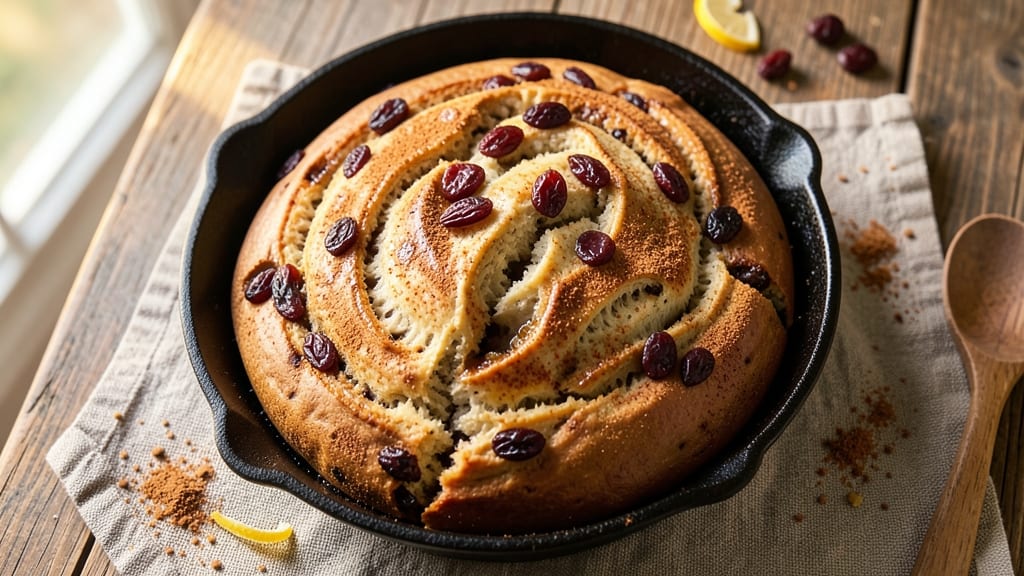
This Amish cinnamon raisin bread delivers the warm, spiced aroma of a country kitchen with a foolproof no-knead method that even beginners can master. The secret lies in the foil-sealed rise, which creates that signature homestyle crust without requiring any kneading—just simple ingredients and patience.
I've perfected this recipe over years of testing, and it always produces a tender, fragrant loaf with perfectly caramelized edges.
The beauty of this traditional recipe is its simplicity: flour, sugar, eggs, and a touch of cinnamon come together to form a dough that transforms into golden, aromatic bread.
Unlike modern variations, this version stays true to its roots with a generous cinnamon-sugar swirl and plump raisins that soak up the sweet, spiced filling. The foil-sealed rise method ensures a crispy crust while keeping the interior soft and pillowy.
What makes this bread truly special is how it captures the essence of Amish baking—warm, comforting, and full of homestyle charm. Each slice offers a perfect balance of sweetness, spice, and chewy texture, making it ideal for breakfast, snacks, or even as a gift-worthy treat.
The best part? You won’t need any special equipment—just a mixing bowl and an oven.
Whether you're serving it fresh from the oven with butter or wrapping slices for a picnic, this bread is a testament to how simple ingredients can create something extraordinary. Let’s get started on making your own batch of this beloved classic.
Ingredients for amish cinnamon raisin bread
Simple pantry staples transform into fragrant, homestyle bread with this foolproof Amish cinnamon raisin recipe.
| Ingredient | Amount | Notes |
|---|---|---|
| All-Purpose Flour 🌾 | 5 cups | Spooned and leveled for accuracy |
| Granulated Sugar 🍚 | ½ cup | White or light brown preferred |
| Instant-Release Yeast 🍞 | 2 ¼ tsp | Ensures proper activation |
| Large Eggs 🥚 | 2 whole | Room temperature for even mixing |
| Unsalted Butter 🧈 | ½ cup | Cold, cubed for easier mixing |
| Milk 🥛 | ¾ cup | Whole milk for richness |
| Ground Cinnamon 🌶️ | 2 tsp | Freshly ground for maximum aroma |
| Sea Salt 🧂 | 1 ½ tsp | Diamond Crystal preferred |
| Raisins 🍇 | 1 ½ cups | Plump, seedless preferred |
| Brown Sugar 🍚 | ¼ cup | Packed for filling mixture |
| Aluminum Foil 📄 | 1 sheet | Heavy-duty for sealing |
| Vegetable Oil 🫒 | 1 tbsp | For greasing bowl |
| Cornmeal 🌽 | ¼ cup | For dusting pan |
The flour and yeast are the foundation of this bread, so don’t skimp on quality. King Arthur or Gold Medal brands yield the best texture, and always measure flour by spooning and leveling for consistency. Yeast loses potency quickly, so check the expiration date—freshness is critical for proper rise. For the raisins, plumpness matters; soak them in warm water for 10 minutes if they feel dry. The cinnamon should be freshly ground for maximum warmth in flavor. Penzeys or bulk bins at specialty stores offer the best quality for spices.
No instant yeast? Active dry yeast needs 5 minutes in warm milk to activate, but the timing is critical—too hot and it kills, too cool and it won’t rise. Substituting raisins? Dried cranberries or chopped dates work well, though they alter the texture slightly. For a richer dough, replace half the milk with heavy cream. The foil-sealed rise is non-negotiable—it creates that signature Amish crust without kneading. If your kitchen is cold, let the dough rise in a warm oven with the light on for a more consistent environment.
Store the dough in an airtight container with a damp towel over it for up to 24 hours if prepping ahead. Once baked, the bread stays fresh for 3-4 days at room temperature, wrapped in foil. For longer storage, slice and freeze portions—they reheat beautifully. The filling mixture can be made a day ahead and kept refrigerated. When reheating, wrap slices in foil and warm in a 350°F oven for 5-10 minutes to restore that bakery-fresh aroma.
Why You'll Love This Recipe
- No-Knead Magic: I swear by this recipe because it’s actually no-knead—just mix, let it rise, and bake. The yeast does all the work while I’m folding laundry or scrolling through my phone. That golden crust? Zero effort, all reward.
- Warm Spice Hug: The moment it comes out of the oven, your kitchen smells like a cozy Amish bakery. Cinnamon and raisins baked into soft, buttery bread? It’s the kind of flavor that makes you want to take a second slice before breakfast.
- Breakfast to Brunch: This isn’t just toast—it’s the star of your morning. Toast it for a quick breakfast, slice it for French toast, or serve it warm with jam for a lazy Sunday brunch. My kids fight over the last piece, and honestly, I don’t blame them.
- Budget-Friendly Staple: Flour, sugar, butter, and eggs? That’s it. No fancy ingredients, just pantry basics that stretch into a loaf big enough to feed the whole family. Plus, it keeps for days, so no sad, stale bread here—just pure, delicious leftovers.
Step-by-step instructions for Amish cinnamon raisin bread
A no-knead method with a foil-sealed rise creates that signature homestyle crust and tender crumb.
Combine Wet and Dry Ingredients for the Dough
In a large mixing bowl, whisk together the 5 cups all-purpose flour, 2.25 tsp instant-release yeast, 1.5 tsp sea salt, 2 tsp ground cinnamon, 0.5 cup granulated sugar, and 0.25 cup brown sugar. This dry blend ensures even distribution of flavor and texture.
In a separate bowl, melt the 0.5 cup unsalted butter in the microwave in 30-second intervals until fully liquid but not hot. Stir in the 0.75 cup milk and 2 whole large eggs until smooth. Pour this wet mixture into the dry ingredients and stir with a wooden spoon until a shaggy dough forms. Avoid overmixing—just combine until no dry spots remain.
Add the 1.5 cups raisins and mix gently to distribute them evenly. The dough will be sticky but should hold together when pressed. This is normal for a no-knead bread.
Shape and Seal for the Foil Rise
Lightly grease a 9x5-inch loaf pan with 1 tbsp vegetable oil and dust the bottom with 0.25 cup cornmeal. Transfer the dough to the pan, shaping it gently with oiled hands to fill the pan completely. Press down lightly to remove air bubbles.
Cut a 12-inch square from the aluminum foil sheet and place it over the pan. Press the foil edges firmly against the pan to create an airtight seal. This foil trap creates steam during rising, which develops that signature Amish crust without kneading.
Let the dough rise at room temperature for 1 hour, or until it domes about 1 inch above the pan. The sealed foil will prevent the dough from drying out and ensure even expansion.
Bake for a Golden Crust and Moist Crumb
Preheat your oven to 350°F. Remove the foil and bake the bread for 45-50 minutes, until the top is deep golden brown and a toothpick inserted in the center comes out clean. The crust should be firm to the touch but not hard.
For extra browning, brush the top with a little milk mixed with 1 tsp granulated sugar after 30 minutes of baking. This creates that classic Amish bread shine and flavor.
Let the bread cool in the pan for 10 minutes, then transfer to a wire rack. The internal temperature should reach 205°F for perfect texture. Slice when completely cooled for clean cuts and maximum tenderness.
Optional Glaze for Extra Shine (Optional)
For a professional finish, mix 1 tbsp melted butter with 1 tbsp milk and 1 tsp granulated sugar. Brush this glaze over the cooled bread while still warm. The glaze enhances moisture and adds a subtle sweetness that complements the cinnamon raisin filling.
Store wrapped at room temperature for 2 days or freeze for up to 3 months. The flavor improves as it sits, with the raisins softening and the crust developing deeper caramel notes.
Pro Tips For Making Amish Cinnamon Raisin Bread
- Use Warm Butter: That cold butter from the fridge will fight you every step of the way—especially when trying to mix it into the dough. Let it sit at room temperature for 30-45 minutes first. Trust me, your dough will thank you when it’s smooth and not fighting you like a stubborn mule.
- Measure Sugar Precisely: Pack that granulated sugar into the measuring cup—don’t just scoop and level. Too much sugar can make your bread dense or gummy, and this recipe relies on the balance of sweetness and texture. A quick tap on the counter after filling the cup ensures consistency.
- Punch Down Once, Twice: After the first rise, give the dough two solid punches—not just a half-hearted slap. This deflates the air pockets and redistributes the yeast evenly, so your loaves rise uniformly. Skip this, and you’ll end up with uneven, lumpy bread that looks like it was kneaded by a sleep-deprived toddler.
- Brush With Egg Wash: Whisk one egg with a splash of water (about 1 tablespoon) and brush it over the shaped loaves before baking. It’s not just for looks—it creates a golden, glossy crust that stays soft longer. (Yes, even if you’re baking in a dark pan, this still matters.)
Troubleshooting your amish cinnamon raisin bread
Dough Too Sticky?
If your dough feels impossibly sticky, don’t panic—this is normal for no-knead bread! Wet your hands slightly before handling to prevent sticking. I find using a light coating of vegetable oil on my fingers helps too.
If it’s extremely sticky, sprinkle just 1-2 tablespoons of flour over the dough and fold it in gently. Over-flouring can dry it out, so keep it minimal. 💫
Uneven Rise or Flat Top
An uneven rise often happens when the dough isn’t sealed properly under foil. Press the foil edges firmly against the pan to create an airtight seal—this traps steam for even expansion.
If your kitchen is drafty, place the pan in a warm oven with the light on (turned off) for the rise. For a flat top, ensure the pan is level and the dough is pushed down evenly before sealing.
Dense or Gummy Texture
A dense or gummy crumb usually means the yeast didn’t activate fully or the dough overproofed. Double-check your yeast—it should be fresh (within 3 months) and dissolved in warm milk (not hot) for 5 minutes before mixing.
If the dough rises too slowly, let it go up to 2 hours at room temperature. For overproofed dough, bake immediately—don’t let it sit too long before baking.
Pale or Soft Crust
For a crispier crust, preheat your oven to 375°F instead of 350°F and bake for 5-10 minutes longer. Brush the top with milk mixed with 1 tsp sugar after 30 minutes to encourage browning.
If your crust is still pale, try baking on the middle rack (not the bottom) for even heat distribution. A light spray of water on the crust before baking can also help it brown faster. 🔥
Raisins Not Soft Enough
Plump raisins are key! Soak them in warm water for 10 minutes before mixing if they feel dry. For extra tenderness, add 1 tbsp rum or orange juice to the dough—this hydrates the raisins and adds depth.
If they’re still tough after baking, slice the bread thinner and warm it in the oven for 5 minutes to soften the filling.
Bread Collapses After Baking
This usually happens if the dough wasn’t fully risen or the oven wasn’t hot enough. Ensure your dough domes 1 inch above the pan before baking. If it collapses in the oven, it might be underbaked—check with a toothpick.
For next time, preheat the oven 10 minutes longer and use the middle rack for consistent heat. A cool oven is the #1 culprit for collapsed bread! ⚡
Nutrition facts
Frequently asked questions
Why does this recipe use a foil-sealed rise?
The foil-sealed rise creates that signature Amish bread crust without kneading. The trapped steam during rising develops a crispy exterior while keeping the interior tender and moist. This no-knead method preserves the bread's traditional texture with minimal effort.
Can I substitute raisins with something else?
Yes! Try dried cranberries, chopped dates, or even chocolate chips for a different flavor twist. Just note that dried fruits may need soaking in warm water for 10 minutes to prevent dryness in the baked bread.
How do I know when the bread is fully baked?
Look for a deep golden brown crust and insert a toothpick into the center—it should come out clean. The internal temperature should reach 205°F for perfect doneness. Let it cool in the pan for 10 minutes before slicing.
Why is my dough so sticky?
Sticky dough is normal for this no-knead method! Wet your hands slightly when handling it, or lightly coat them with vegetable oil. If needed, sprinkle just 1-2 tablespoons of flour over the dough and fold it in gently—avoid over-flouring.
Can I make this bread ahead of time?
The dough can rise overnight in an airtight container with a damp towel. Once baked, wrap the bread tightly and store at room temperature for 3-4 days. For longer storage, slice and freeze portions—they reheat beautifully for freshness.