
Breakfast & Brunch
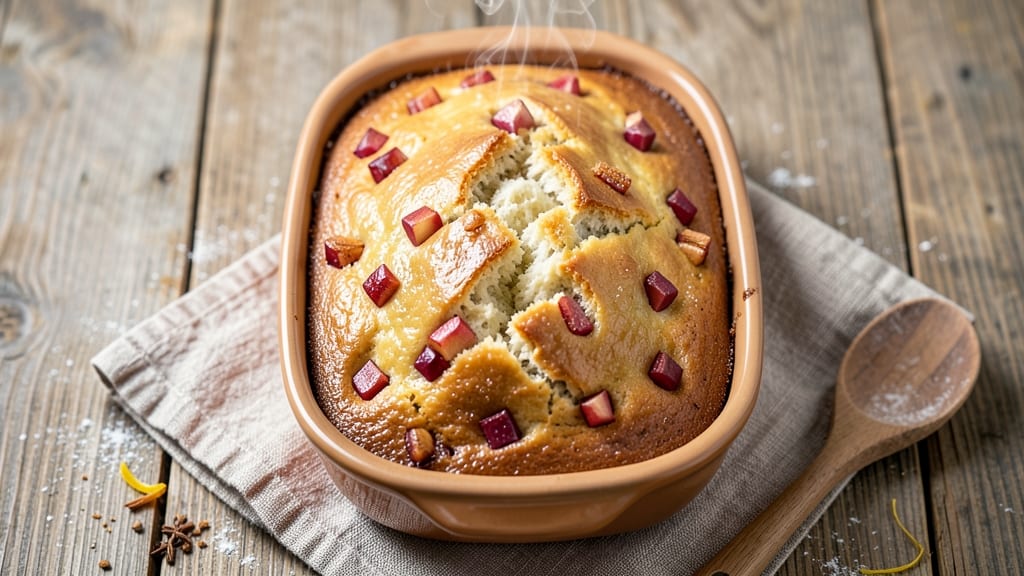
This apple bread recipe with buttermilk delivers the perfect balance of tender crumb, sweet apple swirls, and a golden, crispy top that begs to be sliced. The buttermilk creates an irresistibly moist interior while the apples caramelize into sticky, flavorful pockets—every bite tastes like autumn in a loaf. I've perfected this recipe over years of baking, ensuring it rises beautifully and stays fresh for days.
The secret to that signature crispy top lies in a simple technique: brushing melted butter on the dough before baking, then sprinkling sugar for a caramelized crust. Buttermilk also plays a crucial role here—its acidity tenderizes the gluten, resulting in a cake-like texture that's far more tender than traditional bread.
The apples, mixed into the dough and swirled on top, add natural sweetness that deepens as it bakes.
What you'll end up with is a loaf that's impossible to resist—warm from the oven, with a crackly top that gives way to soft, buttery layers. The aroma alone will fill your kitchen, and the first slice reveals perfectly balanced sweetness from the apples and subtle tang from the buttermilk.
This bread is ideal for breakfast, dessert, or as a gift that keeps giving.
Optional add-ins like cinnamon, chopped pecans, or dried cranberries can customize the flavor, but the base recipe delivers exceptional results every time. Let's get started on this foolproof apple bread that's sure to become a household favorite.
Ingredients for apple bread recipe with buttermilk
Buttermilk's tang, apples' caramelized sweetness, and a crispy top make this bread irresistible from first slice.
| Ingredient | Amount | Notes |
|---|---|---|
| All-Purpose Flour 🌾 | 5 cups | Sifted for lighter texture |
| Granulated Sugar 🍚 | 1 ½ cups | White or light brown |
| Packed Brown Sugar 🍚 | ½ cup | Light or dark variety |
| Unsalted Butter 🧈 | 1 cup | Cold, cubed for easier mixing |
| Large Eggs 🥚 | 2 whole | Room temperature preferred |
| Buttermilk 🥛 | 1 cup | Full-fat for optimal flavor |
| Active Dry Yeast 🍞 | 2 ¼ tsp | One packet, room temperature |
| Salt 🧂 | ½ tsp | Diamond Crystal preferred |
| Ground Cinnamon 🌿 | 2 tsp | Freshly ground for warmth |
| Medium Apples 🍎 | 3 whole | Sweet-tart variety like Honeycrisp |
| Granulated Sugar 🍚 | ¼ cup | For topping, plus extra for brushing |
| Unsalted Butter 🧈 | 2 tbsp | Melted for brushing crust |
The Honeycrisp apples are non-negotiable for this recipe—their balance of sweetness and tartness caramelizes beautifully. Whole Foods or local orchards carry the best quality, but any sweet-tart variety works in a pinch. Peel and core them first, then slice into 1/4-inch strips for even cooking. The buttermilk should be full-fat for that signature tender crumb, and Kroger's brand is my go-to for consistent quality. Store-bought buttermilk works fine, but if you're feeling ambitious, mix powdered buttermilk with water for a fresher taste. The yeast is the workhorse here—always check the expiration date, and use it within a few months for best results.
No buttermilk? Substitute with 1 cup milk plus 1 tbsp vinegar or lemon juice, let it sit for 5 minutes. Apples too tart? Add 1 tbsp lemon juice to the filling to balance flavors. The cinnamon can be swapped for pumpkin pie spice if you prefer a more complex flavor profile. For the sugar topping, turbinado sugar creates a more dramatic caramelized crust, but granulated works perfectly well. The butter for brushing should be melted but not hot—just warm enough to spread easily. If your butter is too soft, chill it for 10 minutes before melting. And if you're worried about the dough being too sticky, don't be—it's supposed to be slightly tacky for that perfect texture.
This bread keeps beautifully for 3-4 days at room temperature, wrapped in a clean kitchen towel. For longer storage, freeze individual slices wrapped in plastic—up to 3 months without losing freshness. The best part? It reheats perfectly in a 350°F oven for 5-7 minutes, restoring that warm-from-the-oven appeal. I always bake two loaves—one for the family and one to give away. The aroma alone will have your neighbors knocking on the door, and the first slice reveals why this recipe has become a holiday tradition.
Why You'll Love This Recipe
- No-Fuss Mix-In: The dough comes together in five minutes—just toss the grated apples right into the wet ingredients. No folding, no stress, just a smooth batter that bakes into golden perfection.
- Sweet Butter Magic: That brown sugar and butter combo? It’s what turns this into something special. The caramelized edges and tender crumb make it taste like a bakery treat, not a weekday loaf.
- Breakfast to Snack: Slice it warm with a smear of butter for breakfast, or pack it for lunch—it’s great toasted or at room temperature. Honestly, I’ve eaten it cold for a midnight snack, and no one judged.
- Budget-Friendly Staples: You’re using pantry basics here—flour, sugar, butter—so it’s cheap to make but still feels like a splurge. A single batch feeds my whole family, and leftovers last a week if I’m not careful.
Step-by-step instructions for apple bread with buttermilk
Create a tender crumb with golden swirls and a crackly top using precise technique.
Prepare the Apple Filling and Yeast Mixture
Peel, core, and finely dice the 3 whole medium apples into small, even pieces—about ¼-inch cubes. Toss them with 2 teaspoons ground cinnamon and ¼ cup granulated sugar in a medium bowl. Set aside while you prepare the dough.
In a separate small bowl, combine 1 cup buttermilk with 2.25 teaspoons active dry yeast and ½ teaspoon salt. Let this mixture sit for 5 minutes until it becomes frothy. This activates the yeast and ensures proper rise later. The buttermilk's acidity helps develop the bread's signature tender crumb.
Mix the Dough for Optimal Texture
In the bowl of a stand mixer fitted with the paddle attachment, combine 5 cups all-purpose flour, 1.5 cups granulated sugar, and ½ cup packed brown sugar. Mix on low speed for 30 seconds to aerate the dry ingredients and prevent lumps.
Add the 1 cup unsalted butter (cut into cubes) to the dry mixture. Mix on medium speed for 2 minutes until the butter is fully incorporated and the mixture resembles coarse crumbs. The butter should be evenly distributed but still visible as small pieces—this creates pockets of flavor and moisture during baking.
Combine Wet Ingredients and Form the Dough
Add the 2 whole large eggs and the yeast-buttermilk mixture to the mixer. Mix on medium speed for 3-4 minutes until the dough comes together and pulls away from the sides of the bowl. The dough should be soft but not sticky—if it's too dry, add 1 tablespoon buttermilk at a time until it reaches the proper consistency.
Turn the dough onto a lightly floured surface and knead gently for 2 minutes to smooth it out. Fold in the apple filling, pressing it into the dough to create streaks. Divide the dough into two equal portions and shape each into a 12x6-inch rectangle. This rectangular shape ensures even baking and creates those signature swirls.
Layer and Swirl for Perfect Apple Streaks
Place one dough rectangle on a parchment-lined baking sheet. Spread half of the remaining apple filling evenly over the surface, leaving a ½-inch border. Roll the dough up tightly from the long side, using the parchment to help lift and prevent sticking. Seal the seam by pinching it gently.
Repeat with the second dough portion. Place both loaves seam-side down on the baking sheet, spacing them 2 inches apart. Cover loosely with a clean kitchen towel and let rise in a warm place for 45-60 minutes, or until the dough has doubled in size. The loaves should spring back slowly when pressed gently—this indicates proper fermentation.
Bake to Golden Perfection
Preheat your oven to 375°F. In a small bowl, whisk together 2 tablespoons melted unsalted butter with 1 tablespoon granulated sugar. Brush this mixture evenly over the tops of both loaves. Sprinkle with an additional 1 tablespoon granulated sugar for extra caramelization.
Bake for 35-40 minutes, or until the tops are deep golden brown and a toothpick inserted into the center comes out clean. The bread should have a crackly crust with visible apple streaks throughout. For the crispiest top, bake for an additional 2-3 minutes if needed—this is where the magic happens.
Let the bread cool on the baking sheet for 10 minutes before transferring to a wire rack. This resting period allows the steam to escape, preventing a gummy crumb. Slice when still slightly warm for the best texture—each bite should offer a perfect balance of tender crumb, sweet apple filling, and crispy exterior.
Pro Tips For Making Apple Bread Recipe With Buttermilk
- Mix Butter and Sugar First: Mix the softened unsalted butter with both granulated and brown sugar until it’s light and fluffy—about 2-3 minutes. This isn’t just busywork; it aerates the dough early, giving you a tender crumb even with the apples. (Yes, even if you’re tempted to rush it.)
- Use Cold Buttermilk: Pour the buttermilk over the flour mixture last and let it sit for 5 minutes before folding—no need to overmix. Cold buttermilk activates the gluten just enough without making the dough tough, and it keeps the apples from turning the bread into a soggy mess.
- Don’t Overfill the Pan: Fill your loaf pan only 2/3 full—apples expand, and a crowded pan means a dense, gummy center. If your dough looks too much, chill it 15 minutes first. Trust me, you’ll regret that overflowing pan when you’re scraping crumbs off the counter.
- Bake Until Internal Temp Hits 190°F: The bread’s done when the center reads 190°F, not when it looks golden. Apples release moisture as they cook, so relying on color alone means a gummy middle. A toothpick should come out clean, but don’t wait for that—pull it at 185°F and check.
Regional styles of this recipe
Southern U.S. Apple Bread
In the South, apple bread often takes on a slightly denser texture with a focus on bold apple flavor. I like using Granny Smith apples for their tartness, which pairs perfectly with the buttermilk's tang.
Add ½ cup chopped pecans to the dough for a Southern twist—these toast beautifully during baking and add a satisfying crunch. The secret here is a touch of bourbon (1 tbsp) mixed into the apple filling for depth, a nod to traditional Southern baking techniques. 🍎
New England Apple Bread
New Englanders prefer a lighter, almost cake-like texture with a focus on seasonal apples. I recommend using McIntosh apples for their mild sweetness and tender flesh.
The key here is replacing ½ cup of the all-purpose flour with cornmeal—this gives the bread just enough texture to hold its shape while keeping it moist.
Top with coarsely chopped walnuts for a nutty contrast, and finish with a sprinkle of maple sugar instead of granulated for that quintessential New England flavor.
Midwest Apple Bread
The Midwest version leans into hearty, comforting flavors with a slightly sweeter profile. I swap ½ cup of the granulated sugar for molasses, giving the bread a deep, caramel-like richness. Add ½ cup dried cranberries to the dough for a festive touch, especially popular during harvest season.
The buttermilk here is crucial—it balances the sweetness while keeping the crumb tender. For extra warmth, fold in 1 tsp ground cardamom with the cinnamon.
Pacific Northwest Apple Bread
In the PNW, apple bread often incorporates local ingredients like Pearl apples for their crisp texture and mild sweetness. I reduce the sugar slightly (1 cup granulated instead of 1.5 cups>) to let the apples shine. The standout feature?
A raspberry swirl—fold ½ cup fresh raspberries into the dough alongside the apples for a bright, tangy contrast. Top with a sprinkle of toasted hazelnuts for a nutty finish that complements the region's love of woodland flavors. ✨
German Apple Bread (Apfelbrot)
German apple bread (Apfelbrot) transforms this recipe with a yeasted dough and a focus on rustic texture. Replace the all-purpose flour with 4 cups bread flour and 1 cup whole wheat flour for a heartier crumb.
Add 1 tbsp lemon zest to the apple filling for brightness, and fold in ½ cup raisins for sweetness. The buttermilk is swapped for 1 cup warm milk with 1 tbsp vinegar>, and the dough is shaped into a round loaf with a decorative top.
Bake at 350°F for 45-50 minutes**> for a denser, more substantial bread.
Nutrition facts
Frequently asked questions
Why does this apple bread turn out denser than other quick breads?
The buttermilk and yeast combination creates a lighter, more tender crumb compared to traditional quick breads. The key is not overmixing—once the dough comes together, stop mixing immediately to preserve that cake-like texture. Also, the 45-60 minute rise develops proper gluten structure without making it heavy.
Can I use frozen apples instead of fresh?
Yes! Thaw and drain frozen apples first, then pat completely dry with paper towels. The extra moisture can make the bread gummy, so reduce the buttermilk by 2 tablespoons if using frozen. For best results, use apples that were frozen fresh rather than pre-sliced varieties.
How do I prevent the apples from sinking to the bottom?
Toss the apple filling with 1 extra teaspoon of flour before mixing it into the dough. Roll the dough tightly when swirling to create tight layers that hold the apples in place. Also, bake at 375°F—higher heat helps the apples caramelize quickly before they can sink.
What's the best way to reheat slices?
Wrap individual slices in foil and warm in a 350°F oven for 5-7 minutes for perfect texture. For microwave reheating, place slices on a plate with a damp paper towel over them and heat for 10-15 seconds—this prevents drying. The buttermilk keeps slices moist even when reheated.
Can I make this bread without yeast?
Yes! Replace the yeast with 2 teaspoons baking powder and 1 teaspoon baking soda. Increase the buttermilk to 1 ¼ cups and reduce flour to 4 ½ cups for a quicker rise. Bake at 350°F for 30-35 minutes—the texture will be more cake-like but still delicious.