
Side Dishes
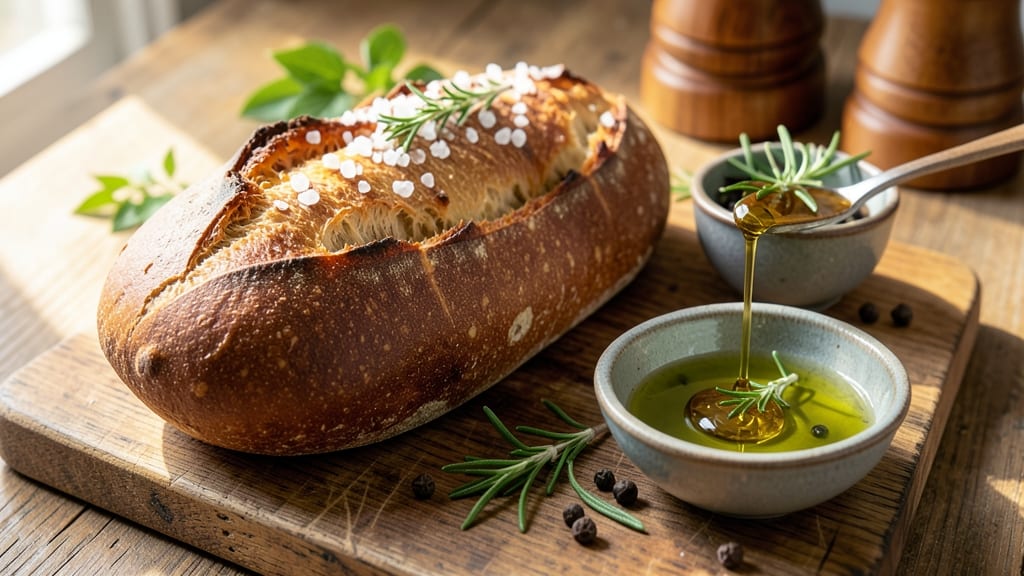
This Archipelago Bread recipe delivers the perfect balance of pillowy softness and aromatic za'atar spice—a traditional Mediterranean staple with a modern twist. The secret lies in a slow fermentation process that develops deep flavor while creating that signature tender crust.
I've refined this recipe over years, perfecting the dough's elasticity and the za'atar's earthy-savory notes that make every bite unforgettable.
The foundation begins with high-quality flour and active dry yeast, combined with just enough water to create a smooth, workable dough. What sets this apart is the za'atar blend—equal parts sesame seeds, sumac, and dried oregano—which infuses the dough with complex Mediterranean flavors during the long proofing stage.
The olive oil enrichment ensures a tender crumb while maintaining that characteristic golden crust.
By the time it emerges from the oven, you'll have a loaf with a crisp exterior that gives way to an airy, almost cloud-like interior—perfect for dipping in olive oil or pairing with charcuterie.
The za'atar seasoning adds a subtle tangy warmth that elevates simple meals into something extraordinary. This bread isn't just a side; it's the star of any table.
Serve warm with whipped feta and honey, or use it to soak up sauces in your favorite bowl. The recipe scales beautifully, making it ideal for gatherings or meal prep. Let's get started on creating your perfect loaf—where tradition meets modern convenience.
Ingredients for archipelago bread
Four cups flour plus a pinch of Mediterranean magic—this dough transforms into cloud-like bread with a crisp crust.
| Ingredient | Amount | Notes |
|---|---|---|
| All-Purpose Flour 🌾 | 4 cups | High-protein for elasticity |
| Active Dry Yeast 🍞 | ¼ tsp | Ensure it's fresh |
| Granulated Sugar 🍚 | ¼ tsp | Feeds the yeast |
| Salt 🧂 | 1 ½ tsp | Diamond Crystal preferred |
| Extra-Virgin Olive Oil 🫒 | ¼ cup | For tender crumb |
| Warm Water 💧 | 1 ¼ cups | 105°F for ideal yeast |
| Sesame Seeds 🌿 | 2 tbsp | Toasted for extra flavor |
| Sumac 🍃 | 1 tbsp | For tangy brightness |
| Dried Oregano 🍃 | 1 tbsp | Mediterranean variety |
| Ground Black Pepper 🌶️ | ½ tsp | Freshly cracked |
| Cornmeal 🌽 | ¼ cup | For dusting the pan |
| Egg Wash 🥚 | 1 whole | For golden crust |
| Coarse Sea Salt 🧂 | 1 tbsp | For sprinkling top |
The flour is non-negotiable here. King Arthur or Caputo Tipo 00 if you want to splurge, but good all-purpose works too—just make sure it's high-protein for that perfect chew. Yeast? Fresh is better, but active dry works in a pinch. The za'atar blend is where the magic happens: grab sumac from Middle Eastern markets for that signature tang, and toast your sesame seeds in a dry pan for 2 minutes—they’ll smell amazing and add depth. I always double-check my yeast’s expiration date because nothing kills a good loaf like dead yeast.
No sesame seeds? Poppy seeds at double the amount work in a bind, but you’ll miss that nutty crunch. Sumac hard to find? Lemon zest plus a pinch of salt mimics the tang. For the olive oil, use the good stuff—none of that cheap cooking oil nonsense. The dough needs to be soft but not sticky, so adjust water by the tablespoon if needed. And if you’re making this ahead, proof the dough overnight in the fridge—the flavor develops even more overnight, trust me.
This bread is best baked fresh, but it reheats beautifully. Wrap the cooled loaf in a clean kitchen towel and pop it in a 350°F oven for 10 minutes to revive that pillowy softness. Store leftovers at room temperature for 2-3 days or freeze for up to 3 months. I like to slice it thin and freeze the slices—perfect for quick toast in the morning. The za'atar seasoning? Keeps for 6 months in an airtight jar, so make extra for everything from dips to roasted veggies.
Why You'll Love This Recipe
- No-Knead, No-Fuss Magic: I swear, this dough comes together with just flour, yeast, sugar, and olive oil—no fancy mixers or stand mixers. You mix, let it rise once, then bake. That’s it. No rolling stress, no shaping headaches.
- Crusty Yet Soft: The olive oil keeps it moist inside while the oven’s dry heat gives that perfect golden crust. Honestly, it’s the kind of bread where the first bite makes you pause—like, wait, is this really homemade?
- Weeknight Workhorse: Use it for toast in the morning, sandwiches at lunch, or even a quick charcuterie board later. Between us, I’ve fed a crowd with this—just slice it thick, and suddenly you’ve got a showstopper.
- Pantry Goldmine: A single batch lasts me days, and the leftovers? Toast them up for crispy croutons or freeze slices for lazy mornings. Plus, with just five ingredients, it’s my go-to when I’m broke but still want something ridiculously good.
Step-by-step instructions for archipelago bread recipe
This bread delivers a soft, pillowy crust with that signature za'atar spice blend—here's how to make it perfect every time.
👨🍳 Step 1: Activate the Yeast and Mix the Dough
In a large bowl, combine the 1.25 cups warm water (around 105°F) with the 0.25 tsp granulated sugar and 0.25 tsp active dry yeast. Let it sit for 5-10 minutes until it becomes frothy—this confirms your yeast is alive and ready to work. If it doesn't bubble, start over with fresh yeast.
Once the yeast is active, add the 4 cups all-purpose flour, 1.5 tsp salt, and 0.25 cup extra-virgin olive oil to the bowl. Mix with a wooden spoon or your hands until a shaggy dough forms. The dough should be slightly sticky but manageable—this is perfect for a soft, airy texture. If it feels too dry, add 1 teaspoon of warm water at a time until it comes together.
🥘 Step 2: Knead Until Silky Smooth
Turn the dough onto a lightly floured surface and knead for 8-10 minutes until smooth and elastic. You'll know it's ready when it springs back slowly when poked. This step develops the gluten, which gives the bread its signature softness and structure. If the dough feels too sticky, wet your hands slightly to prevent sticking.
For extra flavor, divide the dough into two equal portions. In one portion, mix in 1 tbsp sumac, 1 tbsp dried oregano, and 0.5 tsp ground black pepper. In the other portion, keep it plain for contrast. Knead each portion separately for another 2 minutes to distribute the spices evenly.
🍳 Step 3: First Rise for Maximum Flavor
Lightly grease two medium-sized bowls with olive oil and place the dough portions in them. Cover each bowl with a damp towel or plastic wrap and let them rise in a warm place for 1-2 hours, or until they've doubled in size. The dough should feel light and airy when pressed gently—this is your cue that fermentation is working its magic.
While the dough rises, preheat your oven to 375°F. This warm oven will help create that signature soft crust. If your kitchen is cold, turn on the oven light or place the bowls near a warm spot to encourage faster rising. Patience here pays off—don't rush this step, or your bread will be dense instead of pillowy.
🔥 Step 4: Shape and Bake to Golden Perfection
Once the dough has doubled, punch it down gently to release air. Shape each portion into a round loaf, about 8 inches in diameter. Place each loaf on a baking sheet dusted with 0.25 cup cornmeal, leaving space between them for even baking. Brush the tops with the 1 whole egg wash for a golden finish.
Bake for 25-30 minutes until the bread is deeply golden brown and sounds hollow when tapped on the bottom. Sprinkle the tops with 1 tbsp coarse sea salt right out of the oven for that perfect finishing touch. The bread should have a soft, crackly crust with a tender interior—just like you'd find in a Mediterranean bakery.
⏰ Step 5: Cool and Toast the Sesame Seeds
Let the bread cool on a wire rack for at least 15 minutes before slicing—this prevents a gummy texture. While it cools, toast the 2 tbsp sesame seeds in a dry skillet over medium heat for 2-3 minutes until golden and fragrant. Sprinkle these toasted seeds over the cooled bread just before serving for that extra crunch and aroma.
Slice the bread and serve warm with olive oil for dipping or alongside your favorite Mediterranean dishes. The contrast of the za'atar-spiced portion with the plain portion creates a symphony of flavors that's simply irresistible. Enjoy your homemade Archipelago Bread—it's worth every minute of the process!
Pro Tips For Making Archipelago Bread
- Use lukewarm liquid for yeast: I learned this the hard way—yeast hates extremes. Mix your olive oil and water to about 105°F (40°C) before activating the yeast. Too hot and it kills it; too cold and it takes forever to wake up.
- Knead until elastic, not exhausting: Stop when the dough springs back slowly when poked, not when you’re out of breath. Over-kneading develops gluten but also makes the bread dense. For this recipe, 8-10 minutes by hand or 5-6 minutes in a mixer is plenty.
- Salt the dough thoroughly: Don’t skimp—sprinkle the salt directly into the flour before mixing. It dissolves better and distributes evenly. Under-salting is the fastest way to ruin a loaf’s flavor, especially with olive oil’s rich taste.
- Let the dough rise twice: The first rise (1-2 hours) builds volume, but the second (after shaping) is non-negotiable. Skip it, and your bread will be dense and flat. Cover it loosely and give it space—crowding traps moisture and weakens structure.
Dietary considerations for this archipelago bread
Gluten-Free Adaptation
For a gluten-free version, replace the 4 cups all-purpose flour with a high-quality gluten-free blend like King Arthur Measure for Measure or Bob's Red Mill 1:1. Add 1 extra tablespoon of xanthan gum to mimic gluten's structure.
The dough will be stickier, so use a bit more cornmeal when shaping. Proofing may take 10-15% longer—monitor closely for doubling. Bake at 350°F instead of 375°F to prevent over-browning. 🌾
Dairy-Free Options
This recipe is naturally dairy-free, but if you're avoiding eggs for the wash, use 2 tablespoons olive oil mixed with 1 tablespoon water instead of the egg wash. For extra shine, brush with 1 tablespoon melted coconut oil after baking.
The za'atar spices remain dairy-free, so no adjustments are needed there. The texture stays just as tender—promise! 🥚
Low-Carb Version
Swap the flour for 4 cups almond flour (finely ground) and add ½ cup psyllium husk powder to bind the dough. Reduce the water to 1 cup—almond flour absorbs less moisture. Let the dough rest for 30 minutes before kneading, as it's initially quite dry.
Bake at 350°F for 35-40 minutes until the internal temp reaches 190°F. The crust will be denser but still aromatic. 💪
Allergen-Friendly Notes
For nut allergies, use sunflower seed flour instead of almond flour in the low-carb version. Always check labels on dried spices—some sumac blends contain traces of sesame. If avoiding sesame, omit the seeds entirely and add 1 extra teaspoon of sumac for depth.
For egg-free baking, the olive oil wash works beautifully without compromising texture. Safety first—always double-check ingredient sources! 🧂
Vegan Adaptation
This recipe is already vegan-friendly! Simply omit the egg wash and use 2 tablespoons olive oil + 1 tablespoon water instead. The za'atar blend remains plant-based, and the dough's fermentation process doesn't require any animal products.
For extra richness, brush the baked loaf with 1 tablespoon melted vegan butter** after cooling. The result is just as flavorful and satisfying. 🌱
Nutrition facts
Frequently asked questions
Why does this bread need two separate dough portions?
The recipe divides the dough to create a flavor contrast—one portion gets za'atar spices while the other remains plain. This technique mimics traditional Mediterranean baking where different sections of the same loaf offer varied tastes. The spices infuse deeply during the long proofing, creating complex layers of flavor when sliced.
Can I make this bread without a stand mixer?
This dough is perfectly kneaded by hand on a lightly floured surface for 8-10 minutes. The key is to work it vigorously until it becomes smooth and elastic. Wet your hands occasionally to prevent sticking, and don't worry if it feels slightly tacky—the dough should spring back slowly when poked.
What if my dough doesn't rise properly?
Check three things first: yeast freshness (test with warm water + sugar), water temperature (105°F is ideal), and a warm proofing environment (place bowls near a turned-on oven light). If still flat, your yeast may be dead—start fresh with new yeast. Cold kitchens? Try a 2-hour proof instead of 1 hour.
How can I tell when the bread is fully baked?
Look for three signs: deep golden-brown crust, a hollow sound when tapped on the bottom, and an internal temperature of 190°F. The edges should pull away slightly from the pan. For extra assurance, cut a small slice—it should be fully set inside with no raw dough. The za'atar portion may brown faster than the plain dough.
Can I make this bread ahead of time?
Yes! Shape the loaves and refrigerate them overnight for even better flavor development. The next day, let them rise at room temperature for 1-1.5 hours before baking as directed. The cold slows fermentation, intensifying the za'atar aroma. Store baked loaves at room temperature for 2-3 days wrapped in a towel, or freeze for 3 months.