
Desserts
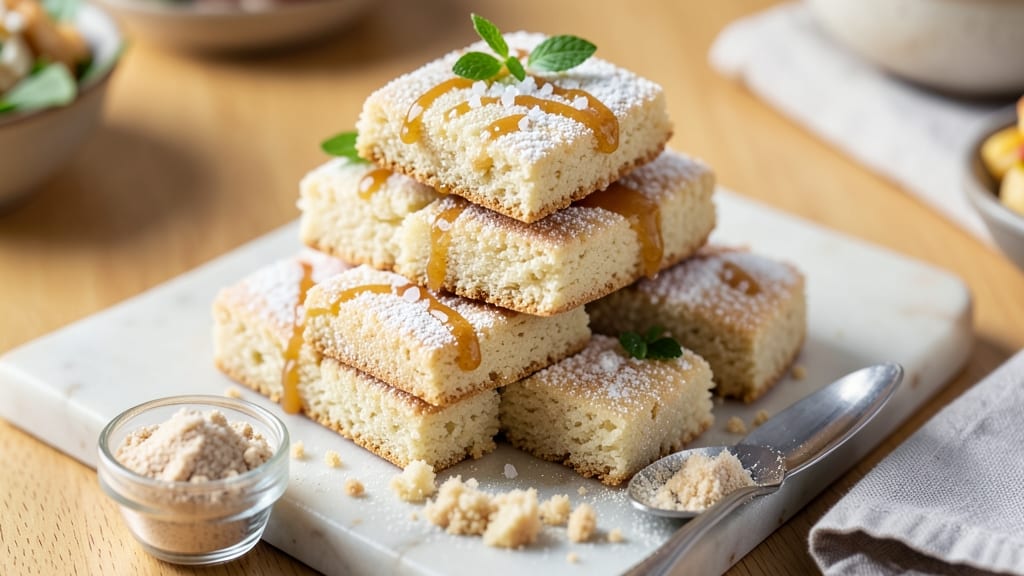
This Argo cornstarch shortbread cookie recipe delivers the perfect balance of buttery crunch and tender crumb—thanks to the fine texture Argo cornstarch brings to the table. 💛 The secret lies in its ability to create a delicate, melt-in-your-mouth texture while maintaining that signature shortbread crunch.
I've perfected this recipe over years of baking, ensuring every batch turns out golden, buttery, and irresistibly fragrant.
The recipe relies on a simple yet foolproof method: combining cold butter, sugar, and Argo cornstarch for a dough that's easy to shape and bakes into cookies with clean edges and a velvety interior.
What sets this apart is the vanilla infusion—whether through vanilla extract or real vanilla beans—which adds depth without overpowering the buttery richness. The result is a cookie that's crisp around the edges yet tender in the center, with just the right amount of sweetness.
Baking time is critical here—10 to 15 minutes at 325°F—to achieve that ideal texture. Argo cornstarch ensures a fine crumb and smooth mouthfeel, making these cookies stand out from traditional shortbread.
Whether you're serving them with tea, gifting them in tins, or enjoying them as a simple dessert, these cookies are sure to impress.
For added flavor, consider incorporating citrus zest or flavored extracts like almond or lemon. The dough stays cool enough to handle easily, making shaping a breeze. Once baked, these cookies stay fresh for days, making them perfect for meal prep or special occasions. Let's get baking!
Ingredients for argo cornstarch shortbread cookie
Nine simple ingredients transform into buttery, crunchy shortbread perfection with Argo cornstarch's signature finesse.
| Ingredient | Amount | Notes |
|---|---|---|
| Unsalted Butter 🧈 | 1 cup | Cold, cubed for even baking |
| Granulated Sugar 🍚 | ½ cup | Superfine preferred for smooth texture |
| Argo Cornstarch 🌾 | ¼ cup | Fine texture for delicate crumb |
| Pure Vanilla Extract 🌿 | 1 tbsp | High-quality for rich flavor |
| Fine Sea Salt 🧂 | ½ tsp | Diamond Crystal preferred |
| All-Purpose Flour 🌾 | 2 cups | Sifted for light texture |
| Vanilla Bean Seeds 🌿 | 1 whole | Optional for extra depth |
| Lemon Zest 🍋 | 1 tsp | Fresh for bright flavor |
| Almond Extract 🌰 | ½ tsp | Optional for nutty aroma |
The Argo cornstarch is non-negotiable here—its ultra-fine texture creates that signature shortbread crumb while keeping edges crisp. Grab the white box from the baking aisle (not the yellow one) at Walmart or Kroger—it's the same stuff bakeries use. For butter, Plugrá is my go-to when I'm feeling fancy, but Land O'Lakes works perfectly fine for everyday baking. Keep everything cold until mixing—room-temperature butter ruins the texture. The vanilla extract should be pure, nothing with alcohol fillers. Walmart's Great Value brand is surprisingly good for the price.
No vanilla bean? Double the extract—it'll still taste amazing. Short on almond extract? Skip it or use 1/4 tsp cinnamon for warmth. The lemon zest can be dried if you're prepping ahead, but fresh is ideal. For flour, King Arthur is my top pick, but Gold Medal is a solid budget choice. If you're gluten-free, swap the all-purpose flour for a 1:1 gluten-free blend—just know the texture will be slightly denser. The sugar should be superfine if you can find it, but regular granulated works if you pulse it in a food processor for 10 seconds.
These cookies stay fresh for 5-7 days in an airtight container at room temperature, or 2 weeks in the fridge. For longer storage, freeze the shaped dough balls on a tray, then transfer to a bag—bake straight from frozen, adding 2-3 minutes to the time. The dough can be refrigerated for up to 48 hours before baking. Once baked, let them cool completely before stacking—they soften quickly from residual heat. Perfect for gifting in clear cellophane bags tied with ribbon for holidays or tea parties.
Why You'll Love This Recipe
- I’ll be real: these disappear in two days, but when they do linger? They stay crisp on the edges, soft in the middle, and still taste fresh. Wrap them in parchment, and they’re your new office snack hero.
- Four-Ingredient Magic: Between us, this recipe is deceptive in its simplicity—just butter, sugar, cornstarch, and vanilla. I swear, the Argo cornstarch gives them that signature tender crumb without requiring food processor time or weird ratios.
- Salted Caramel Dreams: That pinch of fine sea salt? It turns every bite into a little flavor explosion. The buttery richness and vanilla sing, but the salt keeps it from being too sweet—like a hug for your taste buds.
- Pantry Staple Power: Honestly, I make these when I’m out of everything else. No fancy add-ins, no last-minute grocery runs—just what’s already there. Perfect for when you need something fast but still want to feel fancy.
Step-by-step instructions for Argo cornstarch shortbread cookies
Master these precise techniques for cookies with signature crumb and melt-in-your-mouth texture.
👨🍳 Step 1: Mix Dry Ingredients for Perfect Texture
In a medium bowl, whisk together the 2 cups All-Purpose Flour, 0.25 cup Argo Cornstarch, 0.5 tsp Fine Sea Salt, 1 tsp Lemon Zest, and 0.5 tsp Almond Extract. The cornstarch creates that signature delicate crumb while the zest and extract add subtle brightness. Sift the flour mixture through a fine-mesh sieve directly into the bowl to eliminate any lumps.
Use a whisk for 30 seconds to fully aerate the dry ingredients. This step prevents dense cookies—you'll see tiny air pockets form as you whisk. If using the 1 whole Vanilla Bean Seeds, lightly crush them with your fingers and add them now. The cornstarch will help distribute the vanilla more evenly throughout the dough.
🍳 Step 2: Cut Cold Butter for Even Baking
Place the 1 cup Unsalted Butter in a food processor and pulse until it forms pea-sized crumbs—this ensures even distribution and prevents melting during mixing. The butter should be completely cold (if it's softened, chill it for 15 minutes). Add the 0.5 cup Granulated Sugar and pulse 4-5 times until combined but still crumbly.
Transfer the butter mixture to your mixing bowl with the dry ingredients. Using a pastry cutter or your fingers, work the butter into the flour until the mixture resembles coarse crumbs with some pea-sized butter pieces remaining. Overmixing develops gluten, so stop as soon as everything is evenly distributed. The dough should hold together when pressed but still feel slightly sandy.
👨🍳 Step 3: Incorporate Vanilla and Form Dough
Add the 1 tbsp Pure Vanilla Extract to the bowl and mix with a wooden spoon until fully incorporated. The vanilla should disappear completely into the dough. If the mixture feels too dry, press it together gently—it should form a soft, pliable dough that leaves a clean bowl. If it's too crumbly, add 1-2 teaspoons of ice water and mix until just combined.
Divide the dough into two equal discs, flatten slightly, wrap in plastic wrap, and refrigerate for at least 1 hour (or up to 24 hours). Chilling firms the butter, preventing excessive spreading during baking. The dough should feel cold and firm when you remove it from the refrigerator—press your finger into it and it should spring back slowly rather than immediately.
🔥 Step 4: Roll and Cut for Uniform Cookies
Preheat your oven to 325°F and line two baking sheets with parchment paper. On a lightly floured surface, roll one disc of dough to ¼-inch thickness using a rolling pin. The dough will naturally resist rolling—press down firmly but evenly. Use a 2½-inch round cutter to cut out cookies, pressing straight down without twisting to maintain uniform thickness.
Place cookies 2 inches apart on the prepared baking sheets. Gather the scraps, re-roll, and cut additional cookies. The dough should yield about 12 cookies per disc, making a total of 24 cookies as promised. For extra flavor, sprinkle a tiny pinch of fine sea salt on each cookie before baking—this enhances the buttery flavor as they bake.
⏰ Step 5: Bake to Golden Perfection
Bake the cookies for 12-15 minutes until the edges are light golden brown and the centers look just slightly underdone. The edges should pull away from the parchment paper slightly, but the centers should still feel soft to the touch. Rotate the baking sheets halfway through for even baking—your oven might have hot spots.
Remove the cookies from the oven and let them cool on the baking sheets for 5 minutes before transferring to a wire rack to cool completely. The cookies will firm up as they cool, developing that signature shortbread crunch. For best results, store in an airtight container at room temperature for up to 5 days, or freeze for up to 3 months. Enjoy with tea or coffee for the ultimate buttery experience!
Pro Tips For Making Argo Cornstarch Shortbread Cookie
- Chill the Dough Properly: I learned this the hard way—skipping the fridge or freezer makes these cookies spread like pancakes. Wrap the dough in plastic and refrigerate for at least 2 hours (or overnight if you can wait). The cornstarch needs time to fully hydrate and firm up, or you’ll end up with sad, flat discs instead of those crisp, buttery layers.
- Cut Butter in Cold: Don’t let the butter get soft while mixing—this recipe relies on cold fat for structure. Use a food processor or stand mixer, but pulse the butter in short bursts while it’s still cool. If it looks like wet sand, pop it in the fridge for 10 minutes to reset. Warm butter = crumbly cookies.
- Measure Cornstarch Precisely: Argo cornstarch isn’t just a filler—it’s the secret to the texture. Use a scale if you can (it’s lighter than regular cornstarch), or spoon it into the measuring cup and level it off with a knife. Too much, and your cookies turn gummy; too little, and they’ll lack that signature tenderness.
- Bake in One Batch: Shortbread is finicky about oven space. If you’re tempted to double the batch, bake them in a single layer on the middle rack. Crowding the pan steams the cookies, making them soft instead of crisp. Leave at least 2 inches between cookies—they won’t spread much, but they’ll expand just enough to touch.
Dietary considerations for this argo cornstarch shortbread cookie
Gluten-Free Adaptation
For a gluten-free version, replace the 2 cups all-purpose flour with 2 cups gluten-free 1:1 baking flour (like Bob's Red Mill or King Arthur). The Argo cornstarch remains key—it mimics the tenderizing effect of gluten while maintaining that signature crumb.
Chill the dough longer (2 hours) since gluten-free dough spreads more. Bake at 325°F for 14-16 minutes to prevent over-browning. 💫
Dairy-Free Option
Swap the 1 cup unsalted butter for 1 cup dairy-free butter (like Earth Balance or Miyoko's) or 1 cup coconut oil (solid, not melted). The cornstarch still ensures a fine texture, but coconut oil adds a subtle sweetness.
Use 1 tbsp vanilla extract and ½ tsp almond extract to compensate for any flavor loss. Test with a toothpick—bake until it comes out clean (13-15 minutes).
Nut-Free Variations
Skip the almond extract and lemon zest if nut allergies are a concern. Boost flavor with ½ tsp cinnamon or 1 tsp orange zest instead. The Argo cornstarch keeps the texture delicate without nuts.
For extra richness, add 1 tbsp honey to the dough. Store in an airtight container to prevent crumbling from dryness. 🌾
Lower Sugar Adjustments
Reduce the ½ cup granulated sugar to ¼ cup and add ¼ cup honey or maple syrup for moisture. The cornstarch balances sweetness naturally. Bake at 325°F for 12-14 minutes—these cookies will be slightly softer.
Pair with black tea or dark chocolate for contrast. Always check for doneness with a toothpick.
Egg-Free Binding
No eggs needed—the Argo cornstarch and cold butter create structure. For extra cohesion, add 1 tbsp ground flaxseed + 3 tbsp water (mix and rest for 5 minutes).
The dough may feel slightly wetter, so handle gently. Chill 2 hours before rolling. These hold shape beautifully and stay crisp longer than traditional shortbread. 💪
Nutrition facts
Frequently asked questions
Why does this recipe use Argo cornstarch instead of regular cornstarch?
Argo cornstarch has a finer texture than regular cornstarch, which creates that signature delicate crumb and smooth texture in shortbread cookies. The ultra-fine particles also help distribute flavor more evenly while preventing a gritty mouthfeel. For best results, always use the white boxed Argo cornstarch—it's specifically designed for baking.
Can I make these cookies without a food processor?
Simply cut the cold butter into small cubes and use a pastry cutter or your fingers to work it into the flour mixture until it resembles coarse crumbs. The key is to keep everything cold—use a chilled mixing bowl and work quickly. The dough should be slightly sandy but hold together when pressed.
How do I prevent my cookies from spreading too much?
Chilling the dough for at least 1 hour is critical—this firms the butter and prevents excessive spreading. Also, roll the dough to exactly ¼-inch thickness and use a sharp cookie cutter. Press straight down without twisting, and place cookies 2 inches apart on the baking sheet. Bake at 325°F for 12-15 minutes—they'll firm up as they cool.
What's the best way to store these cookies?
Store in an airtight container at room temperature for up to 5-7 days. For longer storage, freeze the shaped dough balls on a tray, then transfer to a bag—bake straight from frozen, adding 2-3 minutes. The cookies will stay fresh for 3 months this way. Avoid stacking warm cookies—they'll soften from residual heat.
Can I add chocolate chips to this recipe?
While traditional shortbread avoids mix-ins, you can add ½ cup mini chocolate chips for a twist. Fold them into the dough after mixing all wet ingredients, then chill and proceed as directed. Use high-quality chocolate and keep the baking time to 10-12 minutes to prevent burning. The cornstarch helps balance the richness of the chocolate.