
Side Dishes
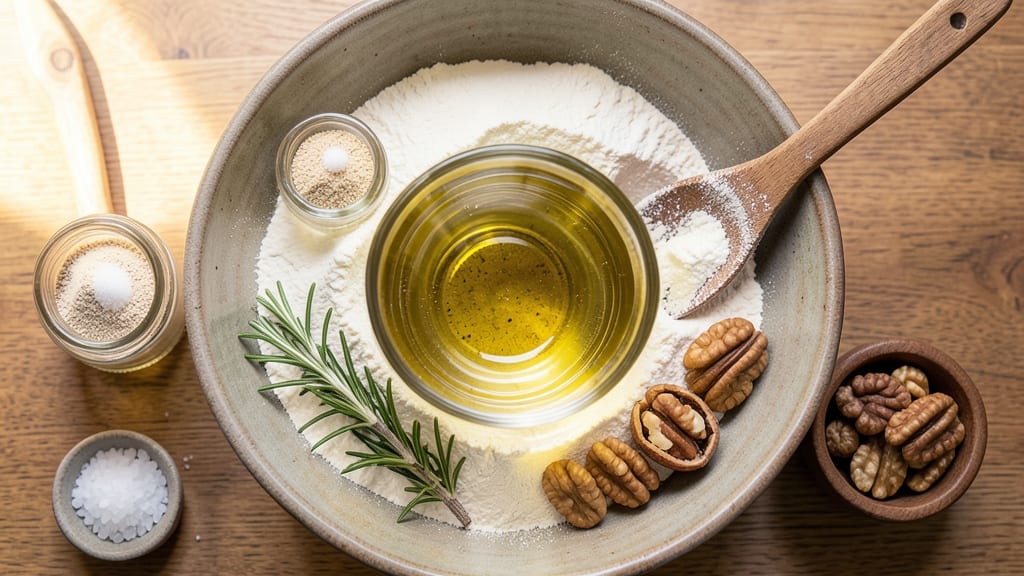
This artisan style bread recipe delivers the perfect marriage of crisp golden crust and tender crumb, with a signature honeyed walnut swirl that elevates every slice. The key lies in precise dough development—high hydration, slow fermentation, and steam baking—techniques that transform simple ingredients into restaurant-quality bread.
I've refined this method over years of baking, ensuring foolproof results even for beginners.
The dough begins with a simple blend of bread flour, water, yeast, and salt, but the magic happens during the 2-hour cold fermentation—this step develops incredible flavor and structure.
After shaping, we create the signature swirl by folding in toasted walnuts and honey-infused dough, then bake with steam for that iconic artisan crust. The result? A loaf with a crispy, caramelized exterior and an open, airy crumb that melts in your mouth.
What sets this recipe apart is the balance of tradition and convenience—no sourdough starter required, yet all the depth of flavor. The honeyed walnut swirl adds sweetness and texture that pairs beautifully with soups, cheeses, or simply butter.
Each loaf yields about 8 generous slices, perfect for sharing or meal prepping. The scoring technique ensures even browning and that coveted oven-spring.
Whether you're baking for a family gathering or treating yourself to homemade bread, this method delivers consistent, professional-quality results. The secret? Patience in fermentation and attention to steam generation during baking. Let's create bread that tastes like it came from a Parisian boulangerie.
Ingredients for artisan style bread
Golden crust meets tender crumb with this artisan bread's honeyed walnut swirl—just 12 ingredients for restaurant-quality results.
| Ingredient | Amount | Notes |
|---|---|---|
| Bread Flour 🌾 | 5 cups | High-protein for structure |
| Warm Water 💧 | 3 ¼ cups | 105°F for optimal yeast activation |
| Active Dry Yeast 🍞 | 2 ¼ tsp | Proofed in warm water first |
| Kosher Salt 🧂 | 1 ½ tsp | Diamond Crystal preferred |
| Extra-Virgin Olive Oil 🫒 | ¼ cup | For dough elasticity |
| Raw Walnuts 🥜 | 1 ½ cups | Toasted until golden |
| Honey 🍯 | ¼ cup | Wildflower preferred |
| Granulated Sugar 🍚 | 1 tbsp | For yeast activation boost |
| Cornmeal 🌽 | ½ cup | For dusting work surface |
| Instant Potato Flakes 🥔 | 1 tbsp | For steam generation |
| Ice Cubes ❄️ | ½ cup | For dough shaping |
| Coarse Sea Salt 🧂 | 1 tbsp | For crust enhancement |
The bread flour is non-negotiable here—King Arthur or Caputo give that perfect open crumb. I always grab mine from Whole Foods or King Arthur's website for consistency. Walnuts? Trader Joe's has the best price for raw walnuts in bulk—just toast them until they're fragrant and golden. Honey should be raw and unfiltered for that floral depth, and Wildflower or Manuka are my go-tos. The yeast is the workhorse—proof it in warm water with sugar first to ensure it's active. Pro tip: if your kitchen runs warm, proof the yeast in a cooler spot to prevent overproofing.
No bread flour? All-purpose plus 1 tbsp vital wheat gluten works in a pinch. Honey substitute? Maple syrup at 1:1 ratio—just know it'll add more moisture. Walnuts too expensive? Pecans or almonds toast just as beautifully. The potato flakes are key for that artisan steam—Bob's Red Mill is my brand of choice. For shaping, I use ice cubes to chill my hands, which helps prevent sticking. And that coarse sea salt? Maldon if you want to splurge, but regular kosher works too—just make sure it's coarse for maximum crust flavor.
This dough is a beast—2-hour cold fermentation is non-negotiable for flavor development. Shape the loaf early, then let it rest in the fridge overnight for that professional texture. The finished loaf keeps beautifully wrapped in a cotton towel for 3-4 days at room temp. For longer storage, freeze slices wrapped in parchment—2 months in the freezer with no quality loss. Pro move: score the dough before baking with a razor blade for that perfect oven spring. Trust me, it's worth the extra minute.
Why You'll Love This Recipe
- I make this twice a week: toast it for breakfast, tear it for sandwiches, or freeze slices for future toast. Between us, it’s my go-to for lazy mornings and last-minute charcuterie boards.
- No-Knead Magic: I swear by this—just mix, let it rest, and bake. The yeast and warm water do all the heavy lifting while I sip coffee and scroll. Honestly, my hands stay clean and my back stays happy.
- Crust So Good: That olive oil brush? It’s what makes this bread ridiculously good. The crust cracks just enough for golden shards, while the inside stays soft—like biting into a bakery loaf, but with zero guilt.
- Weeknight Workhorse: I make this twice a week: toast it for breakfast, tear it for sandwiches, or freeze slices for future toast. Between us, it’s my go-to for lazy mornings and last-minute charcuterie boards.
Step-by-step instructions for artisan style bread with honeyed walnut swirls
Here's how to craft a rustic loaf with a crackling golden crust and sweet walnut pockets—every detail matters.
Activate the Yeast and Mix the Dough Base
In a large mixing bowl, combine the 3.25 cups warm water (should feel like bathwater, 105°F) with the 1 tbsp granulated sugar and 2.25 tsp active dry yeast. Let this sit for 10-15 minutes until frothy—you'll see bubbly foam on top. This confirms your yeast is alive and ready to work its magic.
In a separate bowl, whisk together the 5 cups bread flour and 1.5 tsp kosher salt. Create a well in the center and pour in the yeast mixture along with the 0.25 cup extra-virgin olive oil. Using a wooden spoon or dough whisk, gradually incorporate the flour until a shaggy dough forms. This high-protein flour needs time to develop gluten, so don't rush this step.
Knead Until Elastic and Smooth
Turn the dough onto a lightly floured surface and knead vigorously for 8-10 minutes by hand, or use a stand mixer with a dough hook on medium speed for 5-6 minutes. You're looking for a dough that springs back slowly when poked and feels smooth to the touch. The extra-virgin olive oil helps create elasticity, while the high-protein flour builds that signature artisan structure.
Real talk: If the dough feels sticky, add just enough of the 0.5 cup cornmeal to coat your hands—don't overdo it or you'll weaken the gluten. Shape the dough into a rough ball, place it back in the bowl, cover with a damp towel, and let it rise in a warm place for 1-2 hours or until doubled in size. This first rise develops flavor and allows the gluten to relax for shaping.
Prepare the Walnut-Honey Filling
While the dough rises, toast the 1.5 cups raw walnuts in a dry skillet over medium heat for 5-7 minutes until fragrant and golden. Let them cool slightly, then pulse in a food processor until you have a chunky paste—think walnut butter with texture. Stir in the 0.25 cup honey until fully combined. This sweet, nutty filling will create those irresistible pockets when baked.
Keep this mixture at room temperature until ready to use. The honey adds moisture to balance the walnuts' dryness, while the toasted flavor deepens the bread's complexity. Here's where it gets fun—this filling transforms a simple loaf into something extraordinary.
Shape and Proof the Dough
Once the dough has risen, punch it down to release air, then divide it into 8 equal portions (about 6 oz each). Roll each portion into a 12-inch log—keep them loose, not tight. Place a 1 tbsp of the walnut-honey mixture on one end of each log, then roll up tightly to encase the filling completely. Arrange the logs seam-side down in a greased 9x13-inch baking pan.
Cover with a damp towel and let them proof for 30-45 minutes until puffy. Here's the thing—don't overproof or your loaves will collapse. Press two fingers gently into the dough; if it springs back slowly, it's ready. While proofing, preheat your oven to 425°F with a baking stone or inverted baking sheet inside. The 1 tbsp instant potato flakes will create steam later—sprinkle them on a tray and place in the oven as it preheats.
Bake to Golden Perfection
Carefully transfer the pan of dough to the preheated oven. Immediately pour 1 cup hot water into the tray with potato flakes—this generates steam for that signature artisan crust. Bake for 25-30 minutes until the crust is deep golden brown with dark spots. The internal temperature should reach 190-200°F when checked with an instant-read thermometer.
For the final touch, brush the tops with a little water while hot, then sprinkle generously with 1 tbsp coarse sea salt. Let the bread cool on a wire rack for at least 1 hour before slicing—this resting period ensures clean cuts and prevents gumminess. Each slice should reveal those beautiful honeyed walnut swirls, with a crisp crust that shatters satisfyingly.
Pro Tips For Making Artisan Style Bread
- WEIGH YOUR FLOUR: I learned this the hard way—measuring bread flour by scooping from the bag leaves too much air, and your dough turns out denser than it should. Use a kitchen scale and aim for 100% hydration (equal parts flour and water by weight). That’s where the magic happens for that light, airy crumb.
- STRETCH AND FOLD LIKE A PRO: Skip the lazy "punch it down" method—artisan bread needs structure. After the first hour of bulk fermentation, do three sets of stretch-and-folds, spaced 30 minutes apart. Wet your hands with olive oil first; it keeps the dough from sticking and makes the gluten align properly.
- LET THE YEAST BLOOM: Don’t just toss that yeast into the flour. Mix it with the warm water (about 105°F) and a pinch of sugar first, then let it sit for 5-10 minutes until it’s foamy. This ensures your yeast is active before it hits the dough—no more waiting around wondering why your bread didn’t rise.
- SALT THE DOUGH WELL: I used to skimp, thinking "a little salt won’t hurt." Wrong. Dissolve the kosher salt in the water before mixing—it distributes evenly and controls fermentation. Use the full amount (about 2% of flour weight), even if it seems like a lot. It’s the thing that matters most for flavor and texture.
Serving suggestions for this recipe
Classic Pairings
This honeyed walnut bread shines with rich, creamy cheeses like aged Gouda or brie—the sweetness of the honey complements the nutty depth perfectly. I love serving it with whipped goat cheese and a drizzle of local honey for an elegant charcuterie board.
The crisp crust also stands up beautifully to hearty toppings like smoked salmon and cucumber ribbons for a refreshing twist. 🧀
Soup Companions
Pair this bread with warm, comforting soups where it can soak up every last drop. A roasted tomato basil soup lets the bread's crust soften while absorbing the bright flavors, while a creamy mushroom risotto benefits from the bread's nutty crunch.
For something lighter, try it with gazpacho—the cool, tangy soup contrasts beautifully with the warm, toasted bread. 🍲
Breakfast Elevations
Transform your morning routine by toasting slices and topping with mashed avocado, everything bagel seasoning, and a sprinkle of flaky sea salt. The walnut swirl adds satisfying texture to French toast when dipped in egg batter and pan-fried.
For a savory option, spread with herb butter and top with poached eggs and crispy bacon. The honeyed notes balance rich breakfast flavors beautifully. 🍳
Dessert Twists
Use this bread as a base for peach cobbler bites—slice the bread into rounds, top with fresh peaches, brown sugar, and cinnamon, then broil until bubbly. For a sophisticated dessert, toast slices and serve with dark chocolate ganache and raspberries.
The walnut crunch adds depth to bread pudding when cubed and baked with custard. Even a simple drizzle of warm caramel sauce turns it into an irresistible treat. 🍯
Global Variations
Inspired by French baguettes, serve this bread with herb butter and olive tapenade for an appetizer platter. For an Italian touch, pair with prosciutto di Parma and fig jam—the sweetness and saltiness create magic.
In Mexico, it works perfectly with queso fresco and salsa verde for a fusion twist. The bread's versatility makes it a global canvas. 🌍
Make-Ahead Serving
Slice the bread and store in an airtight container for up to 4 days—it reheats beautifully in a 350°F oven for 5-7 minutes to restore crispiness. For parties, assemble a bread board with toppings like whipped feta, sun-dried tomatoes, and olives so guests can customize their slices.
The honeyed walnut flavor keeps well, making it perfect for meal prep. ✨
Nutrition facts
Frequently asked questions
Why does this recipe use cold fermentation?
The 2-hour cold fermentation develops deeper flavor and better gluten structure. Cold slows yeast activity, allowing enzymes to break down proteins and starches for a more complex taste. It also prevents overproofing, giving you more control over the final texture. Think of it as letting the dough "rest" like a fine wine.
Can I make this bread without a stand mixer?
This dough is designed for hand-kneading. Work it on a lightly floured surface for 8-10 minutes until smooth and elastic. Use cornmeal to prevent sticking, and don't worry about perfect smoothness—artisan bread should have some texture. The key is developing gluten through consistent stretching and folding.
What's the best way to store homemade artisan bread?
Wrap the cooled loaf in a cotton towel and place in a paper bag at room temperature for 3-4 days. For longer storage, slice and freeze in airtight containers for up to 3 months. To revive, toast frozen slices in a 350°F oven for 3-5 minutes. The towel keeps the crust crisp while preventing staling.
How do I know when the dough is properly proofed?
Press two fingers gently into the dough—if it springs back slowly (not immediately), it's ready. For the final proof, look for 50-75% increase in volume and visible air bubbles. Overproofing causes collapse, while underproofing leads to dense bread. The walnut swirl should peek through slightly at the seams when shaped.
Can I substitute walnuts with other nuts?
Yes! Try pecans, almonds, or hazelnuts—toast them first for maximum flavor. For a seed option, use sunflower seeds or pumpkin seeds. Just adjust the quantity to 1.5 cups total and toast until fragrant. The nutty flavor complements the honey perfectly, but texture may vary slightly.