
Side Dishes
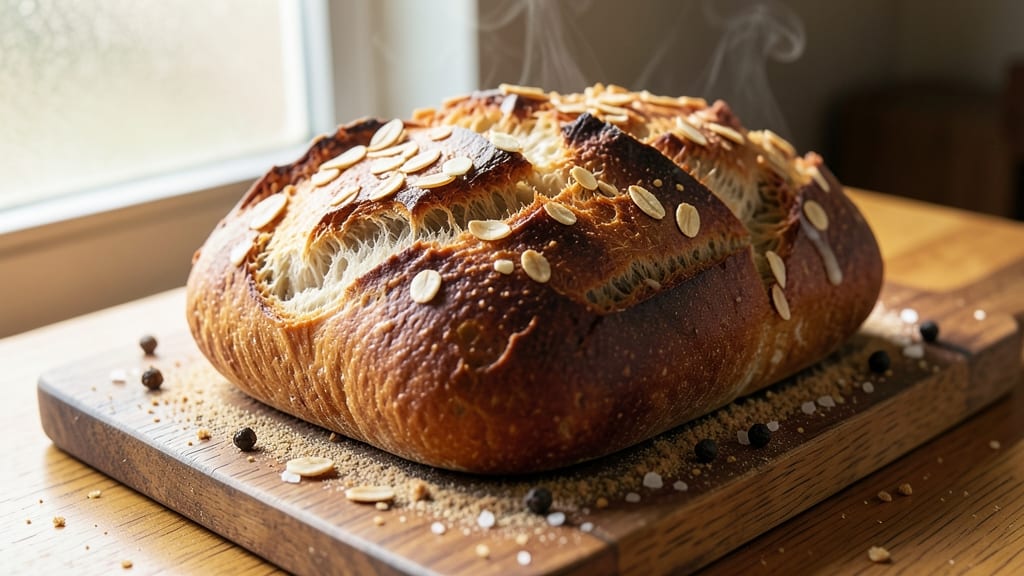
This authentic Irish bread recipe brings the heart of Ireland to your kitchen with its simple yet soulful ingredients and no-yeast tradition. 💛 The magic lies in the combination of wholemeal flour, buttermilk, and baking soda—a recipe passed down through generations that delivers a crust so golden and crisp it rivals any bakery.
I've perfected this version after years of baking, ensuring every slice has that signature tender crumb and buttery aroma that makes it irresistible.
The beauty of traditional Irish soda bread is its simplicity—just four main ingredients, no yeast, and no waiting for dough to rise. The buttermilk creates a tender crumb while the baking soda ensures a light, airy texture, and the wholemeal flour adds a subtle earthiness that's characteristic of Irish bread.
This recipe is foolproof, delivering restaurant-quality results in just 45 minutes with minimal effort.
What makes this bread truly special is its versatility—serve it warm with butter straight from the oven, alongside a hearty Irish stew, or with a cup of tea for an afternoon treat.
The crust stays crispy while the inside remains soft and slightly dense, perfect for soaking up every last bit of gravy or jam. Each batch yields eight generous slices, making it ideal for sharing with family or friends.
Whether you're celebrating St. Patrick's Day or simply craving a taste of Ireland, this recipe delivers the real deal. The secret lies in the details—like letting the dough rest for 10 minutes before baking and brushing the crust with melted butter while it's still warm.
Here's how to make it your new favorite bread.
Ingredients for authentic irish bread
Four core ingredients transform into Ireland's iconic buttery, crisp-crusted bread—no yeast, no fuss.
| Ingredient | Amount | Notes |
|---|---|---|
| Wholemeal Flour 🌾 | 4 cups | Plus 2 tbsp for dusting board |
| Buttermilk 🥛 | 1 ½ cups | Room temperature preferred |
| Baking Soda 🍞 | 1 tsp | Pure, not baking powder |
| Salt 🧂 | 1 tsp | Diamond Crystal preferred |
| Unsalted Butter 🧈 | ½ cup | Melted, for brushing crust |
| Oat Flakes 🌾 | ½ cup | Optional, for texture |
| Raisins 🍇 | ½ cup | Optional, for sweet version |
| Fresh Rosemary 🌿 | 1 tbsp | Chopped, for aroma |
| Fresh Parsley 🌿 | 1 tbsp | Chopped, for freshness |
The wholemeal flour makes this bread authentically Irish—look for stone-ground wholemeal at specialty stores like Whole Foods or Trader Joe's for better texture. The buttermilk? Cultivate brand is my go-to for that tangy richness, but any quality buttermilk works. Freshness matters here—if your flour smells musty, toss it. The baking soda needs to be pure, not baking powder (that extra acidity changes the chemistry). For the optional oats, Bob's Red Mill steel-cut oats toasted lightly in a dry pan add extra crunch.
No buttermilk? Substitute with 1.5 cups plain yogurt plus 1 tbsp lemon juice—let it sit 5 minutes to curdle. Short on rosemary? Dried works at half the amount, but fresh is ideal. The raisins can be swapped for currants or sultanas—just soak them first if you're using dried. For a savory version, skip the raisins entirely. The salt is crucial—Diamond Crystal dissolves more easily than table salt, so use it if you can. And if you're feeling adventurous, add 1 tsp caraway seeds for a traditional Irish twist (toast them first to mellow the flavor).
This dough keeps 2 days in the fridge wrapped tightly in plastic—let it sit at room temp 30 minutes before baking. For longer storage, freeze the shaped loaf for up to 3 months (thaw overnight in the fridge). The crust stays crispy for 2 days if stored in a bread box, but it's best enjoyed fresh. Brush the warm crust with melted butter immediately after baking—that's when it really soaks in. Leftovers? Toast them—second day is even better.
Why You'll Love This Recipe
- No-Knead Magic: I swear by this—just mix, shape, and bake. The wholemeal flour gives it that rustic heft without requiring a food processor or fancy skills. Honestly, my first loaf came out lopsided, but the taste? Still worth it.
- Buttermilk Secret: That tangy buttermilk cuts through the earthiness of the wholemeal flour, creating a bread with just the right balance. The baking soda lifts it perfectly, so every slice has that light, airy crunch. (Yes, even on a Tuesday night.)
- Weeknight Workhorse: Slice it fresh for breakfast, toast it for lunch, or pack it for school lunches—this bread holds up for days. The butter adds richness without overpowering, so it’s the star of any meal, no sides needed.
- Pocketbook Hero: Wholemeal flour and buttermilk stretch my budget further than white bread ever could. A single batch feeds my family for days, and the butter makes it feel special without breaking the bank. My secret weapon for stretching groceries.
Step-by-step instructions for authentic Irish soda bread
Here's how to create traditional Irish soda bread with a crisp crust and tender interior.
👨🍳 Step 1: Prepare the Dough with Traditional Techniques
In a large mixing bowl, combine the 4 cups wholemeal flour, 1 tsp baking soda, 1 tsp salt, 0.5 cup oat flakes, and 0.5 cup raisins (if using). Mix these dry ingredients together using a wooden spoon or your hands until fully incorporated. This creates the base texture that gives authentic Irish soda bread its signature crumb.
Make a well in the center of the dry mixture and pour in the 1.5 cups buttermilk. Gently stir with a wooden spoon until the dough begins to come together. Avoid overmixing—just combine until it forms a shaggy mass. The buttermilk activates the baking soda, creating the chemical reaction that makes soda bread rise without yeast.
Add the 1 tbsp chopped fresh rosemary and 1 tbsp chopped fresh parsley to the dough. Mix lightly just until the herbs are distributed evenly. The herbs add authentic Irish flavor while keeping the preparation simple and traditional. If the dough feels too dry, add 1 tablespoon more buttermilk at a time until it holds together when pressed.
🥘 Step 2: Shape the Loaf with Careful Technique
Turn the dough out onto a lightly floured surface (use the extra 2 tbsp wholemeal flour for dusting). Gently shape it into a round loaf about 1 inch thick. Traditional Irish soda bread is typically round, but you can also shape it into a loaf if preferred. Press the herbs slightly into the surface to ensure even distribution of flavor.
Create a cross on top of the dough using a sharp knife. This isn't just decorative—it helps the bread bake evenly and gives it that classic Irish look. Press down gently but firmly to make the cross about ¼ inch deep. The cross also allows steam to escape during baking, preventing a dense interior.
Place the shaped loaf on a parchment-lined baking sheet. Let it rest for 10 minutes at room temperature. This brief rest allows the gluten to relax slightly, ensuring the bread bakes evenly without cracking. The dough should feel firm but still slightly soft to the touch.
🔥 Step 3: Bake for a Crisp Crust and Tender Interior
Preheat your oven to 425°F. While it preheats, melt the 0.5 cup unsalted butter in a small saucepan over low heat until completely liquid. This butter will give your bread that signature Irish buttery crust. Keep it warm until ready to use.
Bake the bread for 30-35 minutes until it develops a deep golden brown crust and sounds hollow when tapped on the bottom. The interior should register 190-200°F on an instant-read thermometer. If the top browns too quickly, tent loosely with foil to prevent over-browning while ensuring the interior cooks through.
In the final 5 minutes of baking, brush the top of the bread generously with the melted butter using a pastry brush. This creates that iconic crisp, golden crust while keeping the interior moist. The butter should absorb slightly into the bread, giving it that rich, buttery flavor that makes Irish soda bread so special.
⏰ Step 4: Cool and Serve for Maximum Enjoyment
Remove the bread from the oven and transfer it to a wire rack to cool completely. This is crucial—serving it warm from the oven will give you a soft, delicious bite, but allowing it to cool for at least 1 hour develops the full texture contrast between the crisp crust and tender interior.
Slice the bread with a serrated knife and serve warm or at room temperature. The crust should be crisp and golden, while the interior remains soft and slightly crumbly. For an authentic Irish experience, serve with Irish butter or clotted cream, and enjoy with soups, stews, or as part of a traditional Irish breakfast.
This bread keeps well at room temperature for 2-3 days wrapped in a clean kitchen towel, or you can freeze slices for up to 3 months. The flavors only improve with time, making this an ideal bread to prepare ahead for gatherings or family meals.
Pro Tips For Making Authentic Irish Bread
- STIR THE BUTTERMILK FAST: Mix the buttermilk into the wholemeal flour immediately after combining dry ingredients—don’t let the baking soda sit in it longer than 30 seconds. I learned this the hard way when my first batch turned into a dense brick because the soda fizzed out before the flour could absorb it.
- SALT THE BUTTER FIRST: Cut the cold unsalted butter into the flour with the salt—this guarantees even flavor distribution. Skipping this step means you’ll end up with pockets of bland dough, and nobody wants that in Irish bread.
- DON’T OVERMIX THE DOUGH: Stir just until the flour is barely combined—lumps are fine. Overworking the wholemeal flour develops the gluten, and your bread will turn out tough instead of tender. Think "rustic," not "bread machine smooth."
- BAKE AT 375°F, NOT HOTTER: Irish bread needs a steady 375°F (190°C) for 40-45 minutes—any hotter, and the crust burns before the center sets. I used to blast my oven to 400°F, and every time, I’d pull out a charred exterior with a gummy middle. Patience here pays off.
Creative variations of this authentic irish bread
Sweet Raisin Twist
Add ½ cup raisins or currants to the dough for a traditional sweet variation. Soak them in warm water for 10 minutes first to plump them up—I use Sun-Maid raisins for consistent quality.
This version pairs beautifully with Irish tea or as a dessert bread. For extra richness, fold in 2 tbsp brown sugar along with the raisins. 🍇
Herb-Infused Savory
Skip the raisins and boost the herbs for a savory loaf. Add 2 tbsp chopped fresh thyme and 1 tbsp chopped sage alongside the rosemary and parsley. This version works perfectly with Irish stew or smoked salmon.
For a smoky touch, sprinkle ½ tsp smoked paprika over the dough before shaping. The herbs develop deeper flavors during baking.
Seeded Whole Grain
Swap half the wholemeal flour for stone-ground rye flour and add ¼ cup mixed seeds (sunflower, pumpkin, or sesame). This heartier version has a nutty depth and extra crunch. I like using Bob's Red Mill rye flour for its robust flavor.
Toast the seeds in a dry pan for 2 minutes before mixing to enhance their aroma. This bread stays fresh longer and has a satisfying bite.
Sour Cream Variation
Replace half the buttermilk with ½ cup sour cream for a lighter, more tender crumb. The extra fat creates a richer texture while maintaining the bread's signature crisp crust. This version is especially good with Irish cheese like Cashel Blue or Young Irish Cheddar.
For extra richness, add 1 tbsp honey to the dough before baking. The sour cream keeps the bread moist for days.
Spiced Caraway Loaf
For a true Irish pub-style bread, add 1 tsp caraway seeds (toasted in a dry pan for 1 minute to mellow their bite) and ½ tsp ground coriander. This classic variation was traditionally baked in rural Irish homes and pairs perfectly with Irish sausages or corned beef.
The caraway adds a subtle anise-like warmth that balances the bread's earthiness. Toast this version lightly for breakfast with butter.
Gluten-Free Adaptation
For a gluten-free version, replace the wholemeal flour with 2 cups gluten-free all-purpose flour blend (I recommend Bob's Red Mill 1:1) plus ½ cup almond flour for structure. Add 1 extra tbsp baking soda** to compensate for the lack of gluten development.
The texture will be slightly denser but still delicious with butter. This works well for those with gluten sensitivities while keeping the authentic Irish taste. 💛
Nutrition facts
Frequently asked questions
Why does traditional Irish bread use baking soda instead of yeast?
This recipe relies on baking soda because it's a classic no-yeast method that creates a quick, dense crumb perfect for Irish soda bread. The baking soda reacts with the buttermilk's acidity to produce carbon dioxide, giving the bread its lift without requiring hours of rising time. This tradition dates back to rural Ireland where yeast wasn't always available.
Can I make this bread without buttermilk?
Yes! Mix 1.5 cups plain yogurt with 1 tablespoon lemon juice and let it sit for 5 minutes to curdle. This creates the same acidity needed for the baking soda reaction. For extra richness, you could also use 1 cup milk plus 1 tablespoon vinegar instead. The texture will be slightly less tender but still delicious.
How do I know when the bread is fully baked?
The bread is done when it's deep golden brown and sounds hollow when tapped on the bottom. For precision, use an instant-read thermometer—it should reach 190-200°F in the center. If the top browns too quickly, loosely tent with foil after 20 minutes to prevent over-browning while the interior finishes cooking.
Why does my Irish bread turn out dense instead of light?
Overmixing the dough or using old baking soda are common culprits. Mix just until combined (the dough should be shaggy), and use fresh baking soda (it loses potency after 6 months). Also ensure your buttermilk is room temperature—cold liquids can slow the chemical reaction. Let the dough rest for the full 10 minutes before baking to help it rise properly.
What's the best way to store leftover Irish bread?
Wrap cooled slices in a clean kitchen towel or plastic wrap and store at room temperature for up to 3 days. For longer storage, freeze slices for 3 months—thaw at room temperature for 1 hour before serving. The crust stays crispy best when stored this way, and the bread actually improves with time as the flavors meld.