
Side Dishes
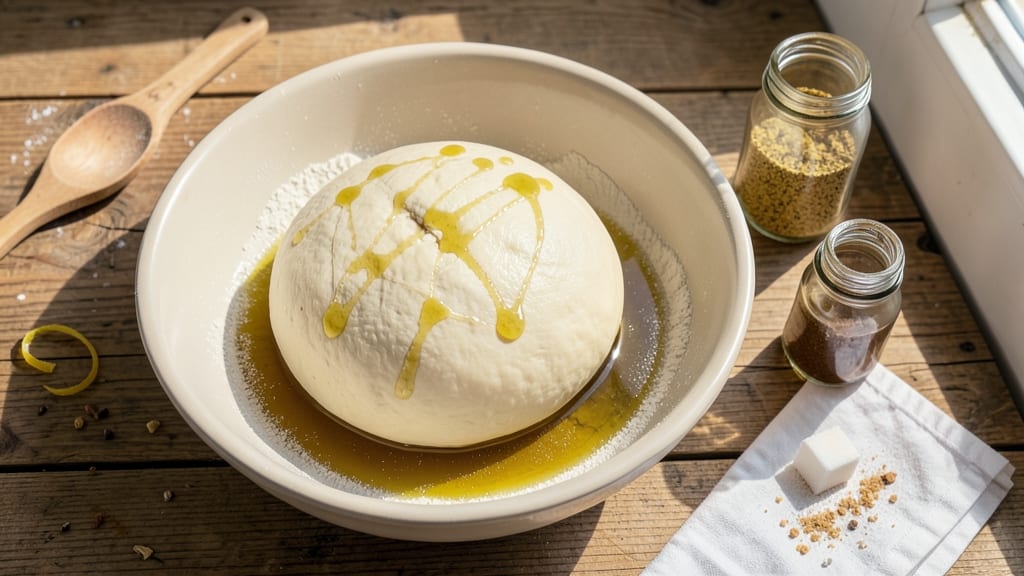
This authentic Italian bread dough recipe brings the soul of a Tuscan bakery to your kitchen, where slow fermentation and high-quality olive oil create a crust that's crisp yet tender. The secret lies in the autolyse method—a gentle start that develops gluten gradually for an open crumb structure.
I've perfected this dough over years of testing, using traditional Italian techniques that transform simple ingredients into something extraordinary.
The magic begins with 00 flour, the gold standard for Italian bread, combined with water and olive oil for richness. A long, cold fermentation (up to 24 hours) allows flavors to deepen and gluten to relax, resulting in a bread that's light, airy, and packed with character.
This isn't your typical quick bread—it's a labor of love that rewards patience with every bite.
By the time you shape and bake, you'll have a loaf with a golden, crackly crust and a soft, open interior that crumbles just enough to soak up olive oil.
The aroma alone—warm, yeasty, with hints of olive oil—will transport you to a rustic Italian trattoria. This dough is versatile too, perfect for focaccia, ciabatta, or a classic rustic loaf.
Whether you're baking for a family dinner or treating yourself to homemade bread, this recipe delivers restaurant-quality results with minimal fuss. Let's get started on creating your perfect Italian loaf.
Ingredients for authentic italian bread dough
Four loaves of Tuscan-inspired bread start with these eleven ingredients—00 flour, olive oil, and patience being the stars.
| Ingredient | Amount | Notes |
|---|---|---|
| 00 Flour 🌾 | 3 ½ cups | Italian bread flour, 12-14% protein |
| Extra-Virgin Olive Oil 🫒 | ¼ cup | Fruity, cold-pressed variety |
| Active Dry Yeast 🍞 | ¼ tsp | Freshly opened, not expired |
| Granulated Sugar 🍚 | ½ tsp | For yeast activation |
| Diamond Crystal Kosher Salt 🧂 | 1 ½ tsp | Fine grain preferred |
| Cold Water 💧 | 1 ½ cups | Chilled, not ice water |
| Semolina Flour 🌾 | ¼ cup | For dusting and crust |
| Cornmeal 🌽 | ¼ cup | For baking surface |
| Coarse Sea Salt 🧂 | ½ tsp | For final sprinkle |
| Freshly Ground Black Pepper 🌶️ | ¼ tsp | Optional for focaccia |
| Fresh Rosemary 🌿 | ¼ cup | Chopped, for optional flavor |
The 00 flour is non-negotiable here—this Italian bread flour gives that signature tender crumb. Caputo is the gold standard, but King Arthur Italian Bread Flour works beautifully too. If you can't find 00, bread flour with 12-14% protein is your best bet. The olive oil? Use only extra-virgin—none of that cheap cooking oil. Colavita or Bertolli are my go-tos, but any fruity, peppery Italian EVOO will do. Fresh yeast is crucial—if you're using active dry, make sure it's freshly opened and hasn't been sitting in your pantry for months.
No 00 flour? All-purpose flour plus 1 tbsp vital wheat gluten mimics the protein content, though texture won't be identical. Short on olive oil? Avocado oil at half the amount works in a pinch, but the flavor won't be the same. The sugar is just for activating the yeast—you can skip it if using instant yeast. For the cold water, chilled tap water is perfect—no need for bottled. Need to stretch this dough further? Add 1/4 cup whole milk powder for extra richness. And if you're making focaccia, that black pepper and rosemary? Toss them on before baking—they'll toast beautifully.
This dough needs 24 hours of cold fermentation for maximum flavor. Store it in the fridge in a sealed container with plastic wrap pressed directly on the surface. It'll keep for up to 3 days this way. For the semolina and cornmeal, toast them lightly in a dry pan before using—it adds amazing crunch to the crust. The finished loaves? Best enjoyed the day they're baked, but you can reheat slices in a 350°F oven for 5 minutes to restore that bakery-fresh crunch.
Why You'll Love This Recipe
- No-Knead, No-Fuss Magic: The 00 flour makes this dough silky smooth with almost no effort—just mix, rest, and shape. Honestly, I’ve made bread that required punching and folding for hours, and this? A 10-minute hands-on job. That’s real life.
- Olive Oil Kiss: That splash of extra-virgin olive oil doesn’t just add richness—it gives the crust a golden sheen and a subtle, fruity depth. Between us, it’s the reason my bread tastes like I actually spent time in an Italian bakery (even though I didn’t).
- Weeknight to Weekend: Use it for garlic knots tonight, twist it into focaccia for Sunday brunch, or freeze half for when you’re too tired to bake. I’ll be real: my dough stash saved me during a particularly chaotic month of late-night study sessions and zero takeout money.
- Budget-Friendly Staple: Five ingredients, all of which last for ages. The yeast and salt? Pantry basics. The flour? A single bag feeds me for months. And that olive oil? A little goes a long way—no waste, just flavor. My wallet’s been thanking me ever since.
Step-by-step instructions for authentic Italian bread dough
Here's how to craft a traditional Italian bread dough with that signature olive oil richness and slow-fermented depth.
Activate the Yeast with Olive Oil and Water
In a large mixing bowl, combine the 1.5 cups cold water, 0.5 tsp granulated sugar, and 0.25 tsp active dry yeast. Let this sit for 5-10 minutes until you see small bubbles forming on the surface—this confirms the yeast is alive and active. The cold water helps control fermentation speed while preserving flavor.
Next, add the 0.25 cup extra-virgin olive oil and whisk everything together until fully combined. The olive oil not only contributes to the dough's signature richness but also helps create that tender, slightly chewy crumb texture Italians love. The mixture should look like a pale, slightly oily liquid with tiny bubbles.
Mix the Dough Using the Autolyse Method
Add the 3.5 cups 00 flour and 1.5 tsp diamond crystal kosher salt to the yeast mixture. Using a wooden spoon or your hands, gently combine until a shaggy dough forms. The autolyse method—resting the dough before kneading—helps develop gluten more evenly and creates a lighter texture.
Cover the bowl with a damp kitchen towel and let the dough rest for 30 minutes. During this time, the flour will absorb the water and begin forming gluten strands. You'll notice the dough becomes smoother and less sticky as the gluten develops. This step is crucial for achieving that authentic Italian bread texture.
Knead and Develop Gluten for Structure
After the autolyse, turn the dough onto a lightly floured surface and knead for 8-10 minutes until smooth and elastic. I like to use a mix of hand-kneading and slapping the dough against the surface—this helps strengthen the gluten while keeping the dough from becoming too warm. The dough should be slightly tacky but not sticky.
For an extra touch of authenticity, fold in the 0.25 cup chopped fresh rosemary and 0.25 tsp freshly ground black pepper (if using) during the final minute of kneading. This infusion gives the bread its distinctive herbal aroma while adding subtle depth to the flavor. Return the dough to the bowl, cover, and let it rise in a warm place for 1-2 hours or until doubled in size.
Shape and Slow-Ferment for Maximum Flavor
Once the dough has risen, punch it down to release air and shape it into a round loaf or your preferred form. For an authentic Italian touch, brush the surface with a little more extra-virgin olive oil and sprinkle with 0.5 tsp coarse sea salt. This step not only enhances flavor but also creates that beautiful golden crust.
Place the dough on a baking sheet dusted with 0.25 cup semolina flour and cover it again. Let it undergo a slow, cold fermentation in the refrigerator for 12-24 hours. This extended fermentation develops complex flavors and improves the bread's texture. The longer it ferments, the more pronounced the olive oil richness will be.
Bake for a Crispy Crust and Airy Crumb
Preheat your oven to 425°F and bake the dough for 25-30 minutes until the crust is deep golden brown and the internal temperature reaches 190°F. For an even crispier crust, you can also bake it on a bed of cornmeal to prevent sticking and enhance browning.
The bread is best enjoyed fresh from the oven, when the crust is still crisp and the crumb is light and airy. If you're making focaccia, press the dough into a pan and bake it until the top is golden and bubbly. This dough is incredibly versatile—use it for ciabatta, pizza, or traditional Italian loaves, all with that authentic olive oil richness you crave.
Pro Tips For Making Authentic Italian Bread Dough
- Weigh Your Flour: Skip the cups—00 flour is deceptively light, and volume measurements mess up hydration. Use a kitchen scale for 500 grams (or 4 cups plus a handful) to nail that silky, elastic dough texture. I learned this the hard way when my first loaf turned out dense as a brick.
- Autolyse First: Mix just the flour and water (no yeast, oil, or salt) and let it sit for 30 minutes before adding anything else. This relaxes the gluten and makes kneading easier—no, it won’t replace proper folding, but it’ll save your arms and improve oven spring. (Yes, even if you’re impatient like me.)
- Salt the Water: Dissolve the kosher salt in the water before mixing—it distributes evenly and prevents clumpy dough. If you add it later, you’ll end up with pockets of saltiness and uneven flavor. My grandmother swore by this, and she was right: the crust tastes cleaner and the crumb more uniform.
- Oil the Bowl: Coat your mixing bowl with extra-virgin olive oil (about 2 tablespoons—enough to coat the bottom) before adding the dough. This prevents sticking and makes shaping later a breeze. I was skeptical until I tried it: no flour dusting, no dough tearing, and way less cleanup. (Your future self will thank you.)
Best sauces and condiments for these flavors
Olive Oil Magic
This dough's signature richness comes from extra-virgin olive oil, which should be fruity and peppery. Drizzle 1-2 tbsp over warm slices before serving to enhance flavor. For an authentic touch, use Colavita or Bertolli—both elevate the bread's natural olive oil aroma. 🫒
Garlic Confit
Infuse the dough with garlic by mixing 2 cloves roasted garlic into the olive oil before adding it to the dough. The slow fermentation intensifies the garlic flavor, creating a bread with subtle depth. For extra richness, brush the baked loaf with more garlic-infused oil before serving.
Herb Blends
Fresh herbs transform this dough into a fragrant masterpiece. Mix 1 tbsp chopped rosemary, 1 tbsp thyme, and 1 tbsp parsley into the olive oil before kneading.
The herbs toast beautifully during baking, adding layers of flavor. For a simpler option, sprinkle 1 tsp dried oregano on the dough before baking.
Balsamic Reduction
Add a sophisticated touch by drizzling 1 tbsp balsamic glaze over sliced bread. Simmer ½ cup balsamic vinegar with 1 tbsp honey until reduced by half, then cool before using. The tangy-sweet contrast balances the bread's richness beautifully.
Tomato Jam
Spread 1-2 tbsp tomato jam on warm slices for a sweet-savory pairing. Use San Marzano tomatoes for the best flavor. The jam's acidity cuts through the bread's richness, creating a perfect balance. Store-bought jam works, but homemade is even better.
Whole Grain Toppings
For texture contrast, sprinkle toasted whole grain flakes (like panko or crushed cornflakes) on the dough before baking. The grains add crunch while complementing the soft interior. This works especially well for focaccia-style breads.
Nutrition facts
Frequently asked questions
Why does this recipe use 00 flour instead of regular all-purpose?
00 flour is the Italian bread standard because its low protein content (12-14%) creates a delicate, tender crumb with an open structure. Regular all-purpose flour has too much protein, resulting in a denser, chewier bread. For best results, use Caputo or King Arthur Italian Bread Flour—they're formulated for this exact texture.
Can I make this dough without a stand mixer?
This dough is designed for hand-kneading. After the 30-minute autolyse, turn it onto a lightly floured surface and knead for 8-10 minutes using a mix of hand-stretches and slaps against the counter. The autolyse method makes the dough easier to handle, and the olive oil keeps it from sticking too much. Just work in short bursts to avoid warming the dough.
What's the deal with the long cold fermentation?
The 12-24 hour cold fermentation is what creates that authentic Italian flavor depth. It allows the yeast to work slowly, developing complex flavors and breaking down gluten for a lighter crumb. The olive oil also infuses more flavor during this time. Pro tip: Place the dough in the fridge in a sealed container with plastic wrap pressed directly on the surface to prevent drying.
My dough didn't rise much after the first proof. What went wrong?
Most likely your yeast wasn't active or the environment was too cold. Always check yeast freshness (it should be 3-6 months old) and test it in warm water with sugar before starting. For the first proof, keep the dough in a warm spot (75-80°F)—try placing it near your oven with the light on, or use a proofing box. If it still doesn't rise, your dough might be too cold or the yeast was dead.
How do I store leftover dough or baked bread?
For unbaked dough, keep it in the fridge for up to 3 days in an airtight container with plastic wrap pressed on the surface. For baked bread, cool completely, then wrap tightly in plastic or foil. It'll stay fresh for 2-3 days at room temperature. For longer storage, freeze baked slices (up to 3 months) and reheat in a 350°F oven for 5 minutes to restore crispness.