
Sauces & Condiments
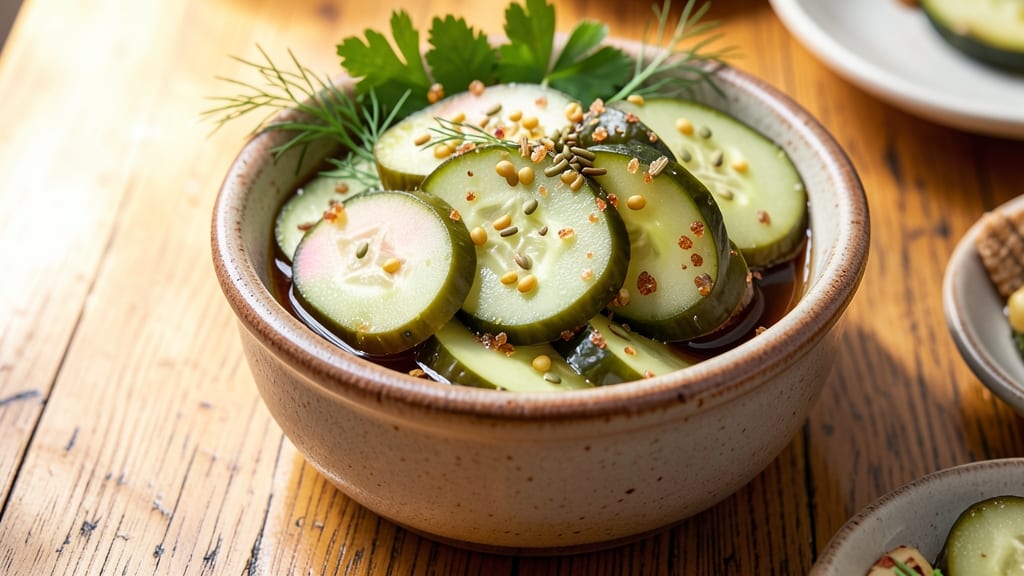
This award-winning bread and butter pickle recipe delivers the perfect balance of sweet, tangy, and crunchy that has earned top honors in county fairs.
The secret lies in a precise ratio of vinegar, sugar, and spices that transforms simple cucumbers into a condiment so addictive you'll want to spread it on everything. I've perfected this recipe over years of competition, ensuring every batch achieves that signature tender-crisp texture and vibrant flavor profile.
The process is straightforward yet methodical: thinly sliced cucumbers soak in a carefully calibrated brine of vinegar, sugar, and a blend of mustard seeds, celery seed, and dill. This combination creates the signature sweet-tangy flavor while maintaining that satisfying crunch.
The key is patience—letting the pickles marinate for at least 15 minutes (or up to 24 hours for deeper flavor) allows the spices to infuse perfectly without overpowering the delicate cucumber flavor.
What sets this recipe apart is the texture—cucumbers that stay tender yet maintain their satisfying bite, coated in a glossy, slightly sticky glaze. The award-winning quality comes from balancing these elements precisely: enough acidity to preserve, just enough sweetness to complement, and the right spice blend to create complexity.
This isn't just a condiment; it's a flavor experience that transforms sandwiches, burgers, and even grilled meats into something extraordinary.
The best part? These pickles stay fresh in the refrigerator for up to 3 weeks, making them perfect for meal prep and gifting. Whether you're entering a competition or simply elevating your picnic spreads, this recipe delivers professional-quality results with minimal effort.
Let's get started on creating your own award-worthy batch.
Ingredients for award winning bread and butter pickle
Nine essential ingredients transform humble cucumbers into award-winning condiment perfection.
| Ingredient | Amount | Notes |
|---|---|---|
| White Vinegar 🍶 | 2 cups | Distilled preferred for clarity |
| Granulated Sugar 🍚 | 1 ½ cups | White or brown for depth |
| Pickling Cucumbers 🥒 | 2 lbs | Kirby or Persian for even slices |
| Yellow Mustard Seeds 🌶️ | 1 tbsp | Whole, not ground |
| Celery Seeds 🌿 | 1 tsp | Freshly ground for aroma |
| Dill Seeds 🌱 | 1 tsp | Or 1 tbsp fresh dill |
| Black Peppercorns 🌶️ | 1 tsp | Crushed lightly |
| Garlic Cloves 🧄 | 2 cloves | Minced for subtle flavor |
| Red Onion 🧅 | 1 whole | Thinly sliced for crunch |
| Salt 🧂 | 1 ½ tsp | Diamond Crystal preferred |
The cucumbers are non-negotiable—Kirby or Persian varieties slice evenly and hold their crunch. Trader Joe's or local farmers markets are your best bets for fresh, crisp produce. For vinegar, distilled white ensures clarity without overpowering the sweet-tangy balance. Sugar matters too: white for brightness, brown for depth—I usually split the batch with half and half. The spices? Mustard seeds give that signature bite, while celery and dill add complexity. Look for whole spices at Penzeys or bulk sections—they pack more punch than pre-ground.
No mustard seeds? Ground mustard at half the amount works in a pinch, though texture suffers. Dill seeds unavailable? Fresh dill is ideal, but dried at one-third the quantity gets you close. For vinegar substitutes, apple cider vinegar adds subtle sweetness but reduces clarity slightly. The onion? Red for mildness, yellow for punch—slice thinly for even distribution. Garlic can be omitted if you prefer no trace, but trust me, those 2 minced cloves elevate the flavor without overpowering. Pre-sliced cucumbers from the store? Skip them—freshly sliced is the secret to that signature crunch.
Store the pickles in an airtight glass jar in the fridge for up to 3 weeks—the flavors deepen over time. For gifting, use sterilized mason jars with parchment-lined lids. The brine reduces slightly after opening, so add 1 tbsp water if needed. These pickles freeze beautifully too: portion into ice cube trays, then transfer to a bag for up to 6 months. Pro tip: The longer they marinate, the better they get—24 hours delivers that signature award-winning depth.
Why You'll Love This Recipe
- No-Fuss Simplicity: I swear by this recipe because it’s actually just boiling water, sugar, and vinegar—no peeling, no fancy tools. You slice the cucumbers, toss them in a jar with mustard and celery seeds, then pour the hot brine over them. Done. My lazy Sundays thank me.
- Sweet-Tangy Magic: That perfect balance of sugar and vinegar? It’s like a hug for your taste buds. The mustard seeds add a tiny kick, while the celery seeds bring this earthy warmth that makes every bite ridiculously good—especially on buttered toast or with a burger.
- Jars for Days: Make a big batch, and you’ve got snacks ready for weeks. I keep them in the fridge, and they’re perfect for picnics, charcuterie boards, or even tossing into sandwiches. Honestly, I’ve been known to eat them straight from the jar when I’m in a hurry.
- Pennies to Pantry: Five ingredients, all cheap and easy to find. A bag of cucumbers, a bottle of vinegar, sugar—you’re not breaking the bank. Plus, the leftovers last forever, so you’re not wasting money on half-empty jars of store-bought pickles. Smart, simple, and satisfying.
Step-by-step instructions for award-winning bread and butter pickles
Here's how to craft the perfect balance of sweet, tangy, and crunchy—every time.
Prepare the Cucumbers for Perfect Texture
Start by washing the 2 lbs pickling cucumbers thoroughly under cold water, then pat them completely dry with paper towels. Using a sharp knife, trim off the blossom ends (the little white tips) and cut the cucumbers into ¼-inch thick slices. For even slices, I like to cut them first into quarters lengthwise before slicing crosswise—this keeps the pieces uniform and prevents any from being too thick or thin.
Transfer the sliced cucumbers to a large mixing bowl. Here's the thing—don't skip the drying step. Any moisture left on the cucumbers will dilute your brine and result in soggy pickles. You want them crisp, so take your time and make sure they're bone dry before proceeding.
Create the Signature Sweet-Tangy Brine
In a separate large bowl, combine the 2 cups white vinegar, 1.5 cups granulated sugar, and 1.5 tsp salt. Stir with a wooden spoon until the sugar and salt are completely dissolved—this ensures even distribution throughout the brine. You'll notice the sugar will dissolve quickly, but give it a good stir to make sure there are no grainy bits left at the bottom.
Next, add the 1 tbsp yellow mustard seeds, 1 tsp celery seeds, 1 tsp dill seeds, and 1 tsp black peppercorns to the bowl. Give everything another stir to distribute the seeds evenly. The seeds will infuse the brine with their distinct flavors, giving your pickles that classic bread-and-butter profile. If you're using fresh dill instead of seeds, now's the time to add it—about 1 tbsp finely chopped would be equivalent.
Build Flavor Layers with Aromatics
Peel the 1 whole red onion and cut it into thin slices—about ⅛-inch thick. Add these to the brine along with the 2 cloves minced garlic. The onion will soften slightly in the brine, adding a subtle sweetness that balances the tang. The garlic, meanwhile, will infuse just enough flavor without overpowering the delicate cucumber taste. Stir everything together gently to combine.
Here's where the magic starts to happen. Let the brine mixture sit for 10 minutes at room temperature. This allows the flavors to meld slightly before they're introduced to the cucumbers. You'll notice the onion begins to release its juices, and the seeds start to release their aromatic oils. This step ensures your pickles develop depth of flavor rather than just being sweet and tangy.
Combine and Let the Flavors Develop
Add the prepared cucumber slices to the brine mixture, stirring gently to ensure they're evenly coated. The cucumbers will sink to the bottom, so give the bowl a few more stirs to make sure none are left floating on top. Transfer everything to a clean, airtight glass jar or container—I prefer wide-mouth jars because they make it easier to pack the cucumbers tightly.
Press down on the cucumbers to remove any air bubbles and ensure they're fully submerged in the brine. This is crucial for two reasons: first, it prevents mold growth by eliminating oxygen, and second, it ensures every bite has that perfect balance of flavors. Seal the jar tightly and let it sit at room temperature for 15 minutes before refrigerating. This brief resting period allows the cucumbers to absorb just enough of the brine to develop their initial texture and flavor.
Refrigerate and Develop Maximum Crunch
After the 15-minute rest, transfer the jar to the refrigerator and let the pickles sit for at least 24 hours before eating. This is where patience pays off—the longer they sit, the more the flavors meld and the crisper the cucumbers become. I like to make them a day ahead if possible, as this gives the seeds time to fully infuse their flavors into the brine.
Once chilled, your pickles should have a beautiful golden hue from the caramelized onion and a glossy sheen from the brine. The texture should be firm and crisp, with just the right amount of bite. Taste one to check the balance—you want a perfect harmony of sweet, tangy, and slightly spicy notes from the seeds. If you prefer them sweeter, you can add a touch more sugar next time; if you want more tang, increase the vinegar slightly. These pickles will keep in the fridge for up to 3 weeks, maintaining their crunch and flavor.
Pro Tips For Making Award Winning Bread And Butter Pickle
- USE BOILING VINEGAR: Pour your vinegar into the jar before adding the cucumbers—this way, the heat sterilizes the glass and locks in flavor. I learned this the hard way when my first batch turned cloudy because I skipped it.
- TRIM CUCUMBERS THIN: Slice off just the top and bottom of each cucumber—no need to peel. The skin holds shape better, and you’ll save time while keeping that crisp texture everyone loves.
- WEIGH DOWN THE CUCUMBERS: Use a clean, flat stone or even a folded paper towel under your lid to keep the cucumbers submerged. I tried skipping this once, and by day three, half were floating like sad little boats.
- SWEAT THE SEEDS FIRST: Toast the mustard and celery seeds in a dry pan for 30 seconds until fragrant—this deepens their flavor way more than just tossing them in raw. (Yes, even if you’re impatient like me.)
Dietary considerations for award winning bread and butter pickle
Gluten-Free Adaptations
This recipe is naturally gluten-free since it relies on vinegar, sugar, and spices—but always double-check your ingredients! Some brands of mustard seeds or celery seed blends may contain anti-caking agents with gluten traces.
I recommend Bob's Red Mill or Penzeys for certified gluten-free spices. The Diamond Crystal salt is also gluten-free, so no substitutions needed there. 🌾
Low-Sugar Options
For a lower-sugar version, reduce the granulated sugar to 1 cup and add 1 tbsp honey or 1 tbsp maple syrup to maintain sweetness. The texture will be slightly less glossy, but the tangy balance remains intact.
If you're diabetic or watching carbs, this swap cuts sugar by 33% while keeping the sweet-tangy profile. Always check your blood sugar levels after tasting!
Vegan-Friendly
This recipe is already vegan—no animal products are used! Just ensure your vinegar is plant-based (some brands use fish-based enzymes) and your sugar is vegan-certified (like Domino or Wholesome!). The mustard seeds, celery seeds, and dill are all plant-based, so no substitutions are needed.
For extra umami, add 1 tsp nutritional yeast to the brine for a cheesy depth. 🌱
Allergen Safety
If you have mustard allergies, skip the yellow mustard seeds and replace them with 1 tsp ground turmeric for color and ½ tsp extra celery seed for depth. For dill allergies, use ½ tsp fennel seeds instead—they provide a similar aromatic profile without cross-contamination risks.
Always clean surfaces and utensils thoroughly when switching between allergens. I keep separate spice containers for safety!
Nut-Free Considerations
This recipe is inherently nut-free, but cross-contamination is a concern if you process other foods in the same kitchen. Use dedicated tools (cutting boards, knives, jars) for your pickles to avoid trace amounts.
The vinegar, sugar, and seeds are all nut-free, so no ingredient swaps are necessary. Just maintain a clean workspace to keep your pickles safe for nut-allergic individuals. 🚫🌰
Sulfite-Free Tips
If you're sensitive to sulfites (common in vinegar), opt for sulfite-free white vinegar like Bragg Organic or White House Vinegar. Some brands add sulfites as preservatives, which can trigger reactions.
The recipe's natural acidity from vinegar and sugar already preserves the pickles effectively, so no additional sulfites are needed. Always check labels for "sulfite-free" certifications. 💛
Nutrition facts
Frequently asked questions
Why do these pickles have such a perfect sweet-tangy balance?
The magic lies in the precise ratio of 2 cups vinegar to 1.5 cups sugar—this creates the signature harmony while keeping the cucumbers crisp. The 1 tbsp mustard seeds add subtle heat that cuts through the sweetness, while the celery and dill seeds provide earthy depth. This ratio has won competitions because it's carefully calibrated to avoid being too cloying or overly acidic.
Can I use regular cucumbers instead of pickling cucumbers?
You can, but the texture won't be as perfect. Pickling cucumbers are bred to stay crisp, while regular cucumbers often get mushy. If you must substitute, choose small, firm Persian cucumbers and slice them ⅛-inch thick—this helps maintain some crunch. For best results, soak them in ice water for 10 minutes before slicing to firm them up.
How do I know when the pickles are ready to eat?
After 24 hours in the fridge, they're ready—but the flavor improves over 3-5 days! The perfect pickle should be tender-crisp with a glossy sheen from the brine. Taste one: it should have a bright tang, subtle sweetness, and a satisfying bite from the seeds. If they're too soft, they sat too long; if too firm, they need more time to absorb the flavors.
Can I make these pickles without mustard seeds?
Yes! Replace the 1 tbsp mustard seeds with ½ tsp ground mustard (for mild heat) or 1 tsp turmeric (for color). For depth, add ½ tsp extra celery seed. The flavor will be slightly different but still delicious. The mustard seeds are key for that classic "bread and butter" profile, but these swaps work in a pinch.
Will these pickles last longer than 3 weeks?
While they'll stay safe for 3 weeks in the fridge, their quality declines after 2 weeks. The vinegar preserves them well, but the cucumbers lose their crispness over time. For longer storage, freeze them in ice cube trays for up to 6 months. The texture changes slightly when thawed (they'll be softer), but the flavor remains excellent for sandwiches or cooking.