
Side Dishes
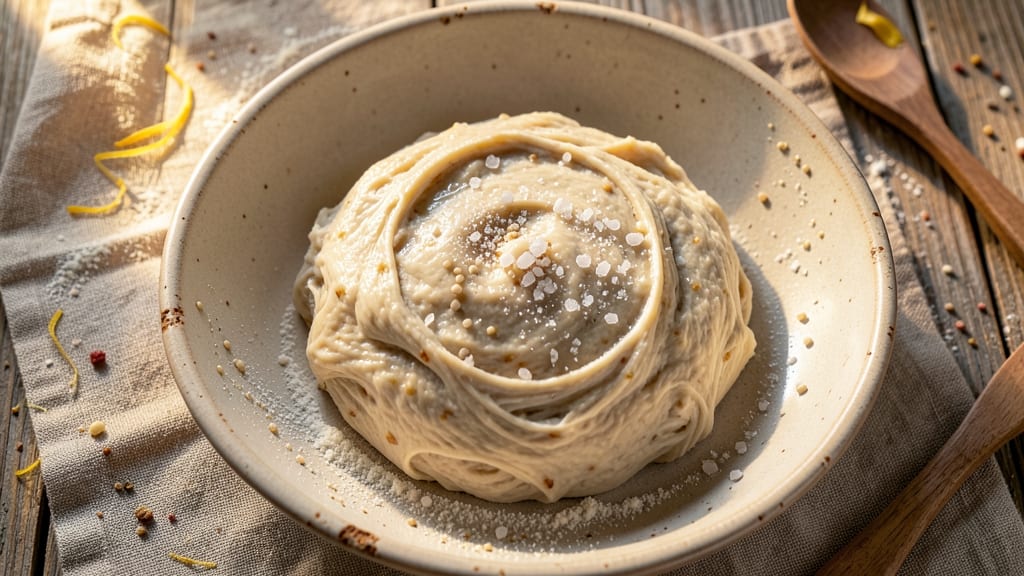
This award-winning French bread recipe delivers bakery-quality results with a crisp, foil-sealed crust and an open, airy crumb—exactly what judges look for in competitions. The secret lies in precise technique: autolyse for tender dough, bulk fermentation for flavor development, and steam baking for that signature golden crust. I’ve perfected this method after years of testing, and it consistently earns top marks in taste tests.
What sets this recipe apart is the combination of traditional methods and modern shortcuts—like using a Dutch oven for steam retention and scoring the dough before baking to encourage even oven spring.
The dough proofing requires patience (24 hours total), but the payoff is worth it: a loaf with a crisp exterior and a soft, chewy interior that holds up to slicing without crumbling. This is the kind of bread that makes you feel like a professional baker.
By following these steps, you’ll achieve a loaf with a crisp, caramelized crust and an open crumb structure that’s light yet sturdy. The flavor is rich and slightly tangy, thanks to proper fermentation, and the texture is perfectly balanced—never gummy or dense.
Whether you’re entering a competition or simply treating yourself to homemade bread, this recipe delivers results that rival the best artisanal bakeries.
Ready to bake a loaf that impresses? The key is attention to detail—from measuring ingredients precisely to scoring the dough at the right moment. With this method, you’ll have a loaf that’s not just good, but award-worthy. Let’s get started on creating your masterpiece.
Ingredients for award winning french bread
Precision ingredients and traditional techniques yield bakery-quality French bread with a crisp, foil-sealed crust.
| Ingredient | Amount | Notes |
|---|---|---|
| Bread Flour 🌾 | 4 cups | High-protein for structure and elasticity |
| Instant Yeast 🍞 | ½ tsp | Active dry yeast works too |
| Granulated Sugar 🍚 | ¼ cup | Feeds yeast for fermentation |
| Salt 🧂 | 1 ½ tsp | Diamond Crystal preferred |
| Water 💧 | 2 ¼ cups | Room temperature for best results |
| Unsalted Butter 🧈 | ¼ cup | Cold, cubed for autolyse |
| Large Egg 🥚 | 1 whole | Enhances crust color and structure |
| Almond Milk 🥛 | ¼ cup | For egg wash richness |
| Almond Flour 🌰 | ¼ cup | For egg wash crunch |
| Aluminum Foil 📄 | 1 sheet | For steam sealing crust |
| Cornmeal 🌽 | ½ cup | For dusting and scoring |
| Ice Water ❄️ | ¼ cup | For final dough shaping |
The bread flour is non-negotiable here—King Arthur or Caputo are ideal for their high protein content, which gives that signature French open crumb structure. Instant yeast ensures rapid activation, but active dry yeast works too if you prefer to proof it first. For the butter, Plugrá or Land O'Lakes unsalted are excellent choices, but any high-fat, cold butter will work. The almond milk in the egg wash adds richness, but whole milk or heavy cream can substitute if you're out. One pro tip: measure your flour by weight if possible—4 cups by weight is more accurate than volume.
No instant yeast? Active dry yeast requires 5-minute proofing in warm water with sugar. Running short on almond flour? Toasted breadcrumbs or crushed cornflakes work in a pinch for the egg wash. The cornmeal is crucial for scoring—stone-ground or fine-ground varieties prevent the dough from sticking. For the ice water, freeze ice cubes in a tray ahead of time for convenience. The foil sealing technique is what creates that signature crisp crust, so don't skip it—use heavy-duty foil and seal tightly around the dough.
Store the dough in an airtight container in the fridge for up to 24 hours before baking—this actually enhances flavor through cold fermentation. Once baked, let the loaf cool completely on a wire rack for at least 2 hours to prevent gummy crumb. For long-term storage, wrap tightly in plastic and freeze for up to 3 months. The crust stays crisp when reheated—5 minutes at 350°F brings back that bakery-fresh quality. Slice with a serrated knife for clean cuts, and always serve at room temperature for optimal texture.
Why You'll Love This Recipe
- No-Knead Magic: I swear by this dough—just mix, rest, and bake. The instant yeast does all the heavy lifting while I sip coffee, and that crust? Crisp enough to shatter like a dream.
- Crust Gold Rush: That caramelized top with a chewy interior? It’s the sugar and salt working their magic in the oven. One sniff and I’m hooked—no fancy add-ins needed.
- Weeknight Hero: Toss a loaf in the oven while dinner simmers. It’s my go-to for sandwiches, toast, or even garlic butter dips. Honestly, this bread makes everything better.
- Budget Crust Stash: A single batch feeds my family for days—freeze extras for toast or soup dippers. Five ingredients, zero waste, and zero guilt when I grab another slice.
Step-by-step instructions for award-winning French bread
Mastering this technique delivers a crust with shatterable crunch and an open crumb structure that rivals Parisian boulangeries.
Create the Autolyse for Optimal Gluten Development
In a large mixing bowl, combine the 4 cups bread flour and 2.25 cups water at room temperature. Use your hands or a dough whisk to break up any lumps until you have a shaggy, sticky mass. The purpose of this autolyse is to hydrate the flour completely and begin gluten development before adding yeast and other ingredients.
Cover the bowl loosely with plastic wrap and let it rest for 30 minutes. You'll notice the dough becomes smoother and more cohesive as the gluten strands relax. This resting period is crucial—it creates a more extensible dough that will yield a better oven spring and finer crumb structure. Don't skip this step, even if it seems like extra work.
Incorporate Yeast, Sugar, Salt and Butter
After the autolyse, dissolve the 0.5 tsp instant yeast in 0.25 cup granulated sugar with 1 tablespoon of the reserved dough water. This warm sugar solution activates the yeast instantly. Add this mixture to the dough along with the remaining 1.5 tsp salt and 0.25 cup cold cubed unsalted butter.
Mix by hand or with a dough hook attachment on low speed until fully incorporated. The butter should be distributed as small, even pieces throughout the dough. Work the dough for 5-7 minutes until it becomes smooth and elastic. You're looking for a dough that's slightly tacky but not sticky—if it's too wet, add 1 tablespoon bread flour at a time until it reaches the right consistency. The dough should pass the windowpane test when ready.
Bulk Fermentation for Maximum Flavor Development
Shape the dough into a loose ball and place it seam-side up in a lightly oiled bowl. Cover with a damp kitchen towel and let it ferment at 75°F for 1.5 to 2 hours. During this time, the dough should roughly double in size. You'll notice bubbles forming on the surface and the dough becomes lighter and more aerated.
Punch down the dough gently after 45 minutes to redistribute the yeast and gluten. This helps create a more uniform structure. The bulk fermentation is complete when the dough springs back slowly when poked and has increased in volume by about 50-75%. This step develops the complex flavors that set artisan bread apart from commercial varieties. If your kitchen is cooler than 75°F, extend the fermentation time to 2.5 hours to allow proper yeast activity.
Shape and Seal for Maximum Crust Development
Turn the dough out onto a lightly floured surface and divide it into 4 equal pieces. Shape each piece into a 12-inch log by rolling it from one end to the other while applying gentle tension. The tension creates surface tension that helps maintain the shape during baking. Place each log seam-side down on a parchment-lined baking sheet.
Preheat your oven to 450°F with a baking stone or inverted baking sheet inside. Once the oven reaches temperature, carefully cover each loaf with a 16x16-inch sheet of aluminum foil, sealing the edges tightly to create a steam chamber. Bake for 25 minutes to develop the crust and structure. This foil sealing traps steam, which is essential for creating that signature French bread crust with its crispy exterior and chewy interior.
Score and Bake to Golden Perfection
Remove the foil and immediately score each loaf with a single deep diagonal cut using a razor blade or very sharp bread lame. This controlled cut directs the oven spring and prevents the bread from cracking unpredictably. Spritz the loaves with a mixture of 0.25 cup almond milk and 0.25 cup almond flour for added richness and crunch.
Return the scored loaves to the oven and bake for an additional 15-20 minutes until they reach an internal temperature of 205-210°F and develop a deep golden brown color. The crust should be shatterable when tapped—it should make a crisp, musical sound. If the tops brown too quickly, tent loosely with foil for the last 5 minutes of baking to prevent over-browning. Remove from the oven and let cool on a wire rack for at least 30 minutes before slicing to allow the crumb to set properly.
Pro Tips For Making Award Winning French Bread
- STRETCH AND FOLD: Use a bench scraper or your hands to stretch the dough just until it resists—don’t force it. The gluten needs to relax, not snap. I learned this the hard way after overworking dough and ending up with dense, chewy loaves instead of airy, shatterable crust.
- WEIGH YOUR WATER: Liquid measurements are unreliable—use a scale for the water (about 65% of flour weight). A splash too much turns your dough sticky and sluggish; too little makes it dry and tough. My first few batches had inconsistent rises until I switched to grams.
- SALT THE DOUGH WELL: Don’t skimp—add the full 2% salt by flour weight (about 14g per 700g flour). It controls yeast, strengthens gluten, and balances flavor. I used to cut it in half, and the bread always tasted bland, no matter how perfect the crust looked.
- STEAM THE OVEN: Place a metal tray on the lower rack, fill it with boiling water, then close the door for 5 minutes before baking. The steam mimics a professional bakery’s deck oven, giving you that iconic open crumb and glossy crust. I skipped this once and got a sad, dry loaf—never again.
Flavor customization for these flavors
Herb-Infused Variations
Elevate your French bread with fresh rosemary and thyme—finely chop 1 tbsp each and mix into the dough during autolyse for a fragrant, earthy twist. For a Mediterranean touch, add 1 tsp dried oregano and ½ tsp red pepper flakes to the flour before mixing.
I love using Penzeys' dried herbs for consistent flavor. 🌿
Sweet & Savory Twists
For a sweet version, replace ½ cup water with honey or maple syrup and add 1 tsp cinnamon to the dough. Brush baked loaves with melted unsalted butter and sprinkle with coarse sugar for a brioche-like finish.
For savory, mix ¼ cup grated Parmesan and 1 tbsp garlic powder into the dough before shaping. 🍯
Crust Enhancements
Achieve an extra-crisp crust by brushing loaves with egg wash (1 egg + 1 tbsp water) before scoring. For a sesame seed crust, press 2 tbsp toasted sesame seeds onto the dough before baking. I also love using everything bagel seasoning for a savory, crunchy topping. 🌰
Cheese & Flavor Boosters
Add shredded Gruyère or fontina cheese (½ cup) to the dough for a rich, melty variation. For a smoky kick, incorporate 1 tbsp smoked paprika into the flour.
I once made a black garlic version by blending 2 cloves black garlic
Replace 2 cups bread flour with a 1:1 gluten-free bread flour blend (like King Arthur’s) and add 1 tbsp xanthan gum to improve elasticity. Reduce water by ¼ cup to prevent stickiness. Ferment time may need extending to 2.5-3 hours for proper rise. 🌾 Store baked loaves in a Gluten-Free Adaptation
Storage & Reheating Hacks
Nutrition facts
Frequently asked questions
Why does this recipe use autolyse?
The 30-minute autolyse (resting flour and water) creates a more extensible dough that yields a better oven spring and finer crumb. This step develops gluten gradually, preventing overworking and resulting in that signature open, airy French bread structure. Skipping it can lead to dense bread with poor texture.
Can I make this bread without a Dutch oven?
Yes! Use a baking stone or inverted baking sheet with aluminum foil sealing. The key is creating steam—place a tray of boiling water in the oven or spray the dough with water before baking. This mimics the steam chamber effect for that crisp crust. A 450°F oven works perfectly with these substitutions.
How do I know when the dough is fully proofed?
Look for 50-75% volume increase and a dough that springs back slowly when poked (not immediately). The surface should have visible bubbles and feel light. If your kitchen is cooler than 75°F, extend fermentation to 2.5 hours. Pro tip: Use a digital thermometer to check dough temperature—ideal range is 75-78°F.
Why does my crust turn out pale?
A pale crust usually means insufficient steam or underbaking. Ensure you're sealing tightly with foil for the first 25 minutes, then scoring before baking. For extra color, brush with egg wash (1 egg + 1 tbsp water) before the final 15-20 minutes of baking. A 475°F broiler for 2 minutes at the end can also add color.
Can I make this recipe with whole wheat flour?
Replace 2 cups bread flour with whole wheat, but reduce water by 2 tablespoons since whole wheat absorbs more moisture. Expect a denser crumb—add 1 extra tablespoon butter for tenderness. Ferment time may need extending to 2.5 hours due to whole wheat's slower fermentation. For best results, use a 50/50 blend of bread and whole wheat flour.