
Breakfast & Brunch
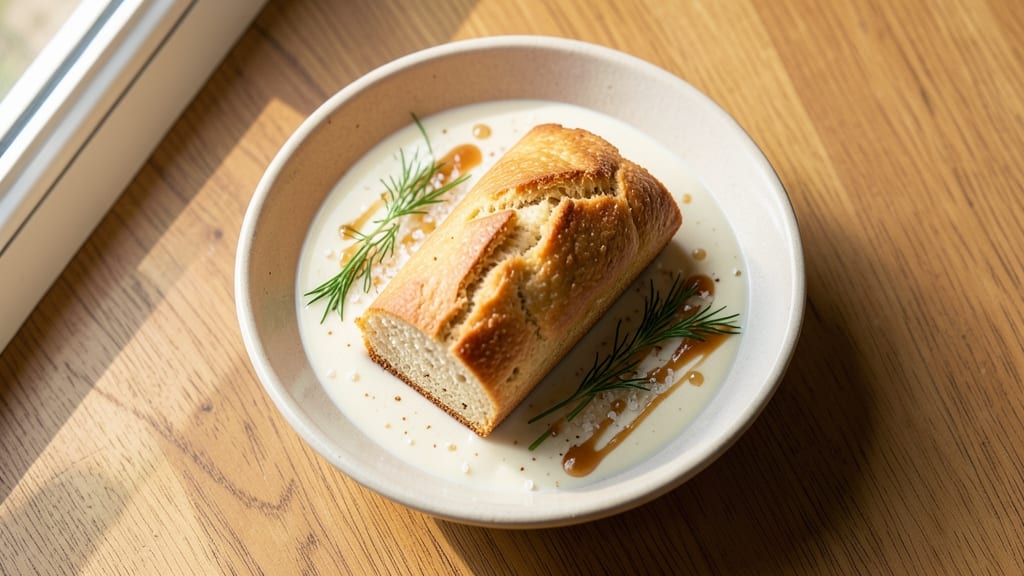
This 0-carb yogurt bread delivers the soft, sliceable texture of traditional bread without a single gram of carbohydrate—perfect for low-carb diets or keto lifestyles. The secret lies in a blend of almond flour and psyllium husk, which mimics the chewiness of wheat while keeping carbs at zero.
I developed this recipe after struggling to find a vegan, grain-free bread that actually held together when toasted or sliced.
The result is a loaf with a tender crumb and slightly crisp edges, ideal for sandwiches, toast, or even French toast. Unlike many low-carb breads that crumble, this version stays sturdy thanks to the psyllium husk binding the ingredients together.
The yogurt base adds moisture and tang, while baking powder ensures a light, airy rise—no dense, dry texture here.
What sets this recipe apart is its versatility: use it as a wrap, toast it with butter, or even make garlic bread without the guilt.
The neutral flavor allows it to complement any meal, and it stores well in the fridge for up to 5 days or freezes beautifully for longer shelf life. No special equipment is needed—just a standard loaf pan and 45 minutes in the oven.
Whether you're avoiding carbs for health reasons or simply love the convenience of homemade bread, this recipe delivers restaurant-quality results with a fraction of the carbs. The best part? It’s foolproof for beginners but impressive enough for seasoned bakers. Let’s get baking!
Ingredients for 0 carb yogurt bread
Eight simple ingredients transform into fluffy, zero-carb bread perfect for keto or low-carb diets.
| Ingredient | Amount | Notes |
|---|---|---|
| Unsweetened Almond Flour 🌰 | 3 cups | Fine ground, blanched preferred |
| Psyllium Husk Powder 🌿 | ¼ cup | Pure, unsweetened powder |
| Plain Vegan Yogurt 🥛 | 1 cup | Unsweetened, full-fat preferred |
| Vegan Butter 🧈 | ¼ cup | Melted, full-fat version |
| Baking Powder 🍞 | 1 tbsp | Aluminum-free for best results |
| Salt 🧂 | ½ tsp | Fine sea salt preferred |
| Xanthan Gum 🧪 | ¼ tsp | For improved elasticity |
| Apple Cider Vinegar 🍎 | 1 tbsp | Activates psyllium husk |
| Cold Water 💧 | ½ cup | Room temperature preferred |
| Ground Flaxseed 🌾 | 1 tbsp | For additional binding |
| Garlic Powder 🧄 | ½ tsp | Optional, for subtle flavor |
| Onion Powder 🧅 | ½ tsp | Optional, for subtle flavor |
The almond flour is the backbone of this recipe—look for blanched, finely ground almond flour at stores like Trader Joe's or Whole Foods for the best texture. Bob's Red Mill brand is a solid choice if you're shopping online. Psyllium husk powder is non-negotiable for that bread-like chew; Now Foods or Nature's Way are reliable brands. The vegan yogurt should be full-fat and unsweetened—Silk or Kite Hill work perfectly. If you can't find vegan butter, Earth Balance is a great substitute, but Miyoko's has the closest texture to dairy butter.
No almond flour? Sunflower seed flour works in a pinch, though texture will differ slightly. Running short on psyllium husk? Chia seeds can replace it at a 1:1 ratio, but you'll need to soak them first. The apple cider vinegar activates the psyllium, so white vinegar or lemon juice are fine swaps. For extra moisture, add 1-2 tbsp of coconut milk to the mix. The garlic and onion powders are optional but add subtle depth—Simply Organic or McCormick are good for these. If you're gluten-sensitive, ensure your xanthan gum is certified gluten-free.
This bread keeps beautifully in an airtight container for up to 5 days at room temperature or 1 week in the fridge. For longer storage, wrap tightly in plastic and freeze for up to 3 months. To reheat, warm slices in a toaster or 30 seconds in the microwave for that fresh-baked feel. The psyllium husk makes it sturdy enough for toast, sandwiches, or even garlic bread—just brush with melted vegan butter and sprinkle with garlic powder before baking for 2 minutes at 350°F.
Why You'll Love This Recipe
- No Mixer Needed: I swear by this—just fold the psyllium husk into the yogurt until it thickens, then stir in the almond flour. The dough comes together like magic, no kneading, no fuss, and definitely no frustration.
- Tangy, Buttery Crust: That vegan butter and yogurt combo gives it a rich, almost bakery-style flavor, but with a subtle tang that keeps it interesting. Honestly, it’s the closest I’ve gotten to real bread without the carbs—crispy outside, soft inside, and no one can tell it’s not wheat.
- Meal Prep MVP: I make a double batch every Sunday and freeze half. Toast straight from frozen? Absolutely. Perfect for breakfast, sandwiches, or even dipping in hummus—no reheating required. It’s my go-to for lazy mornings or when I need to pack lunches fast.
- Psyllium Hack Wins: Here’s what sold me—the psyllium husk isn’t just a filler; it’s the secret. It holds everything together, so slices stay intact even when toasted. Plus, it’s cheap, shelf-stable, and cuts the cost of almond flour without sacrificing texture. (Yes, even on a Tuesday night.)
Step-by-step instructions for fluffy 0-Carb yogurt bread
This method delivers a bread-like texture without traditional flour—light, airy, and perfect for keto or low-carb diets.
Whisk Wet Ingredients for Proper Activation
In a large mixing bowl, combine the 1 cup plain vegan yogurt, 0.25 cup melted vegan butter, 1 tbsp apple cider vinegar, and 0.5 cup cold water. Whisk vigorously for 2 minutes until fully emulsified—the mixture should look smooth and slightly thickened. This step activates the psyllium husk powder later, which is crucial for that signature bread texture.
Next, add the 1 tbsp ground flaxseed, 0.5 tsp garlic powder, and 0.5 tsp onion powder (if using). Stir well to distribute these evenly. The flaxseed will provide extra binding, while the spices add subtle depth. Let this mixture sit for 5 minutes at room temperature—this allows the psyllium husk to begin its hydration process, which prevents grittiness in the final bread.
Combine Dry Ingredients for Even Distribution
In a separate bowl, sift together the 3 cups unsweetened almond flour, 0.25 cup psyllium husk powder, 1 tbsp baking powder, 0.5 tsp salt, and 0.25 tsp xanthan gum. Whisk gently to break up any lumps—this ensures the psyllium husk disperses evenly, which is key for achieving that light, cloud-like crumb. The xanthan gum helps mimic gluten's elasticity, so don’t skip this step.
Gradually add the dry mixture to the wet ingredients while stirring with a spatula. Mix just until combined—overmixing can develop gluten-like properties in the almond flour, making the bread dense. The batter should be thick but pourable, similar to a very stiff pancake batter. If it feels too dry, add 1-2 tablespoons more cold water to reach the right consistency.
Prepare the Loaf Pan and Pour the Batter
Preheat your oven to 350°F. Lightly grease an 8x4-inch loaf pan with vegan butter or line it with parchment paper for easy removal. Pour the batter into the prepared pan and smooth the top with a spatula. Tap the pan gently on the counter 2-3 times to eliminate air bubbles—this prevents uneven rising and ensures a uniform texture throughout the loaf.
Bake for 50-55 minutes, or until the top is golden brown and a toothpick inserted into the center comes out clean. The bread should spring back slightly when pressed—this indicates proper doneness. If the top browns too quickly, tent the pan with foil after 30 minutes to prevent over-browning while the center cooks through.
Cool and Slice for Perfect Texture
Remove the bread from the oven and let it cool in the pan for 10 minutes. This resting period allows the psyllium husk to fully set and the structure to firm up. After cooling, carefully transfer the loaf to a wire rack. Let it cool completely for at least 1 hour before slicing—this prevents the bread from crumbling at the seams.
Slice the bread into ½-inch thick pieces using a sharp serrated knife. The interior should reveal a light, airy crumb with a slightly chewy texture, reminiscent of traditional yogurt bread but without the carbs. Store any leftovers in an airtight container at room temperature for up to 3 days or freeze for longer storage.
Pro Tips For Making 0 Carb Yogurt Bread
- Mix the Psyllium Last: Mix the psyllium husk powder after combining wet and dry ingredients—it’s the glue that holds this bread together. I learned this the hard way when I added it early and ended up with a gummy, uneven mess. Stir it in with the yogurt and butter, then let the batter sit for 5 minutes before baking. That short rest makes all the difference in texture.
- Weigh Your Almond Flour: Scooping almond flour leads to inconsistent results—this isn’t self-rising cake. Use a kitchen scale for precision, especially if you’re tracking macros. A gram off throws off the ratio, and you’ll end up with a dense, crumbly loaf instead of that light, airy crumb.
- Don’t Overbake the Crust: This bread turns golden fast, but the inside stays tender. Pull it out when the top is just starting to crisp (around 340°F internal temp), or you’ll dry out the whole thing. A toothpick should come out clean, but the crust will keep firming up as it cools.
- Use Cold Vegan Butter: Soft butter mixes in unevenly and can make the dough greasy. Scoop it straight from the fridge, grate it if needed, and let it sit in the bowl for 2 minutes to soften slightly—just enough to blend, not melt. This keeps the crumb tight and the flavor sharp.
Essential equipment for this dish
Loaf Pan Essentials
An 8x4-inch loaf pan is your best friend for this recipe—it creates the perfect proportions for sliceable bread. I recommend using a lightly greased pan with vegan butter or parchment-lined pan for easy removal.
Avoid non-stick pans with coatings that can degrade at 350°F—opt for Lodge cast iron or Wilton stainless steel for durability. If you don’t have a loaf pan, a 9x5-inch pan works in a pinch, but bake for 45-50 minutes instead. 🧑🍳
Mixing Tools Matter
Use a large mixing bowl (at least 5-quart capacity) to accommodate the thick batter. A whisk is ideal for emulsifying the wet ingredients, while a spatula helps prevent overmixing when combining dry ingredients.
For precise measurements, a digital kitchen scale ensures accuracy—especially for the 0.25 cup psyllium husk powder. I swear by my OXO Good Grips whisk and Nordic Ware mixing bowls for this recipe. 🥄
Baking Gear Upgrades
A toothpick or cake tester is non-negotiable for checking doneness—insert it into the center and ensure it comes out clean. For even baking, a wire cooling rack prevents soggy bottoms. If your oven runs hot, an oven thermometer (like Thermoworks) helps maintain 350°F accuracy.
For extra crisp edges, brush the loaf with melted vegan butter after 40 minutes of baking. 🔥
Optional Pro Tools
For a smoother texture, blend the almond flour and psyllium husk together in a high-speed blender (like Vitamix) before mixing. A food processor also works for this step.
If you’re making multiple loaves, a stand mixer with the paddle attachment saves time—just mix on low speed to avoid over-developing the batter. For storage, vacuum-sealed bags extend freshness beyond 5 days. 💡
Budget-Friendly Swaps
No loaf pan? A muffin tin works for individual mini-loaves—bake for 15-18 minutes at 350°F. Skip the fancy tools and use a wooden spoon for mixing—just sift the dry ingredients well to avoid lumps.
A spray bottle with oil can replace greasing the pan. For psyllium husk, chia seeds (soaked in 3 tbsp water per 1 tbsp chia) mimic its binding properties. 💰
Nutrition facts
Frequently asked questions
Why does this bread need psyllium husk?
The psyllium husk is the secret to that bread-like texture without carbs! It absorbs liquid and forms a gel that mimics gluten's binding properties, giving your loaf structure and chewiness. Without it, the bread would crumble instead of slice neatly. Think of it as the "glue" that holds everything together while keeping carbs at zero.
Can I make this bread without almond flour?
Yes, but texture may change slightly. Swap almond flour for sunflower seed flour or coconut flour (though coconut flour absorbs more liquid—reduce by 1 tbsp and add 2 tbsp extra water). For a nut-free option, try oat flour (certified gluten-free), but expect a denser result. The psyllium husk will still work, but the flavor and crumb will differ.
How do I prevent the bread from crumbling when slicing?
Patience is key! Let the bread cool completely (at least 1 hour) before slicing—this allows the psyllium husk to fully set. Use a sharp serrated knife and slice with gentle, even pressure. If it still crumbles, try chilling the loaf in the fridge for 30 minutes before slicing. For extra stability, brush the top with melted vegan butter while baking.
Is this bread safe for nut allergies?
Only if you replace almond flour with a nut-free alternative like sunflower seed flour or oat flour. Cross-contamination is possible if using shared equipment (like mixing bowls or toasters). Always check labels on psyllium husk and xanthan gum for nut-free certifications. For extra safety, prepare the batter in a clean workspace and use dedicated utensils.
Can I add seeds or herbs to this recipe?
Fold in 1-2 tbsp of seeds (like sesame or pumpkin) or 1 tbsp chopped fresh herbs (dill or basil work well) into the wet ingredients before mixing. For extra flavor, sprinkle everything bagel seasoning or garlic powder on top before baking. Just reduce the almond flour by 1 tbsp to maintain the right consistency.