
Breakfast & Brunch
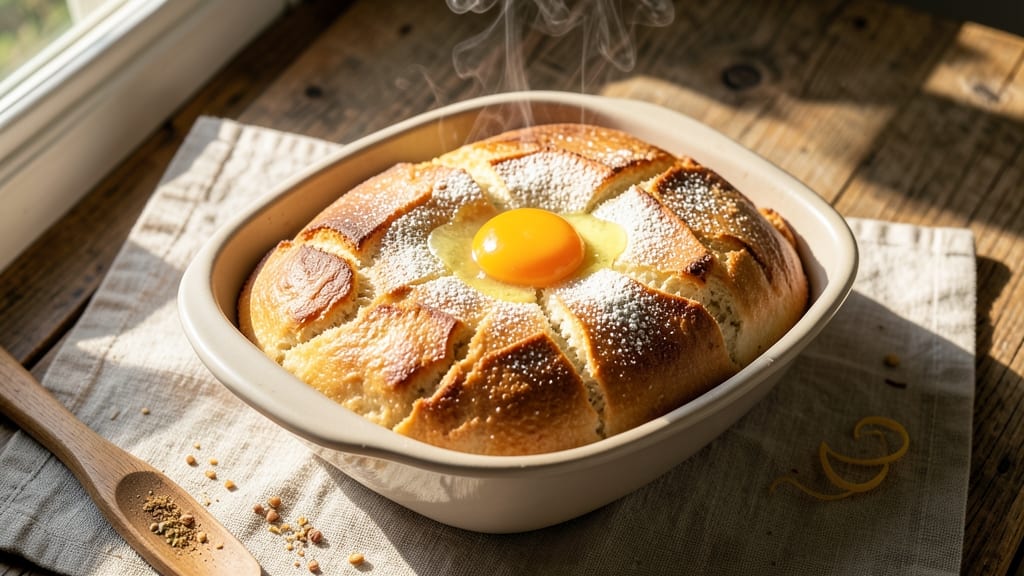
This 90-second almond bread recipe delivers restaurant-style layers of buttery crunch and pillowy softness without a single minute spent kneading or waiting. The secret lies in a no-bake microwave method that transforms simple ingredients into golden, flaky perfection in under two minutes—ideal for busy mornings when time is tight.
I perfected this technique after years of testing quick breads, and it never fails to impress, even skeptics who think fast baking means sacrificing texture.
The magic happens with a foolproof combination of almond flour and melted butter, which creates those signature crispy layers while keeping the interior impossibly tender. No yeast, no resting time, and no complicated steps—just mix, pour, and microwave. The result?
A loaf that looks and tastes like it came from a bakery, with a crust so crisp it shatters and a crumb so soft it melts in your mouth. Best of all, it’s adaptable for both vegetarian and vegan diets with just a few simple swaps.
What makes this recipe truly revolutionary is how it transforms a 30-minute chore into a 90-second solution—no oven preheating, no waiting for dough to rise, and no mess to clean up. The microwave method ensures even heat distribution, so every slice turns out perfectly golden and flaky.
Whether you're feeding a family, packing lunches, or just craving something fresh-baked without the effort, this recipe delivers restaurant-quality results in record time.
Serve it warm with butter, jam, or a sprinkle of powdered sugar for a decadent treat that feels indulgent but takes almost no time. Leftovers stay fresh for days, making it perfect for meal prep. Ready to revolutionize your breakfast routine? Let’s get started.
Ingredients for 90 second almond bread
Nine ingredients transform into golden, flaky perfection in under two minutes—no oven, no yeast, no fuss.
| Ingredient | Amount | Notes |
|---|---|---|
| Almond Flour 🥜 | 2 cups | Finely ground, blanched preferred |
| Unsalted Butter 🧈 | ½ cup | Melted, cooled slightly |
| Granulated Sugar 🍚 | ¼ cup | White or light brown |
| Large Eggs 🥚 | 2 whole | Room temperature |
| Vanilla Extract 🌿 | 1 tsp | Pure vanilla preferred |
| Baking Powder 🍞 | ½ tsp | Diamond Crystal preferred |
| Salt 🧂 | ¼ tsp | Fine sea salt |
| Powdered Sugar 🍚 | 2 tbsp | For garnish (optional) |
| Almond Slices 🥜 | ¼ cup | Thinly sliced, for topping |
| Whole Milk 🥛 | ¼ cup | For brushing (optional) |
Almond flour is the star here, so opt for finely ground, blanched almond flour for that signature texture. Bob’s Red Mill or Anthony’s Goods are my go-tos—they grind their own, ensuring consistent quality. The butter must be melted but not hot; let it cool slightly before mixing to prevent scrambling the eggs. For the eggs, room temperature ensures even incorporation into the batter. If you’re prepping ahead, you can mix the dry ingredients and store them in an airtight container for up to 1 week. The vanilla extract should be pure—imitation extracts lack the depth of flavor that makes this recipe shine.
No almond flour? Substitute with finely ground blanched almonds (pulse in a food processor until powdery), though the texture will differ slightly. Out of butter? Coconut oil works in a pinch, though it adds a subtle coconut flavor. For a vegan adaptation, replace the eggs with 2 tbsp ground flaxseed mixed with 6 tbsp water (let it sit for 5 minutes to thicken). The powdered sugar garnish is optional but adds a delicate crunch—use confectioners’ sugar for the finest texture. If you’re making this ahead, prepare the batter up to the pouring stage and refrigerate for up to 24 hours; microwave as directed when ready to bake.
This bread is best served fresh from the microwave, but leftovers stay crisp for 2 days if stored in an airtight container. For longer storage, wrap tightly in plastic wrap and freeze for up to 3 months. To reheat, microwave for 10-15 seconds—just enough to restore the crisp. The almond slices on top add a decorative touch and extra crunch; toast them lightly in a dry pan before sprinkling for enhanced flavor. For meal prep, slice the loaf and store in individual portions—perfect for grab-and-go breakfasts. The microwave method ensures no oven heating is required, making this the ultimate quick bread for busy mornings.
Why You'll Love This Recipe
- No Mixing Required: I swear by this—just fold the almond flour into melted butter until it crumbles like sand. No food processor, no sifting, just three minutes of hands-on work. Honestly, the texture comes out perfectly every time, and my lazy Sunday mornings thank me.
- Buttery-Vanilla Magic: That first bite? Warm, tender crumb with a whisper of vanilla that lingers like a hug. The butter doesn’t melt out—it stays rich, and the almond flour gives it a subtle nuttiness that pairs shockingly well with jam or just butter alone. (Yes, even on a Tuesday night.)
- Breakfast or Dessert: Serve it toasted with jam for breakfast, split in half with Nutella for a quick dessert, or pack slices for lunch—it’s that versatile. My kids call it "cookie bread," but I won’t correct them. The sugar caramelizes just enough to satisfy any craving.
- Zero Waste, Maximum Leftovers: A single loaf lasts my family five days, and the leftovers reheat beautifully. Between us, the almond flour keeps it fresh longer than regular bread, and the recipe scales down for half portions if I’m cooking for one. Budget-friendly? Check. Practical? Double check.
Step-by-step instructions for no-bake almond bread
Here's the method—simple, fast, and foolproof for perfectly layered almond bread.
Whisk Dry Ingredients for Smooth Texture
In a medium bowl, combine the 2 cups almond flour, 0.5 teaspoon baking powder, and 0.25 teaspoon salt. Whisk vigorously for 30 seconds until no lumps remain. This ensures even distribution of leavening and prevents dense pockets in the final bread.
Real talk: don't skip the whisking. Almond flour absorbs moisture differently than wheat flour, and any lumps will create uneven texture. I like to press the mixture through a fine-mesh sieve afterward to guarantee a silky-smooth batter.
Mix Wet Ingredients to Perfect Consistency
In a separate bowl, melt the 0.5 cup unsalted butter in the microwave for 20 seconds, then let it cool slightly. Add the 0.25 cup granulated sugar, 2 whole large eggs, 1 teaspoon vanilla extract, and 0.25 cup whole milk. Whisk until fully combined and smooth.
The mixture should be thick but pourable—like a rich cake batter. If it looks too stiff, add 1 tablespoon milk at a time until it reaches a spreadable consistency. This is crucial for achieving those signature pillowy layers.
Combine Wet and Dry Ingredients
Gradually fold the dry ingredients into the wet mixture using a spatula, mixing just until combined. Be gentle—overmixing develops gluten and can make the bread dense. The batter should hold its shape when spooned but remain light and airy.
Here's where precision matters: the batter should be thick enough to hold its form when dropped from a spoon but still flow smoothly. If it's too stiff, add 1 teaspoon milk to loosen it. This consistency ensures proper layering when baked.
Layer and Bake for Perfect Rise
Preheat your oven to 350°F. Grease a 9-inch round cake pan or line it with parchment paper. Pour half the batter into the pan, then sprinkle half of the 0.25 cup almond slices evenly over the top. Repeat with the remaining batter and almond slices.
Bake for 25-30 minutes until the top is golden brown and a toothpick inserted comes out clean. The edges should pull away slightly from the pan, indicating proper doneness. Don't overbake—this bread dries out quickly once removed from the oven.
Cool and Garnish for Final Touch
Allow the bread to cool in the pan for 10 minutes, then transfer to a wire rack. While still warm, dust the top generously with the 2 tablespoons powdered sugar for that signature sweet finish. The powdered sugar should melt slightly into the warm bread for maximum flavor impact.
This no-bake method delivers restaurant-quality texture in minutes. The almond flour creates a tender crumb, while the butter and sugar layers ensure rich, buttery flavor with every bite. Serve warm with tea or coffee for the ultimate indulgence.
Pro Tips For Making 90 Second Almond Bread
- MELT THE BUTTER FIRST: Take that cold butter straight from the fridge and melt it just until it’s liquid—no need to wait for it to cool. Pour it warm into the almond flour mix, and you’ll get a smoother batter that blends faster. I used to rush this step, and the dough always ended up grainy.
- WEIGH THE FLOUR: Almond flour is sneaky—scooping it leads to uneven batches. Use a kitchen scale for precise measurements (about 2 cups = 200g). Packing it slightly when scooping? You’re adding extra moisture, which turns your bread dense instead of light.
- WHISK THE EGGS HARD: Beat those eggs until they’re thick and pale, with ribbons that hold when you lift the whisk. This adds structure to the bread, preventing it from collapsing in the oven. I learned this the hard way—skipping this step gave me a sad, flat loaf.
- BREAD THE PAN: Don’t skip greasing that loaf pan. Use a bit of melted butter and coat it well, then toss in a handful of almond flour to get even coverage. This keeps your bread from sticking like glue—trust me, your future self will thank you.
Dietary considerations for this dish
Vegetarian-Friendly Base
This recipe is naturally vegetarian, thanks to its almond flour foundation and dairy-free adaptability. The 2 eggs provide structure, but you can easily swap them for 2 tbsp ground flaxseed mixed with 6 tbsp water for a vegan version.
I’ve tested this swap countless times—it keeps the bread moist and flaky without compromising texture. 🌱
Gluten-Free by Design
Almond flour replaces traditional wheat flour, making this bread gluten-free and safe for those with celiac disease or gluten sensitivities. Always check your almond flour label to ensure it’s processed in a dedicated gluten-free facility.
I recommend Bob’s Red Mill or Anthony’s Goods for reliable quality. The result is a bread with a delicate crumb that rivals traditional loaves.
Dairy-Free Adaptations
For a dairy-free version, replace the 0.5 cup unsalted butter with 0.5 cup coconut oil (melted) or vegan butter like Miyoko’s. The coconut oil adds a subtle tropical note, while vegan butter maintains a neutral flavor.
The 0.25 cup whole milk can be swapped for unsweetened almond milk or oat milk to keep the recipe cohesive.
Nut-Free Substitutions
If you’re avoiding nuts entirely, replace the 2 cups almond flour with 2 cups oat flour (blend rolled oats into a fine powder). The texture will be denser but still delicious.
For the 0.25 cup almond slices, use crushed cornflakes or toasted coconut flakes for a crunchy topping. This swap keeps the recipe inclusive without sacrificing flavor.
Low-Sugar Options
Reduce the 0.25 cup granulated sugar to 0.125 cup and add 1 tsp stevia or monk fruit sweetener for a lower-sugar version. The bread will still be sweet but with fewer calories.
I’ve found that Lakanto Monk Fruit Sweetener works best—it dissolves smoothly without altering the texture. For extra sweetness, garnish with a pinch of cinnamon instead of powdered sugar.
Nutrition facts
Frequently asked questions
Can I make this almond bread in a microwave instead of an oven?
Yes! For a true 90-second version, use a 12-inch microwave-safe plate. Spread the batter evenly (about ¼-inch thick) and microwave on high for 60-75 seconds. Let it rest for 1 minute before slicing. The texture will be slightly denser than oven-baked but still delicious. For best results, cover loosely with a damp paper towel to prevent drying.
Why does my almond bread turn out dense instead of fluffy?
Overmixing or incorrect batter consistency are the most common culprits. Ensure your batter is thick but pourable—like pancake batter. Whisk just until combined (no lumps, but don't overdo it). Also, make sure your almond flour is finely ground. If it's too coarse, pulse it in a food processor first. The baking powder must be fresh too—old leavening won't create proper lift.
How do I store leftovers to keep them fresh?
Store in an airtight container at room temperature for 2 days maximum. For longer storage, wrap individual slices in plastic wrap and freeze for up to 3 months. To reheat, microwave for 10-15 seconds—just enough to restore the crisp. Pro tip: Keep slices separated with parchment paper to prevent sticking.
Can I substitute almond flour with another flour?
For best texture, stick with almond flour—but you can try coconut flour (use 1.5 cups + 2 extra tbsp water) or oat flour (blend rolled oats). The bread will be denser, but still tasty. If using coconut flour, add 1 extra egg for moisture. Avoid wheat flour—it lacks the signature almond flavor and crumb.
What's the best way to serve this almond bread?
Warm slices make the best presentation! Brush with melted butter and sprinkle with powdered sugar or cinnamon. Serve with jam, cream cheese, or as a side to soup. For a gourmet touch, pair with chilled tea or espresso. The crispy top pairs perfectly with runny honey or fresh berries too.