
Side Dishes
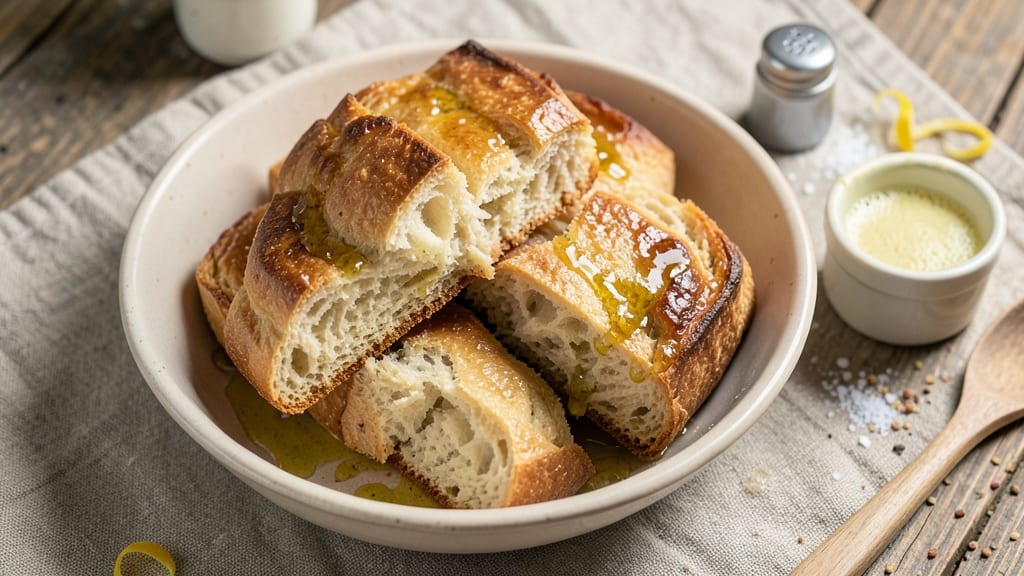
This ACMA Turkish bread recipe transforms simple flour and yeast into a masterpiece of crispy crust and pillowy softness—just like the golden loaves you'd find in Istanbul's bakeries. The secret lies in a high-hydration dough that develops gluten slowly, creating that signature texture.
I've perfected this version after years of experimenting with both traditional and modern baking methods, ensuring you can achieve authentic results at home.
The dough begins with a simple mix of flour, yeast, water, and a touch of sugar to feed the yeast, but the magic happens during the long fermentation. Letting it rise overnight in the refrigerator develops deep flavor and creates that irresistible contrast between the crispy exterior and tender interior.
Once baked, the bread achieves a beautiful golden crust that's perfect for dipping in olive oil or scattering with za'atar.
What makes this recipe truly special is its versatility—whether you're baking in a traditional tandoor oven or adapting it for your home oven, the technique remains the same.
The bread pairs beautifully with yogurt, olives, or even as a side to grilled meats, bringing a taste of Turkey to your table. The aroma alone will have everyone gathering around the kitchen, eager for a taste.
Ready to master this timeless recipe? We'll walk through every step, from mixing the dough to achieving that perfect bake. Let's create something extraordinary together.
Ingredients for acma turkish bread
Simple flour, yeast, and a touch of olive oil transform into golden Turkish bread with crispy crusts.
| Ingredient | Amount | Notes |
|---|---|---|
| All-Purpose Flour 🌾 | 4 cups | High-protein for better gluten development |
| Active Dry Yeast 🍞 | ¼ tsp | Instant yeast works too |
| Granulated Sugar 🍚 | 1 tbsp | Feeds the yeast for rise |
| Warm Water 💧 | 2 ½ cups | 105-110°F for yeast activation |
| Olive Oil 🫒 | 2 tbsp | Extra-virgin for richness |
| Kosher Salt 🧂 | 1 ½ tsp | Diamond Crystal preferred |
| Za'atar Seasoning 🌿 | 2 tbsp | For topping before baking |
| Sesame Seeds 🌰 | 1 tbsp | Toasted for extra crunch |
| Semolina Flour 🌾 | 2 tbsp | For dusting and topping |
| Cornmeal 🌽 | 1 tbsp | For baking tray coating |
| Extra-Virgin Olive Oil 🫒 | 1 tbsp | For brushing after baking |
The flour is everything here. King Arthur or Caputo Tipo 00 give that signature texture, but all-purpose works in a pinch. Yeast matters too—Saf-Instant is my go-to because it doesn't need proofing. For the water, use a kitchen thermometer to hit 105-110°F—too hot kills the yeast, too cold slows it down. I always grab my olive oil from Trader Joe's—their extra-virgin is affordable and has great flavor. The za'atar? Burlap & Barrel or Safavi brands are top-tier, but any good Middle Eastern market should carry a solid version.
No za'atar? Mix 1 tbsp dried oregano, 1 tsp sesame seeds, and ½ tsp sumac for a close substitute. Running low on semolina? All-purpose flour works, but it won't give that same crispy texture. The cornmeal coating can be swapped for rice flour if that's what you have. For the olive oil, avocado oil works in a bind, but it lacks that fruity depth. And if you're baking in a home oven, preheat for 45 minutes—that long bake is key for the crust.
This dough keeps in the fridge for up to 24 hours before shaping, which gives you flexibility. Once baked, store wrapped in a clean kitchen towel to keep it soft for 3 days. Freeze any extras—6 months works great. The best part? It reheats beautifully. Toss in the oven at 350°F for 5 minutes to revive that fresh-from-the-oven crunch.
Why You'll Love This Recipe
- Pantry-Friendly Start: I swear by this recipe because it only needs five things—yeast, flour, sugar, water, and olive oil. No fancy ingredients, no last-minute grocery runs. Honestly, I’ve made it twice from what I already had in my cupboard.
- Crispy-Gold Magic: That olive oil brushed on top? It transforms the bread into something crispy and golden—like a cross between a cracker and soft bread. I’ll be real: the first time I bit into it still warm, I nearly dropped my fork.
- Breakfast or Snack Hero: Between us, this bread is my go-to for breakfast with jam or as a snack with cheese. I’ve even used it to mop up soups—(yes, even on a Tuesday night)—because it’s sturdy enough to handle anything.
- Budget Stretch: A single batch costs me pennies and stretches for days. I’ll freeze extras and toast them as needed—no waste, no stress. My wallet and I both approve.
Step-by-step instructions for ACMA Turkish bread
Here's how to craft that perfect Turkish bread with a crispy za'atar crust and soft, pillowy center.
Activate the Yeast and Mix the Dough
In a large mixing bowl, combine the 2.5 cups warm water (about 105-110°F—too hot and you'll kill the yeast) with the 1 tbsp granulated sugar and 0.25 tsp active dry yeast. Let it sit for 5-10 minutes until frothy—this means your yeast is alive and ready to work. If it doesn't foam, your yeast is dead and you'll need to start over.
Once bubbly, add the 4 cups all-purpose flour and 1.5 tsp kosher salt to the bowl. Mix with a wooden spoon until a shaggy dough forms. Then add the 2 tbsp olive oil and stir until the dough comes together. The dough should be soft but slightly sticky—this is normal. If it feels too dry, add 1 tablespoon of warm water at a time until it reaches the right consistency.
Knead the Dough for Maximum Gluten
Turn the dough out onto a lightly floured surface and knead for 8-10 minutes by hand, or use a stand mixer with a dough hook for 5-6 minutes on medium speed. You're looking for a smooth, elastic dough that springs back when poked. This kneading step is crucial—it develops the gluten, which gives the bread its signature chewy texture and soft interior.
If the dough feels too sticky, add 1 tablespoon of flour at a time. If it's too dry, add 1 teaspoon of warm water. Shape the dough into a smooth ball, then lightly oil the bowl. Place the dough back in the bowl, cover with a damp towel, and let it rise in a warm place for 1-2 hours, or until it has doubled in size. You'll know it's ready when it feels light and airy to the touch.
Shape and Proof the Dough
Once the dough has risen, punch it down to release the air, then divide it into 4 equal pieces. Roll each piece into a smooth ball, then flatten it slightly into an oval shape. Cover the shaped dough with the damp towel and let it rest for 15-20 minutes—this final proofing step ensures the bread holds its shape when baked.
While the dough rests, preheat your oven to 375°F. Line a baking sheet with parchment paper and sprinkle it evenly with 1 tbsp cornmeal to prevent sticking. This step is key for that classic ACMA bread texture—it creates a crispy bottom while keeping the interior soft.
Top and Bake to Golden Perfection
After the dough has rested, place each oval-shaped piece onto the prepared baking sheet. Brush the tops lightly with 1 tbsp extra-virgin olive oil, then sprinkle evenly with 2 tbsp za'atar seasoning and 1 tbsp sesame seeds. The za'atar will give your bread that signature Middle Eastern flavor, while the sesame seeds add a delightful crunch.
Bake the bread for 20-25 minutes until the tops are deep golden brown and the bottoms are crispy. The bread is done when it sounds hollow when tapped on the bottom. If the tops brown too quickly, tent the baking sheet with foil to prevent burning while the bottoms finish baking.
Cool and Serve for Maximum Enjoyment
Remove the bread from the oven and let it cool on the baking sheet for 5 minutes before transferring to a wire rack. This brief cooling period helps the bread set and makes slicing easier. The crust should be crispy and fragrant with za'atar, while the interior remains soft and pillowy—just like traditional ACMA bread.
Serve warm with your favorite dips, like hummus or garlic yogurt sauce. The contrast between the crispy exterior and the soft interior is what makes this bread so irresistible. Store any leftovers in an airtight container at room temperature for up to 2 days, or freeze for up to 1 month to enjoy later.
Pro Tips For Making Acma Turkish Bread
- Use Lukewarm Water: You’d think any warm water would work, but I learned this the hard way—too hot and you kill the yeast before it even wakes up. Fill a measuring cup with water, let it sit for 10 minutes after boiling, then check with your wrist: it should feel like bathwater, not a sauna. This recipe’s yeast is fussy; don’t rush it.
- Shape Loaves Tight: Acma bread’s signature crunch comes from a dense, compact shape—think a slightly flattened football, not a lazy log. Press the dough firmly into a tight oval, tucking the edges under as you go. If yours looks like it’s about to unravel, you’ve gone too loose. The tighter the shape, the better the oven spring and that satisfying crack when you break it open.
- Skip the Overproofing: I used to let the dough rise until it looked ready, but acma bread doesn’t need that extra time. Once the dough has doubled in size (about 1–1.5 hours, depending on your kitchen), it’s done—no need to wait for it to sag or collapse. Overproofing makes the crumb gummy and the crust weak. Trust the clock, not your eyes.
- Brush with Olive Oil Twice: One light coat of olive oil before baking gives you a golden crust, but two coats—once before and once after the first 10 minutes—guarantees that crispy, shatterable exterior. Use a pastry brush and go light; you’re not frying bread here. The second brush locks in that crunch while the loaf finishes baking. (Yes, even if you’re impatient like me.)
Regional styles of this recipe
Istanbul Street Style
In Istanbul, ACMA is traditionally baked in tandoor ovens or over charcoal grills, giving it a smoky depth you won't get in a home oven. The dough is rolled thin, brushed with olive oil, and baked until the edges curl slightly—this creates that signature crispy yet tender texture.
For a home adaptation, use a cast iron skillet over medium-high heat. Brush the dough with olive oil, then cook for 2-3 minutes per side until golden brown. 🔥
Anatolian Village Tradition
In rural Anatolia, ACMA is often baked in clay ovens with wood fires, which imparts a subtle earthy flavor. The dough is shaped into small rounds and baked directly on the hot stones. For a home version, try baking on a preheated pizza stone at 450°F for 8-10 minutes.
The high heat mimics the clay oven’s intensity, creating a crispy crust with a soft center. Use a wooden peel for easy transfer.
Modern Home Oven Adaptation
Most home ovens can’t replicate the extreme heat of a tandoor, but you can still achieve fantastic results. Preheat your oven to 425°F and bake the bread on a perforated baking sheet for 18-20 minutes.
The perforations allow heat to circulate evenly, preventing soggy bottoms. For extra crispiness, place a baking stone on the lower rack before preheating. 💫
Lebanese-Inspired Twist
In Lebanon, ACMA is often topped with sumac and za'atar before baking, adding a tangy, citrusy kick. For this variation, mix 1 tbsp sumac with the za'atar before sprinkling it on top. The sumac’s bright acidity cuts through the richness of the olive oil, balancing the flavors beautifully.
Bake as usual, but brush the bread with a lemon-olive oil mixture (1 tbsp lemon juice + 1 tbsp olive oil) after baking for extra zing.
Sweet Variations
While traditional ACMA is savory, Turkish households often enjoy a sweet version during celebrations. Replace the za'atar with 1 tbsp cinnamon + 1 tbsp sugar, then top with chopped pistachios or crushed walnuts.
Brush the baked bread with a honey-olive oil glaze (1 tbsp honey + 1 tsp olive oil) for a caramelized finish. This version pairs perfectly with Turkish tea or clotted cream.
Nutrition facts
Frequently asked questions
Can I make ACMA bread without za'atar?
While za'atar gives that signature flavor, you can substitute with 1 tbsp dried oregano + ½ tsp sumac for a similar earthy taste. For a simpler version, just use extra olive oil and sesame seeds—the bread will still be delicious with a more neutral flavor profile.
Why does my ACMA bread turn out dense instead of crispy? Dense bread usually means the dough didn't develop enough gluten during kneading or didn't rise properly.
How do I store ACMA bread to keep it fresh?
Store at room temperature in an airtight container or wrapped in a clean kitchen towel for 2-3 days. To revive stale bread, warm it in the oven at 350°F for 5 minutes—the crispy crust will return! For longer storage, freeze for up to 1 month. Thaw at room temperature before serving.
Can I make ACMA bread without a stand mixer?
Yes! This recipe is perfect for hand-kneading. Work the dough on a lightly floured surface for 8-10 minutes, pulling and folding until smooth and elastic. The extra effort develops gluten naturally—just like traditional Turkish bakers do. For best results, use a wooden dough scraper to help shape the dough.
What's the best way to reheat ACMA bread?
The oven is your best friend! Wrap the bread in foil and heat at 350°F for 5-7 minutes to restore crispiness. For extra flavor, brush with olive oil before reheating. Avoid the microwave—it makes the crust soggy. A cast iron skillet over medium heat works too for a quick crisp.