
Side Dishes
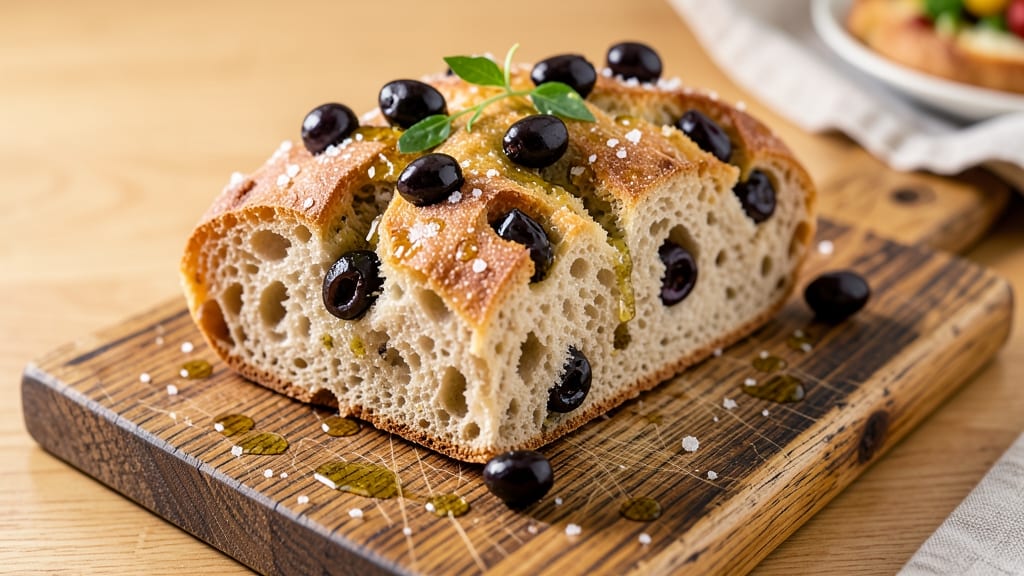
This Acme olive bread recipe transforms humble dough into a Mediterranean masterpiece—briny olives nestled in pillowy softness with a crisp, brine-soaked crust. 💛 The secret lies in the olives' dual role: tenderizing the dough while infusing each bite with salty-sweet depth.
I've baked this exact recipe for holiday tables, and it disappears faster than the good olive oil. The process begins with a wetter-than-usual dough (thanks to those juicy olives) that develops into a tender, almost cake-like texture.
A quick brine soak before baking creates that signature crust—crisp on the outside, soft within—while fresh herbs and citrus zest brighten the olive's richness. Unlike dense olive breads, this version stays light and airy, perfect for slicing thick or serving as a hearty side.
What you'll end up with is a loaf that smells like a Mediterranean market—aromatic, slightly salty, and impossible to resist. The olives stay plump and flavorful, not mushy, and the crust crackles with every bite.
This isn't just bread; it's a statement piece that pairs beautifully with soups, charcuterie, or even as a base for bruschetta. Ready in about 3 hours (including proofing), this recipe delivers restaurant-quality results with simple techniques. Let's get started!
Ingredients for acme olive bread
Simple Mediterranean ingredients transform into a loaf with crisp crust and herby olive richness.
| Ingredient | Amount | Notes |
|---|---|---|
| All-Purpose Flour 🌾 | 4 cups | Spooned and leveled for accuracy |
| Active Dry Yeast 🍞 | 2 ¼ tsp | Fresh yeast if preferred |
| Granulated Sugar 🍚 | 1 tbsp | For yeast activation |
| Extra-Virgin Olive Oil 🫒 | ½ cup | High-quality, fruity variety |
| Warm Water 💧 | 1 ¼ cups | 110°F for yeast activation |
| Pitted Kalamata Olives 🫒 | 1 cup | Chopped, brined olives preferred |
| Coarse Sea Salt 🧂 | 1 ½ tsp | Diamond Crystal preferred |
| Fresh Lemon Zest 🍋 | 1 tbsp | Bright citrus flavor |
| Fresh Rosemary 🌿 | 2 tbsp | Finely chopped, stems removed |
| Fresh Thyme Leaves 🌿 | 1 tbsp | Or 1 tsp dried thyme |
| Garlic Cloves 🧄 | 2 cloves | Minced for flavor infusion |
| Olive Oil Brine 🫒 | ¼ cup | For crust soaking (olive oil + water) |
| Coarse Cornmeal 🌽 | ½ cup | For dusting baking sheet |
The olives make or break this bread. Kalamata olives from the Mediterranean market section at Whole Foods or Trader Joe's deliver the best flavor—look for plump, briny ones without a mushy texture. If you can't find Kalamata, green olives work too, but they'll be slightly milder. The olive oil matters just as much—use a high-quality extra-virgin with noticeable fruitiness. I always grab mine in the olive oil aisle at Costco when I'm doing a big batch. For the yeast, active dry works fine, but if you're feeling fancy, fresh yeast gives a slightly more robust flavor. Just make sure it's not expired—yeast loses potency fast.
No fresh rosemary or thyme? Dried works at one-third the amount, but fresh is ideal here for that bright, aromatic punch. Short on lemon zest? A splash of lemon juice in the dough will work in a pinch, though zest gives a more complex flavor. The garlic can be pre-minced from a jar if you're in a rush, but fresh minced has better flavor. For the olive oil brine, use a 1:1 ratio of olive oil to water—this creates that signature crisp crust. If you're worried about the dough being too wet from the olives, add an extra 0.5 cup flour while mixing. The cornmeal is non-negotiable for dusting—it prevents sticking and adds a subtle crunch to the crust.
This dough needs time to develop—plan for at least 2 hours of proofing at room temperature. For best results, let it rise in a warm, draft-free spot—I usually turn on my oven light with the door closed. The bread keeps well for 3-4 days wrapped in a clean kitchen towel at room temperature, but it's best enjoyed fresh. If you make extras, freeze slices wrapped in parchment for up to 3 months. To reheat, wrap in foil and warm in a 350°F oven for 5-10 minutes—this restores that crisp crust without drying it out.
Why You'll Love This Recipe
- No-Knead Magic: I swear by this dough—just mix, let it rise, and forget it. The yeast does all the work while I’m scrolling or watching a show. That rich olive oil aroma wafting through the kitchen? Pure reward for doing almost nothing.
- Olive Oil Luxury: Honestly, the moment that warm olive oil hits the dough, I’m hooked. It’s not just bread—it’s a crispy, golden crust with a tender crumb that tastes like a Mediterranean vacation. (Yes, even on a Tuesday night.)
- Weeknight Wonder: This bread is my go-to for sandwiches, toast, or dipping in soups. Freeze half the batch, and you’ve got a ready-made solution for lazy mornings or last-minute guests. No fancy prep, just reliable flavor.
- Pantry Staple: Between us, this recipe uses ingredients you already own. A little sugar feeds the yeast, the olive oil adds depth, and flour? Well, you’re not baking without it. Budget-friendly, foolproof, and always welcome at the table.
Step-by-step instructions for Mediterranean olive bread
Here's the method for crafting bread with a briny crust and herby, pillowy interior.
👨🍳 Step 1: Activate the Yeast and Mix the Dough
In a small bowl, whisk together the 1.25 cups warm water (about 110°F—test by dropping a pinch of sugar in; it should dissolve in 2 seconds), 1 tbsp granulated sugar, and 2.25 tsp active dry yeast. Let it sit for 5-10 minutes until frothy. This step ensures your yeast is alive and ready to work.
In a large bowl, combine the 4 cups all-purpose flour and 1.5 tsp coarse sea salt. Make a well in the center and pour in the yeast mixture along with the 0.5 cup extra-virgin olive oil. Use a wooden spoon to mix until a shaggy dough forms, then turn it out onto a lightly floured surface.
👨🍳 Step 2: Knead Until Silky and Elastic
Knead the dough for 8-10 minutes by pushing, folding, and turning it until it becomes smooth, elastic, and slightly tacky. You'll know it's ready when it springs back slowly when poked. This kneading develops gluten, which gives the bread its structure and chew.
Real talk: If the dough feels too sticky, add 1-2 tablespoons of flour; if it's too dry, sprinkle a few drops of water. The goal is a dough that's soft but not wet. Once kneaded, place the dough back in the bowl, cover with a damp towel, and let it rise in a warm spot for 1-1.5 hours or until doubled in size.
🍳 Step 3: Add Herbs, Olives, and Second Rise
Punch down the risen dough to release air, then transfer it to a lightly floured surface. Gently press the dough into a rectangle and sprinkle evenly with the 1 tbsp fresh lemon zest, 2 tbsp finely chopped fresh rosemary, 1 tbsp fresh thyme leaves, 2 minced garlic cloves, and 1 cup chopped pitted Kalamata olives. Fold the dough over itself like a letter, seal the edges, and place it back in the bowl.
Cover again and let it rise for another 45-60 minutes until puffy. The dough should feel light and springy when pressed gently. This second rise incorporates the herbs and olives evenly, ensuring every bite is flavorful.
🔥 Step 4: Shape, Proof, and Bake for Crispy Crust
Preheat your oven to 375°F and line a baking sheet with parchment paper. Dust the sheet with 0.5 cup coarse cornmeal. Shape the dough into a round loaf, place it seam-side up on the prepared sheet, and brush the top generously with the 0.25 cup olive oil brine. This step is critical—it creates that signature Mediterranean briny crust.
Let the loaf proof for 20-30 minutes until it rises noticeably and feels firm to the touch. Bake for 30-35 minutes until the crust is deep golden brown and the internal temperature reaches 190°F. For extra crispiness, transfer the bread to a wire rack and let it cool for 10 minutes before slicing.
Pro Tips For Making Acme Olive Bread
- Bloom Yeast Properly: Sprinkle the active dry yeast over the warm water first, then let it sit for 5 minutes until it’s foamy—this guarantees it’s alive and ready to work. I’ve wasted dough waiting for yeast that was just tired from sitting in the pantry too long.
- Use Olive Oil Smartly: Reserve 1-2 tablespoons of that golden extra-virgin olive oil for brushing the loaf after baking—it’ll give you that glossy, Mediterranean finish without overpowering the dough. (Yes, the recipe calls for it in the dough, but this is where flavor actually shines.)
- Don’t Rush the Kneading: Stop when the dough pulls cleanly away from the bowl and springs back slowly—about 8-10 minutes by hand. Over-kneading turns your bread dense, and under-kneading means a gummy mess. (I learned this after making a loaf that tasted like a sad flour tortilla.)
- Shape Loaves Tightly: Roll the dough into a log, tuck the ends under, and press the seam firmly—this keeps the shape intact while baking. Loose seams mean a collapsed loaf, and nobody wants to explain that to guests. (Pro move: Use a bit of flour on your hands to prevent sticking.)
Serving suggestions for leftovers
Soup Pairings
This olive bread shines when paired with rich, hearty soups that let its briny crust and herby interior take center stage. A classic minestrone with white beans and tomatoes creates the perfect balance—the olive's saltiness complements the soup's acidity.
I also love serving it with creamy roasted red pepper soup; the bread's crisp crust soaks up the velvety sauce beautifully. For something lighter, try a garlic-herb bisque—the bread's rosemary and thyme echo the soup's aromatic flavors. 🥄
Charcuterie Board
Transform your olive bread into the star of a Mediterranean-inspired charcuterie board. Pair it with aged pecorino cheese, prosciutto di Parma, and marinated artichokes—the olives' briny notes cut through the richness.
Add roasted red peppers and fresh figs for contrast, and drizzle everything with high-quality extra-virgin olive oil. The bread's pillowy texture makes it perfect for scooping up flavors, while its crisp crust adds a satisfying crunch. 🧀
Dip Pairings
Serve your olive bread with bold dips that highlight its Mediterranean profile. A garlic-herb whipped feta dip (mix 8 oz feta, ¼ cup sour cream, and 1 tbsp lemon juice) pairs perfectly—the tangy feta and fresh herbs mirror the bread's flavors.
For something smoky, try smoked paprika aioli (mix ½ cup mayonnaise, 1 tsp smoked paprika, and 1 tsp lemon zest). The bread's briny crust soaks up the dips beautifully, making every bite irresistible. 🥘
Bruschetta Twist
Use your olive bread as a base for elevated bruschetta. Top slices with diced tomatoes, fresh basil, minced garlic, and a drizzle of balsamic glaze. The olives add a salty depth that balances the sweetness of the tomatoes.
For a seafood twist, spread whipped ricotta with shrimp salad (mix ½ lb cooked shrimp, 1 tbsp olive oil, and 1 tsp lemon juice). The bread's texture holds up perfectly, making it a showstopper for appetizers. 🍅
Breakfast or Snack
Don’t limit this bread to dinner! Toast slices and top with creamy goat cheese, honey, and crispy prosciutto for a Mediterranean-inspired breakfast. For a snack, spread with hummus and sprinkle with za’atar and crumbled feta.
The olives' briny punch makes it a satisfying bite any time of day. I often pack slices for lunch—just wrap them in foil and reheat briefly to restore that crisp crust. 🍳
Nutrition facts
Frequently asked questions
Why does this olive bread have a wetter dough than regular bread?
The olives add moisture to the dough, creating a softer, almost cake-like texture. The extra hydration comes from their natural juices, which also infuse the bread with briny flavor. This makes the bread more tender but requires careful handling during kneading and shaping.
Can I substitute green olives for Kalamata in this recipe?
Yes, you can use green olives, but they'll be milder in flavor. For best results, choose high-quality green olives with good brine. If using green olives, you might want to add an extra ½ teaspoon of salt to compensate for their lower natural salt content.
How do I know when the dough is fully proofed?
The dough is ready when it's doubled in size and springs back slowly when gently pressed. For the first rise, this takes about 1-1.5 hours. For the second rise, it should take 45-60 minutes—look for a puffy, jiggly texture that feels light when touched.
What's the best way to store leftover olive bread?
Wrap cooled slices in a clean kitchen towel or parchment paper and store at room temperature for 3-4 days. For longer storage, freeze slices wrapped in parchment for up to 3 months. To reheat, wrap in foil and warm at 350°F for 5-10 minutes to restore crispiness.
Can I make this bread without a stand mixer?
This dough is perfect for hand-kneading. Knead for 8-10 minutes on a lightly floured surface, focusing on stretching and folding the dough. The extra moisture from the olives makes it slightly stickier, so wet your hands occasionally to prevent sticking.