
Side Dishes
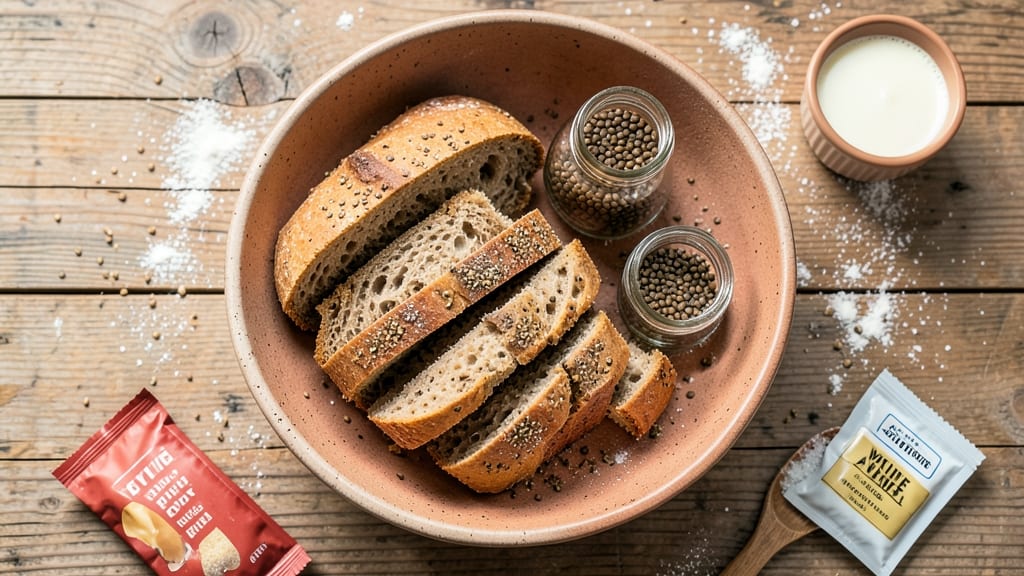
Transforming your bread into a nutrient-packed powerhouse starts with adding flaxseed—that tiny seed packs a punch of omega-3s and fiber while giving your loaves a nutty depth and dense, hearty texture.
This vegan bread recipe proves flaxseed isn’t just for smoothies; it’s the secret weapon for creating bread that’s both wholesome and irresistibly flavorful. The key lies in properly incorporating ground flaxseed into the dough, ensuring even distribution without compromising rise or crumb structure.
What sets this recipe apart is how flaxseed elevates the bread’s nutritional profile without sacrificing taste or texture.
When mixed into the dough, the seeds absorb moisture and bind the ingredients, resulting in a loaf that’s moist yet sturdy, with a subtle earthy richness that pairs beautifully with whole grains or herbs.
The process is straightforward—kneading and proofing remain unchanged, but the addition of flaxseed transforms the final product into something heartier and more satisfying.
By the time your loaf emerges from the oven, you’ll have a bread that’s naturally dense and flavorful, perfect for sandwiches, toast, or serving alongside soups. The flaxseed’s nuttiness complements the bread’s natural sweetness, while its omega-3 content makes every slice a boost for your diet.
Whether you’re baking for health-conscious friends or simply craving a loaf with more substance, this recipe delivers.
For those looking to experiment, this base recipe works beautifully with whole wheat flour or even sourdough starters—just adjust hydration slightly to account for the flaxseed’s moisture-absorbing properties.
Store-bought flaxseed works, but freshly ground yields the best texture and flavor. Let’s get started on a loaf that’s as good for you as it is delicious.
Ingredients for adding flaxseed to bread
Four cups flour, half a cup flaxseed—simple ingredients for bread with serious nutrition and texture.
| Ingredient | Amount | Notes |
|---|---|---|
| All-Purpose Flour 🌾 | 4 cups | Unbleached, organic preferred |
| Ground Flaxseed 🌰 | ½ cup | Freshly ground for best texture |
| Active Dry Yeast 🍞 | 2 ¼ tsp | Ensure yeast is fresh |
| Granulated Sugar 🍚 | 1 tbsp | For yeast activation |
| Warm Water 💧 | 1 ¼ cups | 110°F for optimal yeast activation |
| Unsweetened Almond Milk 🥛 | ½ cup | Plant-based liquid for hydration |
| Extra-Virgin Olive Oil 🫒 | 2 tbsp | For dough elasticity |
| Diamond Crystal Kosher Salt 🧂 | 1 ½ tsp | Fine grain preferred |
| Whole Wheat Flour 🌾 | 1 cup | For added fiber and texture |
| Ground Flaxseed (extra) 🌰 | ¼ cup | For topping before baking |
The flaxseed is non-negotiable here. Bob’s Red Mill or Barlean’s organic ground flaxseed are my go-tos—they’re pre-ground, saving you the hassle of grinding whole seeds, but freshly ground still wins for texture. If you’re buying whole flaxseeds, grind them just before mixing—they oxidize fast and lose their nuttiness. The yeast needs to be fresh too; if it’s past its prime, your loaf won’t rise properly. For the flour, King Arthur Unbleached is a reliable choice, but any high-protein all-purpose flour works. The whole wheat flour adds depth, but don’t skip the all-purpose—it’s what gives the bread that tender crumb.
No ground flaxseed? Grind whole flaxseeds yourself—just pulse them in a food processor until fine. Running low on almond milk? Oat milk or soy milk work just as well, but avoid coconut milk—it’s too heavy and can throw off the texture. The olive oil matters here too; avoid light or refined oils—they lack flavor and don’t bind the dough as well. If you’re short on yeast, proofing time will increase, but don’t overdo it or your bread will taste flat. The extra flaxseed topping isn’t just for looks—it adds crunch and extra nutrition to every bite.
This dough keeps best in the fridge for 2 days if wrapped tightly in plastic. For longer storage, freeze the shaped loaf (unbaked) for up to 3 months3 days, but if you slice and toast it, it’ll stay fresh for 5 days. The flaxseed gives it a longer shelf life than regular bread, so don’t worry about baking the whole loaf at once—it won’t go stale overnight.
Why You'll Love This Recipe
- Five-Ingredient Magic: I swear by this combo—just flour, flax, yeast, sugar, and water. No fancy pantry trips, no last-minute ingredient hunts. The flaxseed does all the heavy lifting while I mix in my socks.
- Nutty Earthy Crunch: That toasted flaxseed? It’s like a secret flavor bomb. The warmth from the yeast and sugar makes the bread soft inside, but the flax gives it this textural surprise—like a cozy hug for your taste buds.
- Meal Prep MVP: Between us, this bread stays fresh for days. I bake a loaf on Sunday, and by Wednesday, I’m still toasting slices for breakfast or packing them in lunches. No sad, stale bread here—just reliable, buttery goodness.
- Budget Booster: Ground flaxseed is cheap, and it stretches the dough further than regular bread. Plus, I use less sugar than most recipes—just enough to feed the yeast without breaking the bank. My wallet and my waistline thank me.
Step-by-step instructions for adding flaxseed to bread recipe
Transform your bread into a nutty, hearty masterpiece with these precise techniques.
Activate the Yeast with Warm Water and Sugar
In a small bowl, combine the 1.25 cups warm water (tested at 110°F) with the 1 tbsp granulated sugar and 2.25 tsp active dry yeast. Stir gently and let it sit for 5-10 minutes until frothy. You'll know it's ready when you see bubbles forming and a slightly effervescent surface—this means your yeast is alive and active.
This step is crucial because properly activated yeast ensures your bread rises properly. If the mixture doesn't bubble after 10 minutes, your yeast may be inactive, and you'll need to start fresh with new yeast. Keep the bowl covered with a clean kitchen towel while waiting to maintain the ideal temperature.
Combine Wet Ingredients and Mix with Dry Components
In a large mixing bowl, whisk together the yeast mixture, 0.5 cup unsweetened almond milk, and 2 tbsp extra-virgin olive oil. Then, in a separate bowl, combine the 4 cups all-purpose flour, 1 cup whole wheat flour, and 1.5 tsp diamond crystal kosher salt. Gradually add the dry ingredients to the wet mixture, stirring with a wooden spoon or dough whisk until just combined.
At this stage, you'll notice the dough will be shaggy and sticky—this is normal. The flaxseed will add a slightly gritty texture, so don't be surprised if it feels different from traditional bread dough. Once all ingredients are incorporated, sprinkle in the 0.5 cup ground flaxseed and mix thoroughly to distribute evenly throughout the dough.
Knead the Dough Until Elastic
Turn the dough onto a lightly floured surface and knead for 8-10 minutes until smooth and elastic. The flaxseed will make the dough slightly denser, so you may need to work it a bit longer than usual. You'll know it's ready when it springs back slowly when poked and forms a windowpane when stretched thin.
If the dough feels too sticky, add flour 1 tablespoon at a time until it's manageable. The flaxseed absorbs moisture differently than traditional flours, so be patient during this process. Once kneaded, place the dough in a lightly oiled bowl, cover with a damp towel, and let it rise in a warm place for 1-2 hours or until doubled in size.
Shape, Second Rise, and Prepare for Baking
After the first rise, punch down the dough to release air and shape it into a loaf. Place it in a greased loaf pan and let it rise again for 30-45 minutes. The flaxseed will give your bread a denser texture, so the second rise should be shorter than traditional bread. While the dough rises, preheat your oven to 375°F.
Just before baking, brush the top of the loaf with a bit of water and sprinkle the 0.25 cup ground flaxseed (extra) evenly over the surface. This will create a beautiful, nutty crust while adding extra fiber and flavor. Bake for 40-45 minutes until the bread is golden brown and sounds hollow when tapped on the bottom.
Cool and Enjoy Your Flaxseed-Enriched Bread
Remove the bread from the oven and let it cool in the pan for 10 minutes, then transfer it to a wire rack to cool completely. The flaxseed will make this bread denser and heartier, so it's important to let it cool fully before slicing to ensure clean cuts. The nutty aroma will fill your kitchen—this is your reward for incorporating the flaxseed!
Once cooled, slice and serve. Each bite will deliver a satisfying combination of flaxseed's earthy nuttiness and the familiar comfort of bread. Store leftovers in an airtight container for up to 5 days, or freeze for longer storage. The flaxseed adds a wonderful texture contrast that elevates even simple toast or sandwiches.
Pro Tips For Making Adding Flaxseed To Bread
- Mix Flaxseed Last: Mix the ground flaxseed into the flour after dissolving the yeast in water—this keeps the yeast from getting gummy. I learned this the hard way when my dough turned into a sticky mess because the flaxseed absorbed too much moisture too fast.
- Use Gold Flaxseed: Skip the cheap brown flaxseed—gold flaxseed blends smoother and adds a milder, nuttier flavor. It’s pricier, but the texture of your bread will thank you (trust me, I’ve tried both).
- Don’t Over-Knead: Flaxseed makes dough denser, so resist the urge to knead like you’re trying to win a tug-of-war. Two minutes by hand or 3-4 minutes in a mixer is enough—overworking it turns your bread into a brick.
- Add a Little Oil: Toss in 1 teaspoon of neutral oil (like canola) when mixing the dough. The flaxseed can dry things out, and this keeps the crumb soft without sacrificing texture. (Yes, even if the recipe doesn’t say it.)
Common mistakes when making your adding flaxseed to bread
Over-Mixing the Dough
The flaxseed’s natural oils make dough more delicate than traditional bread dough. I’ve seen beginners over-knead it, turning the flaxseed into a paste rather than evenly distributing it. Knead just until the dough comes together—about 8-10 minutes—then stop.
Overworking it develops gluten excessively, which can make your bread dense and chewy rather than light and airy. 💫
Skipping the Freshness Test
Using old flaxseed is a common mistake that ruins texture and flavor. I always check the date on my Bob’s Red Mill ground flaxseed—if it’s been open for more than 2 weeks, I grind fresh seeds.
Stale flaxseed adds a bitter taste and doesn’t bind properly, leading to a crumbly loaf. Store your flaxseed in the freezer to preserve freshness for up to 6 months.
Ignoring Dough Hydration
Flaxseed absorbs moisture differently than flour, so adding too much liquid makes the dough gummy. I adjust hydration by adding flour 1 tablespoon at a time until the dough is just tacky but not sticky.
If your dough feels too wet after mixing, let it rest for 10 minutes before kneading—this helps the flaxseed absorb excess moisture naturally.
Overlooking Proofing Time
Flaxseed’s density can slow fermentation, causing dough to under-rise. I always watch for the dough to double in size during the first rise—if it doesn’t after 2 hours, your kitchen might be too cold.
Place the dough in a warm spot (like a turned-off oven with a bowl of hot water) to speed up proofing. A second rise in the loaf pan should take 30-45 minutes—no longer, or your bread will collapse.
Baking at Wrong Temperature
Flaxseed bread needs a consistent 375°F oven temperature to develop its nutty flavor without burning. I’ve seen loaves turn dark too quickly because the flaxseed’s oils caramelize faster. If your oven runs hot, reduce the temperature to 350°F and tent the loaf with foil after 20 minutes to prevent over-browning.
The internal temperature should reach 190°F for perfect doneness.
Not Cooling Properly
Slicing flaxseed bread too soon makes it gummy. I always let it cool in the pan for 10 minutes before transferring to a wire rack. The flaxseed’s oils need time to set, or your bread will feel greasy. Patience here ensures clean slices and that satisfying crumb. 🍞
Nutrition facts
Frequently asked questions
How much flaxseed should I use in bread?
Start with ½ cup ground flaxseed per 4 cups flour for a balanced nutty flavor and texture. Too much can make the dough overly dense, while too little won't deliver the nutritional benefits. For a lighter loaf, reduce to ⅓ cup—but don't skip it entirely, as flaxseed adds essential omega-3s and fiber.
Can I substitute whole flaxseeds for ground?
Ground flaxseed works best for even distribution, but if you must use whole seeds, grind them fresh in a coffee grinder or food processor until fine. Whole seeds won't blend as smoothly, which can create uneven texture in your bread. For every ½ cup ground, use ⅔ cup whole flaxseeds to account for volume loss.
Why does my flaxseed bread turn out dense?
Flaxseed absorbs moisture differently than flour, so over-hydrating the dough is a common cause. Adjust by adding flour 1 tbsp at a time until the dough is tacky but not sticky. Also, ensure your yeast is active—stale yeast can't properly aerate the dense flaxseed mixture. Proofing in a warm spot helps too!
Does flaxseed bread taste different from regular bread?
Yes! Flaxseed adds a subtle nutty, earthy flavor that pairs beautifully with whole grains or herbs. The texture is slightly denser but still soft, with tiny crunchy bits from the seeds. If you're sensitive to strong flavors, reduce the amount to ⅓ cup—it'll still boost nutrition without overpowering.
Can I make this bread without yeast?
Replace the yeast with 1 tsp baking soda and 1 tbsp vinegar or lemon juice for a quick bread version. The flaxseed will still add moisture and structure, but the texture will be denser and more cake-like. Proofing time disappears, so your loaf will bake in about 30-35 minutes at 375°F.