
Side Dishes
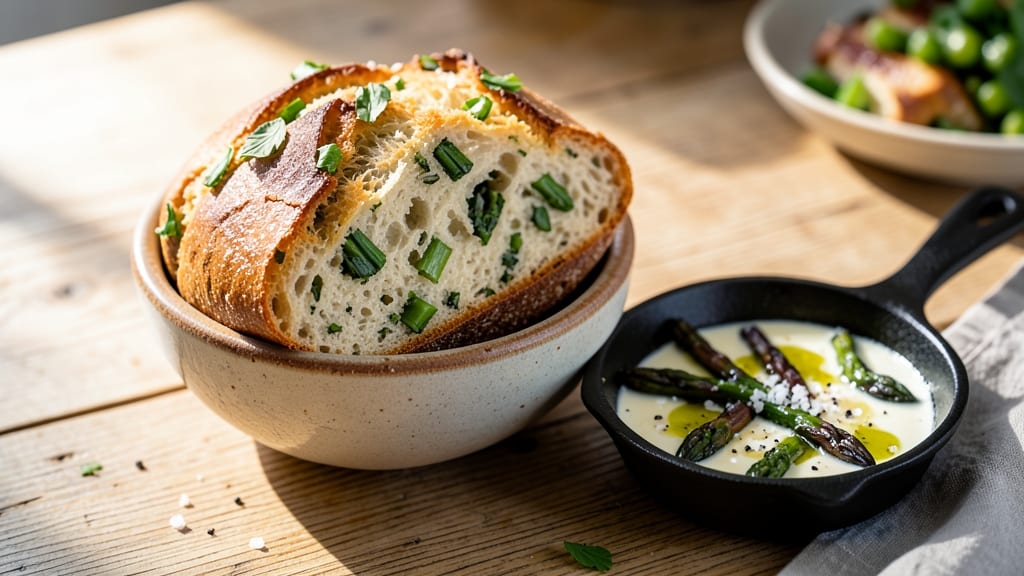
This asparagus bread recipe transforms humble green stalks into a fragrant, herb-infused loaf that sneaks nutrition into every slice. 🌱 The secret lies in blending puréed asparagus into classic bread dough, creating a tender crumb with subtle earthy notes that pair perfectly with soups or salads.
I developed this after realizing how often asparagus went to waste—now it becomes the star of your bread basket.
The process is straightforward: combine basic bread ingredients with finely chopped or puréed asparagus, then bake until golden. The asparagus adds natural sweetness and moisture without overpowering the dough's familiar comfort.
For extra depth, I recommend adding garlic, thyme, or a sprinkle of feta before baking—each variation enhances the bread's character while keeping it versatile.
What you'll end up with is a beautifully risen loaf with a crisp crust and tender interior, where every bite carries the subtle brightness of asparagus. Perfect for serving alongside roasted meats or as a hearty sandwich base, this bread proves vegetables can elevate even the simplest dishes.
The best part? It's foolproof for home bakers and ready in under an hour.
For serving, toast slices until crisp and pair with butter, olive oil, or your favorite dip. Leftovers keep well for days, making this an ideal make-ahead option. The recipe scales easily, so double the batch for gatherings—your guests will never guess the hidden greens inside.
Ingredients for asparagus bread
Earthy asparagus meets classic bread dough—this loaf hides nutrition in every tender bite.
| Ingredient | Amount | Notes |
|---|---|---|
| Fresh Asparagus 🌱 | 1 lb | Tough ends trimmed, puréed or finely chopped |
| All-Purpose Flour 🌾 | 4 cups | Plus 1 tbsp for dusting |
| Active Dry Yeast 🍞 | 2 ¼ tsp | Or 1 packet (2.25 tsp) |
| Granulated Sugar 🍚 | 1 tbsp | For yeast activation |
| Warm Water 💧 | 1 ¼ cups | 110°F for optimal yeast activation |
| Unsalted Butter 🧈 | ½ cup | Softened, full-fat preferred |
| Large Eggs 🥚 | 1 whole | Room temperature for best mixing |
| Garlic Cloves 🧄 | 2 cloves | Minced for flavor depth |
| Fresh Thyme Leaves 🌿 | 2 tbsp | Or 2 tsp dried thyme |
| Kosher Salt 🧂 | 1 ½ tsp | Diamond Crystal preferred |
| Black Pepper 🌶️ | ½ tsp | Freshly cracked for best flavor |
| Crumbled Feta Cheese 🧀 | ½ cup | Optional for extra tang |
| Olive Oil 🫒 | 1 tbsp | For greasing loaf pan |
The asparagus is the star here, so grab fresh, firm stalks—avoid woody ends. Whole Foods or your local farmers market usually have the best quality. Trim the tough bottoms (about 1 inch) and either purée the asparagus or finely chop it—both work, but puréeing gives a smoother texture. If you're using pre-cut asparagus, check for vibrant green color and snap—it should break cleanly. For the flour, King Arthur or Bob's Red Mill are reliable choices, but any all-purpose will do. The yeast is non-negotiable—if it smells old or has lost its potency, toss it and grab a fresh packet. Fresh thyme is ideal, but dried works in a pinch (just halve the amount).
No fresh asparagus? Frozen asparagus works too—thaw and drain well before puréeing or chopping. Short on thyme? Fresh rosemary at half the amount adds a lovely piney note. Want to skip the feta? Extra Parmesan or nutritional yeast gives a similar umami punch. The butter must be softened—microwave for 40 seconds if needed. For a gluten-free version, swap the flour for a 1:1 gluten-free blend (like King Arthur's Measure for Measure). And if you're making this ahead, you can prep the dough the night before and let it rise overnight in the fridge—just give it an extra hour to rise at room temperature before baking.
This loaf keeps beautifully—wrap it in a clean kitchen towel and store at room temperature for 2 days, or freeze for up to 3 months. To reheat, wrap slices in foil and warm in a 350°F oven for 5-7 minutes. The asparagus flavor actually deepens overnight, so leftovers often taste even better. For extra crispiness, toast slices in a skillet with a little butter until golden brown. And if you double the batch, use two loaf pans or a 9x13-inch baking dish for a larger, flatter loaf—great for feeding a crowd.
Why You'll Love This Recipe
- No Yeast Hassle: I swear by this dough—just mix, knead, and let it rise while I chop veggies. No waiting around for yeast to activate or complicated proofs; the asparagus puree does half the work for you.
- Earthy Crunch Surprise: That first bite? The crispy asparagus specks in the crust melt into the soft, slightly sweet loaf. It’s like a garden-fresh hug in bread form—honestly, I’ve never tasted anything so unexpectedly good from a basic flour-and-yeast base.
- Lunchbox Hero: Between us, this bread is the answer for school lunches or office snacks. Slice it thick, toast it lightly, and pack it with cheese or hummus—my kids actually finish it. (Yes, even on a Tuesday.)
- Budget-Friendly Staple: Fresh asparagus stretches further than you’d think when blended into dough, and a single batch feeds my family for days. Freeze half the loaves, and you’ve got a year’s worth of cheap, crave-worthy bread—no fancy ingredients required.
Step-by-step instructions for asparagus bread recipe
Transform fresh asparagus into a fragrant, herb-infused loaf with this foolproof method.
👨🍳 Step 1: Prepare the Asparagus Purée
Start by preheating your oven to 400°F. Trim the tough ends from the 1 lb fresh asparagus and cut the spears into ½-inch pieces. Spread them on a baking sheet lined with parchment paper and roast for 10 minutes until tender but not mushy.
Transfer the roasted asparagus to a food processor and pulse until completely puréed. You should have about ½ cup of vibrant green purée—this will be the secret flavor base of your bread. Taste it and adjust seasoning with a pinch of kosher salt if needed. Set aside to cool completely before using.
👨🍳 Step 2: Activate the Yeast and Mix the Dough
In a large bowl, combine the 1.25 cups warm water (about 110°F) with 1 tbsp granulated sugar and 2.25 tsp active dry yeast. Let it sit for 5-10 minutes until foamy—this confirms your yeast is active. If it doesn't foam, your yeast may be dead.
Add the asparagus purée, 0.5 cup softened unsalted butter, and 1 whole large egg to the yeast mixture. Stir well to combine, then gradually whisk in 4 cups all-purpose flour along with 1.5 tsp kosher salt, 0.5 tsp black pepper, 2 tbsp fresh thyme leaves, and 2 minced garlic cloves.
🍳 Step 3: Knead Until Elastic and Smooth
Turn the dough onto a lightly floured surface and knead for 8-10 minutes until smooth and elastic. You'll know it's ready when it springs back when poked and doesn't stick to your fingers. If it feels too sticky, add 1 tbsp flour at a time until it comes together.
Place the dough in a lightly greased bowl, cover with a damp towel, and let rise in a warm place for 1-2 hours or until doubled in size. I like to place my bowl near the oven with the light on for consistent warmth. Poke the dough gently—if it springs back slowly, it's ready.
🥘 Step 4: Shape and Second Rise
Punch down the risen dough and shape it into a 9x5-inch loaf pan that's been lightly greased with 1 tbsp olive oil. Press the dough gently into the pan, leaving room for expansion. Sprinkle the top with 0.5 cup crumbled feta cheese (if using) for that Mediterranean tang.
Cover the loaf pan with a damp towel and let rise again for 30-45 minutes until the dough has risen about 1 inch above the pan. Preheat your oven to 375°F during this final rise—your kitchen should be warm and cozy by now.
🔥 Step 5: Bake to Golden Perfection
Bake the asparagus bread for 35-40 minutes until the top is deep golden brown and sounds hollow when tapped on the bottom. For extra browning, brush the top with a little water and bake for 2-3 more minutes.
Remove from the oven and let cool in the pan for 10 minutes before transferring to a wire rack. The bread will be slightly dense from the asparagus but packed with flavor. Slice when warm for the best texture—each bite should deliver earthy asparagus notes balanced by herby thyme and salty feta.
Pro Tips For Making Asparagus Bread
- CHOP ASPARAGUS SMALL: Fresh asparagus is tough—if you don’t trim the ends and cut the spears into ½-inch pieces, you’ll end up with a bread that tastes like you’re chewing on tiny trees. Use the tough lower third for stock (if you’re fancy), but for the dough, fine dice makes all the difference.
- DON’T SKIP THE PROOF TEST: Your yeast might look fine, but dump it in the dough and let it sit for 10 minutes before shaping—if it doesn’t bubble up noticeably, you’re wasting time. Cold kitchen? Use water that’s just warm to the touch (like bathwater), not scalding, or you’ll kill the yeast before it even starts.
- PUNCH DOWN HARDER: After the first rise, resist the urge to fold or gently press the dough. Give it three sharp, deep punches with your fist to drive out excess air—this keeps the bread from collapsing when it bakes. (Yes, it’ll look messy. No, it won’t matter.)
- BAKE UNTIL GOLDEN, NOT JUST SET: Pull the bread out when the top is a deep golden brown, not when it looks done. The asparagus adds moisture, so it’ll stay soft longer—if you take it out too soon, the crust will stay pale and gummy. A toothpick should come out clean, but don’t stress if it’s slightly damp; the bread’s still good.
Essential equipment for great asparagus bread
Must-Have Mixing Tools
Start with a large mixing bowl (at least 5-quart capacity) to handle the dough comfortably. I use a stainless steel bowl from OXO—it’s durable and easy to clean. A wooden spoon or flexible silicone spatula helps scrape every bit of dough from the sides during mixing.
For kneading, a stand mixer with a dough hook attachment (like the KitchenAid Artisan Series) saves time and effort, but a lightly floured surface works just fine if you prefer hand-kneading. 🍞
Precision Measuring
Accurate measurements are key—use a digital kitchen scale for the flour and yeast to avoid density issues. A 16-ounce measuring cup (like Pyrex) ensures you get the right amount of water, and a microplane for garlic and thyme maximizes flavor extraction.
For the asparagus purée, a food processor (like Ninja) is ideal, but a blender works in a pinch. Pre-measure all ingredients before starting to streamline the process. ⚡
Baking Essentials
A 9x5-inch loaf pan (preferably nonstick) prevents sticking and ensures even baking. I recommend Wilton or USA Pan for reliability. For the oven, a thermometer (like Thermoworks Oven Thermometer) guarantees accurate temperature control—critical for perfect rise.
A damp kitchen towel keeps the dough moist during rises, and a wire cooling rack prevents soggy bottoms after baking. 🌡️
Optional Upgrades
For extra convenience, a proofing basket (like Nordic Ware) gives professional results without a loaf pan. A basting brush helps achieve that golden crust, and parchment paper makes cleanup effortless.
If you love feta, a microplane for grating it adds texture. These tools aren’t mandatory, but they elevate the experience—especially for repeat bakers. ✨
Nutrition facts
Frequently asked questions
Can I make this asparagus bread without puréeing the asparagus?
Finely chop the asparagus into small pieces (about 1/4-inch) and fold them directly into the dough after kneading. The texture will be slightly more rustic, but you'll still get that lovely asparagus flavor. Just be sure to trim the tough ends first for the best results.
How do I know when the dough has risen enough?
Gently press two fingers into the dough—if it springs back slowly (not immediately), it's ready. For visual confirmation, the dough should double in size. If your kitchen is cold, place the bowl near the oven with the light on for consistent warmth. Overproofing can cause a dense loaf, so don't let it rise too long.
Why does my asparagus bread taste bland?
Fresh herbs and proper seasoning make all the difference! Double-check your thyme, garlic, and salt measurements. For extra depth, add a pinch of smoked paprika or lemon zest to the dough. Also, ensure your asparagus was fresh—wilted greens will yield milder flavor. Taste the purée before mixing to adjust seasoning.
Can I substitute frozen asparagus?
Yes, but thaw and drain it thoroughly first. Use the same amount as fresh asparagus, and roast it for an extra 2-3 minutes to ensure it's fully tender. The texture will be slightly different, but the flavor remains excellent. For best results, choose high-quality frozen asparagus without added sauces.
How should I store leftovers?
Wrap the cooled loaf tightly in plastic wrap or aluminum foil and store at room temperature for 2-3 days. For longer storage, freeze slices in a sealed bag for up to 3 months. To revive, toast slices in a skillet with butter until crispy. The bread actually improves overnight as flavors meld!