
Side Dishes
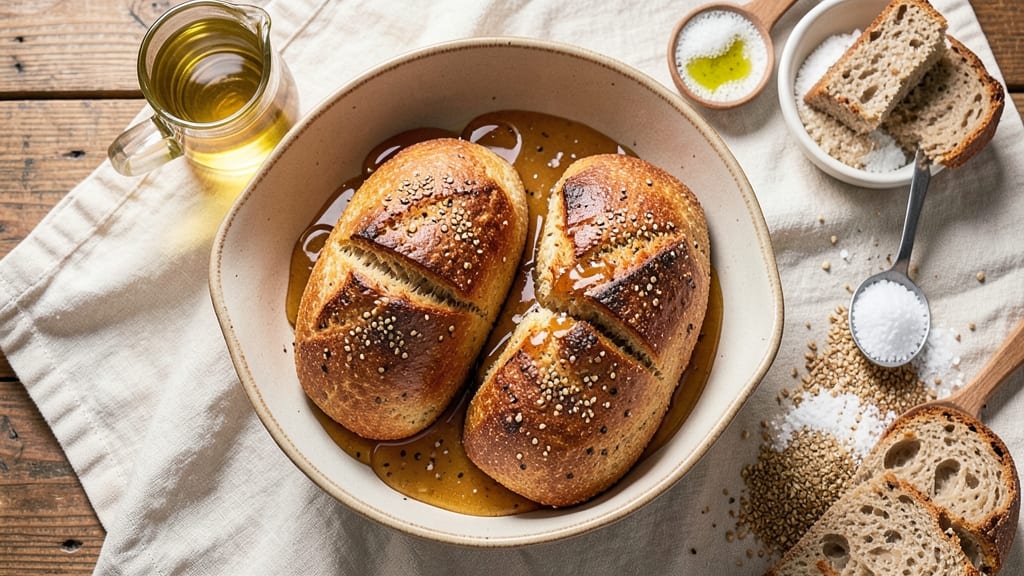
Adelle Davis' classic bread recipe brings the warmth of a sunlit kitchen to your table with its honey-sweetened loaf and wholesome whole grains. This time-honored method delivers a crusty exterior and tender crumb that aligns perfectly with her philosophy of nourishing, minimally processed foods.
The secret lies in a slow fermentation that develops deep flavor while preserving natural goodness.
What makes this recipe special is its balance of simplicity and tradition. You'll work with whole-grain flours, honey for subtle sweetness, and warm spices that create an inviting aroma while baking.
The dough requires only basic handling—no kneading machine needed—and benefits from an overnight rest for maximum flavor development. This approach transforms ordinary ingredients into something extraordinary.
By following Adelle Davis' method, you'll achieve a loaf with perfect texture: a crisp, golden crust that gives way to a soft, airy interior with just the right amount of chew.
The honey infuses subtle sweetness without overpowering the bread's natural character, while the spices add warmth that lingers with every slice. This bread freezes beautifully for up to three months, making it perfect for your pantry.
The best part? This recipe adapts easily to your preferences—add seeds, herbs, or even a touch of cinnamon for variation. Whether you're baking for a family meal or want to experience classic nutrition philosophy, this homestyle loaf delivers authentic results with every bite.
Let's get started on creating your perfect loaf.
Ingredients for adelle davis bread
Whole grains, honey sweetness, and warm spices create Adelle Davis' legendary loaf—simple ingredients with extraordinary results.
| Ingredient | Amount | Notes |
|---|---|---|
| Bread Flour 🌾 | 4 cups | High-protein for structure |
| Whole Wheat Flour 🌾 | 1 cup | For hearty texture |
| Raw Honey 🍯 | ¼ cup | Local preferred for flavor |
| Warm Water 💧 | 1 ½ cups | 110°F for activation |
| Active Dry Yeast 🍞 | 2 ¼ tsp | Freshly opened packet |
| Sea Salt 🧂 | 1 ½ tsp | Fine grain preferred |
| Ground Cinnamon 🍃 | 1 tsp | Warm, aromatic variety |
| Ground Nutmeg 🌿 | ½ tsp | Freshly grated preferred |
| Extra-Virgin Olive Oil 🫒 | 2 tbsp | For dough elasticity |
| Sesame Seeds 🌰 | 1 tbsp | Optional for topping |
| Poppy Seeds 🌱 | 1 tbsp | Optional for topping |
The flours are the foundation here. Bread flour gives that classic structure, while whole wheat adds depth and nutrition—don't skimp on either. For honey, local raw honey (like from Whole Foods or Trader Joe's) has the most complex flavor profile, but any quality honey works. The yeast should be freshly opened—check the expiration date on the packet. Diamond Crystal kosher salt is my go-to for fine grain, but any sea salt will do. Warm the water to 110°F (just warm to the touch) to activate the yeast properly—too hot and you'll kill it, too cold and it won't rise. Toast your spices briefly in a dry pan to deepen their aroma before mixing.
No bread flour? All-purpose plus 1 tbsp vital wheat gluten gets you close. Honey substitute? Maple syrup or agave (reduce other liquids slightly). For the spices, cinnamon and nutmeg are non-negotiable—they're what gives this bread its signature warmth. But if you're out of either, allspice or cardamom can add complexity. The olive oil can be swapped for melted coconut oil if you're avoiding dairy. For the seeds, sesame and poppy are traditional, but sunflower or flaxseeds work beautifully too—just toast them first for extra flavor. If you're making this gluten-free, substitute a 1:1 gluten-free flour blend and add 1 tsp xanthan gum.
This dough is all about patience—let it rise overnight for maximum flavor development. Store the dough in the fridge between rises, covered with a damp towel. The finished loaf keeps 3 days at room temperature wrapped in a clean kitchen towel, or up to 3 months frozen. For reheating, wrap the cooled loaf in foil and warm at 300°F for 10 minutes. The crust will crisp up beautifully. Freeze individual slices for quick toast—just pop them in the toaster straight from frozen. And if you're feeling ambitious, save the starchy water (the poolish) for your next batch to boost flavor even more.
Why You'll Love This Recipe
- No-Knead Magic: That’s right—no standing over the counter, no sore arms. The dough comes together in minutes, then does all the work while you sip coffee. I’ll be real: I started this recipe on a Friday night and forgot about it until morning. That’s how hands-off it is.
- Honey’s Golden Touch: The raw honey isn’t just sweet—it’s rich, with a deep, caramel-like warmth that lingers. The whole wheat gives it a nutty bite, but the honey softens it just enough to make every bite irresistible. (Yes, even on a Tuesday night.)
- Weeknight Workhorse: This bread is my go-to for sandwiches, toast, or even crusty sides for soups. It’s sturdy enough to hold up to strong cheeses or hearty spreads, but light enough to feel like a treat. Honestly, I’ve used it for everything from breakfast to dinner leftovers—and it never lets me down.
- Budget-Friendly Staple: Five ingredients, zero waste. The whole wheat and bread flour blend stretches further than all-purpose, and that jar of honey gets double duty. Plus, a single batch feeds my family for days—sometimes I’ll even freeze half for when I’m too tired to bake. Practical? Absolutely. Delicious? Even more so.
Step-by-step instructions for Adelle Davis' classic bread
This timeless recipe delivers a loaf with perfect crumb and aromatic spice—just like Adelle Davis baked it.
Activate the Yeast and Mix the Dough
In a large bowl, combine the 1.5 cups warm water (about 110°F) with the 0.25 cup raw honey and stir until the honey dissolves completely. Sprinkle the 2.25 tsp active dry yeast over the surface and let it sit for 5-10 minutes until it becomes frothy—this confirms your yeast is alive and ready to work. If it doesn't bubble, your yeast is likely dead, and you'll need to start fresh.
In a separate bowl, whisk together the 4 cups bread flour, 1 cup whole wheat flour, 1.5 tsp sea salt, 1 tsp ground cinnamon, and 0.5 tsp ground nutmeg. Create a well in the center and pour in the yeast mixture along with the 2 tbsp extra-virgin olive oil. Using a wooden spoon or dough whisk, gradually incorporate the dry ingredients into the wet, mixing just until a shaggy dough forms. Avoid overmixing at this stage—you want to preserve the gluten development for later.
Knead the Dough Until Elastic
Turn the dough onto a lightly floured surface and knead vigorously for 8-10 minutes by hand, or use a stand mixer with a dough hook attachment on medium speed for 5-6 minutes. You're looking for a smooth, elastic dough that springs back when poked gently. The whole wheat flour will make the dough slightly stickier than all-purpose, so don't be afraid to wet your hands as needed to prevent tearing.
Here's the thing—this dough should feel slightly tacky but not wet. If it's too dry, add 1 tsp warm water at a time until it comes together properly. If it's too sticky, add 1 tbsp flour and knead again. The goal is a dough that's firm enough to hold its shape when shaped but still pliable. Once achieved, shape the dough into a loose ball, place it back in the bowl, and cover with a clean kitchen towel.
First Rise for Flavor Development
Let the dough rise in a warm, draft-free place for 1-2 hours, or until it has roughly doubled in size. I like to place my oven on the lowest setting with a bowl of hot water inside to create a warm, humid environment—this helps the dough rise evenly. You'll know it's ready when you poke the dough gently with a finger and it springs back slowly, leaving a slight indentation.
During this rise, the yeast will work its magic, creating air pockets that give the bread its signature light, airy texture. Don't rush this step—rushing leads to dense bread. If your kitchen is cold, extend the rise time to 2.5 hours to ensure proper fermentation. Once doubled, punch down the dough to release air, then shape it into a 9x5-inch loaf pan or a free-form round loaf on a parchment-lined baking sheet.
Second Rise and Pre-Bake Prep
Cover the shaped dough again and let it rise for another 30-45 minutes until it's just slightly puffy. This second rise ensures the bread has the right structure before baking. While the dough rises, preheat your oven to 375°F and place a small baking dish filled with water on the lower rack—this creates steam during baking, which helps develop that beautiful crust.
Just before baking, brush the top of the dough with a little warm water and sprinkle with the 1 tbsp sesame seeds and 1 tbsp poppy seeds for that classic Adelle Davis touch. The seeds will add texture and a subtle nutty flavor that pairs perfectly with the warm spices. Bake the loaf for 35-40 minutes, until it's golden brown and sounds hollow when tapped on the bottom.
Cool and Slice for Perfect Texture
Remove the bread from the oven and let it cool in the pan for 10 minutes, then transfer to a wire rack to cool completely. This cooling step is crucial—it allows the bread to set properly so it doesn't turn gummy when sliced. The internal temperature should drop to about 100°F before slicing for the best texture.
Slice the loaf while still slightly warm for clean cuts, and serve it fresh with butter or jam. The crust should be crisp and fragrant with cinnamon and nutmeg, while the interior should be soft, slightly sweet, and studded with pockets of air. This bread keeps well at room temperature for 3-4 days, wrapped in a clean kitchen towel to maintain freshness.
Pro Tips For Making Adelle Davis Bread
- Bloom the Yeast First: Skip mixing yeast with flour—dissolve it in warm water with a pinch of honey first. This guarantees it’s active before meeting the flours, saving you from dough that refuses to rise. (Yes, even if your kitchen’s drafty like mine.)
- Use a Kitchen Scale: Measuring flours by volume guarantees inconsistency—whole wheat especially packs differently. Weigh your bread flour and whole wheat to the gram for a predictable, professional texture. (I learned this after throwing out three dense loaves.)
- Don’t Over-Knead: The dough needs just enough handling to develop gluten—about 8–10 minutes by hand or 5–6 minutes in a stand mixer. Overwork it, and you’ll end up with a chewy brick instead of a light, airy loaf. (Your arms will thank you too.)
- Steam the Oven: Place a metal tray on the bottom rack, fill it with boiling water, then close the door for 5 minutes before baking. This mimics a bread oven’s steam, giving your loaf that crisp crust and open crumb. (No, a spray bottle won’t cut it—trust the science.)
Flavor customization for adelle davis bread
Sweet Variations
For a more pronounced sweetness, replace half the honey with maple syrup or agave nectar—both add depth while keeping the bread's natural character. I like using local wildflower honey for extra floral notes, or even orange blossom honey for a citrusy twist that pairs beautifully with the spices.
For a festive touch, fold in 1 tbsp finely grated orange zest with the wet ingredients—it brightens the flavor profile perfectly. 🍯
Spiced-Up Twists
Swap the cinnamon and nutmeg for 1 tsp each of cardamom and allspice to create a Middle Eastern-inspired version. For a smoky depth, add ½ tsp smoked paprika along with the cinnamon.
If you love warmth, try ½ tsp ground cloves—just be warned, they can be overpowering if you're not careful. I also enjoy adding 1 tsp vanilla bean paste to the dough for a subtle, luxurious sweetness that complements the spices beautifully.
Seed and Nut Additions
Boost texture and nutrition by mixing in ¼ cup chopped walnuts or pecans with the seeds before baking. Toast the nuts first in a dry pan for 3-4 minutes until fragrant—they’ll add a rich, buttery note. For extra crunch, sprinkle 1 tbsp chopped almonds on top after baking. If you prefer seeds, try pumpkin seeds or sunflower seeds for a different nutty flavor. Just
Herbal Infusions
Add fresh herbs for a bright, aromatic twist. Fold in 1 tbsp finely chopped fresh rosemary or thyme with the wet ingredients, or sprinkle 1 tsp dried lavender buds (culinary-grade only!) for a floral note. For a savory-sweet balance, mix in 1 tbsp chopped fresh sage—it pairs surprisingly well with the honey and spices. If you're feeling adventurous, try 1 tsp lemon zest for a citrusy lift that cuts through the richness. 🌿
Gluten-Free Adaptations
For a gluten-free version, replace the flours with a 1:1 gluten-free bread flour blend (like King Arthur’s) and add 1 tsp xanthan gum to improve structure. Reduce the water by 2 tbsp since gluten-free flours absorb less liquid.
The dough will be stickier, so wet your hands frequently while handling. For extra binding, add 1 extra tbsp olive oil to the dough. The texture won’t be identical, but it’ll still be delicious and aromatic. 💪
Nutrition facts
Frequently asked questions
Can I use all-purpose flour instead of bread flour?
The recipe calls for bread flour because its higher protein content creates that signature chewy texture. If you must substitute, use all-purpose flour plus 1 tablespoon vital wheat gluten per cup to mimic the structure. The bread will still turn out delicious, though slightly less chewy. For best results, stick with the original ratio of 4 cups bread flour to 1 cup whole wheat flour—this balance gives the perfect mix of tenderness and heartiness.
Why does the dough need two rises?
The first rise develops flavor through fermentation, while the second rise shapes the bread's structure before baking. The overnight option (covered in the fridge) enhances flavor even more by slowing fermentation. If your kitchen is cold, extend the first rise to 2.5 hours for proper development. Skipping either rise risks dense bread—patience pays off with that light, airy crumb!
What if my bread turns out too dense?
Dense bread usually means underproofed dough or over-kneading. Start by checking your yeast—it should bubble within 5-10 minutes in warm water. If your kitchen is cold, create warmth by placing a bowl of hot water near the dough. For next time, try the overnight rise method (covered in the fridge) for better flavor and texture. Also, avoid overmixing—the dough should be slightly tacky but not sticky.
Can I make this bread without honey?
Yes! Replace the honey with ¼ cup maple syrup or agave nectar, but reduce other liquids by 1 tablespoon since these are thicker. For a neutral sweetener, try ¼ cup brown sugar dissolved in the warm water. The bread will still have great flavor, though honey's unique depth is hard to match. If you're avoiding sugar entirely, omit it and increase the cinnamon to 1.5 teaspoons for warmth.
How do I store leftover bread?
Wrap the cooled loaf tightly in a clean kitchen towel or beeswax wrap to maintain freshness. At room temperature, it keeps for 3-4 days. For longer storage, freeze individual slices wrapped in parchment paper—they'll toast beautifully straight from frozen. To revive stale bread, warm it at 300°F for 10 minutes wrapped in foil. The seeds on top add extra crunch even after reheating!