
Side Dishes
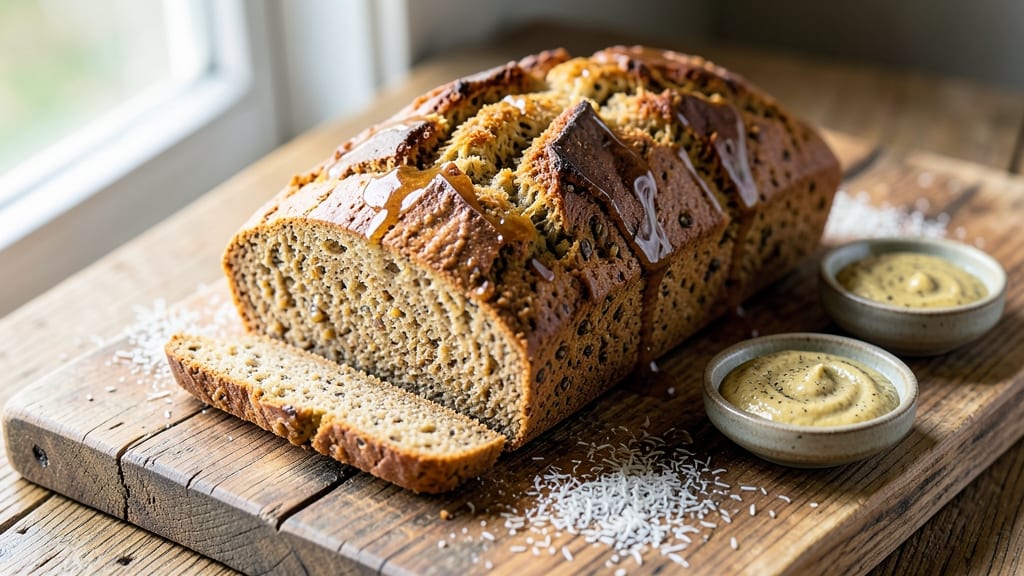
This gluten-free amaranth bread recipe transforms ancient grains into a loaf with a nutty crunch and perfectly light crumb—no gluten, no compromise. 🌱 The secret lies in amaranth flour’s protein-rich structure, which creates a naturally cohesive texture without traditional binders.
Unlike dense gluten-free loaves, this bread stays tender yet sturdy, with a subtle earthy sweetness that pairs beautifully with soups, spreads, or toasted with avocado.
The process is surprisingly straightforward: blend amaranth flour with psyllium husk for elasticity, then mix with a vegan "egg" substitute (aquafaba or flaxseed) to bind everything together. No kneading required—just fold, shape, and let the dough rest while you preheat the oven.
The result? A loaf with a golden crust and a crumb so light it almost feels forbidden, despite being completely gluten-free.
What sets this recipe apart is how it delivers on the nutritional benefits of amaranth—high in protein, fiber, and minerals like magnesium and iron—without sacrificing taste or texture. The bread freezes beautifully for up to 3 months, making it perfect for meal prep, and toasts up fresh every time.
Whether you're avoiding gluten or simply curious about ancient grains, this loaf proves you don’t need wheat to bake something extraordinary.
For best results, use a light hand when mixing—overworking the dough can make it dense. Store wrapped at room temperature for up to 5 days, or freeze slices for quick toast.
Serve with hummus, jam, or as the base for open-faced sandwiches. The possibilities are as endless as the health benefits.
Ingredients for amaranth bread gluten free
Ancient grains meet modern baking—just these 12 ingredients transform into gluten-free gold.
| Ingredient | Amount | Notes |
|---|---|---|
| Amaranth Flour 🌾 | 2 ½ cups | Fine-ground, protein-rich preferred |
| Psyllium Husk Powder 🌿 | 1 ½ tbsp | Pure, unsweetened for elasticity |
| Aquafaba 🥫 | ½ cup | Chickpea brine, thickened for binding |
| Ground Flaxseed 🌰 | 1 ½ tbsp | Freshly ground for omega-3s |
| Apple Cider Vinegar 🍎 | 1 tbsp | Raw, unfiltered for tang |
| Pure Maple Syrup 🍁 | 2 tbsp | Grade B for robust flavor |
| Sea Salt 🧂 | 1 ½ tsp | Fine grain, Diamond Crystal preferred |
| Baking Soda 🧪 | 1 ½ tsp | Aluminum-free for reactivity |
| Nutritional Yeast 🧀 | 2 tbsp | Fortified, cheesy flavor enhancer |
| Extra-Virgin Olive Oil 🫒 | ¼ cup | Light, fruity variety for richness |
| Warm Water 💧 | 1 ¼ cups | 110°F for optimal activation |
| Sunflower Seeds 🌻 | ¼ cup | Raw, for crunchy texture |
Amaranth flour is the star here—Bob's Red Mill or Anthony's Goods are my go-tos for quality. The psyllium husk might be new to your pantry, but trust me, it's what gives this bread its signature chew. Frontier Co-op sells it in bulk, and it keeps for years. Freshly ground flaxseed makes all the difference (the pre-ground stuff loses potency fast), so grind it right before mixing. For aquafaba, save the brine from canned chickpeas—no need to buy. The maple syrup adds depth without overpowering the nutty amaranth flavor, and Grade B has a richer taste than Grade A.
No aquafaba? Flax eggs (1 tbsp ground flaxseed + 3 tbsp water per egg) work perfectly, though the texture will be slightly denser. Swap sunflower seeds for pumpkin seeds or walnuts if you're nut-free. The psyllium husk is non-negotiable for structure, but if you're sensitive to fiber, reduce it to 1 tbsp. For extra richness, add 1 tbsp tahini to the dough. The olive oil should be light—California Extra Light from Trader Joe's is my secret weapon. And if you're short on time, pre-mixed gluten-free flour blends can replace half the amaranth flour, though the nutty flavor will be less pronounced.
This dough is delicate—handle it like you would a soufflé. Wet your hands before shaping to prevent sticking. Let it rest 20 minutes before baking for the best crumb. The loaf keeps best in an airtight container at room temperature for 5 days, but it freezes beautifully for 3 months. To revive, toast slices in a 350°F oven for 5 minutes—they'll crisp up like fresh bread. For meal prep, slice and freeze individual portions, then toast straight from frozen. The nutritional yeast adds a cheesy note that pairs perfectly with hummus or avocado—don't skip it!
Why You'll Love This Recipe
- No-Fuss Mixing: The psyllium husk and aquafaba do all the heavy lifting—no kneading, no waiting for dough to rise. Honestly, I just stir, press into a pan, and let it bake. That’s it.
- Nutty Earthy Crunch: The amaranth flour gives it a toasty, almost popcorn-like texture that’s ridiculously satisfying. Between us, it’s the kind of bread that makes you pause mid-bite just to appreciate it.
- Breakfast to Brunch: I keep a loaf on hand for toast with almond butter, or I tear it into strips for a quick bread pudding. Works for savory too—drizzle with olive oil and salt for a crusty side.
- Budget-Friendly Staple: Psyllium husk and flaxseed stretch every ingredient, so one batch feeds my family for days. Plus, the vinegar keeps it fresh longer than most store-bought loaves. My wallet thanks me.
Step-by-step instructions for amaranth gluten-free bread
Here's how to transform nutty amaranth flour into a light, airy loaf that rivals traditional bread.
👨🍳 Step 1: Activate the Psyllium Husk and Flaxseed
In a medium bowl, whisk together the 1.5 tbsp psyllium husk powder and 1.5 tbsp ground flaxseed with 1.25 cups warm water (about 110°F). Let it sit for 5 minutes until it forms a thick, gel-like consistency—this creates the gluten-free structure that holds your bread together. I stir it one last time before adding other ingredients to ensure even distribution.
While waiting, measure out the 2.5 cups amaranth flour and 1.5 tsp baking soda in a separate large bowl. The amaranth flour has a distinct earthy flavor that pairs beautifully with the nutty sunflower seeds we'll add later. Keep these dry ingredients ready—they'll be the foundation of your batter.
🍳 Step 2: Whisk Wet Ingredients for Maximum Fluffiness
In another bowl, combine the 0.5 cup aquafaba, 2 tbsp pure maple syrup, 1 tbsp apple cider vinegar, and 0.25 cup extra-virgin olive oil. Whisk vigorously for 2-3 minutes until the mixture thickens slightly and becomes pale—this step incorporates air that will create a light crumb. The aquafaba acts as our egg substitute here, providing both structure and moisture.
Add the 1.5 tsp sea salt and 2 tbsp nutritional yeast to the wet mixture and whisk again until fully dissolved. The nutritional yeast adds a cheesy depth that balances the earthy amaranth. Taste the mixture now—it should be slightly tangy and sweet, with a hint of saltiness. This is your flavor baseline before we combine everything.
🥘 Step 3: Combine Wet and Dry for Perfect Texture
Gradually pour the wet mixture into the bowl with dry ingredients while mixing on low speed with a hand mixer. Scrape down the sides of the bowl to ensure all the amaranth flour is incorporated—this prevents dry pockets that could make your bread dense. Mix for 1-2 minutes until just combined, but don't overmix or you'll develop gluten-like proteins that defeat the purpose of this gluten-free recipe.
Fold in the 0.25 cup sunflower seeds by hand using a silicone spatula. I like to press them gently against the sides of the bowl to ensure even distribution throughout the batter. The seeds will add crunchy texture that contrasts beautifully with the soft crumb. Let the batter rest for 10 minutes at room temperature—this allows the psyllium to fully hydrate and the flour to fully absorb the liquid.
🔥 Step 4: Bake for a Golden, Crispy Crust
Preheat your oven to 350°F and line a 9x5-inch loaf pan with parchment paper, leaving an overhang on the sides for easy removal. Pour the batter into the prepared pan and smooth the top with a spatula. Tap the pan gently on the counter 3-4 times to release any air bubbles—this ensures an even rise and prevents cracks in your loaf.
Bake for 50-55 minutes until the top is golden brown and a toothpick inserted into the center comes out clean. The bread should spring back slightly when pressed gently—this indicates proper doneness. If the top browns too quickly, tent the pan with foil after 30 minutes to prevent over-browning while the interior finishes cooking.
⏰ Step 5: Cool and Slice for Maximum Flavor
Remove the bread from the oven and let it cool in the pan for 10 minutes, then transfer to a wire rack to cool completely for at least 1 hour. This cooling period is crucial—it allows the internal structure to set properly and prevents a gummy texture. The bread will firm up as it cools, developing that perfect balance of crispy crust and tender crumb.
Slice with a sharp serrated knife while still slightly warm for cleaner cuts. Each slice should reveal a light, airy crumb with pockets of air from the aquafaba, and those sunflower seeds will add delightful crunch in every bite. Store wrapped at room temperature for 2-3 days or freeze for up to 3 months—this bread reheats beautifully in a toaster or oven for fresh-out-of-the-oven texture.
Pro Tips For Making Amaranth Bread Gluten Free
- Mix Psyllium Last: Mix the psyllium husk powder after combining wet and dry ingredients—otherwise, it’ll clump like glue in your hands. I learned this the hard way when my first batch turned into a sticky, unworkable mess.
- Whisk Aquafaba First: Beat the aquafaba until it’s thick and glossy before adding anything else—this mimics egg whites and gives the bread structure. Skip this, and your loaf might end up dense or crumbly, no matter how much you mix later.
- Don’t Overmix the Dough: Stir just until the flour disappears—amaranth dough gets tough fast. I used to think more mixing = better bread, but now I stop after 30 seconds to keep the texture light.
- Use Warm Vinegar: Mix the apple cider vinegar with warm water (not hot) to help the psyllium and flaxseed bind properly. Cold vinegar makes the dough sluggish, and you’ll end up with a sad, flat loaf.
Perfect pairings for this dish
Sweet Spread Pairings
This amaranth bread’s nutty depth makes it perfect for fruit preserves with balanced acidity. Try blackberry jam (its tartness cuts the earthiness) or fig jam (rich and caramel-like). I also love orange marmalade—the citrus brightens every bite.
For a vegan twist, spread cashew cream cheese mixed with maple syrup and a pinch of cinnamon. 🍓
Savory Toppings
Skip the butter and go for hummus (roasted garlic or red pepper varieties work best) or avocado mash with sea salt and lime juice. For protein, layer with smoked salmon and everything bagel seasoning, or mashed chickpeas with tahini and pickled onions.
The bread’s sturdy texture holds up to these toppings beautifully.
Cheesy Vegan Alternatives
Swap dairy cheese for nutritional yeast blends (like Bragg’s) mixed with garlic powder and smoked paprika. Or try cashew-based cheddar (blend soaked cashews with apple cider vinegar, mustard powder, and turmeric). These add a tangy, umami kick that complements the bread’s nutty profile. 🧀
Beverage Pairings
For a morning toast, pair with chicory coffee (its deep flavor matches the bread’s earthiness) or spiced chai tea (warm cinnamon and cardamom enhance the nutty notes). In the afternoon, try cold-brewed matcha latte with vanilla almond milk—the bitterness balances the sweetness.
For something indulgent, a dark chocolate (70%+) with sea salt melts beautifully on warm slices.
Nutrition facts
Frequently asked questions
Why does this amaranth bread need psyllium husk?
Psyllium husk is the gluten-free secret ingredient that creates that perfect chewy texture and structure. It mimics gluten's elasticity by forming a gel when mixed with water, which helps bind the ingredients together. Without it, your bread would crumble instead of holding its shape beautifully. Think of it as the "glue" that makes gluten-free baking possible!
Can I substitute aquafaba with something else?
Yes! If you don't have aquafaba, try flax eggs (1 tbsp ground flaxseed + 3 tbsp water per egg) or chickpea puree. Both work as binders, though the texture might be slightly denser. For best results, use the same amount as called for in the recipe. The aquafaba creates that signature lightness, but these substitutes will still give you delicious bread.
How do I know when the bread is fully baked?
Your bread is done when it reaches an internal temperature of 190-200°F and a toothpick comes out clean. The top should also be golden brown and spring back slightly when pressed gently. If the crust browns too quickly, tent with foil after 30 minutes to prevent over-browning while the center finishes cooking.
Why did my bread turn out dense instead of light?
Overmixing the batter or skipping the 10-minute rest before baking are common culprits. Also, make sure your psyllium husk is fully hydrated (it should form a gel). If your oven runs hot, reduce the temperature to 340°F or check for doneness 5 minutes early. The key is patience—let the bread cool completely before slicing for that perfect airy crumb.
Can I make this bread without sunflower seeds?
Swap them for pumpkin seeds, walnuts, or even sesame seeds for different textures. If you prefer a seed-free version, simply omit them—the recipe will still work beautifully. The seeds just add that delightful crunch, but they're not essential for the bread's structure or flavor.