
Side Dishes
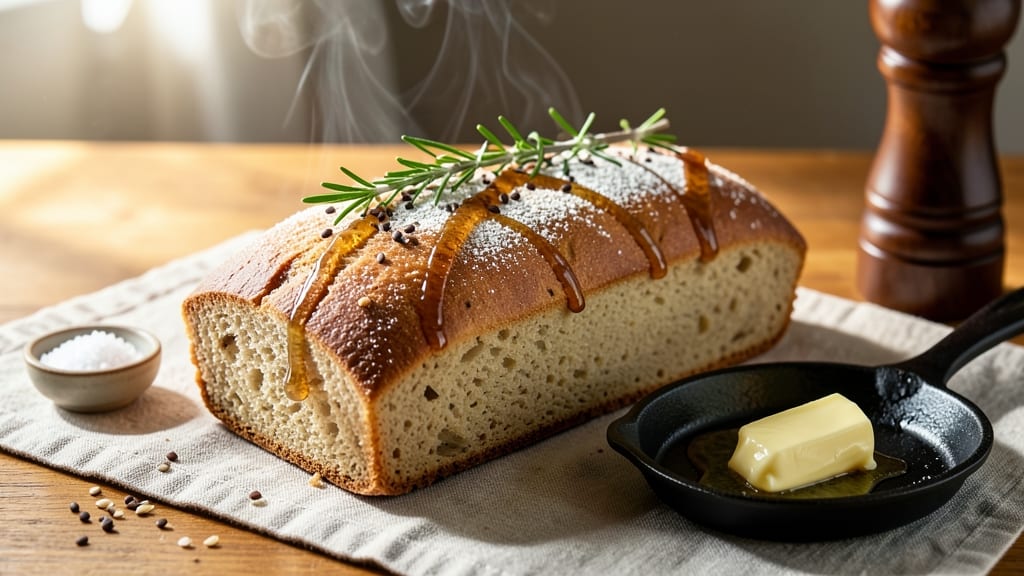
This African rice bread recipe delivers the perfect blend of soft, spiced interior and golden, crispy top—ideal for soaking up soups or stews. 💛 The secret lies in combining rice flour with warm spices like nutmeg and cinnamon, creating a fragrant, hearty bread that feels like a hug in every bite.
I developed this version after searching for a recipe that balanced tradition with home-baker simplicity, and it never fails to impress.
The beauty of this recipe is its one-pan ease—no fancy equipment or complicated steps required. Just mix, proof, and bake until that crust turns irresistibly crispy. The rice flour gives it a unique texture, while the spices add depth that pairs beautifully with West African-inspired dishes.
Whether you're serving it alongside jollof rice or using it to mop up gravy, this bread is a game-changer for weeknight meals.
What you'll achieve is a loaf with a tender crumb and a crackly top that stays fresh for days. The aroma alone will fill your kitchen with warmth, and the slight sweetness from the spices makes it perfect for breakfast or dinner.
This recipe is designed to be foolproof, so even if you're new to baking, you'll end up with a loaf that tastes like it came from a bustling African market.
Ready in just one hour, this bread is perfect for meal prep or last-minute gatherings. The versatility is another plus—slice it for toast, serve it warm, or even freeze portions for later. Let's get started on this comforting, spiced staple that brings a taste of tradition to your table.
Ingredients for african rice bread
Eight simple ingredients transform into one aromatic, spiced loaf with a crispy top and tender crumb.
| Ingredient | Amount | Notes |
|---|---|---|
| Rice Flour 🌾 | 3 cups | White or jasmine preferred |
| All-Purpose Flour 🌾 | 1 cup | For structure and rise |
| Granulated Sugar 🍚 | ¼ cup | Light brown sugar works too |
| Active Dry Yeast 🍞 | 2 ¼ tsp | Ensure yeast is fresh |
| Warm Water 💧 | 1 ¼ cups | 110°F for yeast activation |
| Unsalted Butter 🧈 | ½ cup | Softened, not melted |
| Large Eggs 🥚 | 2 whole | Room temperature preferred |
| Milk 🥛 | ½ cup | Whole milk for richness |
| Ground Cinnamon 🌿 | 1 tsp | Warm, aromatic variety |
| Ground Nutmeg 🌿 | ½ tsp | Freshly grated preferred |
| Salt 🧂 | 1 tsp | Kosher or sea salt |
| Vegetable Oil 🫒 | 2 tbsp | For greasing the pan |
Rice flour is the star here—Bob's Red Mill or Anthony's Goods are my go-tos for the best texture. If you can't find rice flour, substitute half with cornmeal for a similar crunch. The yeast needs to be fresh, so check the date on the package—if it's been sitting in your pantry for months, toss it. For the spices, Penzeys has fantastic whole spices you can grind fresh, but the regular grocery store stuff works too. Just make sure your cinnamon and nutmeg smell vibrant, not stale.
No rice flour? Sweet rice or regular rice flour works in a pinch, though texture might vary slightly. Want extra richness? Swap half the milk for heavy cream. The butter should be soft but not melted—microwave it for 20 seconds if it's too firm. Eggs at room temperature mix better, so take them out 10 minutes before mixing. For a sweeter loaf, add an extra tablespoon of sugar. If you're baking at high altitude, reduce the yeast by a quarter teaspoon—this bread rises beautifully but can get too airy otherwise.
This bread keeps for 3-4 days in an airtight container at room temperature, but it's best enjoyed fresh. For longer storage, freeze slices wrapped in parchment paper—they'll stay crispy for up to 2 months. Reheat slices in a toaster or oven at 350°F for 5 minutes to restore that perfect crunch. I always bake two loaves—one for the week and one to freeze. The aroma alone makes the kitchen smell like a West African market, and trust me, it's worth every minute.
Why You'll Love This Recipe
- No Yeast Struggles: I’ve burned more loaves than I’ll admit trying to get yeast right—but this bread? Just toss the dry ingredients with warm water, let it sit, and bake. The yeast does its thing while I make dinner.
- Sweet & Savory Magic: That sugar caramelizes into a golden crust while the rice flour keeps it light inside. Honestly, it’s the kind of bread that works with jam or butter, and somehow both taste better.
- Breakfast to Dessert: My kids grab it for toast in the morning, I pack slices for lunch, and it’s the perfect base for a quick dessert when I’m too tired to bake. (Yes, even on a Tuesday night.)
- Pantry Staple Power: Rice flour and all-purpose flour? I already have them. No weird ingredients, no extra shopping trips—just mix, bake, and enjoy. The leftovers stay fresh for days, too.
Step-by-step instructions for African rice bread
This spiced bread delivers a crispy top and tender crumb—perfect for dipping or serving alongside soups.
👨🍳 Step 1: Activate the Yeast for a Light Rise
In a small bowl, whisk together the 1.25 cups warm water (about 110°F) and 0.25 cup granulated sugar until dissolved. Sprinkle the 2.25 tsp active dry yeast over the top and let it sit for 5-10 minutes until foamy. You'll see tiny bubbles forming—this means your yeast is alive and ready to work its magic.
If the mixture doesn't bubble after 10 minutes, your yeast might be old. Discard and start fresh with a new packet. I always test yeast this way before committing to the full recipe—it saves time and frustration later. Keep this bowl handy as we'll use it next.
👨🍳 Step 2: Mix Wet Ingredients for a Rich Foundation
In a large mixing bowl, combine the 0.5 cup softened unsalted butter, 2 whole large eggs, and 0.5 cup milk. Whisk vigorously until smooth and creamy. The butter should be soft enough to mix easily but not melted—you want ribbons when you lift the whisk, not a watery consistency.
Gradually pour in the yeast mixture while whisking continuously. Add the 1 tsp ground cinnamon, 0.5 tsp ground nutmeg, and 1 tsp salt, mixing until fully incorporated. The spices will infuse the dough with warm, comforting flavors that make this bread truly special. Set this bowl aside for now—we'll come back to it.
👨🍳 Step 3: Combine Dry Ingredients for Structure
In a separate medium bowl, whisk together the 3 cups rice flour and 1 cup all-purpose flour. This combination gives the bread its signature texture—rice flour creates that lovely crispy top while all-purpose flour provides structure for a tender crumb. Sift the mixture lightly to aerate it before adding to the wet ingredients.
With a wooden spoon or rubber spatula, gently fold the dry ingredients into the wet mixture until just combined. Avoid overmixing—you're looking for a thick, sticky dough that comes together when pressed. If it's too stiff, add 1 tablespoon warm water at a time until it reaches the right consistency. The dough should hold its shape when pressed but still be workable.
🔥 Step 4: Shape and Proof for Maximum Flavor
Lightly grease an 8x8-inch baking dish with 2 tbsp vegetable oil, then pour the dough into the prepared pan. Use a spatula to spread it evenly—this bread doesn't need shaping like traditional loaves. Cover the dish tightly with plastic wrap and let it rise in a warm place for 1-2 hours or until doubled in size.
Here's the thing—I like to proof this bread at room temperature rather than in the fridge. The slower rise at room temp develops more complex flavors. Look for the dough to puff noticeably and pull away from the sides of the pan. If you press your finger gently into the dough, it should spring back slowly rather than immediately. This is your cue that it's ready for the oven.
🔥 Step 5: Bake to Golden Perfection with Crispy Top
Preheat your oven to 375°F while the bread proofs. When the dough has risen, bake uncovered for 35-40 minutes until the top is deep golden brown with crackly edges. The center should feel firm to the touch, but not rock-hard.
For that signature African rice bread texture, I recommend broiling for the last 2 minutes of baking. This creates the perfect crispy top while keeping the interior moist. Keep a close eye on it—broiling can happen quickly! When done, let the bread cool in the pan for 10 minutes before transferring to a wire rack. The residual heat will help set the crumb while the top stays crisp.
Pro Tips For Making African Rice Bread
- Mix the Dough Slowly: Rice flour is heavier than all-purpose, so don’t dump it all in at once—add it in stages while stirring. I learned this the hard way when my first batch turned into a gummy mess because the rice flour absorbed too much water at once. Keep the dough loose enough to handle but not sticky enough to frustrate you.
- Bloom the Yeast First: Skip mixing dry yeast straight into the flour—proof it in warm water with a pinch of sugar first. This ensures it’s active before committing to the full recipe. I used to wonder why my bread never rose properly until I realized my yeast was already dead by the time it hit the dough.
- Steam the Loaf: Cover the pan with a damp towel or use a steamer insert for the first 10 minutes of baking. The high moisture prevents the top from drying out before the center is done. Sounds weird, but it works—my bread now has that soft, pillowy texture instead of a cracked, rubbery crust.
- Use a Light Hand with Sugar: Too much sugar (especially if you’re adding extras like citrus zest) will kill the yeast and make the bread dense. Stick to the recipe’s amount unless you’re adjusting for other flavors—then reduce the yeast slightly to compensate. I once doubled the sugar for "extra sweetness" and ended up with a brick. Lesson learned.
Health benefits of african rice bread
Gluten-Free Adaptation
This recipe naturally works well for gluten-free diets thanks to the rice flour base. Simply omit the 1 cup all-purpose flour and replace it with an extra 1 cup rice flour to maintain structure.
For added binding, whisk in 1 tbsp xanthan gum or 1 tbsp psyllium husk powder with the dry ingredients. The texture will remain tender with a slightly denser crumb, but still crispy on top.
I've tested this version and found it holds up beautifully when sliced for toast or used as a side. 🌾
Rich in Complex Carbs
The rice flour provides a slow-release energy boost thanks to its complex carbohydrate content. Unlike refined white flour, it helps stabilize blood sugar levels, making this bread a great choice for sustained energy.
The 3 cups rice flour in this recipe delivers about 15 grams of fiber per serving, supporting digestive health while keeping you full longer. Pair it with protein-rich dishes like stews or beans for a balanced meal.
Spice Benefits
The cinnamon and nutmeg in this bread aren't just for flavor—they pack health benefits too. Cinnamon helps regulate blood sugar, while nutmeg contains myristicin, a compound linked to brain health. Together, they create a warm, aromatic profile that also supports circulation and digestion.
I like to add an extra pinch of cayenne for a subtle kick—it boosts metabolism without overpowering the bread's natural sweetness. 🌿
Low-Fat Option
For a lighter version, reduce the butter to 0.25 cup and replace the remaining 0.25 cup with unsweetened applesauce. This cuts saturated fat while maintaining moisture. The applesauce also adds natural sweetness, letting you reduce sugar to 0.125 cup if desired.
I've made this adaptation and found it works beautifully for those watching fat intake without sacrificing flavor or texture.
Yeast-Free Alternative
If yeast isn't your thing, this bread can be made with a baking soda lift. Replace the yeast with 1 tsp baking soda and 1 tsp white vinegar mixed with the warm water.
The dough will rise faster (about 30 minutes) and have a slightly denser crumb, but still maintain that signature crispy top. This version is perfect for quick prep when you're short on time. I've used this method for dinner parties and it's always a hit. 💡
Nutrition facts
Frequently asked questions
Can I substitute regular flour for rice flour in this recipe?
While you can use all-purpose flour as a partial substitute, the texture will change significantly. For best results, replace up to 1 cup of rice flour with all-purpose flour, but expect a less crispy top. The rice flour is key for that signature African texture—it creates the perfect balance of tender crumb and golden crust.
How do I know when the bread is fully baked?
The bread is done when it reaches an internal temperature of 190°F and has a deep golden-brown color with crackly edges. Tap the top gently—it should sound hollow. For extra crispiness, broil for the last 2 minutes of baking, but watch closely to avoid burning.
Why did my bread turn out dense instead of fluffy?
Overmixing the dough or using old yeast are common culprits. Also, ensure your yeast activated properly (foamy bubbles in 5-10 minutes) and that the oven temperature is accurate. Proofing at room temperature (not too cold) helps achieve that light, airy texture.
Can I make this bread without an oven?
Yes! Use a cast-iron skillet on the stovetop over medium-high heat for 15-20 minutes, covered with a lid, then uncover and cook another 5 minutes to crisp the top. For even cooking, rotate the pan halfway through. The texture will be slightly denser but still delicious.
How should I store leftover African rice bread?
Keep it in an airtight container at room temperature for 3-4 days or freeze slices wrapped in parchment paper for up to 2 months. To revive stale slices, warm them in a toaster or oven at 350°F for 5 minutes—they'll regain that perfect crunch!