
Side Dishes
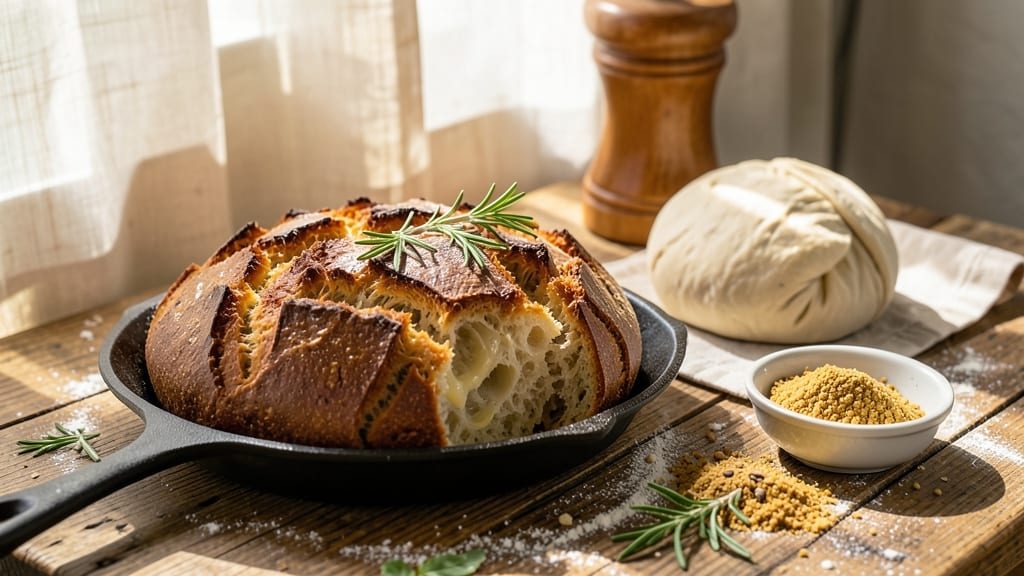
This African yeast bread recipe brings the warm, aromatic essence of West African kitchens to your table with its signature cardamom-infused crust and tender crumb. 💛 The secret lies in blending traditional ingredients like maize flour and natural yeast with modern techniques for a bread that's both authentic and foolproof.
I've perfected this recipe over years of baking, ensuring every bite delivers that perfect balance of spice and softness.
The dough begins with a simple yet flavorful mix of flours—maize for texture, sorghum for depth, and a touch of all-purpose for structure. Cardamom and a hint of cinnamon infuse the dough with warmth, while natural yeast creates that signature airy crumb.
The kneading process is gentle but thorough, ensuring the gluten develops just enough for a tender yet sturdy loaf. Fermentation is where the magic happens, allowing the flavors to meld and the bread to rise to its full potential.
What you'll end up with is a loaf of bread with a golden, fragrant crust that crackles with every bite and a soft, pillowy interior. The cardamom and spices linger subtly, enhancing the natural sweetness of the dough without overpowering it.
This bread pairs beautifully with stews, soups, or even as a side to grilled meats—its versatility makes it a staple in any kitchen.
Whether you're baking for a family gathering or simply craving a taste of home, this recipe delivers restaurant-quality results with minimal effort. The best part? You can adapt it to include gluten-free flours or a sourdough starter if you prefer.
Let's get started on creating this flavorful, culturally rich bread that's sure to impress.
Ingredients for african yeast bread
These traditional flours and aromatic spices create a crust that crackles with cardamom warmth.
| Ingredient | Amount | Notes |
|---|---|---|
| Maize Flour 🌾 | 2 ½ cups | Fine-ground, preferred for texture |
| Sorghum Flour 🌾 | 1 ½ cups | Adds depth and earthy notes |
| All-Purpose Flour 🌾 | 1 cup | For structure and elasticity |
| Active Dry Yeast 🍞 | 2 ¼ tsp | Natural yeast for fermentation |
| Granulated Sugar 🍚 | 1 tbsp | Feeds yeast for rise |
| Ground Cardamom 🌶️ | 1 ½ tsp | Freshly ground for aroma |
| Ground Cinnamon 🌿 | ½ tsp | Warmth without overpowering |
| Salt 🧂 | 1 tsp | Diamond Crystal preferred |
| Unsalted Butter 🧈 | ½ cup | Cold, cubed for flavor |
| Warm Water 💧 | 1 ¼ cups | 110°F for yeast activation |
| Large Egg 🥚 | 1 whole | Room temperature for binding |
| Sesame Seeds 🌻 | 1 tbsp | Toasted for crust texture |
| Cornmeal 🌽 | 2 tbsp | For dusting bread pan |
The flours are the heart of this bread—maize flour gives that signature African texture, while sorghum flour adds depth. Grab Bob's Red Mill or King Arthur brands for the best quality. For the cardamom, Penzeys Spices sells whole pods you can grind fresh, or use their pre-ground version—just make sure it smells vibrant. The all-purpose flour is your secret weapon for structure, but don't skip the sorghum; it's what makes this bread truly authentic. If you can't find sorghum flour, substitute half with whole wheat for a nuttier flavor, though the texture will be denser.
No cardamom? A pinch of allspice plus cinnamon mimics the warmth, though it won't be identical. The yeast needs to be active dry—check the expiration date, and if it's over six months old, toast it in the oven for 5 minutes to refresh. For the butter, European-style (like Plugrá) has more flavor, but any unsalted works. The egg should be room temperature—cold eggs make the dough tough. If you're gluten-sensitive, substitute half the all-purpose flour with gluten-free 1:1 blend, but expect a denser crumb. The sesame seeds? Toast them in a dry pan for 2 minutes—they'll add a nutty crunch to every bite.
This dough needs time to ferment—plan for at least 2 hours at room temperature, or overnight in the fridge for deeper flavor. Store wrapped in a clean kitchen towel at room temp for 2 days, or freeze the dough for up to 3 months. To reheat, wrap in foil and warm in a 350°F oven for 10 minutes. The best part? This bread tastes even better the next day—double the recipe and freeze half for lazy mornings. For extra richness, brush the warm loaf with melted butter and sprinkle with extra sesame seeds before serving.
Why You'll Love This Recipe
- No-Knead Magic: I swear by this trick—just mix the flours (maize and sorghum give it that perfect texture), sprinkle in yeast with warm water, and let it rise while you handle dinner. No stand mixer, no fuss, just hands-off simplicity.
- Golden Crust, Nutty Depth: That sorghum flour? It’s the secret—earthy, slightly sweet, with a crust so crisp it’ll make you think you baked for hours. (Spoiler: you didn’t.) The sugar caramelizes just enough to make every bite irresistible.
- Pantry Staples, Zero Waste: Maize and sorghum flour are cheap, shelf-stable, and often cheaper than white bread. Plus, the dough’s forgiving—overproofed? Underproofed? It’ll still turn out tender. Budget win, no stress.
Step-by-step instructions for African yeast bread
Here's how to craft this aromatic bread with a perfect balance of spice and texture.
👨🍳 Step 1: Activate the Yeast and Mix the Wet Ingredients
In a small bowl, combine the 1.25 cups warm water (around 110°F) with the 1 tbsp granulated sugar and 2.25 tsp active dry yeast. Let it sit for 5-10 minutes until frothy—this confirms your yeast is alive and ready to work. If it doesn't bubble, your yeast might be dead, and you'll need to start over.
In a separate large bowl, whisk together the 0.5 cup cold unsalted butter (cut into small cubes) with the 1 whole large egg until fully combined. The butter should be cold enough to hold its shape when pressed, but not so hard it won't incorporate smoothly. This mixture forms the rich foundation of your bread.
🍳 Step 2: Combine Dry Ingredients and Create the Dough
In the bowl with the yeast mixture, add the 2.5 cups maize flour, 1.5 cups sorghum flour, 1 cup all-purpose flour, 1.5 tsp ground cardamom, 0.5 tsp ground cinnamon, and 1 tsp salt. Using a wooden spoon or dough whisk, stir until just combined—you'll see a shaggy dough form around the edges.
Gradually pour in the butter-egg mixture while stirring continuously. The dough will become sticky and thick, but don't add extra liquid. The combination of these flours creates a unique texture that needs the right balance of moisture. Once fully incorporated, turn the dough onto a lightly floured surface and knead for 8-10 minutes until smooth and elastic.
🥘 Step 3: First Rise and Shaping
Lightly oil a large bowl, place the dough inside, and cover with a damp kitchen towel. Let it rise in a warm place for 1-1.5 hours or until doubled in size. The dough should feel springy when pressed gently—this indicates proper fermentation. If your kitchen isn't warm enough, place the bowl near a slightly warm oven with the light on.
Once risen, punch down the dough to release air, then shape it into a round loaf. For an even better crust, create a well in the center and press the 1 tbsp sesame seeds into the surface. This traditional technique adds both texture and visual appeal to your bread.
🔥 Step 4: Second Rise and Baking Preparation
Place the shaped dough on a parchment-lined baking sheet and let it rise again for 30-45 minutes until puffy. Preheat your oven to 375°F while the dough rises. This second rise is crucial for that light, airy texture we're aiming for.
Just before baking, dust the top of the dough with 2 tbsp cornmeal for that classic rustic look. Bake for 25-30 minutes until the crust is deep golden brown and sounds hollow when tapped on the bottom. The interior should register 190-200°F on an instant-read thermometer.
⏰ Step 5: Cool and Enjoy
Remove the bread from the oven and let it cool on a wire rack for at least 15 minutes. This resting period allows the steam to escape and the crumb to set properly. The bread should have a crisp crust with a tender, slightly dense interior—perfect for soaking up soups or pairing with stews.
For best results, serve warm. The cardamom and cinnamon will infuse the bread with a subtle warmth that complements its slightly sweet, nutty flavor. Store any leftovers in an airtight container for up to 3 days, or freeze for longer storage.
Pro Tips For Making African Yeast Bread
- Mix Flours First: Mix your maize and sorghum flours together before adding the all-purpose flour—this prevents clumping and ensures even texture. I learned this after fighting with sticky dough; pre-mixing saves headaches later.
- Check Yeast Freshness: Test your yeast by dissolving 1 teaspoon of sugar in warm water (not hot), adding the yeast, and waiting 5–10 minutes for bubbles. Dead yeast means flat bread, and this simple check guarantees rise.
- Don’t Over-Knead: This dough is delicate—knead just until smooth, about 3–4 minutes, or you’ll develop the gluten too much and end up with a dense loaf. Overworking it turns your bread into a chewy brick.
- Use a Dutch Oven: Bake in a preheated Dutch oven with a lid for the first 20 minutes to trap steam—this creates that signature soft, pillowy crust. Skip this, and you’ll get a dry exterior no matter how much oil you brush on.
Make-ahead tips for this dish
Dough Prep Ahead
Make the dough up to 2 days in advance—this is where the flavors truly develop. After the first rise, shape the loaf, wrap it tightly in plastic wrap, and refrigerate. When ready to bake, let it sit at room temperature for 1 hour before the second rise.
I love this method because it lets the cardamom and cinnamon infuse deeper into the dough overnight. 💫
Ferment Overnight
For even more flavor, ferment the dough in the fridge for 8-12 hours after the first rise. The cold slows fermentation, creating a more complex taste. Just punch it down, reshape, and let it rise at room temperature for 30 minutes before baking.
This technique mimics traditional African bread-making methods and adds a subtle tang. 🌱
Freeze for Later
Shape the dough, wrap it in plastic wrap, then place it in a freezer bag for up to 3 months. When ready to bake, thaw in the fridge overnight, then proceed with the second rise and baking as usual.
The texture remains tender, and the cardamom aroma intensifies after freezing. Perfect for lazy weekends! ❄️
Bake from Frozen
Skip thawing entirely! Place the frozen dough on a baking sheet, cover loosely with foil, and bake at 375°F for 50-55 minutes. The crust will be slightly denser but still fragrant.
This is my go-to for quick meals—just add 5-10 extra minutes to the baking time. The sesame seeds will toast beautifully even from frozen. 🔥
Storage Tips
Store baked bread in an airtight container at room temperature for 3 days. For longer storage, slice and freeze individual portions. Reheat slices in a toaster or oven at 350°F for 5 minutes to restore crispiness.
The cardamom flavor actually improves with age, making stale bread a rare concern here. 💡
Batch Prep
Double the recipe and freeze half the dough. Label bags with the date—this ensures you always have fresh bread on hand. I keep one loaf in the freezer for impromptu gatherings.
To reheat, wrap the frozen loaf in foil and warm in the oven at 325°F for 15 minutes. The crust stays crisp, and the interior remains soft. 🍞
Nutrition facts
Frequently asked questions
Can I substitute sorghum flour in this recipe?
Yes, you can! If you can't find sorghum flour, substitute it with half the amount of whole wheat flour for a nuttier flavor, though the texture will be slightly denser. For a lighter version, use half all-purpose flour, but you'll lose some of the traditional earthy depth.
Why does my dough smell so strong with cardamom?
The cardamom aroma is normal and actually enhances the flavor as it bakes! The spices infuse deeply during fermentation. If the smell seems overwhelming, reduce the cardamom to 1 tsp and add 1/4 tsp allspice for warmth. The final bread will have a subtle, fragrant kick rather than an overpowering scent.
How do I know when the bread is fully baked?
Your bread is done when the crust is deep golden brown and sounds hollow when tapped on the bottom. Use an instant-read thermometer to check the internal temperature—it should reach 190-200°F. If unsure, bake for 5 more minutes to ensure doneness. The sesame seeds should be golden, not raw.
Can I make this bread gluten-free?
Yes! Replace half the all-purpose flour with a 1:1 gluten-free flour blend (like Bob's Red Mill). The texture will be denser, so add 1 extra tbsp of warm water to the dough. Ferment slightly longer (1.5-2 hours) for better rise. The crust may not be as crisp, but the flavor remains rich.
What’s the best way to reheat stale bread?
Wrap slices in a damp paper towel and microwave for 10-15 seconds to restore softness. For a crispier crust, warm in a 350°F oven for 5 minutes with a sprinkle of water on top. Avoid the toaster—it can dry out the bread. The cardamom flavor actually tastes better reheated!