
Side Dishes
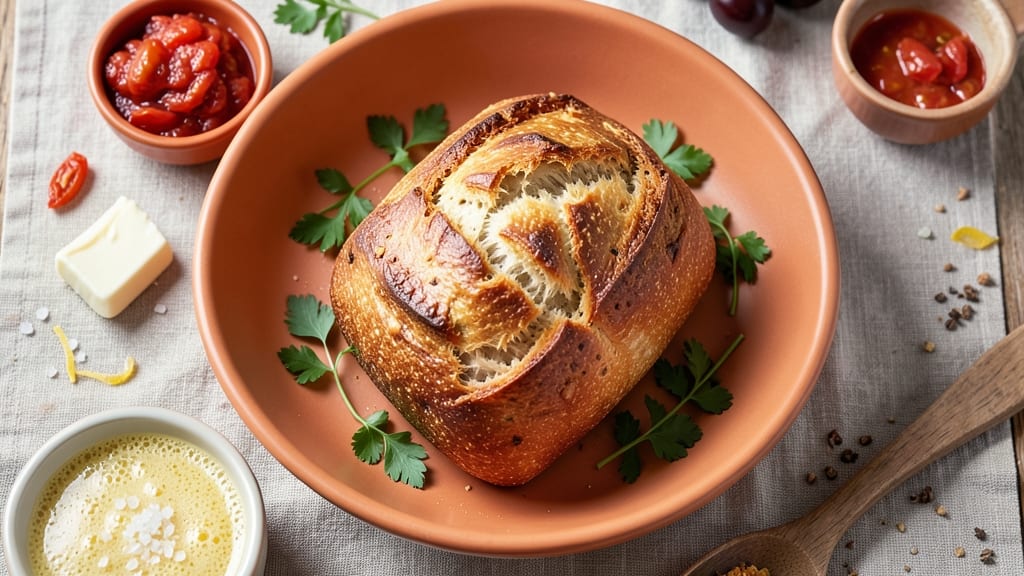
This Albany bread recipe delivers the perfect balance of a crisp walnut-studded crust and an airy, pillowy interior—just like the loaves that made Albany, New York, famous. The secret lies in a slow fermentation process that develops deep flavor while creating that signature tender crumb.
I’ve perfected this version to stay true to tradition while making it approachable for home bakers.
What sets Albany bread apart is the contrast between its golden, nutty crust and the soft, almost custard-like center. The walnuts add texture and richness, while the steam generated during baking ensures a crisp exterior without drying out the interior.
This recipe uses a straightforward dough formula with just a few key ingredients, but the technique—especially the proofing and shaping—makes all the difference.
The result is a loaf that’s ideal for serving warm with butter, slicing for sandwiches, or toasting for breakfast. The aroma alone will fill your kitchen with nostalgia, and every bite delivers that satisfying mix of crunch and softness.
Whether you’re baking for a family gathering or treating yourself, this bread is worth the effort.
For best results, allow the dough to ferment overnight for maximum flavor development, and don’t skip the steam during baking—it’s what creates that signature crust. Once baked, the bread keeps well at room temperature for a few days or can be frozen for longer storage.
Let’s get started on this classic recipe!
Ingredients for albany bread
Nine essential ingredients crafting Albany's iconic walnut-crusted bread with tender interior.
| Ingredient | Amount | Notes |
|---|---|---|
| All-Purpose Flour 🌾 | 5 cups | Unbleached preferred for better texture |
| Active Dry Yeast 🍞 | ¼ oz | Or 2 1/4 tsp (7g) |
| Granulated Sugar 🍚 | ¼ cup | For yeast activation |
| Salt 🧂 | 1 ½ tsp | Diamond Crystal preferred |
| Large Eggs 🥚 | 2 whole | Room temperature for best mixing |
| Unsalted Butter 🧈 | ½ cup | Cold and cubed for dough |
| Walnuts 🥜 | 1 cup | Chopped, toasted for flavor |
| Whole Milk 🥛 | ½ cup | Warmed to room temperature |
| Honey 🍯 | 2 tbsp | For dough enrichment |
The walnuts are non-negotiable for that signature crunch—King Arthur or Bob's Red Mill brands yield the best texture. Toast them lightly in a dry pan until fragrant before chopping; this enhances their natural oils and flavor. For yeast, Fleischmann's active dry yeast works reliably, but check the expiration date—old yeast won't activate properly. The butter should be cold when mixed into the dough to prevent overdevelopment, but don't skip the room-temperature eggs, as they emulsify better with the flour. Store your flour in the freezer to prevent rancidity, especially if you're not using it frequently.
No walnuts? Pecans or hazelnuts work as substitutes, though the flavor will differ slightly. Running short on butter? Vegetable shortening at the same weight maintains the dough's structure, though it lacks flavor. The honey can be swapped for maple syrup or agave nectar, but reduce to 1.5 tbsp if using a thicker syrup. For a gluten-free adaptation, replace the all-purpose flour with a 1:1 gluten-free baking blend, but expect a denser crumb. If your yeast isn't fresh, test it first by dissolving it in warm milk with a pinch of sugar—it should foam within 5-10 minutes.
This dough ferments best overnight in the refrigerator, developing maximum flavor. Store it in an airtight container lined with plastic wrap to prevent drying. Once baked, the bread keeps at room temperature for 3-4 days if wrapped tightly in a cotton towel. For longer storage, freeze the cooled loaf wrapped in foil for up to 3 months. To revive, thaw at room temperature and reheat in a 350°F oven for 5-10 minutes to restore crispness. The crust freezes poorly, so toast slices directly from frozen for best results.
Why You'll Love This Recipe
- No-Knead Magic: I swear by this recipe because it’s the only bread I make that doesn’t demand my back’s sympathy. Just mix, let it rise overnight, and bake—no punishing kneading or measuring cups that never quite add up right.
- Sweet & Buttery Crust: That golden crust? It’s not just pretty—it’s crispy in all the right ways, thanks to the sugar and eggs caramelizing just enough. Honestly, I’ll take this over dry, sad store-bought loaves any day.
- Breakfast or Snack Hero: Between us, this bread is my go-to for toast in the morning or sandwiches at lunch. The texture holds up for both—no soggy middle when you’re in a rush or no sad, crumbly bite when you’re packing leftovers.
- Pantry Staple, Budget Win: Five ingredients, all of which I already have. That yeast packet lasts forever, the flour doesn’t break the bank, and a loaf this size feeds my family for days. I’m not just saving money—I’m saving trips to the store.
Step-by-step instructions for walnut-studded Albany bread
Master the art of Albany bread with this precise method for a crisp walnut crust and tender interior.
Activate the Yeast for Maximum Rise
In a small bowl, combine the 0.25 cup granulated sugar, 0.5 cup warm whole milk (about 110°F—test by dropping a few drops on your wrist), and the 0.25 oz active dry yeast. Let this sit for 5-10 minutes until the mixture becomes frothy and bubbly. This indicates the yeast is active and ready to work.
I always test the milk temperature first—too hot kills the yeast, too cold makes it sluggish. The bubbles should form within 5 minutes; if not, your yeast may be old. This step ensures your bread rises properly and develops that signature pillowy texture.
Mix the Dough with Cold Butter for Flaky Layers
In the bowl of a stand mixer fitted with the dough hook, combine the 5 cups all-purpose flour and 1.5 tsp salt. Add the yeast mixture and mix on low speed for 1 minute until combined. Add the 2 whole large eggs and mix until incorporated.
Cut the 0.5 cup cold unsalted butter into small cubes and add to the dough. Mix on low speed for 2-3 minutes just until the butter is evenly distributed and small pieces remain. The cold butter creates steam during baking, which is essential for that crisp walnut crust. Overmixing develops gluten, so stop as soon as the butter is incorporated.
Knead and Shape for Even Texture
Knead the dough on medium speed for 4-5 minutes until smooth and elastic. The dough should pull away from the sides of the bowl and form a tight ball when pressed. If it's too sticky, add 1 tablespoon flour at a time until it comes together cleanly.
Divide the dough into 4 equal portions (about 1 pound each) and shape each into a smooth ball. Place them on a lightly floured surface and cover with a damp towel. Let them rest for 15 minutes while you prepare the walnut topping.
Prepare the Walnut Topping
In a small bowl, combine the 1 cup chopped walnuts with 2 tbsp honey. Toss until the walnuts are evenly coated. The honey adds sweetness and helps the walnuts adhere to the dough during baking. If your walnuts aren't already toasted, spread them on a baking sheet and toast in a 350°F oven for 8-10 minutes until fragrant before mixing with honey.
The toasted walnuts develop deeper flavor and crunch, while the honey creates a caramelized crust that contrasts beautifully with the tender interior. This topping is what gives Albany bread its signature texture and flavor.
Proof and Shape for Crisp Crust
Preheat your oven to 375°F and line a baking sheet with parchment paper. Roll each dough ball into a ¼-inch thick circle, about 6 inches in diameter. Place them on the prepared baking sheet and cover with a damp towel. Let them proof for 30-45 minutes until they've risen by about 50% and feel light when pressed gently.
While the dough proofs, brush the tops with a little water to help the walnut topping adhere. Sprinkle the honey-walnut mixture evenly over each circle, pressing down gently to ensure good contact. The proofing creates the air pockets that make the bread tender, while the walnut topping forms that signature crisp crust.
Bake to Golden Perfection
Bake the bread in the preheated oven for 20-25 minutes until the crust is deep golden brown and the internal temperature reaches 190°F. The edges should be crisp, while the center remains soft and pillowy. Rotate the baking sheet halfway through for even browning.
For best results, bake until you see golden-brown spots on the walnut topping and the bread sounds hollow when tapped on the bottom. Let the bread cool on a wire rack for 10 minutes before slicing—this prevents the warm interior from making the crust soggy. Serve warm with butter or jam for the ultimate experience.
Pro Tips For Making Albany Bread
- Bloom the Yeast First: Skip mixing yeast directly into flour—it’s a rookie move. Instead, dissolve the yeast and sugar in warm water (110°F) and let it sit for 5-10 minutes until frothy. This guarantees your bread rises properly, not just maybe rises. I learned this the hard way after baking a dense brick of dough that tasted like a science experiment gone wrong.
- Measure Flour Right: Albany bread relies on precise flour volume—don’t scoop from the bag. Spoon it into your measuring cup, then level it off with a knife. Packing flour compresses it, and your bread will turn out gummy instead of light. (Yes, even if you’re impatient like me.)
- Eggs at Room Temp: Cold eggs slow fermentation and weaken gluten development. Let them sit out for 30 minutes before cracking them into the dough. Warm eggs blend better and help create that signature tender crumb Albany bread is known for. I was skeptical until I tried it—now it’s non-negotiable.
- Steam the Pan: This isn’t just for show—it’s what makes Albany bread crispy. Pour hot water into the pan’s bottom, then tilt to coat the sides before baking. The steam creates that golden, crackly crust you crave. (Your future self will thank you when the bread comes out perfect instead of soggy.)
Perfect pairings for albany bread
Butter Pairings
Nothing complements Albany bread like cultured butter at room temperature. I reach for Plugrá European-Style Butter—its rich, slightly tangy flavor melts beautifully into the pillowy interior. For a gourmet touch, try Land O'Lakes European Style with a pinch of fleur de sel sprinkled on top.
The salt enhances the walnut's natural sweetness while balancing the bread's richness. 🧈
Sweet Spreads
Warm Albany bread shines with honey or maple syrup—both enhance the walnut's caramelized notes. I drizzle local raw honey (like Oxbow Honey) for floral depth, or Vermont Maple for a smoother, earthier profile.
For a fruity contrast, fig jam or raspberry preserves add vibrant acidity that cuts through the bread's richness.
Cheese Boards
Create a rustic pairing with sharp cheddar, aged gouda, and brie. The cheddar's tang complements the walnut's crunch, while creamy brie melts into the bread's soft center.
Add cured meats like prosciutto or salami for a savory-sweet contrast. A sprinkle of black pepper or dried herbs ties everything together. 🧀
Beverage Pairings
For a classic match, serve with black coffee—the bitterness balances the bread's sweetness. A robust red wine like Cabernet Sauvignon or Syrah pairs well with the walnuts' earthy notes.
For a lighter option, sparkling apple cider (like Martinelli's) adds a refreshing contrast. Avoid overly sweet drinks that will overpower the bread's natural flavors.
Herb Garnishes
Fresh rosemary or thyme sprigs add aromatic depth when brushed onto warm slices. The piney notes of rosemary elevate the walnut's nuttiness, while thyme's earthiness complements the honey.
For a pop of color, scatter edible flowers (like nasturtiums) or toasted sesame seeds on top. These garnishes make your presentation as delicious as the bread itself.
Nutrition facts
Frequently asked questions
Why does Albany bread have such a crisp crust compared to regular bread?
The crisp walnut crust comes from two key techniques: using cold butter in the dough (which creates steam during baking) and the honey-walnut topping that caramelizes beautifully. The steam generated from the butter also prevents the crust from becoming tough, while the walnuts add texture and flavor. The proofing time and steam during baking work together to create that signature contrast between crisp exterior and soft interior.
Can I make Albany bread without walnuts?
Yes, but the texture and flavor will differ. Try substituting with pecans or hazelnuts for a similar crunch, or use sunflower seeds for a nut-free option. If omitting nuts entirely, increase the honey to 3 tbsp to compensate for the missing crunch. The bread will still be delicious, just with a different texture profile.
What's the best way to store Albany bread to keep it fresh?
Wrap the cooled loaf tightly in a cotton towel or beeswax wrap, then place in an airtight container at room temperature for 3-4 days. For longer storage, freeze the bread (without wrapping) for up to 3 months. To revive, thaw at room temperature and reheat in a 350°F oven for 5-10 minutes to restore crispness. Never store it in the fridge—this makes the bread stale faster.
Why did my Albany bread turn out dense instead of pillowy? Dense bread usually results from overmixing the dough (which develops too much gluten) or underproofing.
How can I make Albany bread without a stand mixer?
No problem! Mix the dough by hand in a large bowl using a wooden spoon first, then turn it onto a floured surface and knead for 8-10 minutes until smooth. The dough will be slightly stickier, so add flour gradually. For the butter, cut it into small pieces and work it into the dough by hand until evenly distributed. The cold butter will still create steam during baking, so don't worry about not using a mixer.