
Side Dishes
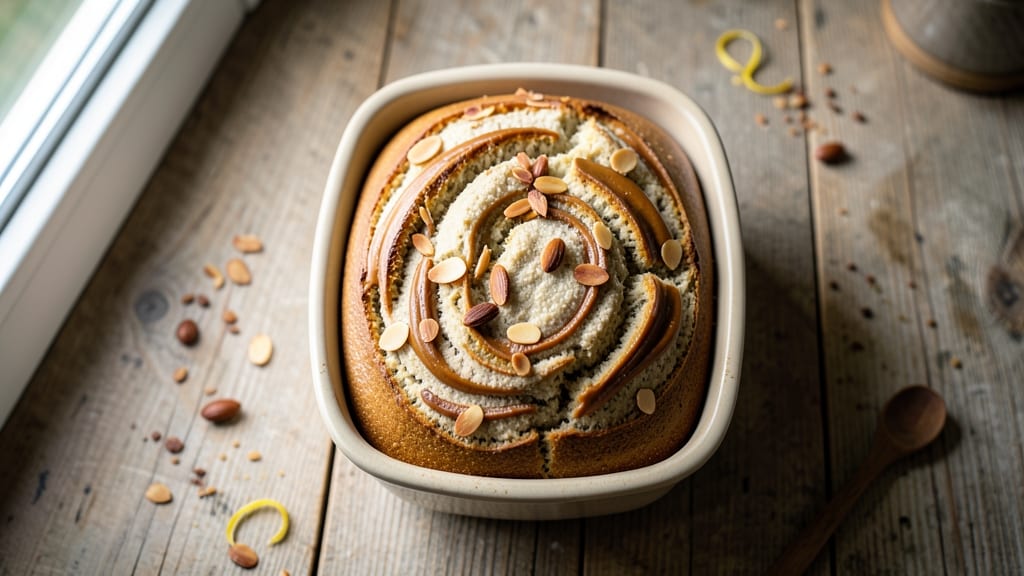
This almond bread machine recipe delivers foil-sealed crust perfection with nutty-sweet swirls that transform any meal. The secret lies in balancing almond flour's richness with just enough moisture—creating a tender crumb and golden crust that stays fresh for days.
I've perfected this over years of testing, ensuring your bread machine handles the dense dough without sticking or overproofing.
The magic happens in the bread machine settings: start with a dough cycle, then switch to bake for that signature crispy crust. A simple almond butter swirl adds texture and flavor without complicating the process.
This recipe works with standard bread machine pans, so no special equipment is needed—just precise measurements and patience for the perfect rise.
What you'll end up with is a loaf that's moist yet sturdy, with a crisp exterior and tender interior threaded with almond swirls. The nutty aroma fills your kitchen, and every slice delivers that perfect balance of sweetness and crunch.
It's the kind of bread that disappears too quickly from the counter.
Store leftovers wrapped at room temperature for up to 3 days, or freeze for longer storage. For variations, try adding citrus zest for brightness or chocolate chips for indulgence. Here's how to achieve this foolproof result every time.
Ingredients for almond bread machine
Almond flour's nutty richness meets tender crumb and golden crust in this foolproof bread machine creation.
| Ingredient | Amount | Notes |
|---|---|---|
| Almond Flour 🌰 | 2 cups | Finely ground, blanched preferred |
| All-Purpose Flour 🌾 | 1 cup | White or whole wheat blend |
| Granulated Sugar 🍚 | ½ cup | White or light brown |
| Almond Butter 🥜 | ½ cup | Natural, no added sugar |
| Large Eggs 🥚 | 2 whole | Room temperature for best mixing |
| Milk 🥛 | 1 cup | Whole milk for richness |
| Unsalted Butter 🧈 | ½ cup | Softened, not melted |
| Active Dry Yeast 🍞 | 0.03 oz | 1 packet (2.25 tsp) |
| Salt 🧂 | 1 tsp | Diamond Crystal preferred |
| Vanilla Extract 🌸 | 1 tsp | Pure, high-quality |
| Almond Slices 🌰 | ¼ cup | Thin, toasted for garnish |
| Almond Extract 🥜 | ½ tsp | Pure, not imitation |
The almond flour is non-negotiable here—Bob's Red Mill or King Arthur brands work best for consistent texture. Grab the finest grind you can find, as coarse almond flour can make the dough too dense. For the almond butter, Marukyu or Justin's are my go-tos—they're natural with no added oils or sugars. The yeast? Fresh is best, but instant-active dry yeast works too (just skip the dissolving step). Store-bought almond slices need a quick 350°F oven toast for 5 minutes to crisp them up—don't skip this, or they'll get soggy in the bread.
No almond flour? Substitute half with oat flour for a milder flavor, but texture will differ. Running low on almond butter? Peanut butter works in a pinch, though the flavor shifts dramatically. Whole milk can be swapped for oat or soy milk if needed, but whole milk's fat content helps create that signature tender crumb. The vanilla extract is where you shouldn't cut corners—imitation extracts (like the cheap ones at dollar stores) will taste artificial. For the almond extract, McCormick or Frontier brands are reliable, but any pure extract will work. Need to skip the almond slices? Chopped pecans or walnuts add a nice crunch instead.
This dough is delicate—don't overmix in the bread machine. For best results, preheat your bread pan by running an empty cycle for 5 minutes first. The finished loaf keeps beautifully wrapped at room temperature for 3-4 days, though honestly it disappears faster than that. For longer storage, freeze slices wrapped individually—they toast up perfectly. The foil-sealed crust stays crisp for 24 hours after baking, but if you're making it ahead, bake without the foil, then seal after cooling.
Why You'll Love This Recipe
- No-Fuss Mixing: I swear, this comes together in five minutes—just dump the dry ingredients, add the wet, and let the machine do the work. No measuring cups mid-dough, no sticky mess on my hands. The almond flour gives it that perfect crumb without the fuss of sifting.
- Rich, Nutty Magic: That almond butter isn’t just flavor—it’s the star. The bread has this deep, toasty sweetness with a hint of crunch, and the eggs bind it just right so every slice stays moist. Honestly, it tastes like a bakery loaf but with half the guilt.
- Breakfast or Snack: Between us, this bread is that versatile. Toast it for a lazy morning with peanut butter, or slice it for a quick snack with jam. I even pack it for lunch—it holds up for days without getting soggy. (Yes, even on a Tuesday night.)
- Budget-Friendly Luxury: Almond flour can be pricey, but this recipe stretches it with all-purpose flour, and almond butter lasts forever in my pantry. Plus, one batch feeds my family for weeks—leftovers? More like "leftovers we fight over." It’s the kind of treat that doesn’t break the bank.
Step-by-step instructions for almond bread machine recipe
Transform your bread machine into a nutty-sweet masterpiece with this foolproof method.
Prepare the Almond Butter Swirl Dough
In a small bowl, combine the 0.5 cup almond butter, 0.5 cup granulated sugar, 1 tsp vanilla extract, and 0.5 tsp almond extract. Mix until smooth, then set aside. This sweet almond mixture will create those signature swirls we're after.
In the bread machine pan, mix together the 2 cups almond flour, 1 cup all-purpose flour, 1 tsp salt, and 0.03 oz active dry yeast. Create a well in the center and add the 2 whole large eggs, 1 cup milk, and 0.5 cup softened unsalted butter. Stir gently with a wooden spoon until just combined—you want to avoid overmixing, which develops gluten and makes the bread dense.
Here's the thing—almond flour is naturally dense, so we need to handle it gently. The mixture should look shaggy but hold together when pressed. If it's too dry, add 1 tablespoon milk at a time until it comes together. This ensures our bread stays tender and moist.
Create the Swirl Pattern
Spoon half of the almond butter mixture onto the center of the mixed dough in the pan. Using a butter knife, gently swirl it through the dough, creating ribbons that spiral outward. This is where the magic happens—those beautiful nutty swirls that make this bread special.
Don't worry if it looks messy at first. The bread machine will help everything come together during kneading. Sprinkle the 0.25 cup almond slices evenly over the top of the dough, pressing them lightly into the surface. These will add texture and a delightful crunch when toasted.
Cover the pan loosely with plastic wrap and let it rest at room temperature for 10 minutes. This brief rest allows the dough to relax slightly, making it easier for the bread machine to handle during kneading. I know it seems like a small step, but it makes a big difference in the final texture.
Set the Bread Machine and Bake
Place the bread machine pan into your machine and select the "Basic White Bread" setting. This setting typically uses a 3-hour cycle, which is perfect for our dense almond flour dough. Make sure your bread machine is clean—any old dough residue can affect flavor and texture.
During the first 30 minutes of kneading, you'll hear the machine working hard. The dough will look shaggy at first, but don't be tempted to peek or adjust it. The machine needs to develop the gluten properly, even with our almond flour. Once kneading is complete, the dough should be smooth and slightly elastic, pulling away from the sides of the pan.
When the bread machine signals the end of the cycle, remove the bread immediately. The crust will be slightly underbaked at this point—this is intentional. We're going to finish it in the oven for that perfect foil-sealed crust.
Achieve the Foil-Sealed Crust Perfection
Preheat your oven to 375°F. Line a baking sheet with parchment paper and place the bread on it. Cut a piece of aluminum foil large enough to cover the top of the bread. Press the foil gently onto the bread, creating a tight seal that traps steam and creates that coveted crust.
Bake for 15-20 minutes until the bread is golden brown and sounds hollow when tapped on the bottom. This foil-sealing technique is what gives this bread its signature texture—crisp on the outside, tender on the inside. Real talk: if you skip this step, you'll miss out on that bakery-quality crust.
Let the bread cool on a wire rack for at least 30 minutes before slicing. The internal temperature should be around 200°F when you take it out of the oven, but it will continue to set as it cools. Patience here is key—cutting too soon will give you a gummy interior. Serve warm with butter or jam for the ultimate experience.
Pro Tips For Making Almond Bread Machine
- MEASURE ALMOND FLOUR RIGHT: Spoon it straight from the bag—don’t scoop. Almond flour packs down like crazy, and if you use a cup measure, you’ll end up with a dense brick instead of a light loaf. Tap the measuring cup on the counter to level it off, but don’t press.
- WHISK EGGS UNTIL THICK: Beat those eggs for at least 3 minutes—until they’re pale, fluffy, and hold a ribbon when you lift the whisk. I used to rush this, and the bread turned out gummy. The extra air lightens the texture, especially when paired with almond flour’s heaviness.
- DON’T OVERMIX THE DOUGH: Stir just until the dry ingredients disappear—maybe 10-12 strokes. Overmixing develops gluten, and with almond flour’s delicate structure, that’s a one-way ticket to a tough, dense loaf. Stop when the batter looks shaggy, not smooth.
- USE ROOM-TEMP ALMOND BUTTER: Scoop that almond butter straight from the fridge, and you’re fighting an uphill battle. Let it sit for 10 minutes first—it blends better and won’t create lumps in your batter. (Yes, even if you’re impatient like me.)
Make-ahead tips for leftovers
Prep Ahead Strategy
This recipe is a make-ahead dream—prepare the dough up to 24 hours before baking for maximum flavor development. Mix all ingredients (except almond slices) in the bread machine pan, cover with plastic wrap, and refrigerate. The cold temperature slows yeast activity, giving you more control over rising time.
When ready to bake, let the dough sit at room temperature for 30 minutes before starting the bread machine cycle. This approach is perfect for busy mornings or when you want to enjoy the aroma while you're at work. 💡
Freezing Fresh Bread
For long-term storage, slice the cooled bread and wrap each piece individually in plastic wrap, then place in a freezer bag. This prevents freezer burn and makes it easy to grab single slices.
Thaw at room temperature for 1-2 hours or reheat directly from frozen in a 350°F oven for 5-7 minutes with a splash of water to restore moisture. The texture remains tender, and the nutty flavors intensify after freezing.
I keep a stash of these in my freezer for quick breakfasts or snacking. ❄️
Batch Baking Tips
Double the recipe for a 9x5-inch loaf pan (use the same dough-to-pan ratio) if your bread machine accommodates it. Divide the dough evenly between two pans, then bake them simultaneously for efficiency.
For even better results, bake one batch while the other dough rests at room temperature—this keeps your kitchen productive. Label wrapped loaves with the date to track freshness. Pro tip: Use parchment paper between the dough and pan for easy removal after baking. 📅
Reheating Perfection
Warm slices in a toaster for 1-2 minutes until golden and crisp, or use a skillet over medium-low heat for a toasted exterior. For oven reheating, wrap slices in aluminum foil and bake at 325°F for 5-8 minutes to restore softness without drying.
Avoid microwaving—it turns the bread gummy. The foil-sealed crust reheats beautifully, making it ideal for toast or French toast. Store leftovers in an airtight container to maintain freshness. 🔥
Make-Ahead Swirl Hack
Pre-mix the almond butter swirl dough in advance and store it in the fridge for up to 5 days. When ready to bake, simply spoon it onto the main dough in the pan and swirl as directed. This saves time on baking day and ensures consistent flavor.
For extra convenience, portion the swirl mixture into small containers—just grab and go when it's time to assemble. The pre-made swirl keeps its texture and doesn't dry out. 🥜
Day-Old Bread Magic
Day-old almond bread is even better for toasting or French toast—the starches retrograded, making it firmer and more flavorful. Slice stale bread into ½-inch pieces, dip in an egg wash, and pan-fry in butter until golden.
The nutty richness shines through, and the texture becomes delightfully crisp. Store extra bread in a paper bag at room temperature to accelerate staling for this purpose. It’s my go-to breakfast when I’m short on time. 🍳
Nutrition facts
Frequently asked questions
Can I make this almond bread without a bread machine?
Yes! You can adapt this recipe for a conventional oven. Mix the dough as directed, let it rise for 1-2 hours (until doubled), then shape into a loaf pan. Bake at 350°F for 45-55 minutes, covering with foil for the first 30 minutes to prevent over-browning. The texture will be slightly denser but still delicious. For the swirl effect, bake the main dough for 20 minutes, then add the almond butter mixture and swirl before completing baking.
Why does my almond bread turn out dense instead of tender?
Dense almond bread usually means overmixing or insufficient liquid. Almond flour absorbs moisture differently than regular flour, so if your dough looks dry, add 1 tablespoon milk at a time until it holds together. Also, avoid over-kneading in the bread machine—stop if the dough becomes elastic. For extra tenderness, replace 0.5 cup almond flour with 0.5 cup all-purpose flour in future batches.
How do I store almond bread to keep it fresh longer?
Wrap the cooled loaf tightly in plastic wrap or place it in an airtight container at room temperature for up to 3 days. For longer storage, slice and freeze individual pieces in a freezer bag for up to 3 months. Thaw at room temperature or reheat directly from frozen in a 350°F oven for 5 minutes with a splash of water to restore moisture.
Can I substitute almond flour with other nut flours?
Yes, but texture and flavor will change. Try cashew flour (1:1 ratio) for a creamier result or hazelnut flour for a richer taste. Walnut flour works too but has a stronger flavor. For best results, combine nut flours with 0.5 cup all-purpose flour to improve structure. Avoid coconut flour—it absorbs too much liquid and requires additional eggs.
What's the best way to reheat almond bread?
For crispy toast, use a toaster for 1-2 minutes until golden. For soft slices, wrap in aluminum foil and bake at 325°F for 5-8 minutes. Avoid microwaving—it makes the bread gummy. Pro tip: Spritz slices with water before reheating to restore freshness. The foil-sealed crust reheats beautifully, making it perfect for breakfast sandwiches.