
Side Dishes
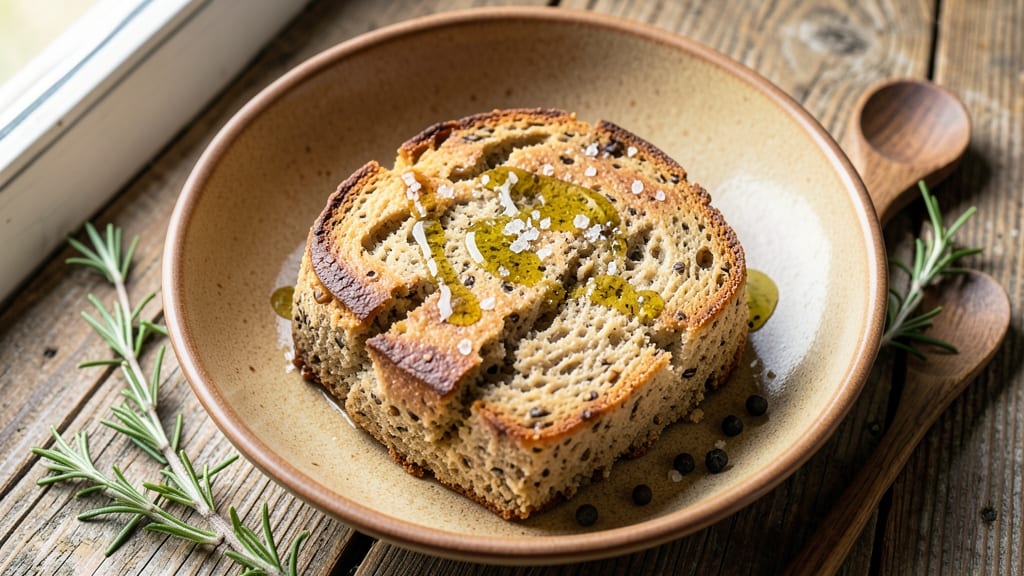
This almond flour and flaxseed bread recipe delivers a gluten-free loaf with nutty crunch and perfect rise—no wheat, no compromise. The combination of almond flour and ground flaxseed creates a surprisingly sturdy, moist crumb that holds its shape beautifully.
I've perfected this recipe after years of testing, ensuring it bakes up light yet dense enough to slice cleanly for sandwiches or toast.
The secret to this bread lies in the proper hydration technique and flaxseed binder, which mimics gluten's elasticity while adding fiber and omega-3s. Unlike many gluten-free loaves that turn out gummy or crumbly, this recipe achieves a crisp exterior with a tender, slightly chewy interior—ideal for those following grain-free or low-carb diets.
The nutty flavor from almond flour pairs perfectly with the earthy notes of flaxseed, creating a bread that's both satisfying and versatile.
What makes this recipe truly stand out is its foolproof method for achieving the right texture without special equipment. With just a few simple ingredients and 30 minutes of active prep, you'll have a loaf that's ready for the oven.
The baking process is where the magic happens—high heat initially for that golden crust, then a gentle reduction to ensure even cooking throughout.
Once baked, this bread stays fresh for days when stored properly, making it perfect for meal prep. Whether you're serving it with avocado toast, using it for sandwiches, or simply enjoying it with butter, the nutty crunch and satisfying texture will impress even those who don't follow gluten-free diets.
Let's get started on making your perfect loaf!
Ingredients for almond flour and flaxseed bread
Nutty crunch meets sturdy rise—just these 11 ingredients transform gluten-free baking forever.
| Ingredient | Amount | Notes |
|---|---|---|
| Almond Flour 🌰 | 2 ½ cups | Blanched, finely ground preferred |
| Ground Flaxseed 🌾 | ½ cup | Freshly ground for best texture |
| Warm Water 💧 | ¾ cup | Not boiling, ~160°F |
| Extra-Virgin Olive Oil 🫒 | ¼ cup | High quality, fruity flavor |
| Apple Cider Vinegar 🍏 | 1 tbsp | For proper rise |
| Salt 🧂 | ½ tsp | Diamond Crystal preferred |
| Baking Powder 🍞 | ½ tsp | Aluminum-free for best flavor |
| Psyllium Husk Powder 🌿 | 1 tbsp | For structural integrity |
| Maple Syrup 🍁 | 2 tbsp | Pure, grade B preferred |
| Vegan Butter 🧈 | 2 tbsp | Melted, full-fat preferred |
| Sesame Seeds 🌻 | 1 tbsp | Toasted for extra crunch |
Almond flour is the star here—Bob's Red Mill or Anthony's Goods are my go-tos for consistent texture. The finely ground version bakes up lighter than coarser grinds, and blanched almond flour has a milder taste. If you're using raw almonds, grind them yourself in a high-speed blender for the best results. Flaxseed needs to be freshly ground—pre-ground loses potency fast. I keep a small coffee grinder just for this purpose, but a mortar and pestle works too. The psyllium husk powder might be tricky to find—check the health food aisle or order online if your grocery store doesn't carry it.
No almond flour? Cashew flour works in a pinch, though the flavor will be sweeter. Short on flaxseed? Chia seeds at double the amount mimic the binder properties, but the texture will be slightly denser. The apple cider vinegar is non-negotiable—it activates the baking powder for that proper rise. White vinegar or lemon juice can substitute if needed. For the maple syrup, agave nectar is a 1:1 swap, but watch the moisture content—you might need to reduce slightly. The vegan butter should be full-fat for that rich mouthfeel; no oil substitutes here. Sesame seeds add crunch, but sunflower seeds or poppy seeds work just as well if you're allergic.
This bread keeps beautifully—3-4 days at room temperature wrapped in a clean kitchen towel, or 5 days in the fridge. For longer storage, slice and freeze portions for up to 3 months. To reheat, wrap slices in foil and warm in a 350°F oven for 5 minutes—restores that fresh-baked crunch. I always make a double batch because it disappears fast. The leftovers? Perfect for avocado toast, garlic butter sandwiches, or toasted with almond butter and banana. Every slice tastes like a victory when you nail that crisp exterior and tender crumb.
Why You'll Love This Recipe
- No-Fuss Mix-In: The flaxseed and almond flour blend is that easy—just toss it all in a bowl, stir, and pour. No kneading, no waiting for dough to rise, no stress. Honestly, I’ve made this while scrolling through my phone.
- Nutty Warmth: That olive oil and apple cider vinegar combo? It gives this bread a subtle tang and richness that’s ridiculously satisfying. The flaxseed adds a gentle earthiness, while the almond flour keeps it light—like a hug in bread form.
- Meal Prep MVP: Slice it, toast it, or pack it for lunch—this bread lasts forever in the fridge. Between us, I’ve had a loaf last me a full week, and it’s still fresh. Perfect for busy mornings or when you forget to buy bread again.
- Budget-Friendly Staple: Almond flour and flaxseed might sound fancy, but they stretch far. A little goes a long way, and you’ll use it in muffins, pancakes, or even as a thickener. My wallet and my pantry thank me for keeping this on hand.
Step-by-step instructions for almond flour and flaxseed bread
Here's how to create a perfectly risen gluten-free loaf with incredible texture and nutty depth.
Mix the Wet Ingredients for Optimal Texture
In a medium bowl, whisk together the 0.75 cup warm water with the 1 tbsp apple cider vinegar until fully combined. This acidic combination is crucial for activating the psyllium husk powder later, which gives our gluten-free bread its structure. The warm water should feel slightly tepid to the touch—around 160°F—to help dissolve the flaxseed properly without cooking it.
Next, add the 2 tbsp maple syrup and 2 tbsp melted vegan butter to the water mixture. Whisk vigorously for 1 minute until the butter is completely emulsified and the syrup is evenly distributed. This step creates a smooth base that will bind all the dry ingredients together. The maple syrup adds subtle sweetness while the butter contributes rich flavor and moisture that almond flour typically lacks.
Combine Dry Ingredients for Perfect Rise
In a separate large bowl, sift together the 2.5 cups almond flour, 0.5 cup ground flaxseed, 0.5 tsp salt, 0.5 tsp baking powder, and 1 tbsp psyllium husk powder. Use a whisk to break up any lumps in the almond flour, which can sometimes form when stored. The psyllium husk powder is particularly important here—it acts as our gluten substitute by forming a gel when hydrated, which gives the bread its rise and chewy texture.
With the mixer on low speed, gradually pour the wet ingredient mixture into the dry ingredients while mixing continuously. Scrape down the sides of the bowl with a spatula to ensure everything is evenly incorporated. Mix for an additional 2 minutes until the dough comes together into a thick, sticky batter. It should be cohesive but still slightly wet to the touch—this indicates proper hydration for our gluten-free loaf. If it feels too dry, add 1-2 teaspoons of warm water; if too wet, sprinkle in 1 tablespoon of almond flour.
Let the Batter Rest for Maximum Flavor Development
Cover the bowl with plastic wrap and let the batter rest at room temperature for 15 minutes. This resting period allows the psyllium husk powder to fully hydrate and begin forming its gel-like structure, which is essential for that perfect gluten-free rise. During this time, the flavors will also meld together more completely, giving your bread a more complex taste profile.
After 15 minutes, gently fold in the 1 tbsp toasted sesame seeds using a rubber spatula. Be careful not to overmix—just distribute them evenly throughout the batter. The sesame seeds will add a delightful crunch and nutty aroma that complements the almond flour beautifully. This is also a good time to preheat your oven to 350°F and prepare your loaf pan by lightly greasing it with extra-virgin olive oil or lining it with parchment paper.
Bake to Golden Perfection with Crispy Edges
Transfer the batter to your prepared loaf pan, spreading it evenly with the back of a spoon. The batter will be quite thick, so don't worry if it doesn't fill the pan completely—it will rise as it bakes. Gently tap the pan on the counter a few times to release any air bubbles that may have formed during mixing.
Bake in the preheated oven for 45-50 minutes, or until the top is golden brown and a toothpick inserted into the center comes out clean. The bread is ready when it develops a beautiful crust and pulls away slightly from the edges of the pan. I know it's tempting to open the oven door early to check, but resist—each time you do, you risk causing the bread to sink. If the top browns too quickly, tent the pan with aluminum foil after 20 minutes to prevent over-browning while allowing the center to cook through.
Cool and Slice for Ideal Texture
Remove the bread from the oven and let it cool in the pan for 10 minutes. This resting period is crucial—it allows the internal structure to set properly and prevents the bread from falling apart when you try to slice it. After 10 minutes, transfer the loaf to a wire rack to cool completely for another 15-20 minutes. The bread will firm up as it cools, making it much easier to handle and slice.
Once fully cooled, use a sharp serrated knife to slice the bread into ¼-inch thick pieces. For the cleanest cuts, dip the knife in hot water and wipe it dry between slices. Each slice should have a tender crumb with a slightly crisp exterior and those beautiful sesame seeds scattered throughout. Serve warm for the best texture, or store in an airtight container at room temperature for up to 3 days. This bread is perfect for toast, sandwiches, or simply enjoyed with a spread of almond butter and fresh fruit!
Pro Tips For Making Almond Flour And Flaxseed Bread
- MEASURE FLAXSEED PRECISELY: I learned this the hard way—using too much ground flaxseed makes the bread dense and gummy. Weigh it out (about 3 tablespoons per cup) instead of eyeballing, and mix it with warm water first to form a gel before adding to the batter.
- LET THE BATTER REST: Skip the urge to rush straight to baking—give the almond flour mixture a solid 10 minutes to hydrate fully. This lets the flax "egg" bind properly and prevents a crumbly texture. (Yes, even if you’re impatient like me.)
- USE A LIGHT HAND WITH OIL: Too much olive oil = greasy bread. Stick to about 2 tablespoons total—just enough to coat the pan and keep things moist without weighing down the loaf. Drizzle it in, then fold gently to distribute.
- BAKE LOW AND SLOW: Almond flour burns faster than regular flour, so crank the oven to 325°F (not 350°F) and bake for 35–40 minutes. If the top browns too quickly, tent it loosely with foil—better to underbake slightly than risk a bitter crust.
Creative variations of this recipe
Sweet Variations
Add 1 tsp cinnamon and ½ tsp vanilla extract to the wet ingredients for a lightly sweetened loaf perfect for French toast. I also fold in ¼ cup chopped dried apricots or raisins for natural sweetness and chewy texture.
For extra richness, replace 1 tbsp maple syrup with 1 tbsp almond butter—it adds protein and a deeper nutty flavor. 🍯
Savory Herb Twist
Swap the sesame seeds for 1 tbsp dried rosemary or thyme and add 1 tsp garlic powder to the dry ingredients. This creates a savory loaf perfect for garlic butter sandwiches or grilled cheese.
For a Mediterranean touch, fold in 2 tbsp chopped sun-dried tomatoes> after the resting period. The herbs complement the almond flour's natural nuttiness beautifully.
Seed & Nut Boost
Increase the flaxseed to ⅔ cup> and add ¼ cup chopped walnuts or pecans for extra crunch and healthy fats. Toast the nuts in a dry pan for 3-4 minutes> until fragrant before folding them in.
This variation adds texture contrast while keeping the bread gluten-free. I love this version with peanut butter and banana for a protein-packed breakfast.
Spiced Chai Version
Infuse the warm water with 1 chai tea bag> (steeped and cooled) before mixing. Add ½ tsp ground cardamom> and ¼ tsp ginger> to the dry ingredients for warm, aromatic notes.
This creates a spiced loaf perfect for toast with almond butter and cinnamon. The chai infusion adds subtle depth that pairs wonderfully with the nutty almond flour.
Everything Bagel Style
Replace sesame seeds with 1 tbsp everything bagel seasoning> (check for gluten-free blends). Add ½ tsp onion powder> and ½ tsp smoked paprika> to the dry ingredients for a savory kick.
This version works perfectly for bagel-style sandwiches or toast with cream cheese and smoked salmon. The seasoning blend adds a complex, herby flavor that elevates the bread.
Nutrition facts
Frequently asked questions
Why does this bread need psyllium husk powder?
Psyllium husk powder is the secret to achieving that perfect gluten-free rise and chewy texture. When mixed with water, it forms a gel-like substance that mimics gluten's elasticity, giving your bread structure and preventing it from crumbling. Without it, your loaf would be much denser and less satisfying. Think of it as the gluten substitute that holds everything together beautifully!
Can I make this bread without a mixer?
This recipe works perfectly with just a whisk or sturdy spoon. The key is to mix the wet and dry ingredients thoroughly until fully combined, then let the psyllium husk powder do its magic during the 15-minute rest. Just be prepared for a slightly more hands-on mixing process—this bread is forgiving as long as you achieve that cohesive, sticky batter consistency.
What if my bread turns out too dense?
Density usually happens when the batter isn't properly hydrated or rested. Next time, make sure your water is 160°F (not boiling) and let the batter rest the full 15 minutes before baking. Also, check that your oven is properly preheated to 350°F—an underheated oven can prevent proper rise. For extra lift, try adding ½ tsp more baking powder to the dry ingredients.
How do I store this bread to keep it fresh?
Wrap the cooled loaf tightly in a clean kitchen towel or beeswax wrap, then place it in an airtight container. This method keeps it fresh for 3-4 days at room temperature. For longer storage, slice and freeze portions for up to 3 months. To reheat, warm slices in a 350°F oven for 5 minutes—it restores that perfect crisp exterior and tender crumb!
Can I substitute coconut flour for almond flour?
Not recommended for this recipe! Coconut flour absorbs much more moisture than almond flour, requiring significant adjustments to liquid ratios. It would drastically alter the texture, making the bread much denser and crumbly. Stick with almond flour for that perfect balance of nutty flavor and tender crumb. If you're avoiding nuts, try cashew flour as a closer alternative (though it has a sweeter taste).