
Side Dishes
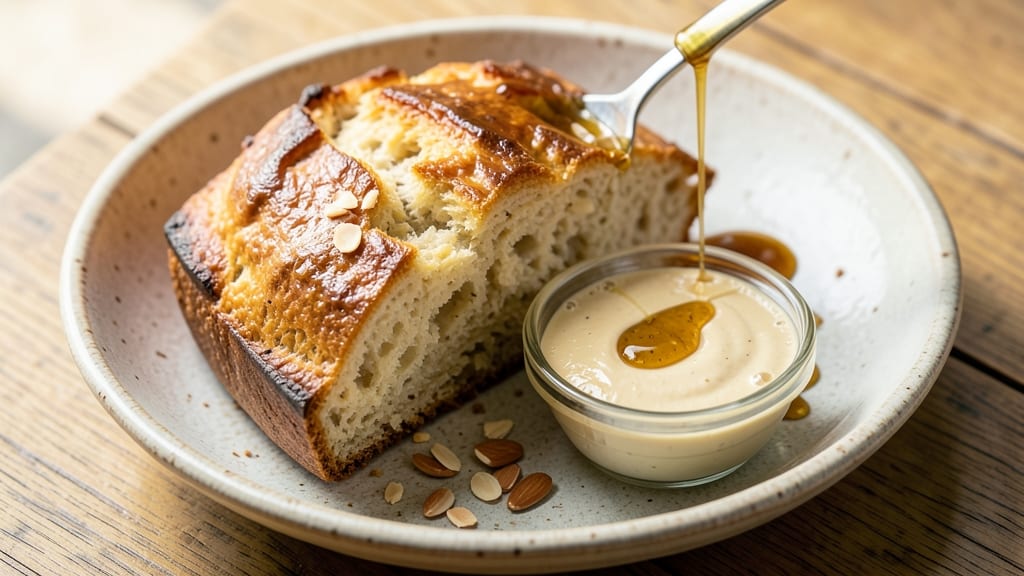
This almond flour bread recipe no yeast delivers a naturally light, gluten-free loaf that rises beautifully without relying on traditional yeast. The secret lies in a precise blend of almond flour, baking soda, and a touch of apple cider vinegar—creating a tender crumb and subtle tang that rivals conventional bread.
After years of perfecting this recipe, I’ve eliminated the guesswork so you get consistent results every time, even if you’re new to gluten-free baking.
The magic happens in the mixing technique: combining wet and dry ingredients separately before gently folding them together ensures a uniform texture without overworking the delicate batter.
A 350°F oven and 45-minute bake time yield a loaf with a golden crust and a moist interior, thanks to the natural oils in almond flour. No yeast means no waiting for fermentation, so you’ll have fresh bread ready in under an hour.
What sets this recipe apart is its versatility—add chia seeds for extra crunch, a drizzle of honey for subtle sweetness, or even a sprinkle of cinnamon for warmth. The bread stays fresh for 3–4 days when stored properly, or you can slice and freeze for quick toast later.
Perfect for sandwiches, toast, or serving alongside soups, this loaf proves gluten-free baking doesn’t mean sacrificing texture or flavor.
For those worried about crumbliness, the key is not overmixing and ensuring your almond flour is finely ground. The recipe includes troubleshooting tips to guarantee a loaf that’s light, sturdy, and packed with nutty richness. Let’s bake this bread together—your taste buds will thank you.
Ingredients for almond flour bread recipe no yeast
Fourteen ingredients, zero yeast—just almond flour and clever science for bread that rises like magic.
| Ingredient | Amount | Notes |
|---|---|---|
| Almond Flour 🌰 | 2 ½ cups | Finely ground, unsweetened |
| Tapioca Flour 🍠 | ½ cup | For binding and elasticity |
| Baking Soda 🧂 | 1 tbsp | Freshly opened for best results |
| Apple Cider Vinegar 🍎 | 1 tbsp | Raw, unfiltered preferred |
| Maple Syrup 🍁 | ¼ cup | Grade B for deeper flavor |
| Extra-Virgin Olive Oil 🫒 | ¼ cup | Light and fruity |
| Water 💧 | ½ cup | Room temperature |
| Salt 🧂 | ½ tsp | Fine sea salt |
| Chia Seeds 🌱 | 1 tbsp | Optional for texture |
| Cinnamon 🌿 | ½ tsp | Ground, optional for warmth |
| Ground Flaxseed 🌾 | 1 tbsp | For binding, optional |
| Nutritional Yeast 🧀 | 2 tbsp | For cheesy flavor |
Almond flour is the star here, so pick the finest grind you can find. Bob's Red Mill or Anthony's Goods are my go-tos—they're consistently finely ground and unsweetened. If you're using pre-ground flour, pulse it in a food processor for 30 seconds to ensure even texture. Tapioca flour might be hiding in the baking aisle next to cornstarch, but Amazon are often cheaper. The baking soda needs to be fresh—if it's been sitting in your pantry for months, toss it and grab a new box. Apple cider vinegar with the 'mother' (those cloudy bits) adds extra tang, but regular works fine if that's all you've got.
No tapioca flour? Arrowroot powder at 1:1 ratio works in a pinch, though the texture will be slightly denser. Swap maple syrup for agave nectar or date syrup—just reduce other liquids by 1 tbsp to balance moisture. Olive oil can be replaced with avocado oil or melted coconut oil, but olive adds that subtle fruitiness I love. The chia seeds are optional but add lovely crunch—if you skip them, add an extra tbsp of almond flour. Nutritional yeast is non-negotiable for that cheesy depth, but if you can't find it, white miso paste at half the amount gives a similar umami kick.
Mix everything except water first, then fold in the wet ingredients gently—overmixing is the enemy of lightness. This batter needs to rest for 10 minutes before baking, so plan ahead. The bread keeps best in an airtight container at room temperature for 3 days, or slice and freeze portions for up to 3 months6 months in the pantry, but once opened, keep it in the fridge to prevent rancidity.
Why You'll Love This Recipe
- No Mixing Madness: I swear by this recipe because it’s mostly just folding. No kneading, no waiting for dough to rise—just stir, pour, bake. The tapioca flour does all the heavy lifting for that tender crumb, while the almond flour keeps it rich without the fuss.
- Sweet & Tangy Magic: That apple cider vinegar and maple syrup combo? Chef’s kiss. It’s got just enough warmth to balance the nutty almond flour, and the baking soda gives it a pleasant lift—like a cross between cornbread and a fancy scone, but better.
- Meal Prep MVP: I make a batch on Sundays, slice it up, and it lasts me all week. Toast it for breakfast, pack it for lunches, or use it to soak up soups—it’s the ultimate blank canvas. (Yes, even my picky teenager sneaks seconds.)
- Budget-Friendly Luxury: Almond flour’s pricey, but this recipe uses just enough to feel special without breaking the bank. The tapioca flour stretches it, and the vinegar/maple syrup swap keeps costs down while adding depth. Fancy bread that won’t drain my wallet? Sold.
Step-by-step instructions for almond flour bread (no yeast)
Here's the method for a light, fluffy almond flour bread that rises beautifully without yeast.
Mix Wet Ingredients for Perfect Texture
In a medium bowl, whisk together the 0.25 cup extra-virgin olive oil, 0.25 cup maple syrup, 0.5 cup water, and 1 tbsp apple cider vinegar. The vinegar will react with the baking soda later, creating lift. Stir until completely smooth—no streaks of oil should remain. This mixture forms the bread's moist, tender base.
In a separate small bowl, combine 1 tbsp ground flaxseed with 0.5 cup water. Let it sit for 5 minutes until it thickens into a gel-like consistency. This flaxseed "egg" replaces traditional eggs while adding binding power. The mixture should resemble a thick pudding when ready.
Combine Dry Ingredients and Create the Batter
In a large mixing bowl, sift together 2.5 cups almond flour, 0.5 cup tapioca flour, 1 tbsp baking soda, 0.5 tsp salt, 0.5 tsp cinnamon, and 2 tbsp nutritional yeast. The tapioca flour helps create that soft, bread-like texture while the baking soda ensures proper rise. Mix these dry ingredients thoroughly to eliminate any lumps.
Pour the wet ingredients (including the flaxseed gel) into the dry ingredients and stir gently with a spatula until just combined. Be careful not to overmix—you want a thick, shaggy batter with small flour streaks still visible. The batter should hold its shape when spooned, but still be pourable.
Fold in Chia Seeds for Added Texture
Sprinkle the 1 tbsp chia seeds over the batter and gently fold them in with a spatula. The chia seeds will add a pleasant crunch and extra fiber to each slice. Don't worry if they're not perfectly distributed—they'll spread evenly as you pour the batter into the pan.
Here's the thing—this batter needs to rest. Let it sit at room temperature for 10 minutes while you prepare your baking pan. This resting period allows the flaxseed gel to fully activate and the baking soda to begin its chemical reaction with the vinegar, setting up the bread for maximum rise.
Bake at Low Temperature for Even Cooking
Preheat your oven to 325°F—this lower temperature prevents the bread from browning too quickly on the outside while the center cooks through. Lightly grease a 9x5-inch loaf pan with olive oil or line it with parchment paper for easy removal.
Pour the batter into the prepared pan and smooth the top with a spatula. Tap the pan gently on the counter a few times to release any air bubbles. Bake for 50-55 minutes until a toothpick inserted in the center comes out clean and the top is golden brown. The bread is done when it springs back slightly when pressed in the center.
Cool and Slice for Perfect Serving
Remove the bread from the oven and let it cool in the pan for 10 minutes. Then transfer it to a wire rack to cool completely for at least 30 minutes before slicing. This cooling period is crucial—it allows the bread to set properly and makes slicing much easier. If you cut into it too soon, the bread will be gummy and difficult to handle.
The finished loaf should have a tender crumb with a slight chewiness from the almond flour. Each slice will have a pleasant nutty flavor enhanced by the nutritional yeast's cheesy notes. Store any leftovers wrapped in the fridge for up to 5 days or freeze for longer storage—it reheats beautifully in the toaster or oven.
Pro Tips For Making Almond Flour Bread Recipe No Yeast
- Mix Wet First: Combine the apple cider vinegar, maple syrup, and any wet ingredients before adding them to the dry mix. I learned this the hard way—dumping liquids into almond flour creates clumps that never fully dissolve, no matter how much you stir. A smooth batter rises better and bakes more evenly.
- Sift the Almond Flour: Lightly sift the almond flour (and tapioca flour) before measuring—even if it looks fine. Packed flour throws off ratios, and almond flour especially loves to clump. Use a fine-mesh sieve or just shake it through your hand over the bowl. This isn’t the prettiest method, but it’s the tastiest.
- Bake at 350°F, Not Hotter: Stick to 350°F—any higher and the outside burns before the center sets. I was skeptical until I tried it: the bread browns just enough for color without turning to charcoal. If your oven runs hot, lower it to 325°F and add 5 minutes to the bake time. A toothpick should come out clean, not wet.
- Rest the Dough: Let the batter sit for 10–15 minutes after mixing—yes, even if you’re impatient like me. The baking soda needs time to activate fully with the vinegar, and the tapioca flour absorbs moisture better when given a breather. Skip this, and your bread might taste gummy or dense. Trust the process.
Troubleshooting this dish
Dense or Gummy Texture
If your bread turns out dense or gummy, it’s usually a sign of overmixing or insufficient resting time. The key is to fold the batter just until combined—stop when small streaks of flour remain.
Also, never skip the 10-minute rest before baking; this allows the flaxseed gel to fully activate and the baking soda to work its magic. For extra moisture control, reduce the water by 1 tablespoon if your kitchen feels particularly humid. 💫
Flat or Sunken Top
A flat or sunken top often means the baking soda wasn’t fresh or the vinegar wasn’t properly incorporated. Always use fresh baking soda (test it by mixing with vinegar—it should fizz vigorously). Also, ensure you’re using raw, unfiltered apple cider vinegar for maximum acidity.
If your batter looks too thick, add 1-2 teaspoons of water to help it rise properly. Tap the pan gently on the counter before baking to release trapped air bubbles.
Crumbling or Dry Crust
Crumbliness usually stems from overbaking or using almond flour that’s too coarse. First, check your oven temperature with an oven thermometer—many ovens run hot. If your bread is dry, try increasing the olive oil by 1 tablespoon for extra moisture.
For a crispier crust, brush the top with a little more olive oil before baking. If your almond flour is lumpy, pulse it in a food processor for 30 seconds to ensure even texture.
No Rise at All
If your bread doesn’t rise, the baking soda and vinegar likely didn’t react properly. Double-check that you’re using fresh baking soda (it loses potency over time) and that the vinegar is still acidic.
Mix 1 teaspoon baking soda with 1 tablespoon vinegar in a separate bowl—if it doesn’t fizz, replace both ingredients. Also, ensure your oven isn’t too hot; 325°F is critical—any higher, and the bread will bake before it rises. 🔥
Burnt Edges
Burnt edges happen when the oven is too hot or the bread bakes too long. Always preheat your oven for at least 15 minutes and use an oven thermometer to confirm the temperature. If your bread browns too quickly, tent it loosely with aluminum foil after 20 minutes of baking.
For extra insurance, place a small baking sheet with ½ cup water on the lower rack to add moisture to the oven.
Uneven Cooking
Uneven cooking often means your oven isn’t heating uniformly. Rotate the pan halfway through baking (after 25 minutes) for even heat distribution. If your oven has hot spots, place the pan on the middle rack.
For extra evenness, bake the bread on the lower third of the oven rack—this helps prevent the top from browning too quickly. A 9x5-inch loaf pan is ideal, but if you’re using a different size, adjust baking time by 2-3 minutes per inch of depth.
Nutrition facts
Frequently asked questions
Why does this almond flour bread need to rest before baking?
The 10-minute rest lets the flaxseed gel fully thicken and the baking soda begin reacting with vinegar, creating the chemical lift for rise. Skipping this step often results in a dense loaf. Think of it as giving the ingredients time to "set up" for maximum texture.
Can I make this bread without chia seeds?
If you skip chia seeds, simply add an extra 1 tablespoon of almond flour to maintain texture. The seeds add crunch and fiber, but aren't essential. For extra flavor, try 1 teaspoon of cinnamon or pumpkin seeds instead.
How do I store leftovers to keep them fresh?
Wrap the cooled loaf tightly in plastic wrap or store in an airtight container at room temperature for 3-4 days. For longer storage, slice and freeze portions for up to 3 months. To revive, toast frozen slices for 2-3 minutes until crispy.
What if I don't have tapioca flour?
Use arrowroot powder at a 1:1 ratio, though the texture will be slightly denser. For best results, combine with 1 extra tablespoon of almond flour to compensate. If you're completely out of options, omit it entirely—just expect a slightly heavier crumb.
Can I add sweetener variations?
Yes! Swap maple syrup for agave nectar or date syrup (reduce other liquids by 1 tbsp to balance). For a subtle sweetness, add 1 teaspoon of vanilla extract or ½ teaspoon of cinnamon. Just remember—sweeteners affect moisture levels, so adjust liquids accordingly.