
Side Dishes
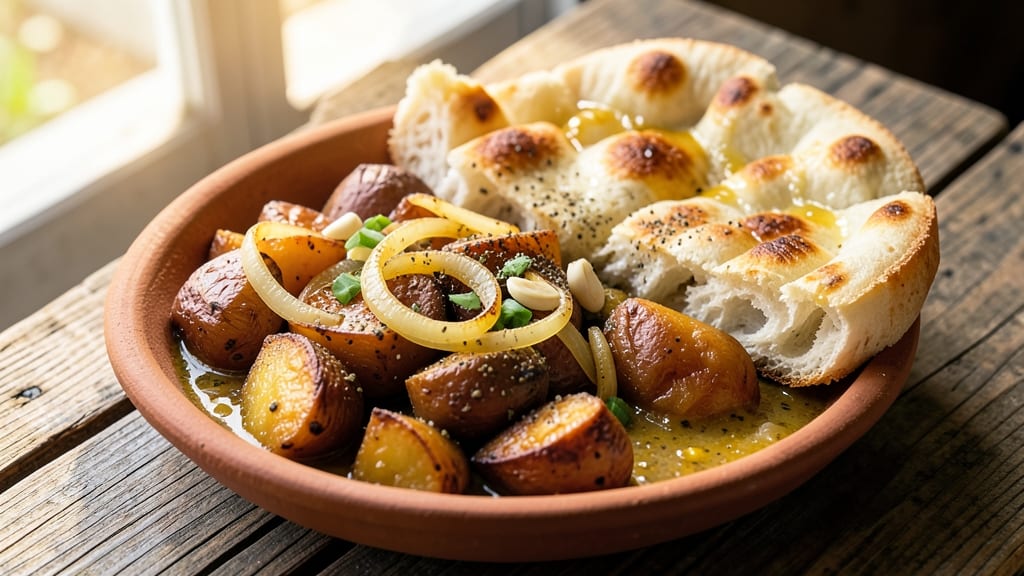
This aloo and bread recipe transforms simple potatoes and dough into a hearty, flavorful meal that's as satisfying as it is easy to make. The secret lies in perfectly spiced potatoes that get folded into pillowy flatbreads, creating a dish that's both comforting and restaurant-worthy.
I've refined this recipe over years of testing, ensuring every bite delivers that perfect balance of crispy edges and tender, spiced centers.
The magic starts with the potato filling—sautéed with onions, garlic, ginger, and a blend of warm spices like cumin, coriander, and turmeric. This aromatic base forms the soul of the dish, while the dough gets rolled out just thin enough to crisp up beautifully when cooked.
The combination of spices and textures makes this more than just a side—it's a complete, protein-rich vegetarian meal.
What you'll end up with is golden-brown aloo parathas or sandwiches, depending on your preference, that are crisp on the outside and fluffy within. The spiced potatoes add heartiness, while the bread provides structure and a satisfying bite.
This recipe is versatile enough for weeknight dinners or weekend brunches, and it scales perfectly for feeding a family or sharing with friends.
Whether you're using traditional tandoor cooking or a stovetop pan, the technique remains the same—simple, foolproof, and packed with flavor. Serve with yogurt, pickled onions, or a side of chutney for the full experience. Let's get cooking!
Ingredients for aloo and bread
Simple potatoes and aromatic spices transform into restaurant-quality aloo parathas or sandwiches.
| Ingredient | Amount | Notes |
|---|---|---|
| Russet Potatoes 🥔 | 3 lb | Medium-sized, peeled and cubed |
| Yellow Onions 🧅 | 1 whole | Medium, finely chopped |
| Fresh Ginger 🌿 | 1 ½ tbsp | Finely grated, aromatic |
| Garlic Cloves 🧄 | 6 cloves | Minced, aromatic |
| Ground Cumin 🌶️ | 1 ½ tsp | Toasted for depth |
| Ground Coriander 🌿 | 1 ½ tsp | Freshly ground preferred |
| Turmeric Powder 🌶️ | ½ tsp | Bright yellow color |
| Garam Masala 🌶️ | 1 tsp | Homemade or quality blend |
| All-Purpose Flour 🌾 | 3 cups | For dough, plus extra |
| Plain Yogurt 🥛 | ½ cup | Unsweetened, room temp |
| Baking Powder 🥄 | 1 tsp | Active, for leavening |
| Salt 🧂 | 1 tsp | Diamond Crystal preferred |
| Ghee or Vegetable Oil 🫒 | ½ cup | For cooking, clarified preferred |
| Fresh Cilantro 🌿 | ¼ cup | Chopped, for garnish |
The potatoes are the heart of this dish, so choose firm, starchy russets—they hold up best to cooking. Whole Foods or local markets often carry the freshest, most flavorful potatoes. For the spices, Penzeys or bulk bins at Indian grocery stores are ideal, but the regular supermarket section works too. Toast your whole spices (cumin, coriander) in a dry pan for 30 seconds before grinding—this deepens their flavor dramatically. Fresh ginger and garlic should smell vibrant, not musty, and organic varieties from the produce section tend to have more punch. The dough requires patience—knead until smooth and elastic, but don't overwork it or the bread will toughen.
No fresh ginger? Substitute with 0.5 tsp ground ginger, but you'll lose some complexity. Running short on garam masala? Mix equal parts cumin, coriander, and cinnamon for a DIY version. For the dough, whole wheat flour at half the amount works if you prefer a nuttier taste. The yogurt should be plain and unsweetened—Fage or Siggi's from the grocery store work perfectly. If you can't find ghee, vegetable oil or coconut oil will do, though ghee adds that authentic richness. For the cilantro, stems are edible and more flavorful, so don't trim them all off.
Store the spiced potato mixture in an airtight container for up to 3 days in the fridge—it actually tastes better the next day as flavors meld. The dough can be refrigerated for 24 hours or frozen for 3 months by wrapping tightly in plastic. For best results, cook the parathas fresh, but reheat leftovers in a skillet with a touch of ghee for 2-3 minutes per side. The spices in this dish keep well, so toast and grind fresh whenever possible—it makes all the difference. Portion the dough into golf-ball sized pieces before rolling to save time during cooking.
Why You'll Love This Recipe
- One-Pot Magic: I swear by this recipe when I’m too tired to wash a million dishes. Russet potatoes and onions go in, get roasted with garlic and cumin until golden—no extra pans, no fuss. That crispy skin and tender inside? All from one sheet pan.
- Spice Bomb Combo: Between us, that fresh ginger and garlic paste is where the flavor actually lives. The cumin? It’s not just a pinch—it’s the secret that makes this dish taste like it simmered for hours, even if it’s ready in 40 minutes. (Yes, even on a Tuesday night.)
- Lunchbox Hero: This is my go-to for packed lunches or quick dinners. The potatoes hold up perfectly—warm or cold—and the bread (if you’re using naan or roti) stays fresh for days. My kids grab it straight from the fridge, no complaints.
- Budget Stretch: A single bag of Russets and a bulb of onions feed my family for days. Add ginger, garlic, and cumin—all pantry staples—and you’ve got a meal that costs less than takeout but tastes way better. Leftovers? They disappear faster than I can reheat them.
Step-by-step instructions for spiced potato and flatbread pairing
Mastering this dish means balancing tender potatoes with perfectly textured flatbread—here's how to nail both.
🍳 Step 1: Cook the Spiced Potato Filling
Heat the 0.5 cup ghee or vegetable oil in a large, heavy-bottomed pot over medium heat. Add the 1 whole yellow onions and sauté for 5-6 minutes until translucent and fragrant. This is your flavor foundation—don't rush it.
Add the 3 lb russet potatoes (previously peeled and cubed) and stir to coat evenly in the oil. Sprinkle with 1.5 tsp ground cumin, 1.5 tsp ground coriander, 0.5 tsp turmeric powder, and 1 tsp salt. Toss gently to distribute the spices, then pour in 1 cup water. Bring to a gentle simmer, cover, and cook for 15-18 minutes until the potatoes are fork-tender but still hold their shape.
Uncover and cook for another 5 minutes to evaporate excess moisture. The potatoes should be soft enough to mash slightly but still retain their structure. Remove from heat and let cool slightly—this prevents the dough from absorbing too much moisture later.
👨🍳 Step 2: Prepare the Flatbread Dough
In a large mixing bowl, combine the 3 cups all-purpose flour, 1 tsp baking powder, and 1 tsp salt. Create a well in the center and pour in the 0.5 cup plain yogurt. Gradually mix with your fingers until a shaggy dough forms—don't overwork it.
Add the 1.5 tbsp finely grated fresh ginger and 6 minced garlic cloves, then knead for 5-7 minutes until smooth and elastic. The dough should be soft but not sticky—if it clings to your hands, add 1 tablespoon flour at a time. Wrap tightly in plastic wrap and let rest for 30 minutes at room temperature. This relaxation period develops gluten for better texture.
🔥 Step 3: Shape and Cook the Flatbreads
Divide the rested dough into 4 equal portions (about 8 oz each). On a lightly floured surface, roll each portion into a 5-inch circle, about ¼-inch thick. Keep the remaining dough covered to prevent drying.
Heat a clean skillet over medium-high heat. Place one flatbread in the pan and cook for 2-3 minutes until bubbles form on the surface and the edges begin to lift. Flip carefully and cook the other side for 1-2 minutes until golden brown spots appear. Transfer to a plate and keep warm in a 200°F oven while cooking the remaining flatbreads.
🥘 Step 4: Assemble and Serve
Return the spiced potatoes to the pot and stir in 1 tsp garam masala. Let cool slightly, then fold in the 0.25 cup chopped fresh cilantro. The mixture should be warm but not hot—this ensures the cilantro retains its vibrant color and freshness.
To serve, place 1 flatbread on each plate and spoon the aloo generously over the top. Garnish with an additional sprinkle of cilantro and serve immediately. The contrast between the soft, spiced potatoes and the slightly crispy flatbread creates the perfect balance of textures and flavors.
Pro Tips For Making Aloo And Bread
- PARBOIL POTATOES FIRST: Russet potatoes hold moisture like fortresses—cut them, and they’ll turn to glue. Drop them in boiling salted water for 5 minutes before frying, then drain and pat thoroughly with a towel. This guarantees crispy edges instead of soggy bread-soaked aloo.
- GINGER-GARLIC PASTE, NOT MINCE: Fresh ginger and garlic lose their punch when minced fine. Use a mortar and pestle (or food processor) to make a thick paste—this distributes flavor evenly and prevents burning. A splash of water helps bind it, but don’t overdo it or the bread will get gummy.
- DON’T OVERMIX THE MASALA: Stirring the spiced potato mixture like a maniac aerates the bread and makes it dense. Gently fold in the cumin, salt, and any other spices—just until the potatoes are lightly coated. Rough texture = better texture in the final dish.
- SAUTÉ ONIONS LOW AND SLOW: Yellow onions caramelize best at 300°F (150°C), not high heat. Cook them until deep golden, not browned—this adds sweetness that cuts through the bread’s richness. If they stick, add a splash of water and scrape the pan; patience here makes the dish.
Make-ahead tips for this recipe
Dough Prep Ahead
Make the flatbread dough the night before to save time—it rests beautifully in the fridge. Wrap the dough tightly in plastic wrap and store for up to 24 hours. When ready to cook, simply bring it to room temperature for 30 minutes before rolling.
I like to portion the dough into 4 equal golf-ball-sized pieces right after kneading, then refrigerate them separately in a sealed container. This way, you can roll and cook just one flatbread at a time without worrying about the rest drying out. 💡
Potato Filling Storage
The spiced potato filling keeps well in the fridge for 3 days in an airtight container. Let it cool completely before storing to prevent condensation. The flavors actually deepen overnight as the spices meld together.
When reheating, warm gently in a skillet with 1 tablespoon ghee over low heat for 5-7 minutes to restore its texture. For freezing, portion the filling into 1-cup servings in silicone molds—this makes it easy to thaw just what you need. 🥔
Flatbread Freezing
Uncooked flatbread dough can be frozen for up to 3 months for ultimate convenience. Shape the dough into balls, place on a tray, and freeze until solid. Transfer to a zip-top bag with parchment paper between layers to prevent sticking.
When ready to cook, thaw in the fridge overnight, then proceed with the recipe as usual. Pro tip: Freeze cooked flatbreads too—they reheat beautifully in a skillet with 1 tablespoon ghee for 2-3 minutes per side. 🧊
Meal Prep Strategy
For a complete make-ahead meal, prepare both the potato filling and flatbread dough the night before. Store them separately in the fridge, then assemble in the morning. Cook the flatbreads fresh for the best texture, but you can reheat any leftovers in a skillet with a touch of ghee.
I often make a double batch of filling and freeze half—this way, I always have a quick vegetarian meal ready. The key is keeping the components separate until serving to maintain texture and flavor. ⏰
Portion Control Tips
Divide the dough into 4 equal portions (about 8 oz each) before freezing or refrigerating. This saves time during cooking and ensures even-sized flatbreads. For the potato filling, portion into 1-cup servings in silicone molds—they pop out cleanly and reheat perfectly.
Store both components in clearly labeled containers with dates. When ready to cook, simply grab what you need and follow the recipe steps. This organized approach makes meal prep feel effortless. 📅
Nutrition facts
Frequently asked questions
Can I use sweet potatoes instead of russet potatoes?
Yes, but with adjustments! Sweet potatoes have more moisture, so you'll need to cook them 5-7 minutes longer until fully tender. Drain any excess liquid after cooking and pat dry with a paper towel before mixing with the dough. The flavor will be slightly sweeter and more vibrant, but the texture will be slightly denser.
How do I make these flatbreads gluten-free?
Replace the all-purpose flour with a 1:1 gluten-free flour blend (like Bob's Red Mill) and add 1 extra tablespoon of xanthan gum to the dough. You may also need to add 2-3 tablespoons extra yogurt since gluten-free flours absorb more liquid. Let the dough rest 45 minutes for better texture. The flatbreads will be slightly denser but still delicious!
Why did my flatbreads tear when cooking?
This usually happens when the dough is too dry or the rolling is uneven. Make sure your dough is soft but not sticky (add 1 tbsp yogurt if needed), and roll it gently into an even circle. Keep the remaining dough covered with a damp towel while working. If tears happen, simply fold the edges inward before cooking—they'll still taste great!
Can I make this as a sandwich instead of parathas?
Use the spiced potato filling as a stuffing for sandwiches. Toast 2 flatbreads until crispy, then spread with yogurt, layer with the potato mixture, and top with another flatbread. Press gently and serve with mint chutney. For extra flavor, add shredded lettuce or pickled onions between layers.
What's the best way to reheat leftovers?
For parathas, warm in a skillet over medium heat with 1 tbsp ghee for 2-3 minutes per side until crispy again. For sandwiches, wrap in foil and heat in a 350°F oven for 10 minutes. Avoid microwaving—it makes the flatbreads soggy. Reheat just before serving for best texture!