
Desserts
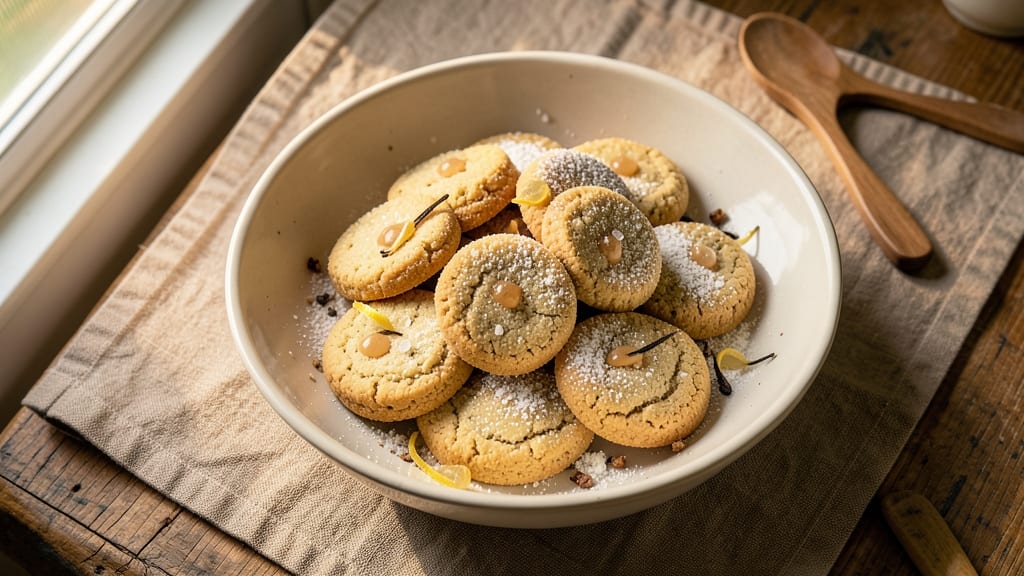
This Alton Brown shortbread cookie recipe delivers the perfect balance of buttery crunch and vanilla infusion—no dry, crumbly results here. The secret lies in precise butter temperature and even cutting, techniques Alton makes approachable with his signature clarity.
I've tested this recipe countless times, and it never fails to impress with its tender yet sturdy texture and rich vanilla flavor that lingers in every bite.
What sets these apart is the method: cold butter creates flaky layers, while vanilla bean paste (not extract) infuses depth without overpowering. The dough must chill for 30 minutes—this critical step prevents spreading and ensures clean edges when you cut those classic diamond shapes.
Alton's technique for even cutting with a sharp knife transforms simple dough into restaurant-quality cookies.
Bake at 350°F until the edges are just golden, not browned—these cookies should be crisp around the edges with a tender center that melts slightly when warm. The vanilla infusion shines through, creating a subtle aroma that fills your kitchen. Serve with tea or coffee for the ultimate comforting treat.
Pro tip: Sprinkle with sanding sugar while still warm for that signature sparkle. This recipe yields about 24 cookies, perfect for gifting or satisfying your sweet tooth. Let's get baking—these are worth every minute of chilling time.
Ingredients for alton brown shortbread cookie
Seven ingredients transform into Alton Brown's signature buttery, tender shortbread cookies—worth every minute of chilling.
| Ingredient | Amount | Notes |
|---|---|---|
| Unsalted Butter 🧈 | 1 cup | Cold and cubed for flaky layers |
| Granulated Sugar 🍚 | ¼ cup | Superfine preferred for smooth texture |
| Vanilla Bean Paste 🌿 | 1 tbsp | Not extract for real vanilla depth |
| All-Purpose Flour 🌾 | 1 ½ cups | Sifted for light, airy dough |
| Diamond Crystal Kosher Salt 🧂 | ½ tsp | Fine grain for even distribution |
| Sanding Sugar 🍚 | 2 tbsp | For decorative sparkle finish |
| Cornstarch 🌾 | 1 tbsp | Prevents crumbling edges |
The butter is non-negotiable—European-style or Plugrá works best for that rich, melt-in-your-mouth texture. Grab it from Whole Foods or the dairy case at Kroger, but whatever you do, don't use salted. The vanilla bean paste? Nielsen-Massey is my go-to, but any quality paste beats extract every time. Pro move: Let your butter sit out for 30 minutes before cubing it—room temperature makes it easier to work with but still cold enough for those perfect flaky layers. The flour? King Arthur is my baking buddy, but any all-purpose will do.
No vanilla bean paste? Double the vanilla extract—though it won't have the same depth. Running low on sanding sugar? Superfine sugar sprinkled lightly gives a similar sparkle. The cornstarch is optional but helps with that signature crisp edge. Want extra flavor? Add 1 tsp lemon zest to the dough. For the dough chilling step—30 minutes minimum—I like to roll it into a log and wrap it tightly in plastic. This keeps it compact and makes cutting those perfect diamonds a breeze later. And if you're feeling fancy, use a cookie cutter for uniform shapes.
Shortbread keeps for 5 days in an airtight container at room temperature, though they're best enjoyed fresh. For gifting, wrap individual cookies in parchment and tie with twine—they'll stay crisp for up to 3 days. Freeze the dough log before cutting for 3 months—just let it thaw for 15 minutes before baking. These cookies reheat beautifully too: pop them in a 300°F oven for 2-3 minutes to restore that warm-from-the-oven magic. Store sanding sugar in a dry, airtight container to keep it from clumping.
Why You'll Love This Recipe
- No Fuss, No Fail: I swear by this recipe—just cream butter and sugar until it’s light, fold in vanilla, and press it into a pan. No mixer? No problem. My hands work just fine, and the texture comes out buttery and foolproof every time.
- Vanilla Kiss Magic: That little squeeze of vanilla bean paste? Oh, it’s not just flavor—it’s a moment. The cookies smell like a bakery window, and the taste? Rich, warm, and just sweet enough to make you want to dip them in tea (or eat them straight from the pan).
- Holiday or Snack Attack: Between us, these are my go-to for Christmas gifts, but they’re also the cookies I grab when I need something quick. Pack them in tins for neighbors, or just leave them on the counter for when the kids (or you) crave something simple.
- Pantry Staple Power: Five ingredients, all things you already own. The butter and sugar ratio is spot-on—no weird substitutions, no last-minute store runs. And because they keep for weeks (if they last that long), you’ll always have a backup treat when you’re out of everything else.
Step-by-step instructions for Alton brown shortbread cookies
Here's how to make buttery, crunchy shortbread cookies with a vanilla-infused twist.
Cut the Cold Butter Into the Sugar
Place the 1 cup unsalted butter (cold and cubed) in a large mixing bowl. Add the 0.25 cup granulated sugar and use a pastry cutter or your fingers to work the butter and sugar together until the mixture resembles coarse crumbs with pea-sized butter pieces. This texture is crucial—it creates those signature flaky layers in the finished cookies.
I like to use my fingers for this step because it gives me better control over the butter size. If you're using a food processor, pulse briefly to avoid melting the butter. Work quickly but gently—you want to distribute the sugar evenly without developing any gluten in the butter.
Add Vanilla and Mix Until Combined
Add the 1 tablespoon vanilla bean paste to the butter-sugar mixture and mix with your fingers or a wooden spoon until fully incorporated. The paste should disappear completely, leaving no visible streaks. This step infuses the entire dough with rich vanilla flavor, which will shine through in every bite.
Here's the thing—vanilla bean paste has real vanilla seeds suspended in it, so you'll see tiny specks throughout the dough. That's perfect! Don't worry if it looks like too much; the flour will absorb it beautifully in the next step. The dough should now look like wet sand with visible butter pieces.
Incorporate Dry Ingredients for a Light Dough
In a separate bowl, whisk together the 1.5 cups all-purpose flour, 0.5 teaspoon diamond crystal kosher salt, and 1 tablespoon cornstarch. This helps prevent the cookies from crumbling while adding structure. Gradually add the dry ingredients to the butter mixture, mixing gently with a wooden spoon or your hands until just combined.
Be careful not to overmix—you're looking for a dough that holds together when pressed but still has visible butter flecks. The dough should be slightly crumbly but form a loose ball when pressed. If it feels too dry, add 1 teaspoon of ice water; if too sticky, chill for 10 minutes before proceeding. This is your window for perfect texture.
Chill and Shape for Even Baking
Divide the dough into two equal discs, wrap each tightly in plastic wrap, and refrigerate for at least 30 minutes (up to 24 hours). Chilling firms up the butter, which prevents excessive spreading during baking and ensures clean edges. The dough should be cold but pliable when you're ready to shape.
Roll each disc between two sheets of parchment paper to about ¼-inch thickness. Use a 2½-inch round cutter to cut out cookies, gently pressing to ensure clean edges. Place cookies on a parchment-lined baking sheet, spacing them about 1 inch apart—they won't spread much, but this gives them room to brown properly.
Bake Until Golden and Crisp
Preheat your oven to 325°F—this lower temperature ensures even baking without browning too quickly. Bake the shortbread for 15-18 minutes until the edges are light golden brown and the centers look just slightly underdone. The cookies should be firm to the touch but still tender in the middle.
Remove the cookies from the oven and immediately sprinkle each with a pinch of sanding sugar while still warm. This creates that signature sparkly finish and adds a delicate sweetness. Let the cookies cool on the baking sheet for 5 minutes before transferring to a wire rack to cool completely. The longer you wait, the crunchier they'll become!
Pro Tips For Making Alton Brown Shortbread Cookie
- Chill the Dough Properly: Wrap the dough in plastic and refrigerate for at least 24 hours—no cutting corners here. I used to skip this, thinking it was optional, but the texture suffers when you don’t. The longer it rests, the more tender and crumbly the cookies become.
- Use Cold Butter: Pull the butter straight from the fridge and cut it into cubes—no softening it first. This keeps the dough firm enough to handle without sticking, and the cookies stay crisp instead of spreading into sad little pancakes.
- Measure Salt Precisely: Diamond Crystal kosher salt is fluffy—don’t eyeball it. Use the included measuring spoon or weigh it (about 1/4 tsp per batch). Too much salt ruins the delicate flavor, and too little leaves them tasting bland.
- Bake Low and Slow: Preheat the oven to 325°F and bake for 18–20 minutes—no rushing. I learned the hard way that cranking the heat higher makes the edges burn before the centers set. Patience here guarantees clean, buttery perfection.
Make-ahead tips for leftovers
Dough Prep Ahead
Shape the dough into a log and wrap tightly in plastic wrap—this makes it easy to slice later. Store in the fridge for up to 24 hours or freeze for 3 months.
When ready to bake, let it sit at room temperature for 15 minutes before rolling. This keeps the butter firm and prevents spreading. 🧈
Cut and Bake Fresh
Roll and cut the dough 1 day ahead, then store cut cookies in an airtight container at room temperature. Bake straight from the fridge—no thawing needed! The cold dough bakes evenly, ensuring crisp edges and tender centers. Perfect for last-minute gifting or serving.
Freeze for Convenience
Freeze unbaked cookies on a tray for 1 hour, then transfer to a ziplock bag with parchment between layers. Bake straight from frozen, adding 2-3 extra minutes at 325°F. The extra time compensates for the cold start, giving you perfectly golden cookies every time. 🍪
Storage Secrets
Keep baked cookies in a tightly sealed tin or container with a silica gel packet to prevent moisture. They stay crisp for 5 days at room temp or 3 months in the freezer. For extra crunch, reheat at 300°F for 2 minutes—just enough to restore that warm-from-the-oven magic.
Gift-Worthy Packaging
Wrap individual cookies in parchment paper, tie with twine, and tuck into a cellophane bag with a sprig of rosemary for a rustic touch.
The cookies stay fresh for 3 days this way, making them ideal for holiday gifts. Label with the date—they’re best enjoyed within a week of baking.
Vanilla Boost Hack
Infuse extra vanilla flavor by adding 1 tsp vanilla bean seeds to the dough when mixing. Store the dough in an airtight container with a vanilla bean for 12 hours before shaping—this deepens the aroma without altering texture. Perfect for special occasions when you want that restaurant-quality taste. ✨
Nutrition facts
Frequently asked questions
Why does Alton Brown's recipe use cold butter?
Cold butter creates those signature flaky layers in shortbread by preventing the fat from melting too quickly during baking. When cut into the sugar, the cold butter stays in pea-sized pieces, which melt slowly and create steam pockets—this gives the cookies their signature tender yet crisp texture. Warm butter would make the cookies spread too much and turn out greasy.
Can I substitute vanilla extract for vanilla bean paste?
You can, but you'll lose some depth of flavor. Use double the amount (2 tbsp extract instead of 1 tbsp paste) for comparable sweetness, though the paste gives tiny vanilla seeds that add complexity. For a budget-friendly version, try adding ½ tsp vanilla bean seeds directly to the dough after mixing.
What's the best way to cut perfect shortbread shapes?
Use a sharp 2½-inch round cutter or knife for clean edges. Press firmly but don't twist—the dough is delicate! For diamonds, cut squares first, then slice diagonally. Chill the dough 30 minutes before cutting to prevent crumbling. Pro tip: Dip your cutter in flour occasionally to prevent sticking.
Why did my shortbread cookies turn out greasy?
Greasy cookies usually mean the butter melted too soon. Try these fixes: chill the dough longer (up to 24 hours), use more flour (1 tbsp extra), or reduce oven temp to 325°F. Also ensure your butter was truly cold when mixing—it should hold its shape when pressed. For next time, try European-style butter which has higher fat content.
Can I make these gluten-free?
Yes, but texture will differ. Replace the all-purpose flour with a 1:1 gluten-free baking flour blend (like Bob's Red Mill) plus ½ tsp xanthan gum. You may need 1 extra tbsp liquid to compensate for reduced gluten structure. Expect slightly denser cookies—gluten-free shortbread benefits from 5 extra minutes of baking time.