
Side Dishes
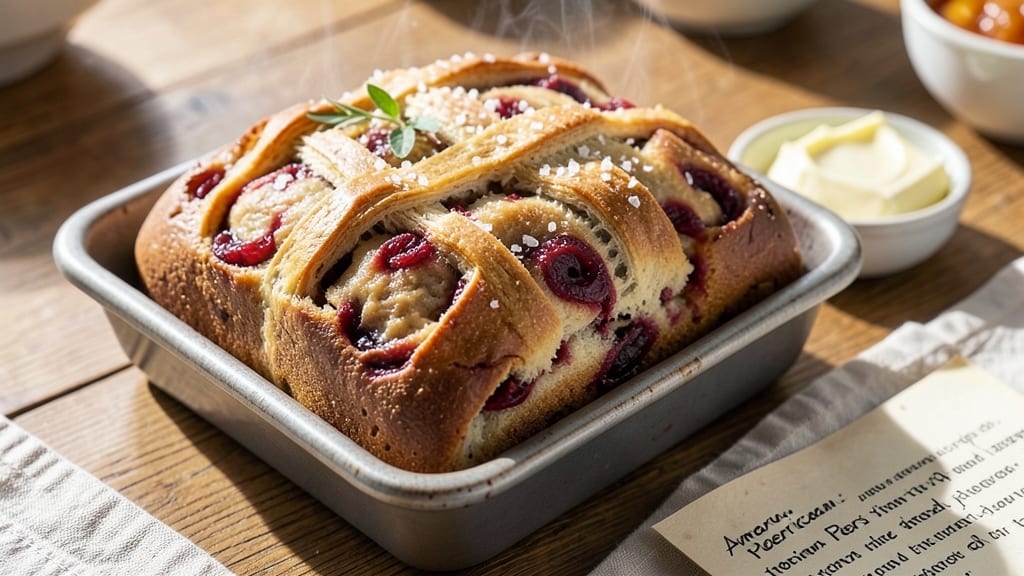
This American persimmon bread recipe captures the soul of autumn in every moist, spiced slice—where tender fruit and warm cinnamon create a harmony that feels like coming home. 💛 The secret lies in balancing ripe persimmons (fresh or dried) with classic bread spices, resulting in a texture that's both tender and slightly dense, perfect for slicing thick or serving as a showstopping side.
What sets this recipe apart is its versatility—whether you prefer sweet persimmon puree for a classic loaf or dried fruit for a chewier texture, the method remains simple yet professional.
The dough comes together in under 15 minutes, and baking at 350°F ensures a golden crust while keeping the interior rich and fragrant. No fancy equipment is needed, just patience for the flavors to meld during baking.
By the time it emerges from the oven, you'll have a loaf that smells like nostalgia—warm spices, caramelized fruit, and a hint of vanilla. Each slice reveals layers of flavor: the natural sweetness of persimmons, the warmth of cinnamon and nutmeg, and a subtle buttery richness that makes it irresistible.
Serve it warm with butter or a drizzle of honey for the full experience.
This recipe works equally well as a holiday centerpiece or a cozy weeknight treat. For a modern twist, try adding chopped pecans or swapping in gluten-free flour.
The possibilities are endless, but the foundation remains the same: simple ingredients, professional results, and a bread that feels like a hug in every bite.
Ingredients for american persimmon bread
Fresh persimmons and classic pantry staples come together for a bread that tastes like autumn in every slice.
| Ingredient | Amount | Notes |
|---|---|---|
| Ripe Persimmons 🍠 | 2 cups | Fresh or dried, pureed or chopped |
| All-Purpose Flour 🌾 | 4 cups | Sifted for light texture |
| Granulated Sugar 🍚 | 1 ½ cups | Light brown sugar for depth |
| Unsalted Butter 🧈 | 1 cup | Softened, room temperature |
| Large Eggs 🥚 | 2 whole | Room temperature for even mixing |
| Vanilla Extract 🌸 | 2 tsp | Pure almond extract optional |
| Ground Cinnamon 🌶️ | 2 tsp | Freshly ground preferred |
| Ground Nutmeg 🌿 | ½ tsp | Freshly grated for warmth |
| Salt 🧂 | 1 tsp | Diamond Crystal preferred |
| Baking Soda 💧 | 1 tsp | Freshly opened for lift |
| Milk 🥛 | 1 cup | Whole milk for richness |
| Pecans (optional) 🌰 | 1 cup | Chopped, toasted for crunch |
Persimmons are the heart of this recipe—Fuyu variety works best when ripe (slightly soft to the touch). Trader Joe's and Whole Foods often carry them in fall, but local farmers' markets are the gold standard. If using dried persimmons, soak them first for 15 minutes to rehydrate. The flour should be King Arthur or Gold Medal for the best rise. For a gluten-free version, swap in a 1:1 gluten-free blend, but expect a denser texture. The butter? Plugrá or Land O'Lakes work perfectly—just make sure it's unsalted to control the seasoning.
No fresh persimmons? Substitute 1.5 cups of apple or pumpkin puree for a similar texture, though the flavor will shift slightly. Swapping pecans? Walnuts or candied ginger add different textures without overpowering. The vanilla extract can be replaced with 1 tsp vanilla bean paste for extra richness. For a spicier kick, add 0.25 tsp cayenne pepper alongside the cinnamon. If your recipe calls for milk but you're avoiding dairy, oat or almond milk works just fine—just add 1 tbsp extra flour to balance the moisture.
The dough keeps for 2 days in the fridge, covered tightly, but it's best baked fresh. For make-ahead convenience, shape the loaf and freeze it unbaked—thaw overnight before baking. Once baked, the bread stays fresh for 3-4 days at room temperature, wrapped in foil. For longer storage, slice and freeze individual portions—reheat in a 350°F oven for 5-7 minutes until warmed through. The aroma alone will have everyone gathering around the kitchen.
Why You'll Love This Recipe
- I’ll be real: persimmons are cheap when they’re ripe, and this recipe uses just one cup of them. The rest is pantry basics—flour, sugar, butter—so you’re not breaking the bank for a crowd-pleaser that actually lasts. (My kids fight over the leftovers.)
- No Peel Required: Honestly, ripe persimmons just melt when mashed—no peeling, no seedy hassle. I just scoop the flesh straight from the skin, mix it with butter and sugar, and let the dough do the work. That’s it.
- Sweet-Spiced Magic: Between us, the caramelized sugar and warm cinnamon in this bread? It’s like autumn wrapped in a loaf. The persimmons add a honeyed depth that makes plain old sugar feel like a cheat code.
- Breakfast to Dessert: Here’s what sold me—this bread is morning toast one day, after-dinner treat the next. Toast it with butter for a quick breakfast, or serve it cold with tea when company drops by. No guilt, no rules.
Step-by-step instructions for American persimmon bread
Follow these precise steps to create a moist, spiced loaf with perfect persimmon flavor infusion.
👨🍳 Step 1: Prepare the Persimmon Puree
Start by peeling the ripe persimmons and cutting them into chunks. For best results, I use a food processor to puree them until completely smooth—no visible chunks should remain. The puree should yield about 2 cups total. If using dried persimmons, soak them first and blend until smooth.
Taste the puree and adjust sweetness if needed—persimmons vary in natural sweetness. You want a balance that complements the spice blend. Transfer the puree to a medium bowl and set aside. This step ensures even distribution of fruit flavor throughout the bread without altering the texture.
🍳 Step 2: Cream Butter and Sugar
In a large mixing bowl, combine the softened unsalted butter and granulated sugar. Using an electric mixer on medium speed, beat for 3-4 minutes until light and fluffy. You'll see the mixture nearly double in volume and become pale in color. This creaming process incorporates air, which creates that tender crumb we're after.
The butter should be at room temperature but not melted—press your finger into it and it should leave a slight indentation. If it's too soft, chill the bowl for 10 minutes before proceeding. This step is crucial for achieving the right texture in your persimmon bread.
👨🍳 Step 3: Add Eggs and Wet Ingredients
Add the whole eggs one at a time, mixing well after each addition until fully incorporated. Then stir in the vanilla extract, persimmon puree, milk, and any optional chopped pecans. Mix on low speed just until combined—overmixing develops gluten and makes the bread dense. The batter should be thick but pourable.
In a separate bowl, whisk together the sifted all-purpose flour, baking soda, salt, ground cinnamon, and ground nutmeg. Gradually add the dry ingredients to the wet mixture, mixing on low speed just until combined. The flour should be fully incorporated but still see some streaks remaining. This ensures we don't develop too much gluten.
🥘 Step 4: Bake to Golden Perfection
Preheat your oven to 350°F and grease a 9x5-inch loaf pan thoroughly with butter or nonstick spray. Pour the batter into the prepared pan and smooth the top with a spatula. For extra flavor, I sprinkle additional ground cinnamon and nutmeg on top, then lightly press in any optional pecans.
Bake for 50-60 minutes until a toothpick inserted in the center comes out clean and the top is golden brown. The bread is done when it springs back slightly when pressed in the center. If the top browns too quickly, tent with foil after 30 minutes to prevent over-browning while ensuring even cooking.
⏰ Step 5: Cool and Serve
Remove the bread from the oven and let it cool in the pan for 10 minutes before transferring to a wire rack to cool completely. This resting period allows the bread to set properly and prevents it from becoming gummy. The internal temperature should drop to about 100°F before slicing.
For best results, serve the persimmon bread at room temperature. The warm spices and sweet persimmon flavor will be at their peak. Each slice should be moist with a tender crumb and just the right amount of spice. Store any leftovers wrapped tightly at room temperature for up to 3 days or freeze for longer storage.
Pro Tips For Making American Persimmon Bread
- USE COLD BUTTER: Mix the softened butter with the sugar and eggs first—this keeps the dough from getting too warm too fast. I learned this the hard way when my first batch turned out dense because the butter melted into a sticky mess before I could even fold in the flour.
- MASH PERSIMMONS WELL: No chunks. Use a fork to crush them into a smooth purée—this ensures even distribution in the batter. I used to just chop them roughly, and half the time I’d end up with a weird texture where you could still bite into a little fruit pocket.
- MEASURE FLOUR RIGHT: Spoon it into the cup, then level it off with a knife—don’t scoop directly from the bag. Packing flour too tightly makes the bread dry, and scooping adds air, which throws off the ratio. (Yes, I’ve done both. Don’t ask how many loaves I threw out.)
- BAKE UNTIL GOLDEN: Check for doneness at 345°F—if the top is still pale, tent it with foil for 5 more minutes. I used to pull it out too soon because it looked done, only to have it turn gummy later. The crust should be firm enough to resist gentle pressure.
Make-ahead tips for this dish
Dough Prep Ahead
Shape the dough into a loaf and wrap it tightly in plastic wrap or beeswax food wrap. Store it in the refrigerator for up to 2 days—this allows the flavors to meld even more deeply.
When ready to bake, simply remove it from the fridge and let it sit at room temperature for 30 minutes before baking. This step is perfect for busy mornings or when you want to bake fresh bread without morning prep. 🌟
Freeze Unbaked Loaf
For ultimate convenience, shape the dough into a loaf pan and freeze it unbaked in a ziplock freezer bag or airtight container. When you're ready to bake, thaw it overnight in the fridge, then bake as directed.
This method works especially well for holiday baking—just pull it out when guests arrive, and you'll have warm, homemade bread ready in minutes. 💫
Slice and Freeze
Bake the bread as usual, then let it cool completely. Slice it into ½-inch thick portions and wrap each slice tightly in parchment paper, then place them in a freezer bag.
These individual portions reheat beautifully in a 350°F oven for 5-7 minutes or in the microwave for 20-30 seconds. Perfect for quick breakfasts or after-school snacks! ✨
Make-Ahead Puree
Prepare the persimmon puree up to 3 days ahead and store it in an airtight container in the refrigerator. This saves time on baking day and ensures you're always ready to mix up a batch of dough.
Just give it a quick stir before using—it might thicken slightly, but adding a splash of milk will restore the right consistency. 🍠
Spice Infusion Trick
For an extra flavor boost, mix the ground cinnamon and nutmeg directly into the persimmon puree before adding it to the wet ingredients. This creates a spiced puree that infuses the entire loaf with warmth.
Store this infused puree in the fridge for up to 2 days—it's a game-changer for deep, cohesive flavor in every bite. 🌶️
Holiday Prep Kit
Assemble all your ingredients in advance and store them in small containers labeled by use (dry ingredients, wet ingredients, spices). Keep the persimmon puree in one container, the dry mix in another, and the butter/eggs in a third.
When baking day arrives, simply combine everything—no measuring stress! This is especially helpful for holiday gatherings where you want to focus on hosting, not cooking. 💛
Nutrition facts
Frequently asked questions
What's the best persimmon variety for this bread?
Use Fuyu persimmons—they're the most common and ripen when firm to the touch with a slight give. Avoid Hachiya (the astringent type) unless you're sure they're fully ripe. For dried persimmons, brands like Navarro or Sun-Maid work well when rehydrated first.
Can I substitute persimmons with other fruit?
Yes! For a similar texture, try 1.5 cups of pumpkin or apple puree. For a different flavor profile, swap in mashed banana or pear, but reduce the sugar slightly since these fruits are naturally sweeter. The spice blend will still shine through.
Why did my bread turn out dense?
Overmixing develops gluten, making the bread tough. Mix just until combined and avoid creaming the butter too long. Also check your baking soda—old leavening agents lose potency. For extra moisture, brush the top with melted butter before baking to encourage browning without drying.
How do I know when the bread is fully baked?
Insert a toothpick into the center—it should come out clean or with just a few moist crumbs. The internal temperature should reach 200°F. Tap the top gently: if it springs back slightly, it's done. For a darker crust, bake 5-10 minutes longer with foil removed.
Can I make this gluten-free?
Use a 1:1 gluten-free flour blend (like Bob's Red Mill) plus ½ tsp xanthan gum per cup of flour. The texture will be slightly denser, so add 1 extra tablespoon of milk to compensate. Let the dough rest 15 minutes before baking for better rise.