
Side Dishes
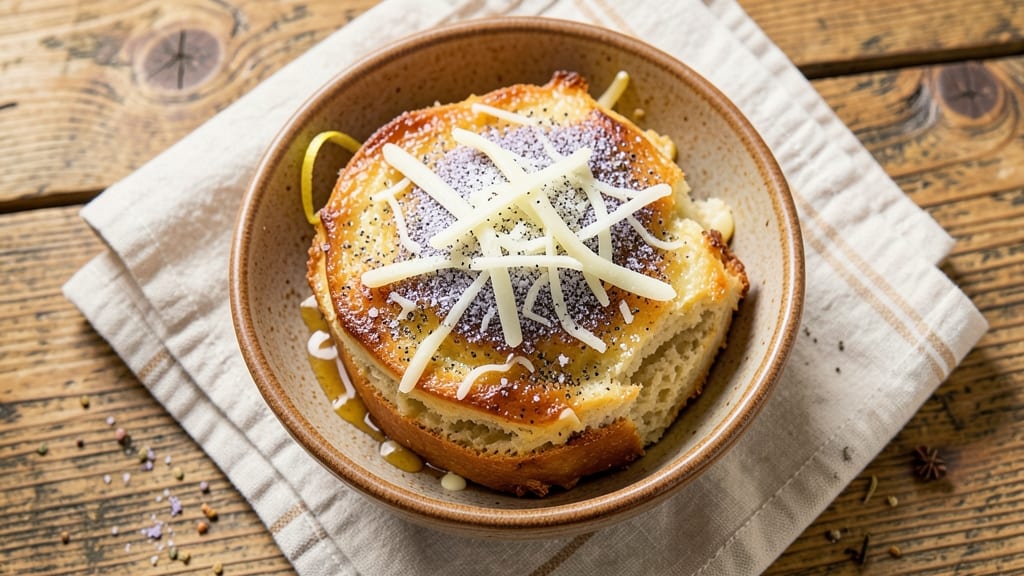
The America's Test Kitchen Brazilian cheese bread delivers pull-apart perfection with its signature chewy texture and golden crust. This recipe transforms simple ingredients—tapioca flour, melted cheese, and eggs—into a crowd-pleasing side that rivals any bakery.
The secret lies in the dough's elasticity, achieved through precise mixing and shaping techniques that ensure every bite is tender yet springy.
What sets this version apart is the za'atar-infused crust, adding a Middle Eastern twist to the classic Brazilian treat. Unlike traditional recipes that rely solely on butter or oil, this method incorporates za'atar for a nutty, aromatic depth that pairs beautifully with the cheesy interior.
The dough requires no yeast, making it quick to prepare—ideal for weeknight dinners or holiday gatherings.
By the time it emerges from the oven, you'll have a loaf with crispy, golden edges and a soft, pillowy center that practically melts in your mouth. The za'atar crust adds a subtle crunch and earthy flavor, elevating this dish from ordinary to extraordinary.
Whether served warm with soup or as a standalone appetizer, it’s guaranteed to disappear faster than you can say "pão de queijo."
For best results, use a steamer basket or oven-safe dish to create that signature pull-apart texture. The recipe scales effortlessly, so double the batch for parties—just be prepared to share (or hide the leftovers). Let’s get baking!
Ingredients for america's test kitchen brazilian cheese bread
Twelve ingredients transform into a golden, pull-apart masterpiece with Middle Eastern flair.
| Ingredient | Amount | Notes |
|---|---|---|
| Tapioca Flour 🌾 | 2 cups | Fine grind preferred for elasticity |
| Shredded Mozzarella Cheese 🧀 | 1 ½ cups | Part-skim or whole milk preferred |
| Large Eggs 🥚 | 2 whole | Room temperature for even mixing |
| Unsalted Butter 🧈 | 1 tbsp | Cold for proper dough texture |
| Za'atar Seasoning 🌿 | 1 tbsp | Middle Eastern blend with sesame |
| Granulated Sugar 🍚 | 1 tbsp | Balances za'atar's earthiness |
| Diamond Crystal Kosher Salt 🧂 | ½ tsp | Fine grain for even distribution |
| Milk 🥛 | ¼ cup | Warm for better cheese melting |
| Sesame Seeds 🌰 | 1 tbsp | Toasted for enhanced flavor |
| Olive Oil 🫒 | 1 tsp | Light variety for brushing |
| Garlic Powder 🧄 | ½ tsp | Enhances za'atar's complexity |
| Baking Powder 🍞 | ¼ tsp | Ensures proper rise |
The tapioca flour is non-negotiable—it provides the signature chewy texture that sets Brazilian cheese bread apart. Bob's Red Mill or Anthony's Goods brands deliver the finest grind for optimal elasticity. For the cheese, whole milk mozzarella melts more luxuriously than part-skim, though part-skim works well for a lighter option. The za'atar seasoning should contain sesame seeds and sumac for authentic flavor; Burlap & Barrel or Mezzeh brands are excellent choices. Toast your sesame seeds in a dry pan for 30 seconds before adding to deepen their flavor profile.
No za'atar? Create your own blend with 1 tbsp sesame seeds, 1 tsp sumac, and 1 tsp dried thyme—it’s a game-changer. Substitute the olive oil brush with melted butter for richer flavor, though it may darken the crust slightly. For a dairy-free option, use vegan mozzarella shreds and ensure your tapioca flour is certified gluten-free if needed. The baking powder must be fresh—test by mixing 1 tsp with water; if it fizzes vigorously, it’s still potent. Pre-shredded cheese contains anti-caking agents that prevent proper melting, so grate your own using a box grater for the best texture.
Store any leftovers in an airtight container for 2-3 days at room temperature, though this bread is best enjoyed fresh. For make-ahead convenience, shape the dough into balls, cover with plastic wrap, and refrigerate for up to 24 hours before baking. The za'atar-infused crust can be brushed with an extra light coat of olive oil before baking for enhanced crispiness. Freeze unbaked dough balls for up to 1 month—simply thaw and bake as directed. Reheat in a 350°F oven for 5 minutes to restore its pillowy texture.
Why You'll Love This Recipe
- No-Fuss Mixing: I swear by this recipe’s lazy genius: just whisk eggs, fold in tapioca flour, and stir in cheese—no kneading, no waiting for dough to rise. The butter and za’atar blend in like magic while it bakes, and honestly? That’s half the battle won.
- Melty Za’atar Magic: The moment you pull it from the oven, the mozzarella stretches into golden strings while the za’atar adds this perfect tangy, nutty crunch. It’s like a cheesy, herby hug in bread form—no fancy ingredients, just pure, addictive flavor.
- Weeknight Crowd-Pleaser: Between us, this is my go-to when I need to feed a house full of people who’ll eat anything. It reheats beautifully for lunch or gets tossed into salads cold. My kids grab it straight from the pan—no complaints, just seconds.
- Budget-Friendly Leftovers: A single batch stretches for days: toast it for breakfast, pack it for work, or freeze slices for lazy mornings. The tapioca flour keeps it light, the cheese makes it feel indulgent, and the butter? Well, that’s the secret weapon that makes it taste like you slaved over it.
Step-by-step instructions for Brazilian cheese bread with za'atar crust
Here's the method that delivers the perfect pull-apart texture and aromatic za'atar crust every time.
Combine Dry Ingredients for Optimal Texture
In a large mixing bowl, whisk together the 2 cups tapioca flour, 0.5 tsp Diamond Crystal kosher salt, 0.5 tsp garlic powder, and 0.25 tsp baking powder. This combination creates the ideal structure for that signature chewy-yet-airy texture. Sift the mixture lightly to aerate the flour and prevent clumping—this ensures even distribution throughout the dough.
Next, add the 1 tbsp za'atar seasoning and 1 tbsp granulated sugar to the dry ingredients. The za'atar brings Middle Eastern warmth while the sugar balances its earthy notes. Mix these thoroughly with a whisk or fork so every particle of flour gets coated. This step is crucial for developing the distinctive crust flavor that sets this recipe apart from traditional versions.
Incorporate Wet Ingredients for Smooth Dough
Create a well in the center of the dry ingredients and add the 2 whole large eggs at room temperature. The eggs should be at room temperature for even incorporation and proper binding. Using a silicone spatula, gently fold the eggs into the flour mixture, mixing just until combined—you'll see small streaks of flour remain. Overmixing develops gluten, which would make the bread dense rather than tender.
In a separate small bowl, melt the 1 tbsp unsalted butter and warm the 0.25 cup milk until just steaming (about 30 seconds in the microwave). Pour this warm butter-milk mixture into the dough along with the 1 tsp olive oil. Mix gently until the dough comes together into a soft, pliable mass. The dough should be slightly sticky but not wet—if it's too dry, add 1 teaspoon milk at a time until it reaches the proper consistency.
Fold in Cheese and Prepare for Baking
Using your hands, gently fold in the 1.5 cups shredded mozzarella cheese until evenly distributed throughout the dough. Be careful not to overwork the dough at this stage—just enough to incorporate the cheese without developing gluten. The cheese should be evenly dispersed, with no large clumps remaining. This step ensures each bite delivers that perfect melty cheese experience.
Transfer the dough to a lightly oiled bowl, cover with plastic wrap, and refrigerate for at least 30 minutes (up to 2 hours). This chilling period allows the gluten to relax and the flavors to meld. While it chills, preheat your oven to 375°F and position a rack in the lower third of the oven. This lower position creates the ideal environment for browning the crust while keeping the interior tender.
Shape and Bake to Golden Perfection
Remove the dough from the refrigerator and turn it out onto a lightly floured surface. Gently shape it into a 12-inch round (about 1-inch thick). For the za'atar crust, brush the top generously with 1 tsp olive oil and sprinkle evenly with the 1 tbsp sesame seeds. Press the seeds lightly into the surface so they adhere well during baking.
Transfer the shaped dough to a parchment-lined baking sheet and bake for 25-30 minutes until the top is deep golden brown and the internal temperature reaches 190°F. The bread should be puffed and slightly domed in the center, with a crisp crust that gives way to tender, chewy interior. For best results, use an oven thermometer to ensure accurate temperature—home ovens can vary significantly.
Rest and Serve for Maximum Enjoyment
Remove the bread from the oven and let it cool on the baking sheet for 5 minutes before transferring to a wire rack. This brief cooling period allows the internal structure to set slightly, making it easier to handle. The bread should be warm but not hot when you serve it—this ensures the cheese remains creamy rather than stringy.
For serving, cut the bread into wedges and pull apart gently to reveal the melty cheese pockets. The za'atar crust should be fragrant and slightly crisp, while the interior remains soft and chewy. Serve immediately with your favorite dipping sauce or alongside a warm soup for the ultimate comfort experience. The bread continues to develop its best texture and flavor during the first 10 minutes after baking, so don't wait too long to enjoy it!
Pro Tips For Making America'S Test Kitchen Brazilian Cheese Bread
- STIR THE DOUGH JUST UNTIL COMBINED: I learned this the hard way—overmixing the tapioca batter turns it gummy. Once you fold in the cheese and egg, stop as soon as the dry bits disappear. The dough should look shaggy, not smooth, or you’ll end up with a dense, chewy loaf instead of that signature pillowy texture.
- USE ROOM-TEMPERATURE BUTTER (AND EGG): Cold butter creates lumps that don’t melt evenly, and cold eggs won’t blend properly. Let both sit out for 30 minutes before mixing—yes, even if you’re impatient like me. The dough will come together faster, and the cheese will melt into silky strands instead of clumping.
- PRESS THE DOUGH INTO THE PAN FIRMLY: This isn’t the time to be gentle. Pack the dough into the greased pan with the back of a spoon or wet hands, pressing until it’s about 1 inch thick. If you leave gaps, the bread will puff unevenly and tear when you try to slice it—no one wants a sad, lopsided loaf.
- LET THE BREAD REST 10 MINUTES BEFORE SLICING: I know, you’re starving. But cutting into it too soon makes the cheese ooze out like a molten mess. Tent it with foil for 10 minutes—just long enough for the center to set slightly. The slices will hold their shape, and the crust won’t turn into a cheese soup. Trust the process.
Regional styles of america's test kitchen brazilian cheese bread
Classic Brazilian Style
The traditional pão de queijo from Minas Gerais focuses on simplicity: tapioca flour, cheese, and eggs create a chewy, melt-in-your-mouth texture. Authentic versions often use queijo minas (a semi-hard Brazilian cheese), but whole milk mozzarella works perfectly as a substitute.
The key technique is shaping the dough into small, round balls—about 1.5 inches in diameter—before baking on a steamer rack for that signature airy interior. 🌾
Southern Brazilian Twist
In Rio Grande do Sul, the bread often incorporates ham or bacon bits into the dough, creating a savory-sweet contrast. For a Southern-inspired version, fold in ½ cup diced cooked ham and 1 tbsp chopped parsley when mixing the cheese.
Bake at 375°F for 20-25 minutes until the crust is golden and crisp. This variation pairs beautifully with feijoada or as a hearty breakfast option.
Portuguese-Inspired Variation
Portuguese settlers in Brazil brought their own twists, often adding olive oil and rosemary to the dough. For this version, replace the olive oil brush with 1 tbsp olive oil mixed with 1 tsp dried rosemary before baking.
Use Parmesan cheese (mixed with mozzarella) for a sharper flavor profile. The crust develops a fragrant, herby aroma that complements the cheesy interior perfectly. 🌿
Modern Fusion Approach
For a contemporary take, try a spicy jalapeño-cheddar version by mixing ½ cup sharp cheddar with the mozzarella and adding 1 tbsp finely diced jalapeño to the dough. Brush the crust with 1 tsp honey before baking for a sweet-spicy contrast.
This fusion style works exceptionally well as a party appetizer or with spicy dishes like chili or tacos. The za'atar crust remains a crowd-pleaser while the heat adds excitement.
Steamed vs. Oven-Baked
The traditional method uses a steamer basket to create that signature airy texture, but oven-baking is more common in home kitchens. For steaming, shape the dough into balls and bake on a rack set over a baking sheet with 1 cup boiling water for 15-20 minutes at 375°F.
For oven-baking, use a parchment-lined sheet and bake for 25-30 minutes until golden. Both methods yield delicious results—steaming creates a lighter texture, while oven-baking offers a slightly crispier crust. ✨
Nutrition facts
Frequently asked questions
Why does this Brazilian cheese bread need to chill before baking?
The 30-minute chill is crucial for two reasons: it relaxes the dough's gluten strands (preventing toughness) and lets the za'atar flavors meld with the cheese. Skipping this step can result in a dense interior or uneven browning. For best texture, don't exceed 2 hours of chilling.
Can I make this bread without za'atar? What's a good substitute?
For a traditional flavor, use 1 tbsp dried oregano + 1 tsp garlic powder instead. For a smoky twist, try ½ tsp smoked paprika + ½ tsp onion powder. The key is balancing the crust's flavor—just ensure you brush the top with olive oil before adding any seasoning.
How do I fix dough that's too sticky or too dry?
If too sticky, add 1 tsp tapioca flour at a time until pliable. Too dry? Mix in 1 tsp warm milk gradually. The ideal dough should hold together when pressed but still be slightly tacky. Overworking it will develop gluten and ruin the chewy texture.
Is there a way to make this bread smaller individual portions?
Yes! Divide the dough into 12 equal balls (1.5 inches each) and bake on a steamer rack over boiling water for 15-20 minutes at 375°F. For oven-baking, place on a parchment-lined sheet with 1 inch space between balls. This creates classic pão de queijo bites perfect for appetizers.
Why did my bread turn out dense instead of chewy?
Dense bread usually means overmixing (developing gluten) or insufficient chilling. Mix just until combined, and always chill the dough. Another common mistake is using too much cheese—stick to 1.5 cups for proper texture. For extra chewiness, ensure your tapioca flour is fine-grind (not instant).