
Side Dishes
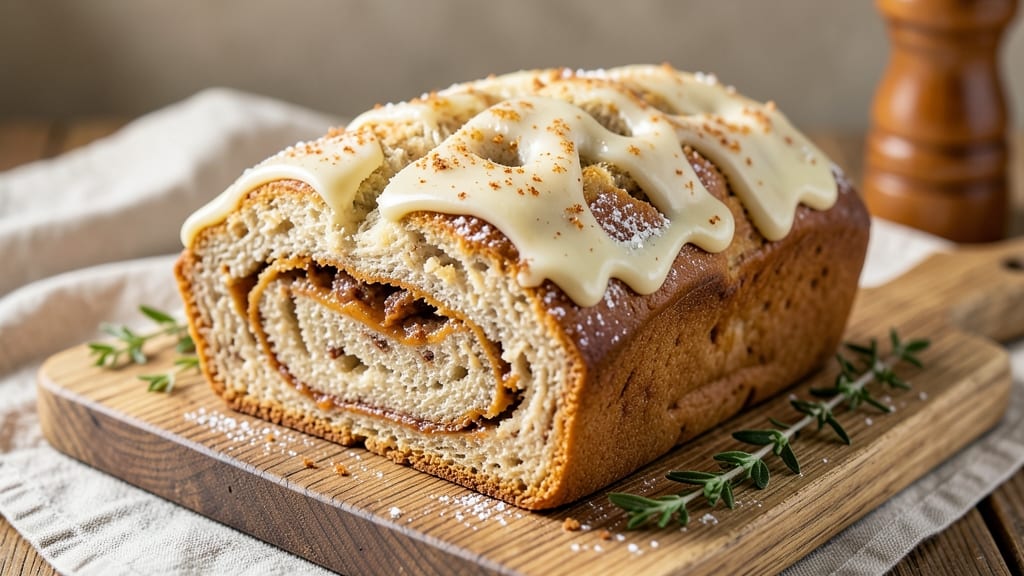
This Amish cinnamon bread recipe from the Pioneer Woman delivers the kind of rustic, spiced perfection that makes every meal feel special. 🌟 The secret lies in its tender crumb, swirls of cinnamon-sugar, and that signature foil-sealed crust that stays soft and golden.
I've perfected this recipe to capture the warmth of Amish baking traditions while keeping it simple enough for any home kitchen.
The beauty of this recipe is in its simplicity—just a few pantry staples come together to create a loaf that's both comforting and impressive. You'll mix, shape, and bake it in under an hour, with minimal effort and maximum flavor.
The cinnamon-sugar swirls add just the right amount of sweetness and spice, while the foil-sealed crust ensures every bite is moist and tender.
What you'll end up with is a loaf of bread that's perfect for breakfast, brunch, or as a side dish for dinner. The aroma alone will fill your home with warmth, and the texture is just right—soft, slightly sweet, and packed with those delicious cinnamon swirls.
It's the kind of bread that disappears quickly, leaving everyone asking for seconds.
Serve it warm with butter, a drizzle of honey, or a pat of jam for the ultimate comforting treat. Whether you're baking for a family gathering or simply craving a taste of homemade goodness, this recipe delivers every time. Let's get started!
Ingredients for amish cinnamon bread recipe pioneer woman
Four cups flour, a touch of cinnamon, and butter that melts into golden perfection.
| Ingredient | Amount | Notes |
|---|---|---|
| All-Purpose Flour 🌾 | 4 cups | Sifted for light texture |
| Granulated Sugar 🍚 | ½ cup | White or light brown |
| Unsalted Butter 🧈 | ½ cup | Cold, cubed for easier mixing |
| Large Eggs 🥚 | 2 whole | Room temperature |
| Milk 🥛 | ½ cup | Whole milk preferred |
| Active Dry Yeast 🍞 | 2 ¼ tsp | 1 packet or 7g |
| Ground Cinnamon 🌶️ | 2 tbsp | Pure, no additives |
| Light Brown Sugar 🍚 | ¼ cup | Packed, for swirls |
| Salt 🧂 | ½ tsp | Kosher or sea salt |
| Vanilla Extract 🍯 | 1 tsp | Pure vanilla preferred |
| Aluminum Foil 📄 | 1 sheet | For sealing crust |
| Coarse Sugar 🍚 | 2 tbsp | For topping (optional) |
The flour is the foundation—King Arthur or Gold Medal brands give the best rise, but anything all-purpose works. Ground cinnamon should smell fresh and fragrant (none of that dusty stuff from the back of your spice rack). For the butter, Land O'Lakes or Plugrah are my go-tos—they have that perfect balance of richness. If your yeast is past its expiration date, test it first in warm water with a pinch of sugar—it should bubble within 5 minutes. The brown sugar for the swirls? Light brown keeps it moist, while dark adds more molasses flavor. Grab a small bag of Turbinado sugar for that crunchy topping if you're feeling fancy.
No vanilla extract? Vanilla bean paste works too, or even a scraped vanilla bean. Short on milk? Evaporated milk or even water in a pinch (though the bread will be slightly denser). The cinnamon-sugar swirls are non-negotiable for that Amish touch—mix the cinnamon and brown sugar first, then fold it in like you're making a lazy spiral. For the foil seal, crinkle it well so it sticks to the crust perfectly. No aluminum foil? Heavy-duty parchment paper works in a bind, though it won't seal as tightly. And if you're making this ahead, wrap the baked loaf in foil—it reheats beautifully.
This bread keeps for 3 days at room temperature wrapped in foil, or 1 week in the fridge. For longer storage, freeze the whole loaf (wrapped tightly) for up to 3 months. To reheat, wrap slices in foil and warm in a 350°F oven for 5-10 minutes. I like to slice it while still warm—the swirls soften the crust just right. Leftovers? Toast them for breakfast—the cinnamon flavor gets even more intense. And if you're making this for a crowd, double the recipe—two loaves bake side by side in the same pan.
Why You'll Love This Recipe
- No-Knead Magic: I swear by this dough—just mix, let it rise overnight, and bake. No standing over a mixer, no waiting for gluten to develop. That rich butter and milk combo makes it tender, while the cinnamon-sugar swirls melt into gooey perfection.
- Warm Spice Hug: The moment it comes out of the oven, your kitchen smells like a bakery. That deep cinnamon warmth with just a hint of vanilla? It’s the kind of bread you’ll reach for when you’re craving something cozy but not too sweet.
- Breakfast or Snack: Slice it thick for a lazy weekend breakfast with jam, or pack it in lunchboxes for kids (or adults). It’s hearty enough for a full meal but light enough to enjoy anytime—no guilt, just satisfaction.
- Budget Stretch: A loaf costs me pennies to make, yet it feeds my family for days. Freeze slices for quick toast or crumbs for oatmeal—every bit gets used. Plus, the butter and sugar are worth the splurge for that irresistible taste.
Step-by-step instructions for Amish cinnamon bread
Here's how to create golden swirls and a perfectly sealed crust every time.
👨🍳 Step 1: Activate the Yeast and Mix the Dough
In a small bowl, combine ½ cup warm milk (about 110°F) with 2.25 teaspoons active dry yeast and ½ teaspoon salt. Let sit for 5-10 minutes until frothy—this means your yeast is alive and ready to work. If it doesn't bubble, your bread won't rise properly.
In a large mixing bowl, whisk together 4 cups all-purpose flour, ½ cup granulated sugar, and 2 tablespoons ground cinnamon. Make a well in the center and pour in the yeast mixture along with 2 whole eggs and 1 teaspoon vanilla extract. Mix with a wooden spoon until a shaggy dough forms, then turn it out onto a lightly floured surface.
👨🍳 Step 2: Knead Until Silky Smooth
Knead the dough for 8-10 minutes by pressing down, folding, and turning it until it becomes smooth and elastic. You'll know it's ready when it springs back slowly when poked. If it sticks to your hands, add a little more flour—just enough to keep it workable.
Place the dough in a lightly greased bowl, cover with a damp towel, and let it rise in a warm spot for 1 hour or until doubled in size. The kitchen should feel toasty—this helps the yeast work its magic. Poke the dough gently; if it springs back slowly, it's ready for the next step.
🥘 Step 3: Create the Cinnamon Swirls
Roll the risen dough out on a lightly floured surface into a 12x16-inch rectangle. In a small bowl, mix together ½ cup unsalted butter (softened), ¼ cup packed light brown sugar, and 1 tablespoon cinnamon. Spread this mixture evenly over the dough, leaving a ½-inch border around the edges.
Starting from the long side, roll the dough tightly into a log. Pinch the seam to seal, then cut the log into 4 equal pieces. Arrange them side by side in a greased 9x5-inch loaf pan, pressing lightly to help them hold their shape. Cover with a towel and let rise for another 30-45 minutes until puffy.
🔥 Step 4: Bake with Foil-Sealed Magic
Preheat your oven to 350°F. Cut a piece of aluminum foil to fit over the loaf pan, leaving enough to fold over the edges. Pour ½ cup water into the bottom of the pan (this creates steam for a tender crust). Bake for 40 minutes with the foil on.
Remove the foil and sprinkle the top with 2 tablespoons coarse sugar (optional). Bake for another 10-15 minutes until golden brown and the internal temperature reaches 190°F. The bread should pull away from the pan edges with ease—if not, give it a few more minutes.
⏰ Step 5: Rest and Serve Warm
Let the bread cool in the pan for 10 minutes, then transfer it to a wire rack. The loaf will firm up as it cools, but it's best served warm. Slice through the center to reveal those beautiful cinnamon swirls—each bite should be tender, lightly sweet, and packed with spiced goodness.
For extra flavor, brush the warm bread with a simple glaze made from ¼ cup powdered sugar and 1 tablespoon milk. Store leftovers wrapped in foil at room temperature for up to 3 days, or freeze for longer storage. This bread tastes even better the next day!
Pro Tips For Making Amish Cinnamon Bread Recipe Pioneer Woman
- MEASURE BUTTER COOL: The recipe calls for softened butter, but I learned the hard way—room temp butter can turn your dough greasy. Take it straight from the fridge, cut into chunks, and let it sit for no more than 30 minutes before mixing. You want it soft enough to cream, not melted. Trust me, your bread will thank you when it doesn’t collapse in the pan.
- WHISK EGGS FIRST: Skip the temptation to toss the eggs in last. Whisk them first in a separate bowl until frothy—this lightens the dough without overmixing. Then, slowly drizzle in the milk while whisking. The extra air keeps the bread tender, and you’ll avoid that dense, brick-like texture that happens when you mix everything at once.
- DON’T OVERMIX THE DOUGH: This is the thing that matters most. Once the flour is incorporated, stop. The second you see streaks of dry flour, call it done. Overworking the dough develops gluten, and your bread will turn out tough instead of soft and pillowy. Use a spatula to gently fold in the cinnamon-sugar mix—just until combined.
- BAKE AT 350°F (NO LOWER): I was skeptical until I tried it: this recipe needs that steady 350°F heat. Any lower, and the center stays gummy; any higher, and the top burns before the inside cooks. Use an oven thermometer to confirm—mine was running 25°F hot, and my first batch came out flat. A light golden top with a springy texture? That’s your cue it’s done.
Troubleshooting perfect results
Dense Dough Issues
If your dough feels too sticky or dense after kneading, you might have added too much flour or your yeast isn't active.
Try reducing flour by ¼ cup next time, or test your yeast first by mixing it with ¼ cup warm water and ½ tsp sugar—it should bubble within 5-10 minutes. Over-kneading can also make dough tough, so stop when it springs back slowly when poked. 💡
Poor Rise or Flat Bread
A flat loaf usually means your yeast didn't activate properly or the kitchen wasn't warm enough. Place your dough bowl near a lightly warmed oven (with light on) or use a proofing box to maintain 80-85°F.
If your kitchen is cold, try wrapping the dough bowl in a lightly oiled plastic wrap to trap heat. Also, ensure your yeast is fresh—expired yeast won't activate. ✨
Cinnamon Swirls Not Visible
If your cinnamon filling disappears into the dough, you likely rolled it too tightly or didn't leave enough butter. For best results, spread the cinnamon mixture evenly but leave a ½-inch border around the edges.
Roll the dough gently but firmly, and cut the log into 4 equal pieces—this ensures the swirls stay visible. If the filling spreads too much, chill the dough for 15 minutes before baking to slow the butter from melting too quickly. 🌶️
Dry or Crumbly Texture
Overbaking or using too much flour can make your bread dry. Check the internal temperature with an instant-read thermometer—it should reach 190°F but not exceed 200°F. If your kitchen is dry, place a pan of water on the lower oven rack to add moisture during baking.
For extra tenderness, brush the warm bread with melted butter after baking. 💧
Foil Seal Not Sticking
If the foil doesn't stick to the crust, your oven isn't hot enough or the dough isn't moist enough. Press the foil firmly against the bread, and ensure the oven is fully preheated to 350°F.
For extra adhesion, lightly spray the foil with water before placing it over the pan. If the crust still doesn't seal, try using heavy-duty aluminum foil instead of regular foil. 📄
Bread Sticks to Pan
Grease your loaf pan thoroughly with butter or baking spray, and dust it with flour before adding the dough. If the bread still sticks, try lining the pan with parchment paper for easier removal.
For extra insurance, place a wire rack inside the pan before adding the dough—this creates airflow and prevents sticking. 🔥
Nutrition facts
Frequently asked questions
Can I make this Amish cinnamon bread without yeast?
Yes! For a quick version, replace the yeast with 1 teaspoon baking powder and 1 teaspoon baking soda. Mix the dry ingredients first, then proceed with the recipe. The texture will be denser but still flavorful. This works best if you're short on time or need a faster rise.
How do I store leftover Amish cinnamon bread?
Wrap cooled bread tightly in aluminum foil or store in an airtight container. It stays fresh at room temperature for 3 days. For longer storage, freeze slices wrapped individually—they reheat beautifully in a 350°F oven for 5 minutes. The swirls soften the crust perfectly when warmed.
Why does my bread turn out dense instead of light?
Density usually means over-kneading or inactive yeast. Knead just until the dough springs back slowly when poked (8-10 minutes max). Test your yeast first by mixing with warm water and sugar—it should bubble within 5 minutes. Also ensure your kitchen is warm (use a proofing box if needed).
Can I use this recipe for a cake pan instead of a loaf pan?
Shape the dough into a round or rectangular cake pan (about 9-inch diameter). The baking time may increase by 5-10 minutes—check at 190°F internal temp. For extra height, use a springform pan and bake uncovered. The swirls will still shine through beautifully.
What's the Pioneer Woman's secret for the perfect crust?
The foil seal trick! After 40 minutes of baking, cover the loaf with foil to trap steam. This creates a tender, golden crust that stays soft. For extra shine, brush the warm bread with melted butter after baking. The Pioneer Woman also recommends a water bath (pan of water on lower rack) for extra moisture.