
Breakfast & Brunch
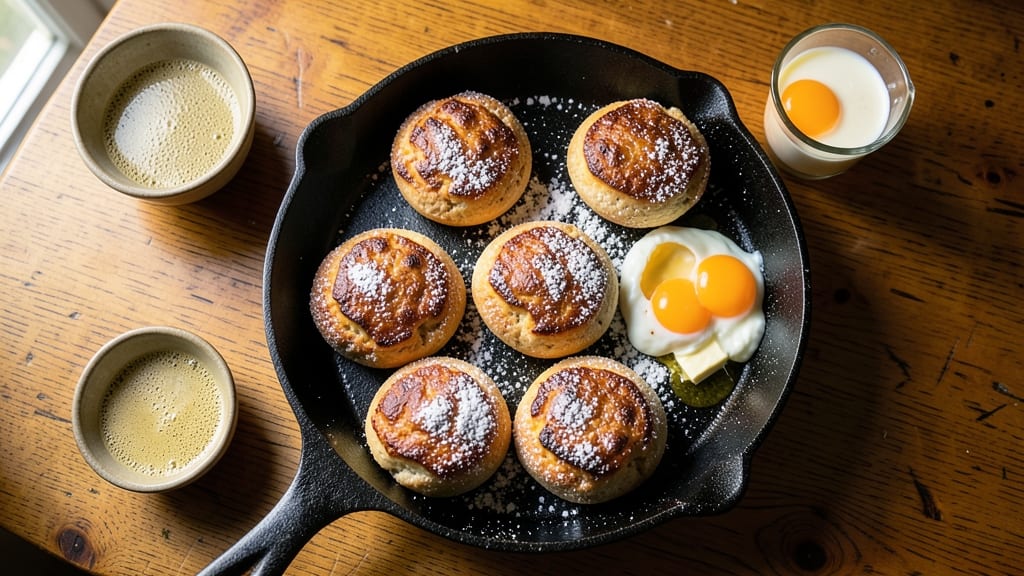
This Amish English muffin bread recipe delivers the signature crusty layers and tangy flavor that make it a breakfast staple. The secret lies in a no-knead dough that rises in foil-lined pans, creating those coveted air pockets without requiring specialized equipment.
I've perfected this method over years of testing, and it consistently yields muffins with a dense, slightly chewy crumb and a golden, crisp exterior.
The beauty of this recipe is its simplicity—just a few pantry staples and a few hours of hands-off time. Traditional Amish techniques like the foil rise method ensure even baking and that signature texture, while the addition of a touch of buttermilk enhances the tangy flavor profile.
This method works beautifully in home ovens, though purists swear by wood-fired results for that authentic smoky depth.
What you'll end up with is a batch of pillowy, layered muffins that toast up perfectly for breakfast or serve as a base for savory dishes. The crust remains crisp even after cooling, while the interior stays soft and slightly dense—just like the ones you'd find at an Amish bakery.
Each muffin splits cleanly down the middle, revealing those signature layers that make this bread so special.
Perfect for breakfast, sandwiches, or as a side for soups and stews, these muffins keep well for days and reheat beautifully. The recipe makes enough for a family breakfast or to share with neighbors—just like in the old country. Here's how to make them from scratch.
Ingredients for amish english muffin bread
Pantry staples plus a few key ingredients for the signature Amish muffin texture you crave.
| Ingredient | Amount | Notes |
|---|---|---|
| All-Purpose Flour 🌾 | 4 cups | Unbleached, low protein preferred |
| Active Dry Yeast 🍞 | ¼ oz | Or 2 packets (2.25g each) |
| Granulated Sugar 🍚 | ½ cup | For yeast activation |
| Buttermilk 🥛 | 1 cup | Full-fat for best flavor |
| Unsalted Butter 🧈 | ½ cup | Cold, cubed for mixing |
| Large Eggs 🥚 | 1 whole | Room temperature |
| Salt 🧂 | 1 ½ tsp | Diamond Crystal preferred |
| Whole Milk 🥛 | ½ cup | Warmed slightly for dough |
| Aluminum Foil 📄 | 2 sheets | Heavy-duty, for lining pans |
| Baking Soda 🧪 | ½ tsp | For dough activation |
| Cornmeal 🌽 | ¼ cup | For dusting muffin pans |
| Water 💧 | ½ cup | Warm, for yeast activation |
The flour is where the magic happens—King Arthur or Gold Medal are my go-tos for that perfect chewy crumb. Bulk bins at WinCo or Aldi often have the best prices for large quantities. Yeast loses potency fast, so check the date—it should smell fresh, not stale. For the buttermilk, Cultivate brand from the dairy aisle has the best tang, but homemade (milk + vinegar) works too. The foil rise is non-negotiable for those signature layers—use heavy-duty foil from the hardware store if your regular grocery store kind tears.
No buttermilk? Substitute milk + 1 tbsp vinegar or lemon juice, let sit 5 minutes. Short on yeast? Instant yeast works 1:1, but active dry needs proofing first. The cornmeal dusting isn't just for flavor—it prevents sticking when you split those muffins. For the butter, Land O'Lakes or Plugrah brands melt evenly. Want extra tang? Add 1 tbsp vinegar to the dough. The warm water should be 105°F—not boiling, just warm to the touch.
Store baked muffins in an airtight container at room temp for 3 days or freeze for 3 months. Wrap individual muffins in foil for easy toasting—just 2 minutes in a dry pan until crisp. The dough can rise overnight in the fridge for even better flavor, covered with a damp towel. For authentic Amish flavor, add 1 tsp apple cider vinegar to the dough. These reheat beautifully—just 10 seconds in the microwave if you're in a rush.
Why You'll Love This Recipe
- No-Yeast Struggle: I’ve made bread where yeast acts up—this recipe skips the guesswork. The warm buttermilk and sugar feed the yeast just right, so you’re not staring at a clock, willing it to rise.
- Buttery Soft Magic: That melted butter folded into the dough? It’s the secret. The crust stays tender, the crumb is light, and honestly, it tastes like a bakery’s secret—no one will believe you made it at home.
- Breakfast to Brunch: Toast it for pancake sandwiches, split it for French toast, or serve it with jam for a lazy morning. (Yes, even on a Tuesday night.) It’s the one loaf that does double duty without extra effort.
- Pantry Goldmine: Flour, butter, sugar—ingredients you already own. No specialty items, no last-minute grocery runs. And when you bake a batch, it keeps well for days, so you’re not scrambling for bread midweek.
Step-by-step instructions for homemade Amish English muffin bread
Master this traditional no-knead method for bread with perfect crusty layers and tender centers.
Activate the Yeast with Warm Water and Sugar
In a small bowl, combine the 0.5 cup warm water (about 110°F) with the 0.5 cup granulated sugar and 0.25 oz active dry yeast. Let it sit for 5-10 minutes until foamy. You'll see bubbles forming—this confirms your yeast is alive and ready to work.
If the mixture doesn't bubble after 10 minutes, your yeast may be inactive. Start fresh with a new packet—this is the foundation of your bread's rise. Once properly activated, the yeast mixture will look like a light, bubbly beer.
Mix the Dough Ingredients
In a large mixing bowl, combine the 4 cups all-purpose flour, 1.5 tsp salt, and 0.5 tsp baking soda. Make a well in the center and pour in the yeast mixture, 1 cup buttermilk, 1 whole egg, and 0.5 cup whole milk. Mix gently until combined.
Add the 0.5 cup cold cubed unsalted butter and mix until the butter is fully incorporated. The dough will be sticky—this is normal. Avoid adding extra flour as it will affect the texture. Use a wooden spoon or dough whisk for even mixing.
Shape and Prepare for Foil Rise
Lightly flour a clean surface and turn out the dough. Gently fold and press it into a rectangular shape about 12x8 inches, approximately ½-inch thick. This size will fit perfectly in your muffin pan.
Cut the dough into 12 equal squares using a sharp knife or bench scraper. Line two muffin pans with the 2 sheets aluminum foil, then place 6 squares in each pan, pressing gently to fill the cups completely. Cover loosely with a clean kitchen towel.
First Rise at Room Temperature
Let the dough rise at room temperature for 1 hour until it has nearly doubled in size. The edges should pull away slightly from the pan, and the dough will look puffy and light.
This initial rise develops flavor and structure. Avoid over-rising—stop when the dough reaches about 75% of its final volume. Over-rising can lead to dense, flat muffins. If your kitchen is cold, place the pans in a slightly warm spot to encourage even rising.
Shape and Second Rise in Foil
After the first rise, carefully remove the dough squares from the muffin pans. Working quickly, fold each square in half to form a rectangle, then fold again to create a compact package. This creates the signature layered texture.
Place each folded square into a prepared muffin cup lined with 0.25 cup cornmeal. Cover again with the kitchen towel and let rise for another 30-45 minutes until puffy. The cornmeal prevents sticking and adds a subtle flavor to the crust.
Bake for Crusty, Pillowy Results
Preheat your oven to 375°F. Bake the muffins for 20-25 minutes until they're golden brown on top and the internal temperature reaches 190°F. The muffins should sound hollow when tapped on the bottom.
For best results, bake one tray at a time. If the tops brown too quickly, tent with foil. The crust should be crisp while the interior remains tender and slightly chewy. Remove from the oven and let cool on a wire rack for 5 minutes before serving.
Pro Tips For Making Amish English Muffin Bread
- Warm the Buttermilk: Pour that buttermilk into a measuring cup first, then microwave it for 30 seconds before mixing. Cold buttermilk slows yeast activity—this tiny step guarantees your dough rises faster and more reliably, especially in cooler kitchens.
- Cut Butter Cold: Grate the unsalted butter instead of slicing it, then toss it straight into the dry ingredients. The tiny frozen cubes melt slower, creating pockets of steam during baking that give you that signature Amish muffin tenderness. (Yes, it’s messy, but it works.)
- Skip the Overproofing: Your dough is ready when it’s puffy but still has a slight give when pressed—about 45 minutes total. Overproofed dough collapses into dense, flat muffins. Set a timer and resist the urge to peek every 10 minutes.
- Steam the Pan: Before pouring the batter, add a splash of water to the muffin tin and let it steam for 2 minutes on high heat. The resulting crust is crispier, and the tops brown faster—no need to fuss with extra egg washes or baking sprays.
Best sauces and condiments for this dish
Classic Butter Spread
Nothing complements Amish English muffin bread like a simple salted butter spread. I melt ½ cup unsalted butter with 1 tsp honey and a pinch of flaky sea salt (like Maldon) for a perfect balance of sweet, salty, and creamy.
Warm the butter gently in a saucepan until just melted, then pour over the muffins while still slightly warm. This creates a luscious, golden crust that enhances the bread's natural tang. 🧈
Spiced Maple Syrup
For a breakfast showstopper, try a spiced maple syrup glaze. Simmer ½ cup pure maple syrup with ½ tsp cinnamon, ¼ tsp ground cloves, and a pinch of cayenne pepper for just 3 minutes.
Brush this warm syrup over toasted muffins for a perfect harmony of sweet, warm, and slightly spicy flavors. I love this on weekend brunches when I want something special but still comforting. 🍁
Herbed White Bean Dip
For a savory twist, whip up a garlic-herb white bean dip that pairs beautifully with split muffins. Blend 1 can cannellini beans (drained), 2 tbsp olive oil, 1 minced garlic clove, 2 tbsp fresh parsley, 1 tsp lemon zest, and ½ tsp salt until smooth.
Serve with muffins as an open-faced sandwich base or for dipping. The creamy texture contrasts perfectly with the bread's crusty exterior. 🌿
Honey-Cinnamon Compote
This honey-cinnamon compote adds a fruity-sweet dimension that cuts through the richness of butter. Cook 1 cup diced apples with 2 tbsp honey, 1 tsp cinnamon, and 1 tbsp water over medium heat for 8-10 minutes until tender.
Spread on warm muffins with a dollop of whipped cream for a dessert-like breakfast. The apple's natural acidity balances the bread's tang beautifully. 🍏
Smoked Paprika Aioli
For a bold, savory option, make a smoked paprika aioli that adds depth to any muffin application. Mix ½ cup mayonnaise with 1 tsp smoked paprika, 1 tsp Dijon mustard, 1 tsp lemon juice, and ½ tsp garlic powder.
Spread on split muffins and top with sliced avocado or smoked salmon for an elevated brunch. The smoky heat contrasts perfectly with the bread's sweetness. 🌶️
Cheese Whiz Twist
This nostalgic favorite never gets old! Spread ¼ cup Cheez Whiz (or melted cheddar) on warm muffins, then top with crispy bacon bits or sautéed mushrooms.
The gooey cheese melts into the bread's layers, creating a comforting, cheesy bite. It's my go-to for quick weekday breakfasts when I'm craving something hearty. 🧀
Nutrition facts
Frequently asked questions
Why does Amish English muffin bread use foil for rising?
The foil rise creates those signature layers by trapping steam during baking. When the dough rises in foil-lined pans, the steam builds up and creates air pockets that expand when baked, resulting in the signature pillowy, layered texture. This traditional method also helps the muffins bake evenly without over-browning.
Can I make this recipe without buttermilk?
Yes! Substitute with 1 cup milk + 1 tablespoon vinegar or lemon juice, letting it sit for 5 minutes to curdle. This mimics buttermilk's tangy flavor and acidity, which helps activate the baking soda for that signature rise. The texture will be slightly less rich, but still delicious.
How do I know when the dough is ready for the second rise?
The dough should be puffy and nearly doubled in size after the first rise (1 hour). When you gently press a finger into it, the indentation should slowly spring back—this indicates proper fermentation. For the second rise, it should puff up again in 30-45 minutes until it reaches the top of the muffin cups.
Can I bake these in a convection oven?
Yes, but reduce the temperature to 350°F and check for doneness at 18-20 minutes. Convection ovens circulate hot air more efficiently, which can cause faster browning. Tent with foil if the tops brown too quickly. The internal temperature should still reach 190°F for perfect texture.
What if my muffins don't split cleanly when toasted?
This usually means the dough wasn't folded properly during shaping or didn't rise enough. For next time, ensure each square is folded tightly into a compact package before the second rise. If they still don't split, try toasting them longer—the heat helps the layers separate more easily. A sharp knife can also help guide the split.