
Side Dishes
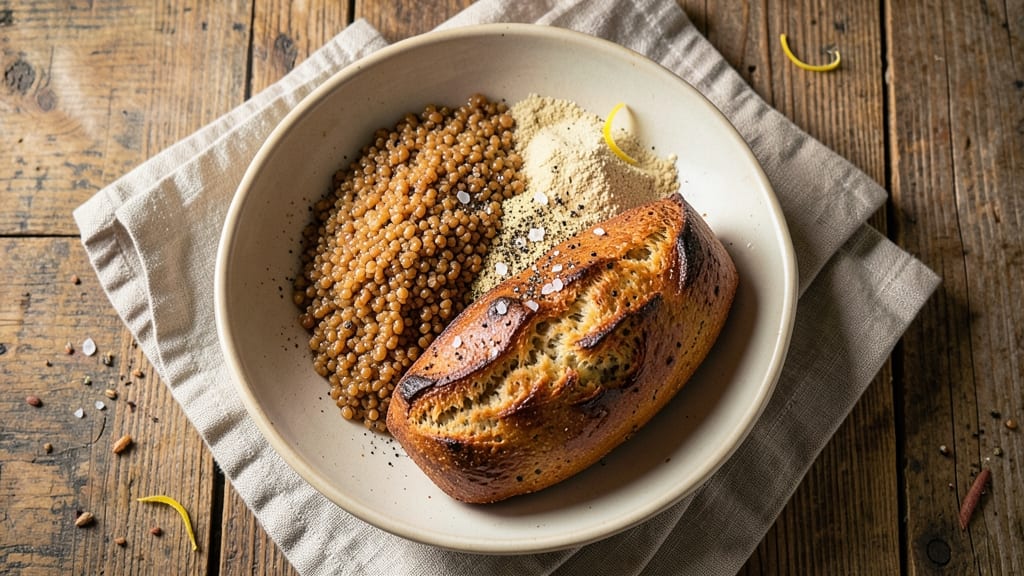
Transforming whole ancient grains into a bread machine loaf with nutty crunch and soft crumb harmony is easier than you think. This recipe harnesses the natural flavors of farro, spelt, and einkorn while delivering a loaf that’s both hearty and tender—a perfect blend of rustic texture and modern convenience.
The bread machine handles the heavy lifting, but we’ll adjust hydration and kneading to ensure those ancient grains develop their signature depth without compromising structure.
What sets this recipe apart is the balance of high-fiber grains and precise bread machine settings to avoid a dense result. Ancient grains absorb moisture differently than white flour, so we’ll incorporate extra hydration and a longer kneading cycle to fully develop gluten.
The result? A loaf with a crispy, golden crust that gives way to a soft, airy interior—ideal for sandwiches or toast. Optional additions like sunflower seeds or rosemary elevate flavor without sacrificing texture.
This method transforms simple pantry staples into a restaurant-worthy loaf with minimal effort. The bread machine’s consistent temperature and timing ensure perfect results every time, while the ancient grains add nutritional benefits and a subtle earthy sweetness.
No special equipment beyond your bread machine is needed—just patience and the right ratios. The aroma alone will have your kitchen feeling like a bakery.
Whether you’re baking for a family meal or meal prepping for the week, this recipe delivers a loaf that’s versatile, nutritious, and delicious. The crust stays crisp for days, while the crumb remains soft—proof that ancient grains and modern convenience can coexist beautifully. Ready to bake?
Ingredients for ancient grain bread machine
Gather these whole grains, yeast, and pantry staples for a bread machine loaf that's rustic yet effortless.
| Ingredient | Amount | Notes |
|---|---|---|
| Farro Grain 🌾 | 1 cup | Whole grain, rinsed thoroughly |
| Spelt Flour 🌾 | 1 ½ cups | Stone-ground for best texture |
| Einkorn Flour 🌾 | ½ cup | Fine grind preferred |
| All-Purpose Flour 🌾 | ½ cup | Balances ancient grains |
| Active Dry Yeast 🍞 | 2 ¼ tsp | Freshly measured, not expired |
| Granulated Sugar 🍚 | 1 tbsp | Feeds yeast for rise |
| Unsalted Butter 🧈 | ¼ cup | Softened, not melted |
| Large Eggs 🥚 | 1 whole | Room temperature |
| Warm Water 💧 | 1 ¼ cups | 110°F for yeast activation |
| Sea Salt 🧂 | 1 ½ tsp | Fine grain preferred |
| Sunflower Seeds 🌻 | ¼ cup | Toasted for extra crunch |
| Fresh Rosemary 🌿 | 1 tbsp | Chopped finely, optional |
| Honey 🍯 | 1 tbsp | For golden crust |
The farro and spelt are the stars here—Bob's Red Mill or King Arthur brands are my go-tos for consistent texture. Einkorn flour adds depth, but if you can't find it, whole wheat flour works in a pinch. Rinsing the farro removes bitterness and ensures even hydration. For the yeast, Fresh Start or Saf-Instant are reliable. The bread machine's kneading cycle will handle the heavy lifting, but those ancient grains need extra time to fully hydrate—don't rush the process. If your machine has a 'whole grain' setting, use it; otherwise, opt for the longest dough cycle available.
No sunflower seeds? Pumpkin seeds or chopped walnuts add similar texture. Skipping rosemary? Dried thyme or oregano at half the amount works too. The honey can be swapped for maple syrup if preferred. For extra richness, add 1 tbsp olive oil to the butter. If your bread machine has a 'crust color' setting, use it to achieve that golden hue without over-browning. The all-purpose flour balances the ancient grains—King Arthur or Gold Medal brands are ideal for this purpose. Pro tip: Toast your seeds in a dry pan for 3-4 minutes before adding for maximum crunch.
This loaf stays fresh for 3-4 days at room temperature, wrapped in a clean kitchen towel. For longer storage, freeze slices in a bag for up to 3 months. The crust crisps beautifully when toasted—5 minutes at 350°F works wonders. To revive stale bread, wrap in foil and warm in a 200°F oven for 10 minutes. The aroma alone will have your kitchen smelling like a bakery, so bake when you're ready for a sensory treat.
Why You'll Love This Recipe
- No-Fuss Machine Magic: I swear by my bread machine for this one—just toss in the farro, spelt, and einkorn flours (plus a pinch of yeast), add water, and let it do the work. Zero kneading, zero stress, and the crust turns out golden and crispy without me lifting a finger after the initial dump.
- Nutty, Chewy Heaven: Between us, the farro adds that satisfying bite, while the einkorn gives it a subtle sweetness that’s ridiculously addictive. It’s not your basic sandwich bread—it’s got depth, like a hug from your great-grandma’s kitchen, but with way less effort.
- Budget Meets Ancient Grain: Honestly, the combo of farro and einkorn might sound fancy, but they’re cheaper than you’d think, especially when mixed with all-purpose flour. Plus, you’re getting whole grains, fiber, and that old-world flavor without breaking the bank—or your diet. Win-win.
Step-by-step instructions for ancient grain bread machine recipe
Here's how to transform your bread machine into a nutty, aromatic loaf with perfect harmony of textures.
Prepare the Ancient Grains and Hydrate the Farro
Start by rinsing the 1 cup farro grain thoroughly under cold water to remove any bitterness. Place it in a bowl and cover with 1.25 cups warm water (about 110°F) for 30 minutes. This soaking step is crucial—it softens the farro and jumpstarts the fermentation process. You'll notice the farro nearly doubles in size and releases a nutty aroma that hints at the flavor profile of your final loaf.
While the farro soaks, measure out the 1.5 cups spelt flour, 0.5 cup einkorn flour, and 0.5 cup all-purpose flour into the bread machine pan. The combination of ancient grains and all-purpose flour creates the perfect balance between nutty depth and soft texture. Add the 2.25 teaspoons active dry yeast and 1 tablespoon granulated sugar to the dry ingredients. The sugar isn't just for sweetness—it helps activate the yeast more efficiently, especially when working with these nutrient-dense ancient grains.
Mix Wet Ingredients and Combine
In a separate bowl, combine the 1 whole large egg (room temperature) with the 0.25 cup softened unsalted butter. Whisk until smooth and slightly thickened—this mixture will add richness and help create that tender crumb. Drain the soaked farro and add it to the wet ingredients along with the 1 tablespoon honey and 1 tablespoon finely chopped fresh rosemary. The honey contributes to both flavor and a golden crust, while the rosemary adds an earthy aroma that pairs beautifully with the nutty grains.
Create a well in the center of the dry ingredients in the bread machine pan and pour in the wet mixture. Use a wooden spoon to gently combine everything—just until the dry ingredients are moistened. Avoid overmixing at this stage, as it can develop gluten too early and result in a dense loaf. The dough should look shaggy and slightly sticky, which is perfect for bread machine processing.
Add Salt and Seeds for Texture
Sprinkle the 1.5 teaspoons sea salt evenly over the dough and press it in lightly with your fingers. The salt should dissolve completely into the dough rather than sitting in clumps. This ensures even flavor distribution throughout the loaf. Next, add the 0.25 cup sunflower seeds and gently fold them into the dough. These seeds will provide a delightful crunch that contrasts beautifully with the soft crumb.
Here's a pro tip: If your bread machine has a kneading paddle, make sure it's properly positioned. The machine will handle the majority of the kneading, but these ancient grains need a bit more time to fully hydrate and develop gluten. Set your bread machine to the "basic white bread" setting and start the cycle. The machine will automatically handle the kneading, first rise, shaping, and baking—all you need to do is let it work its magic.
Monitor the Rise and Bake
As the dough begins to rise, you'll notice it becomes light and airy, filling about 75% of the bread pan. The ancient grains will give the dough a slightly denser appearance compared to traditional white bread, but that's exactly what we want. After the first rise, the machine will automatically shape the dough and begin the second rise. This is when the dough should nearly double in size and develop a slight springiness when gently pressed.
The baking phase will take about 45-55 minutes, depending on your specific bread machine model. You'll know it's done when the internal temperature reaches 190-200°F and the loaf has a deep golden-brown crust with a hollow sound when tapped on the bottom. The aroma should be rich and nutty, with hints of rosemary and toasted sunflower seeds. Let the loaf cool on a wire rack for at least 30 minutes before slicing—this prevents the crumb from becoming gummy.
Serve and Enjoy the Perfect Harmony
Once cooled, slice into 4 equal servings and serve warm for the best experience. Each slice should reveal a beautiful contrast between the soft, open crumb and the nutty, crunchy farro and sunflower seeds. The crust should be crisp and aromatic, with a subtle sweetness from the honey. This ancient grain bread is perfect for breakfast toast, sandwiches, or simply enjoyed with butter and jam.
Real talk: The first time you make this, you might be tempted to slice it immediately. But trust me—waiting those 30 minutes makes all the difference. The flavors will meld even more, and you'll appreciate that perfect balance of textures even more. Store any leftovers in an airtight container for up to 3 days, or freeze for up to 3 months for freshness whenever you need it.
Pro Tips For Making Ancient Grain Bread Machine
- Soak the Farro First: I learned this the hard way—skipping the overnight soak for farro leaves you with dense, gummy bread. Toss the uncooked farro in warm water (about 1 cup per ½ cup dry grain) with a pinch of salt, cover, and let it sit 8–12 hours. The grains should puff up noticeably; drain well before adding to the bread machine. This step makes all the difference in texture.
- Use Lukewarm Water: Ancient grains need yeast-friendly temps, and cold water kills it flat. Fill your bread machine’s water reservoir with water that’s just warm to the touch (like bathwater, not scalding). If your yeast blooms aggressively in 5–10 minutes, it’s too hot—cool it slightly and try again. No blooming? Your yeast might be dead; test a pinch in warm water first.
- Skip the Extra Flour: Einkorn and spelt flour absorb moisture like sponges, so resist the urge to add "just a little more" when the dough looks sticky. The bread machine will handle it—trust the recipe’s measurements. Over-flouring dries out the crumb and makes the loaf dense. If the dough sticks to the pan, lightly grease it instead.
- Punch Down Once: After the first knead cycle, give the dough a quick manual punch-down to redistribute the farro and prevent a lopsided loaf. Use a wet spatula to gently press down in the center, then let the machine finish its cycle. This evens out the texture and helps the yeast work more evenly—especially important with heavy ancient grains.
Regional styles of this recipe
Mediterranean Rustic
Inspired by ancient grain traditions from Greece and Italy, this version swaps sunflower seeds for 1 cup toasted pine nuts and adds 1 tablespoon dried oregano to the dough. The pine nuts add a delicate sweetness that pairs beautifully with the nutty farro.
For extra authenticity, brush the crust with 1 tablespoon olive oil mixed with ½ teaspoon sea salt after baking. This Mediterranean twist is perfect for dipping in olive oil and balsamic vinegar or pairing with feta cheese and fresh figs. 🌿
German Dark Rye
For a heartier loaf, replace ½ cup of the spelt flour with ½ cup dark rye flour and add 1 teaspoon caraway seeds to the dough. The rye flour deepens the flavor and adds a subtle tang, while the caraway seeds provide a warm, earthy note.
Use molasses instead of honey for a richer crust and serve with butter and smoked salmon for a German-inspired breakfast. This version stays fresh longer due to the rye's natural preservation properties. 🌾
French Baguette-Style
Transform this recipe into a rustic baguette by reducing the dough to half the original recipe and shaping it into an oval loaf. Replace ½ cup of the all-purpose flour with ½ cup bread flour for a lighter texture.
After baking, brush the crust with melted butter and sprinkle with coarse sea salt. This French-inspired version has a crispy crust and an open, airy crumb—ideal for dipping in soups or pairing with herb butter.
The ancient grains add a subtle nuttiness that complements the classic baguette experience. 🥖
Middle Eastern Sesame
Add a Middle Eastern flair by mixing 2 tablespoons sesame seeds into the dough and topping the baked loaf with an additional 1 tablespoon sesame seeds before baking. The sesame seeds add a nutty crunch and a beautiful golden crust.
For extra flavor, infuse the warm water with 1 teaspoon ground cardamom before mixing it into the dough. This version pairs perfectly with hummus, za'atar, and labneh for a flavor-packed meal. The cardamom adds a fragrant warmth that enhances the ancient grains' natural sweetness. 🌟
American Heartland
For a classic American twist, replace the rosemary with 1 teaspoon dried sage and add ½ cup chopped walnuts to the dough. The walnuts provide a rich, buttery crunch that balances the earthy farro. After baking, drizzle the crust with maple syrup for a subtle sweetness.
This version is perfect for sandwiches with turkey, cranberry sauce, and Swiss cheese. The sage and walnuts give it a cozy, comforting flavor that feels like a homemade loaf from a small-town bakery. 🍁
Herbal Garden
For a fresh, vibrant loaf, replace the rosemary with a mix of 1 tablespoon each of finely chopped fresh thyme, basil, and dill. The herbs add a bright, aromatic quality that cuts through the richness of the ancient grains.
Add 1 tablespoon poppy seeds to the dough for a delicate crunch. This version is ideal for spring and summer meals, pairing beautifully with grilled vegetables, fresh mozzarella, and balsamic glaze. The herbs infuse the dough with a garden-fresh flavor that makes every bite feel like a celebration. 🌱
Nutrition facts
Frequently asked questions
Can I use whole wheat flour instead of einkorn?
Yes, but there will be slight texture differences. Einkorn adds a delicate nuttiness and lighter crumb, while whole wheat flour will make the bread denser and heartier. For best results, replace the 0.5 cup einkorn with 0.5 cup whole wheat flour and increase the warm water by 1 tablespoon to account for the extra absorption. The flavor will be more robust but slightly less refined.
Why does my ancient grain bread come out dense?
Ancient grains absorb more moisture and require longer kneading than white flour. If your loaf turns out dense, try these fixes: increase the kneading time by 10-15 minutes, add 1 extra tablespoon of water to the dough, or switch to your bread machine's "whole grain" setting if available. Also, ensure your yeast is fresh—old yeast struggles with nutrient-dense grains.
How do I store this bread to keep it fresh longer?
Wrap the cooled loaf in a clean kitchen towel or beeswax wrap, then place it in a paper bag at room temperature for 2-3 days. For longer storage, slice and freeze in an airtight container for up to 3 months. To revive stale slices, wrap them in foil and warm in a 300°F oven for 5-7 minutes. The crust stays crisp best when stored this way!
Can I make this recipe without a bread machine?
Mix the dough as directed, then let it rise for 1.5-2 hours until doubled. Punch it down, shape into a loaf, and place in a greased 9x5-inch loaf pan. Bake at 375°F for 35-40 minutes until golden and hollow-sounding when tapped. The texture will be slightly denser than bread machine results, but still delicious. For extra crustiness, brush with melted butter after baking.
What's the best way to reheat slices?
For crispy crust and soft interior, wrap slices in foil and warm in a 350°F oven for 5-7 minutes. Alternatively, toast in a dry skillet over medium heat for 1-2 minutes per side until golden. Microwaving works in a pinch (20-30 seconds), but it can make the crust soggy. The oven method preserves that perfect texture contrast.