
Desserts
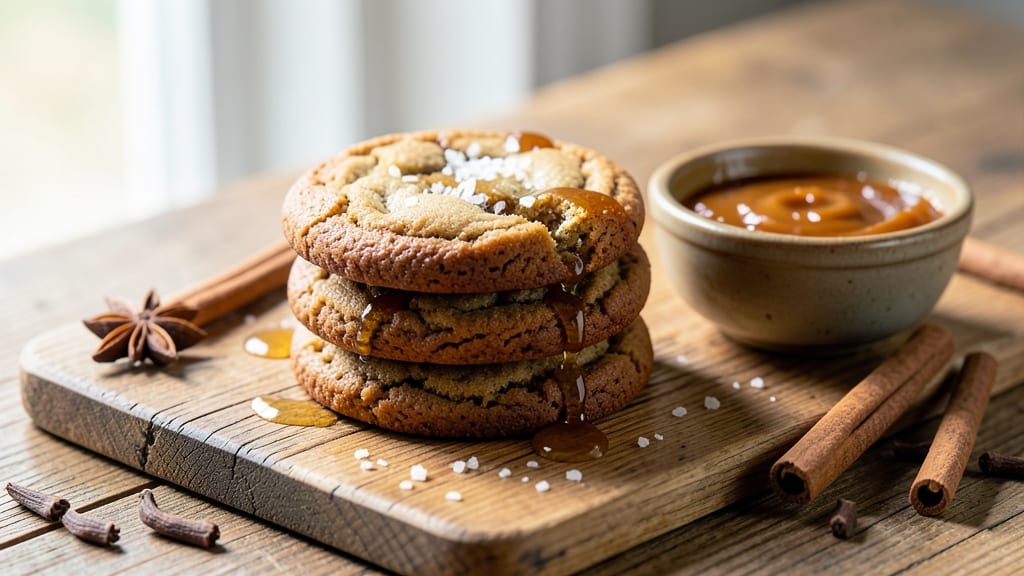
This Ann Clark gingerbread cookie recipe delivers the perfect balance of warm molasses sweetness and bold spice—just like the ones that made her bakery famous. 🔥 The secret lies in the slow-baked molasses base and crispy edges that stay tender inside, creating that signature "kiss" texture.
I've baked these dozens of times, and they never disappoint, especially during the holidays when spiced cookies become the star of the table.
What sets these apart is the careful blend of spices—cinnamon, ginger, and cloves—that dance with the deep molasses flavor. The dough is rolled thin for those signature crispy edges while staying soft in the center, a technique that takes practice but pays off with every bite.
Unlike many gingerbread recipes, these don’t rely on excessive sugar, letting the natural molasses shine through.
By the time they emerge from the oven, you’ll have cookies with a rich, caramelized sheen and a spiced aroma that fills your kitchen. The molasses gives them a deep, almost chewy texture, while the edges hold their crispness even after cooling.
These aren’t just cookies—they’re a taste of tradition, perfect for gifting, holiday gatherings, or satisfying that craving for something warm and spiced.
The best part? They improve with age, developing even more flavor as they sit. Store them in an airtight container for up to two weeks, if you can resist eating them all at once. Here’s how to make them—just like Ann Clark’s bakery would.
Ingredients for ann clark gingerbread cookie
These ingredients bring Ann Clark’s legendary gingerbread to life—molasses-rich, spice-forward, and perfectly balanced.
| Ingredient | Amount | Notes |
|---|---|---|
| All-Purpose Flour 🌾 | 4 cups | Sifted for best texture |
| Molasses 🍯 | 1 cup | Unsulphured for authentic flavor |
| Granulated Sugar 🍚 | 1 cup | Light brown preferred |
| Light Brown Sugar 🍚 | ½ cup | Packed for moisture |
| Unsalted Butter 🧈 | 1 cup | Cold, cubed for easier mixing |
| Large Eggs 🥚 | 2 whole | Room temperature |
| Ground Cinnamon 🌿 | 2 tsp | Freshly ground preferred |
| Ground Ginger 🌿 | 1 ½ tsp | Freshly grated if possible |
| Ground Cloves 🌶️ | ½ tsp | Freshly ground for warmth |
| Baking Soda 🧂 | 1 tsp | Pure, not baking powder |
| Salt 🧂 | ½ tsp | Fine sea salt |
| Vanilla Extract 🍯 | 1 tsp | Pure vanilla preferred |
| Powdered Sugar 🍚 | 1 cup | For rolling and dusting |
The molasses is non-negotiable here—unsulphured is a must for that deep, authentic bakery flavor. Trader Joe's and Whole Foods carry the best quality, but any grocery store should have it near the syrups. Freshly ground spices make all the difference, so Penzeys or local spice shops are worth the trip if you're serious about flavor. The butter should be cold—cubed and straight from the fridge—so it creates those signature crispy edges. I always grab Plugrá butter for its high fat content, but any good-quality brand works.
No unsulphured molasses? Regular molasses works in a pinch, but the flavor won’t be as complex. Swap the brown sugars? White sugar plus a pinch of cinnamon mimics the molasses depth. Running short on vanilla? Almond extract at half the amount adds a nice twist. The powdered sugar isn’t just for rolling—it’s what gives those cookies their signature caramelized sheen. Bob’s Red Mill makes the best for this purpose, but any confectioners’ sugar will do. Pro tip: Toast your spices in a dry pan for 30 seconds before mixing—they’ll sing in these cookies.
These cookies taste better with age, so bake a double batch and store them in an airtight container with parchment between layers. They keep for 2 weeks at room temp, or 3 months frozen. For gifting, wrap individually in parchment and tie with twine—looks as good as it tastes. The dough can be chilled for 24 hours for even better flavor development. Trust me on this—patience pays off with every bite.
Why You'll Love This Recipe
- No-Fuss Mixing: I swear by the creamy butter-and-sugar combo here—just cream, then fold in dry stuff. No fancy techniques, no waiting for dough to rest. Honestly, the molasses and brown sugar do all the work while you scoop and bake.
- Spiced Warmth: That molasses isn’t just sweet—it’s deep, almost caramel-like, with a hint of smoky edge. The brown sugar keeps them soft, but the ginger? Oh, it lingers just enough to make every bite feel like a hug.
- Holiday or Snack: Too pretty for a weekday treat but too simple for Christmas? Nope. These work for both. I’ve wrapped them in cellophane for gifts, but I’ve also just grabbed a handful straight from the jar when my kids came home early.
- Budget Magic: Flour, sugar, butter—stuff you already own. And they freeze like champs. Bake a batch, store them, and pull them out whenever you need a quick, cozy fix. (Yes, even on a Tuesday night.)
Step-by-step instructions for Ann Clark's molasses kisses
Here's how to make these legendary gingerbread cookies with perfect spice balance and crisp edges.
👨🍳 Step 1: Mix Wet Ingredients for Maximum Flavor
In a large mixing bowl, combine the 1 cup molasses with the 1 cup granulated sugar and 0.5 cup light brown sugar. Stir until the sugars dissolve completely—this prevents grainy texture in your cookies. Add the 1 cup cold, cubed unsalted butter and mix until fully incorporated, then stir in the 2 whole large eggs and 1 tsp vanilla extract.
Here's the thing—molasses is thick, so don't rush this step. You want everything to blend smoothly. The cold butter will create pockets of fat that create those beautiful crackly edges when baked. I like to mix with a wooden spoon at this stage to avoid over-developing the gluten.
👨🍳 Step 2: Combine Dry Ingredients for Perfect Texture
In a separate bowl, whisk together the 4 cups sifted all-purpose flour, 2 tsp ground cinnamon, 1.5 tsp ground ginger, 0.5 tsp ground cloves, 1 tsp baking soda, and 0.5 tsp salt. Sifting is crucial—it prevents dense cookies and ensures even distribution of the spices. The warm spices need to be evenly dispersed throughout the dough.
I always sift the dry ingredients directly into the wet mixture. This creates less mess and ensures you don't miss any spots when combining. The spices should be freshly ground if possible—they make a noticeable difference in flavor. When you're ready, gently fold the dry ingredients into the wet mixture using a spatula until just combined.
🥘 Step 3: Chill the Dough for Better Shape and Flavor
Cover the dough with plastic wrap and refrigerate for at least 2 hours (overnight is even better). Chilling prevents the cookies from spreading too much in the oven and allows the flavors to meld. The dough should firm up significantly—you'll be able to handle it without sticking to your fingers.
This is where the magic happens. The cold dough creates those beautiful thick cookies with crisp edges. I know it's tempting to skip this step, but trust me—it's worth the wait. The molasses needs time to penetrate the dough, and the spices need to bloom. When you're ready to bake, take the dough out and let it sit at room temperature for 15 minutes before shaping.
🔥 Step 4: Shape and Bake for Perfect Molasses Kisses
Preheat your oven to 350°F and line two baking sheets with parchment paper. Using your hands, roll the chilled dough into 1-inch balls (about 1 tablespoon each) and place them 2 inches apart on the prepared baking sheets. I like to use a cookie scoop for even-sized cookies, but rolling by hand gives you better control over the shape.
Bake for 12-15 minutes until the edges are deep golden brown and the centers still look slightly soft. They'll continue to set as they cool. The cookies should have a beautiful crackly texture on top—this is what makes these cookies so special. Don't overbake, or they'll become too hard.
⏰ Step 5: Cool and Dust for Ultimate Presentation
Let the cookies cool on the baking sheets for 5 minutes before transferring them to a wire rack. While they're still warm, dust the tops generously with the 1 cup powdered sugar using a fine-mesh sieve. This creates that signature snowy appearance and adds a touch of sweetness to each bite.
Here's the final secret—wait until the cookies are completely cooled before storing. This ensures the powdered sugar stays in place and creates that perfect contrast with the warm, spiced cookies. Store in an airtight container for up to 1 week, or freeze for up to 3 months. These cookies taste even better the next day as the flavors continue to develop!
Pro Tips For Making Ann Clark Gingerbread Cookie
- Chill the Dough First: I learned this the hard way—skipping the 30-minute fridge rest makes the cookies spread like pancakes. Roll the dough into logs, wrap in plastic, and let it firm up before slicing. Trust me, your cookies will hold their shape and taste better for it.
- Use Real Molasses, Not Syrup: Ann Clark’s recipe calls for molasses, not that blackstrap syrup substitute you might grab in a pinch. The real stuff has a deeper, richer flavor that makes these cookies taste like holiday magic. If your molasses is thick, warm it slightly to make measuring easier—no one wants clumpy dough.
- Don’t Overbake the Edges: The edges should be just set when the centers are still soft—about 8-10 minutes at 350°F. Overbaking turns them dry and chewy instead of the perfect balance of crisp and tender. Pull them out when the tops look slightly underdone; they’ll firm up as they cool.
- Cut the Butter Cold: Take the butter straight from the fridge and grate it directly into the dry ingredients—no softening needed. Cold butter creates flaky layers that melt into little pockets of flavor. I know it feels like extra work, but it’s the thing that makes these cookies taste like a bakery, not a kitchen experiment.
Regional styles of ann clark gingerbread cookie
Southern Classic Style
Ann Clark’s original recipe reflects deep Southern roots, where molasses was a staple in traditional baking. In the Deep South, these cookies are often baked with blackstrap molasses for an even deeper, almost bittersweet flavor.
The recipe calls for unsulphured molasses specifically to avoid the harsh chemical aftertaste that can overpower the delicate spice balance. 🌶️
For an authentic Southern touch, many bakers add a pinch of allspice to the spice blend, giving the cookies an extra layer of warmth. The dough is typically rolled thinner than Northern variations, creating a crispier edge that contrasts beautifully with the soft center.
In Georgia and Alabama, these cookies are often served with a cup of strong black coffee or sweet tea to cut through the richness.
Midwest Molasses Twist
The Midwest adapts Ann Clark’s recipe by incorporating maple syrup (about 2 tablespoons) into the wet ingredients, creating a sweeter, caramel-forward cookie. This variation is popular in states like Ohio and Michigan, where maple syrup is abundant.
The dough is often chilled for 48 hours to intensify the maple-molasses flavor profile. 🍁
Midwestern bakers also frequently add candied ginger or chopped crystallized ginger to the dough before baking, giving the cookies a chewy texture and extra spice. These cookies are often shaped into gingerbread men or holiday trees for festive occasions, making them a staple at winter fairs and school fundraisers.
New England Spiced Variation
In New England, the recipe leans into freshly grated ginger and nutmeg for a brighter, more aromatic cookie. The spice blend often includes cardamom (about ½ teaspoon), which adds a floral note that pairs beautifully with the molasses.
The cookies are baked slightly longer (16-18 minutes) to enhance their caramelized edges. ❄️
New England bakers also love to dust the cooled cookies with turbinado sugar instead of powdered sugar, giving them a crunchy, almost sandy texture. These cookies are a must-have at Thanksgiving gatherings, often served alongside pumpkin pie and apple cider.
The colder climate makes them a comforting treat during the region’s crisp autumn months.
Modern Fusion Adaptation
For a contemporary twist, some bakers replace half the molasses with date syrup or agave nectar, creating a vegan-friendly version of Ann Clark’s classic. The dough is often enriched with almond flour (about ¼ cup) to add depth and a nutty undertone.
This adaptation is popular in urban baking circles and works beautifully with dark chocolate chunks or pumpkin seeds for added texture. 🌿
Modern fusion versions also experiment with espresso powder (about 1 teaspoon) in the dry ingredients, enhancing the molasses flavor and giving the cookies a subtle coffee note.
These cookies are often baked into mini sizes and served as part of a holiday cookie platter with dips like chocolate ganache or spiced caramel. The fusion approach keeps the tradition alive while appealing to today’s dietary preferences.
Nutrition facts
Frequently asked questions
Why does the dough need to chill for so long?
The 2-hour (or overnight) chill is crucial for two reasons: it prevents the cookies from spreading too much in the oven, giving them that signature thick shape, and it lets the molasses and spices fully meld for deeper flavor. Skipping this step can make your cookies flatter and less flavorful—worth the wait!
Can I use regular molasses instead of unsulphured?
You can, but you'll notice a slightly harsher, more bitter taste. Unsulphured molasses has a smoother, deeper flavor that pairs perfectly with the spices. If you must substitute, reduce the amount by 1 tablespoon since regular molasses is thinner.
How do I get the cookies to stay crispy at the edges?
Use cold butter (straight from the fridge) and bake at 350°F for exactly 12-15 minutes. Overbaking makes them hard—pull them when edges are golden but centers are still soft. Let them cool on the baking sheet for 5 minutes before transferring.
What's the best way to store these cookies?
Keep them in an airtight container with parchment between layers for up to 2 weeks at room temperature. For longer storage, freeze them for 3 months. They actually taste better after 24 hours as the flavors deepen!
Can I make these cookies gluten-free?
Yes, but with adjustments: replace 1 cup of all-purpose flour with a 1:1 gluten-free baking flour blend (like Bob's Red Mill) and add ½ teaspoon xanthan gum to the dry ingredients. The texture will be slightly denser, but still delicious. For best results, chill the dough for 48 hours.