
Side Dishes
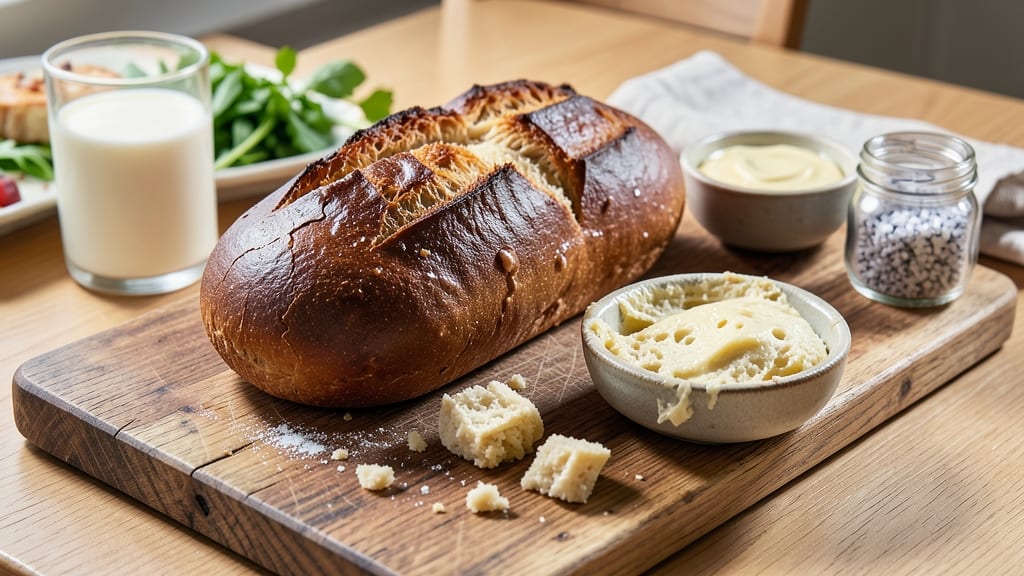
This Anova bread recipe transforms a simple loaf into a showstopper with its za’atar-infused crust and honeyed swirls baked inside.
The aromatic blend of sesame, sumac, and thyme in the crust creates a fragrant, nutty flavor that pairs perfectly with the sweet, caramelized honey swirls—each bite delivers a perfect balance of savory and sweet.
What makes this recipe stand out is how it elevates a classic artisanal loaf into something special without requiring advanced baking skills.
The secret lies in the dough preparation and the timing of the honey swirls. You’ll start with a foolproof bread dough that’s easy to handle, even for beginners, and the za’atar crust adds a Middle Eastern flair that’s both rustic and refined.
The honey swirls are incorporated just before baking, ensuring they stay gooey and caramelized while the crust achieves a golden, crispy texture. This method guarantees a loaf that’s as impressive to look at as it is to eat.
Once baked, you’ll have a loaf with a crust that crackles with za’atar’s earthy notes and a soft, airy interior punctuated by sweet honey strands. It’s the kind of bread that pairs beautifully with soups, cheeses, or even on its own as a sweet and savory snack.
The recipe is designed to deliver restaurant-quality results with minimal effort, making it perfect for both everyday baking and special occasions.
Whether you’re serving it at a dinner party or simply treating yourself to a homemade loaf, this Anova bread recipe delivers on both flavor and presentation.
The combination of za’atar and honey creates a unique profile that’s sure to impress, while the straightforward steps ensure success every time. Ready to bake?
Ingredients for anova bread
These 12 ingredients transform ordinary bread into a fragrant, restaurant-worthy loaf with za'atar crust and honey swirls.
| Ingredient | Amount | Notes |
|---|---|---|
| All-Purpose Flour 🌾 | 5 cups | Spooned and leveled, not packed |
| Instant Yeast 🍞 | 2 ¼ tsp | Active dry works too |
| Granulated Sugar 🍚 | 1 tbsp | For dough activation |
| Salt 🧂 | 1 ½ tsp | Diamond Crystal preferred |
| Unsalted Butter 🧈 | ½ cup | Cold, cubed for dough |
| Whole Milk 🥛 | 1 cup | Room temperature |
| Za’atar Spice Blend 🌿 | 2 tbsp | For crust infusion |
| Honey 🍯 | ½ cup | Wildflower preferred |
| Large Egg 🥚 | 1 whole | Room temperature |
| Sesame Seeds 🌻 | 2 tbsp | Toasted for extra flavor |
| Cornmeal 🌽 | ½ cup | For dusting loaf pan |
| Coarse Sea Salt 🧂 | 1 tsp | For final crust sprinkle |
The za’atar spice blend is non-negotiable here—Middle Eastern markets carry the best quality, but Trader Joe's has a solid version too. Look for blends with sesame seeds and sumac; if you can't find it, mix 1 tbsp sesame seeds + 1 tsp sumac + 1 tsp dried thyme. The flour matters too: King Arthur or Gold Medal brands yield the best oven spring. For the honey, local wildflower adds complexity, but any liquid honey will work—just ensure it's at room temperature to blend smoothly into the dough. The butter should be cold when mixing to prevent overdevelopment.
No za’atar? Smoked paprika + dried thyme + sesame seeds works in a pinch, though the flavor won't be identical. Substitute honey with maple syrup or agave, but reduce by 1 tbsp to account for moisture. Whole milk can be swapped for plant-based milk, though the dough may rise slightly slower. The sesame seeds can be omitted if you're sensitive to sesame, but toasting them in a dry pan for 2 minutes before using intensifies their flavor dramatically. For the egg, flax egg (1 tbsp ground flax + 3 tbsp water) works for vegan adaptations, though texture may differ slightly.
This dough keeps for 24 hours in the fridge, covered tightly. For longer storage, shape the loaf and freeze it unbaked in parchment—bake straight from frozen, adding 10-15 minutes to the time. The za’atar crust stays crisp for 3 days if stored in a bread bag, while the honey swirls caramelize further over time. To revive stale bread, wrap it in foil and warm at 300°F for 10 minutes. Portion the honey-sugar mix into ice cube trays for easy single-swirl additions if you're making multiple loaves.
Why You'll Love This Recipe
- No-Knead Magic: I’ll admit, I was skeptical—no kneading? But that warm, pillowy crumb? The butter and sugar work their magic overnight, giving you a loaf that’s almost too easy to resist. Just mix, wait, and bake. That’s it.
- Butter-Sugar Love: Here’s what sold me—the way the butter and sugar melt into every bite. It’s not sweet, not savory, but that perfect balance where you want to savor every slice. Honestly, the first time I tried it, I ate half the loaf straight from the pan.
- Weeknight & Holiday: Between us, this bread is my lazy dinner party secret. For weeknights, it’s toast for breakfast or sandwiches for lunch. For holidays, it’s the star of the table—just add a sprinkle of flaky salt and serve with honey. One recipe, endless uses.
- Budget Baking: I make this at least once a month, and it’s never a splurge. A few dollars for butter, a pinch of yeast, and flour from the pantry—that’s it. Plus, it keeps for days, so I’m never scrambling for bread when I forget to grab some. My wallet and my taste buds thank me.
Step-by-step instructions for za’atar-infused Anova bread
This method delivers a crispy, za’atar-kissed crust with tender honey-swirled layers inside—every detail matters.
Activate the Yeast and Mix the Dough
In a stand mixer fitted with the dough hook, combine the 5 cups all-purpose flour, 2.25 teaspoons instant yeast, 1 tablespoon granulated sugar, and 1.5 teaspoons salt. Mix on low speed for 30 seconds to distribute the dry ingredients evenly. This ensures balanced fermentation and flavor development.
Add the ½ cup cold cubed unsalted butter and mix until the butter is fully incorporated and the mixture resembles coarse crumbs. In a separate bowl, whisk together the 1 cup room-temperature whole milk and 2 tablespoons za’atar spice blend until smooth. With the mixer running on low, gradually pour in the milk mixture while scraping down the sides of the bowl to prevent dry spots.
Once combined, increase the mixer speed to medium and knead for 5-7 minutes until the dough becomes smooth and elastic. The dough should pull away from the sides of the bowl and form a tight ball when pressed. If it feels sticky, add 1 tablespoon more flour at a time until it reaches the right consistency—it should be soft but not wet.
Incorporate the Honey Swirl and First Rise
Transfer the dough to a lightly floured surface and gently flatten it into a 12x8-inch rectangle. Spread the ½ cup honey evenly over the surface, leaving a ½-inch border around the edges. This creates the signature swirled pattern while keeping the crust intact. Using a spatula, fold the dough over the honey in thirds, sealing the edges tightly to trap the honey inside.
Place the sealed dough in a lightly greased bowl, cover with a damp towel, and let it rise in a warm place for 1-1.5 hours, or until it has nearly doubled in size. The dough should feel light and springy when pressed gently with a finger. If it rises too quickly, place it in the refrigerator to slow fermentation—this prevents overproofing and ensures a crispy crust.
Shape and Second Rise for Crispy Crust
Remove the dough from the bowl and turn it out onto a lightly floured surface. Gently reshape it into a 9x5-inch loaf, tapering the ends slightly to mimic a traditional bread shape. Place the loaf seam-side down in a 9x5-inch loaf pan that has been coated with ½ cup cornmeal—this prevents sticking and adds texture to the bottom crust.
Cover the loaf pan with a damp towel and let it rise for another 45-60 minutes until the dough has expanded to fill the pan and risen about 1 inch above the rim. The surface should look slightly domed and feel firm to the touch. Preheat your oven to 375°F during the final 15 minutes of rising to ensure even baking.
Bake for Golden Crust and Honeyed Layers
Carefully transfer the risen loaf to the preheated oven and bake for 40-45 minutes, until the crust is deep golden brown and the internal temperature reaches 190-195°F. The bread should sound hollow when tapped on the bottom, and the honey swirls should be visible through the crust. If the top browns too quickly, tent loosely with foil to prevent over-browning.
In the last 5 minutes of baking, sprinkle the loaf generously with 2 tablespoons toasted sesame seeds and 1 teaspoon coarse sea salt. This adds crunch and a final burst of flavor. Remove the bread from the oven and let it cool in the pan for 10 minutes, then transfer to a wire rack to cool completely before slicing.
Rest and Slice for Perfect Texture
Allow the bread to cool for at least 1 hour before slicing—this ensures clean cuts and prevents the honey from oozing out. The crust should be crisp and fragrant with za’atar, while the interior remains soft and lightly sweetened by the honey swirls. For the best texture, store the bread in an airtight container at room temperature for up to 3 days, or freeze slices for longer storage.
The result is a bread with a crispy, za’atar-infused crust that contrasts beautifully with the tender, honey-swirled interior. Each slice delivers layers of flavor and texture, making it perfect for breakfast toast, sandwiches, or served alongside soups and stews.
Pro Tips For Making Anova Bread
- Weigh Your Butter: I learned this the hard way—using a kitchen scale for the butter (and even the flour) makes a real difference. That "handful" you scoop? It’s usually 10-15% off. For Anova bread, precision here means a crumb that’s consistently tender, not greasy or dry.
- Skip the Over-Kneading: This dough isn’t fussy, but don’t turn it into a workout. After the initial mix, just 3-4 minutes by hand (or 2 minutes in a stand mixer with a dough hook) is enough. Overwork it, and you’ll end up with a tough, chewy loaf—no one wants that.
- Let It Rise Twice: The first rise is obvious, but the second one? That’s where the magic happens. Give it 1-2 hours in a warm spot (like a turned-off oven with a bowl of hot water inside) until it’s almost doubled. Patience here guarantees a light, airy texture—not a dense brick.
- Use Cold Water for Wet Ingredients: Sounds weird, but it works: mix the yeast with cold water (around 70°F) instead of warm. The dough will rise slower but more reliably, and you’ll avoid that "yeasty" overproofed taste. Trust me, your bread will thank you.
Pro cooking tips for this recipe
Dough Temperature Control
The secret to a perfect rise and crispy crust lies in keeping your dough at 75-78°F during fermentation. Use an instant-read thermometer to check the milk before mixing—it should be warm but not hot.
If your kitchen is cold (65°F or below), place the dough in a proofing box or turn on your oven light to create a warm environment. I’ve ruined loaves before by letting the dough get too cold—it rises unevenly and develops a dense texture. 🌡️
Za’atar Crust Tricks
For an extra crispy za’atar crust, brush the shaped loaf with 1 tablespoon melted butter before baking—this helps the spices adhere and creates a glossy, golden finish.
I like to mix the za’atar with 1 teaspoon water to form a paste and spread it thinly over the dough before the final rise. This ensures the spices infuse deeply rather than just coating the surface.
Don’t skip the sesame seeds—they add texture and a nutty crunch that ties everything together.
Honey Swirl Timing
The honey should be spread after the first rise but before shaping the loaf—this gives it time to caramelize slightly during baking. If you add it too early, the dough may ferment too quickly and lose its structure.
I like to use a pastry brush to spread the honey evenly, then fold the dough like a letter to trap the sweetness inside. For extra richness, drizzle 1 teaspoon melted butter over the honey before folding—it adds depth and prevents the swirls from drying out.
Oven Preheating Hack
Preheat your oven to 375°F and place a loaf pan filled with water on the lower rack for the first 10 minutes of baking. The steam helps create a crispier crust and prevents the bread from drying out.
I also recommend baking on the middle rack for even heat distribution. If your oven runs hot, tent the loaf with foil after 20 minutes to prevent over-browning while keeping the interior tender.
Cooling and Storing
Never slice your Anova bread immediately after baking—the honey swirls need time to set. Let it cool completely on a wire rack for at least 1 hour before cutting. For storage, wrap cooled slices in parchment paper and place them in an airtight container.
The crust stays crisp for 3 days at room temperature, while the honey swirls caramelize further over time. To revive stale bread, warm slices in a 375°F oven for 5-7 minutes until crispy again. ✨
Nutrition facts
Frequently asked questions
Why does the dough need two rises?
The first rise develops the yeast and creates air pockets for a light texture, while the second rise in the loaf pan gives the bread its final shape and crispy crust. Skipping either can result in a dense loaf or uneven baking.
Can I make this bread without za’atar?
Yes! Swap za’atar for 2 tbsp smoked paprika + 1 tsp dried thyme + 1 tbsp sesame seeds. The crust will still be flavorful, though the Middle Eastern depth will be lost. For best results, toast the sesame seeds before using.
How do I fix if my honey swirls leak out?
If honey oozes during baking, your dough may have been overproofed. Next time, fold the honey into the dough more tightly and chill the shaped loaf for 20 minutes before baking. For a quick fix, brush melted butter over the top before baking to help set the honey.
Is this bread gluten-free?
No, this recipe uses all-purpose flour and isn't gluten-free. For a GF version, substitute with a 1:1 gluten-free flour blend (like Bob's Red Mill) and add ½ tsp xanthan gum. Expect a denser texture—GF breads rarely match traditional bread's airiness.
How can I tell when the bread is fully baked?
Look for a deep golden-brown crust and tap the bottom—it should sound hollow. The internal temperature should reach 190-195°F. If unsure, bake 5 more minutes to ensure doneness. Overbaking can dry out the honey swirls.