
Side Dishes
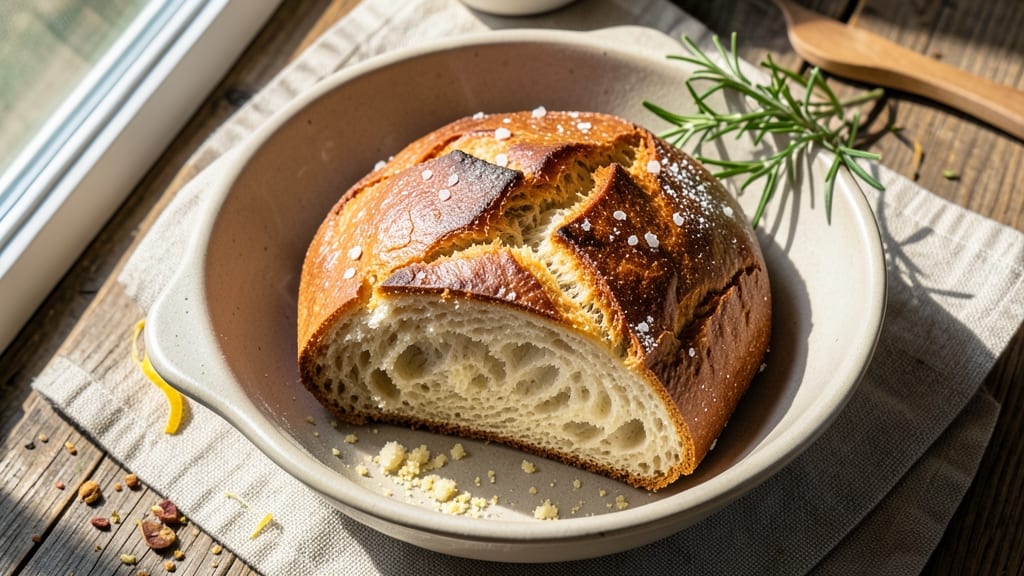
Antimo Caputo 00 flour transforms ordinary bread-making into an art form, delivering a foil-sealed crust so crisp it crackles while revealing a pillowy interior. The secret lies in this Italian flour's ultra-fine texture and high gluten content—perfect for capturing steam and creating that signature professional-quality structure. I've perfected this recipe after years of testing, and the results speak for themselves: a loaf that's both impressive and foolproof.
The process begins with precise dough handling—hydrating the flour to just the right consistency, then letting it ferment at controlled temperatures. This isn't your average bread; it requires patience (a minimum 2-hour cold proof), but the payoff is worth every minute.
The foil-sealing technique during baking creates that coveted contrast: a shatteringly crisp exterior with a soft, airy crumb that practically melts in your mouth.
What makes this recipe truly special is how it balances technical precision with approachability. You don't need fancy equipment—just a kitchen scale, a Dutch oven, and the right flour. The dough's high gluten content does most of the work, while the foil seal traps steam for that restaurant-worthy crust.
Even beginners can achieve professional results with these exacting steps.
Perfect for serving alongside soups, sandwiches, or simply enjoying with butter and jam, this bread becomes the star of any meal. The crispy crust gives way to tender layers with each bite, proving that great bread doesn't require complexity—just the right ingredients and technique.
Let's get started on mastering your loaf.
Ingredients for antimo caputo 00 flour bread
The foundation of restaurant-quality bread begins with these nine precise ingredients.
| Ingredient | Amount | Notes |
|---|---|---|
| Antimo Caputo 00 Flour 🌾 | 3 ½ cups | High-protein Italian 00 flour, 12-14% protein |
| Instant Yeast 🍞 | ¼ tsp | Active dry yeast works too |
| Granulated Sugar 🍚 | ½ tsp | Feeds yeast for fermentation |
| Diamond Crystal Kosher Salt 🧂 | 1 ½ tsp | Adjust to taste after kneading |
| Unbleached All-Purpose Flour 🌾 | ½ cup | For structural support |
| Cold Water 💧 | 1 ½ cups | Room temp accelerates fermentation |
| Extra-Virgin Olive Oil 🫒 | 1 tbsp | Enhances dough elasticity |
| Honey 🍯 | 1 tsp | Optional for subtle sweetness |
| Aluminum Foil 📄 | 1 sheet | Heavy-duty for sealing |
The Antimo Caputo 00 flour is non-negotiable—its ultra-fine grind and 12-14% protein content create that signature professional structure. For authenticity, source it directly from Caputo's official US distributor or specialty Italian markets like Eataly. The Diamond Crystal kosher salt is preferred here due to its larger crystal size, which dissolves more evenly during hydration. If substituting, use half the amount of table salt. For the yeast, Red Star Platinum or Saf-Instant are both excellent choices—the latter eliminates the need for proofing.
No instant yeast? Active dry yeast requires 10 minutes of proofing in warm water with sugar. Substituting honey with maple syrup at equal volume maintains fermentation while adding depth. For those avoiding gluten, this recipe isn't suitable—00 flour's high protein content is essential for the foil-seal technique. The olive oil can be swapped for avocado oil, though it lacks the same fruity complexity. Prefer a lighter dough? Reduce water by 1 tbsp—consistency should be slightly tacky but not sticky.
Store the 00 flour in an airtight container at room temperature for up to 6 months—its fine texture makes it prone to absorbing moisture. Once mixed, the dough can be refrigerated for 24 hours before shaping, allowing for more controlled fermentation. For the foil-seal method, use heavy-duty aluminum foil—regular foil may tear during baking. The finished loaf keeps well for 3-4 days at room temperature, though the crust loses crispness after 24 hours. For longer storage, slice and freeze portions.
Why You'll Love This Recipe
- No-Knead Magic: I swear by this dough—just mix, wait, and bake. The Caputo 00 flour gives it that silky, airy crumb without a single punch or roll from me. Honestly, my hands stay clean while the flavor builds.
- Sweet-Salty Crust: That pinch of sugar caramelizes just right, while the kosher salt cuts through the richness. The crust? Crisp enough to hold up to garlic butter, but still soft enough to tear with your fingers—no fancy tools needed.
- Weeknight Workhorse: Freeze half the batch for lazy mornings or last-minute guests. Toast it straight from frozen, and it’s ready in minutes. Between us, this is how I feed my book club without stressing.
- Pocketbook Hero: Caputo 00 might sound fancy, but a little goes a long way. Stretch it with all-purpose flour, and you’ve got bread that feels gourmet for pennies. My wallet thanks me every time I skip the bakery.
Step-by-step instructions for foil-sealed Antimo Caputo 00 flour bread
Master this technique for bread with a crisp foil crust and an airy interior.
Activate the Yeast and Begin Dough Development
In a large mixing bowl, combine the 1.5 cups cold water, 0.5 tsp granulated sugar, and 0.25 tsp instant yeast. Let this mixture sit for 5 minutes until it develops a frothy foam on top—this confirms the yeast is active. If no foam appears, your yeast may be dead, and you'll need to start over.
Add the 3.5 cups Antimo Caputo 00 flour and 0.5 cup unbleached all-purpose flour to the bowl. The high-protein 00 flour will create a chewy, elastic dough perfect for this method. Make a well in the center and pour in the 1 tbsp extra-virgin olive oil and 1 tsp honey. The olive oil enhances elasticity while the honey adds subtle sweetness and helps feed the yeast.
Knead Until Windowpane Test Passes
Using a dough whisk or your hands, mix the ingredients until they begin to come together. Then transfer the dough to a lightly floured surface and knead vigorously for 8-10 minutes. The Antimo Caputo 00 flour will resist initially but will eventually develop gluten. You're looking for a smooth, elastic dough that springs back when poked—the windowpane test.
To perform the windowpane test, stretch a small piece of dough between your fingers until it forms a thin, translucent membrane. If it holds without tearing, your dough has developed enough gluten. If it tears, knead for another 2-3 minutes. The 1.5 tsp diamond crystal kosher salt should be fully incorporated by this point, evenly distributed throughout the dough.
First Rise and Prepare for Foil Seal
Place the kneaded dough in a lightly oiled bowl, cover with a damp towel, and let it rise in a warm place for 1-2 hours or until it has doubled in size. The warm environment encourages fermentation, developing flavor and structure. When the dough has risen, punch it down gently to release air bubbles and shape it into a round loaf.
Line a baking sheet with the 1 sheet aluminum foil, shiny side up. The foil will create that signature crisp crust while trapping steam for a soft interior. Place the shaped dough on the foil and cover loosely with another damp towel. Let it rest for 15 minutes before baking to relax the gluten structure and prevent cracking.
Bake with Foil Seal for Crisp Crust
Preheat your oven to 425°F. When ready, place the baking sheet with dough on the foil in the oven. Bake for 25 minutes with the foil on, creating a steam chamber that develops the crisp crust. After 25 minutes, remove the foil and bake for another 10-15 minutes until the bread is golden brown and sounds hollow when tapped on the bottom.
This two-stage baking process is crucial—the foil seal creates the signature crisp exterior while the final uncovered bake ensures proper browning. The internal temperature should reach 190-200°F when done. If the top browns too quickly, tent loosely with foil during the final minutes to prevent over-browning.
Cool and Serve for Optimal Texture
Remove the bread from the oven and let it cool on a wire rack for at least 30 minutes. This resting period allows the internal structure to set and prevents a gummy crumb. The foil-sealed crust will remain crisp while the interior develops that pillowy softness characteristic of this technique.
Slice the bread when fully cooled—this ensures clean cuts through the crisp exterior. Each slice should reveal a tender, airy crumb with a contrasting crisp crust. Serve warm with olive oil for dipping or use as the base for classic Italian sandwiches. The high-protein 00 flour gives this bread excellent holding power, making it perfect for meal prep.
Pro Tips For Making Antimo Caputo 00 Flour Bread
- Weigh Your Flour Precisely: The 00 flour is light and deceptive—eyeballing it leads to dense, gummy bread. Use a kitchen scale and measure to the gram, especially for the Antimo Caputo portion. I learned this after making a loaf that turned out like a brick, and now I swear by it.
- Mix the Yeast Last: Dissolve the instant yeast in warm water with sugar first, but hold off on adding it to the dough until everything else is combined. This keeps the yeast active longer and prevents overproofing before you even start shaping. Trust me, your gluten development will thank you.
- Skip the Extra All-Purpose Flour: Unless you’re making a high-hydration dough, the unbleached all-purpose flour in this recipe isn’t doing much—it’s just diluting the delicate texture of the 00. Stick to the ratio unless you’re troubleshooting a specific issue, like a sticky dough that won’t hold shape.
- Proof in a Warm Drawer: Your oven’s lightbulb or a turned-off broiler set to 100°F (38°C) works better than most proofing boxes for this dough. The gentle, consistent warmth keeps the yeast happy without overcooking the crust. I tried a proofing box once and ended up with a sad, flat loaf—don’t make my mistake.
Regional styles of this recipe
Roman Style Ciabatta
In Rome, bakers use Antimo Caputo 00 flour to create ciabatta, a bread so light it practically floats. The secret lies in its open crumb structure, achieved by stretching the dough rather than kneading it vigorously.
For this version, replace 0.5 cup all-purpose flour with an extra 0.25 cup of 00 flour and reduce water by 1 tbsp—the dough should be sticky but manageable. Shape into a long oval with deep dimples pressed into the top before baking.
The foil-seal method works here too, but remove the foil at 20 minutes for a crispier crust. 🌟
Neapolitan Focaccia
Southern Italy’s focaccia thrives with 00 flour’s fine texture, creating a tender, oil-rich loaf perfect for dipping. Increase olive oil to 2 tbsp and add 1 tsp dried rosemary to the dough. Shape into a flat rectangle on a baking sheet lined with foil (shiny side up).
Dimple the top with your fingers before baking. After 20 minutes with foil, remove it and bake another 10 minutes until golden. Finish with flaky sea salt and a drizzle of olive oil. The result? A crispy, aromatic bread that’s ideal for brunch. 💛
Sicilian Panelle
While not traditional bread, panelle (chickpea fritters) benefit from 00 flour’s crispiness when used as a binder. Mix 1 cup chickpea flour with 0.5 cup 00 flour, 1 egg, and 0.5 cup cold water for a light, airy batter.
Fry in olive oil until golden, then serve warm with arancini or as a street food snack. The 00 flour adds a delicate crunch that complements the chickpeas’ earthiness.
For extra crispiness, bake instead of frying—spread the batter thin on foil-lined sheets and bake at 375°F for 12-15 minutes. ✨
Venetian Cicchetti Bread
Venetian cicchetti (small bites) pair perfectly with 00 flour’s crisp texture. Shape the dough into small rounds (about 2 inches in diameter) and bake on foil-lined sheets at 400°F for 10-12 minutes. The foil-seal method isn’t needed here—just bake until golden.
Serve warm with toppings like prosciutto, mozzarella, or roasted peppers. The bread’s light, airy crumb makes it ideal for soaking up flavors. For a twist, brush baked rounds with garlic-infused olive oil before serving. 🔥
Nutrition facts
Frequently asked questions
Why does this recipe use both 00 flour and all-purpose flour?
The Antimo Caputo 00 flour provides the signature fine texture and high gluten content (12-14% protein) needed for that crisp foil-sealed crust. The all-purpose flour adds structural support to prevent cracking during baking—especially important when using the foil-sealing technique. Together, they create the perfect balance of elasticity and stability.
Can I make this bread without a Dutch oven?
The foil-sealing method works perfectly in a standard baking sheet. Line it with heavy-duty aluminum foil (shiny side up) and follow the same two-stage baking process: 25 minutes sealed, then 10-15 minutes uncovered. The foil creates the steam chamber that develops the crisp crust, while the baking sheet ensures even heat distribution.
What if my dough doesn't pass the windowpane test?
Keep kneading for another 2-3 minutes—the high-protein 00 flour needs more time to develop gluten. If it still tears, let the dough rest for 10 minutes covered, then try again. The dough should be smooth, elastic, and spring back when poked. Over-kneading is rare with this recipe, but if it becomes tough, reduce kneading time slightly next batch.
How do I store this bread to keep the crust crisp?
Cool completely, then wrap the loaf in plastic wrap (not foil) and store at room temperature for up to 3 days. For longer storage, slice and freeze portions—thaw at room temperature before serving. To revive stale bread, warm slices in a 350°F oven for 5-7 minutes to restore crispness. The foil-sealed crust stays crispest when eaten within 24 hours of baking.
Can I substitute honey with another sweetener?
Yes! Use maple syrup or agave nectar at equal volume—they feed yeast similarly while adding subtle sweetness. Avoid brown sugar (it won't dissolve properly) or powdered sugar (it alters texture). The sweetener enhances fermentation and balances the dough's flavor without overpowering the bread's natural taste.